

Discover the Best Podiatrist Recommended Walking Shoes for All-Day Comfort
Your feet are your foundation. They carry you through every step of your day, from the morning commute to the evening stroll. Yet, so often, we encase them in footwear chosen for style over substance, leading to a cascade of discomfort that can ripple up through your entire body. The quest for all-day comfort isn’t about luxury; it’s a physiological necessity. This is where the expertise of podiatry becomes invaluable. Moving beyond marketing claims, we delve into the biomechanical principles that define true support. This article is a curated guide, built on the science of foot health, to help you identify and select the best podiatrist recommended walking shoes. We will dissect the critical features, explain the “why” behind their design, and connect you with options that prioritize your well-being, blending professional insight with practical value.
The Foundation of Foot Health: Why Podiatrist Endorsement Matters
Podiatry is the branch of medicine devoted to the study, diagnosis, and treatment of disorders of the foot, ankle, and lower extremity. A podiatrist’s recommendation, therefore, is not a casual opinion but a prescription based on biomechanics. The human foot is a complex structure of 26 bones, 33 joints, and over 100 muscles, tendons, and ligaments. As noted by the American Podiatric Medical Association (APMA), improper footwear is a leading contributor to common ailments like plantar fasciitis, bunions, metatarsalgia, and chronic knee or back pain. A podiatrist recommended walking shoe is engineered to work in harmony with this anatomy. It provides stability to control excessive pronation (inward rolling) or supination (outward rolling), offers cushioning that absorbs shock without bottoming out, and features a heel counter and arch support that maintain the foot’s natural alignment. Think of it as orthopedics meets ergonomics. When a shoe earns the APMA Seal of Acceptance, it has been reviewed by a committee of podiatrists and found to promote good foot health. This objective, scientific validation is the cornerstone of our search—it separates gimmicks from genuine, therapeutic design.
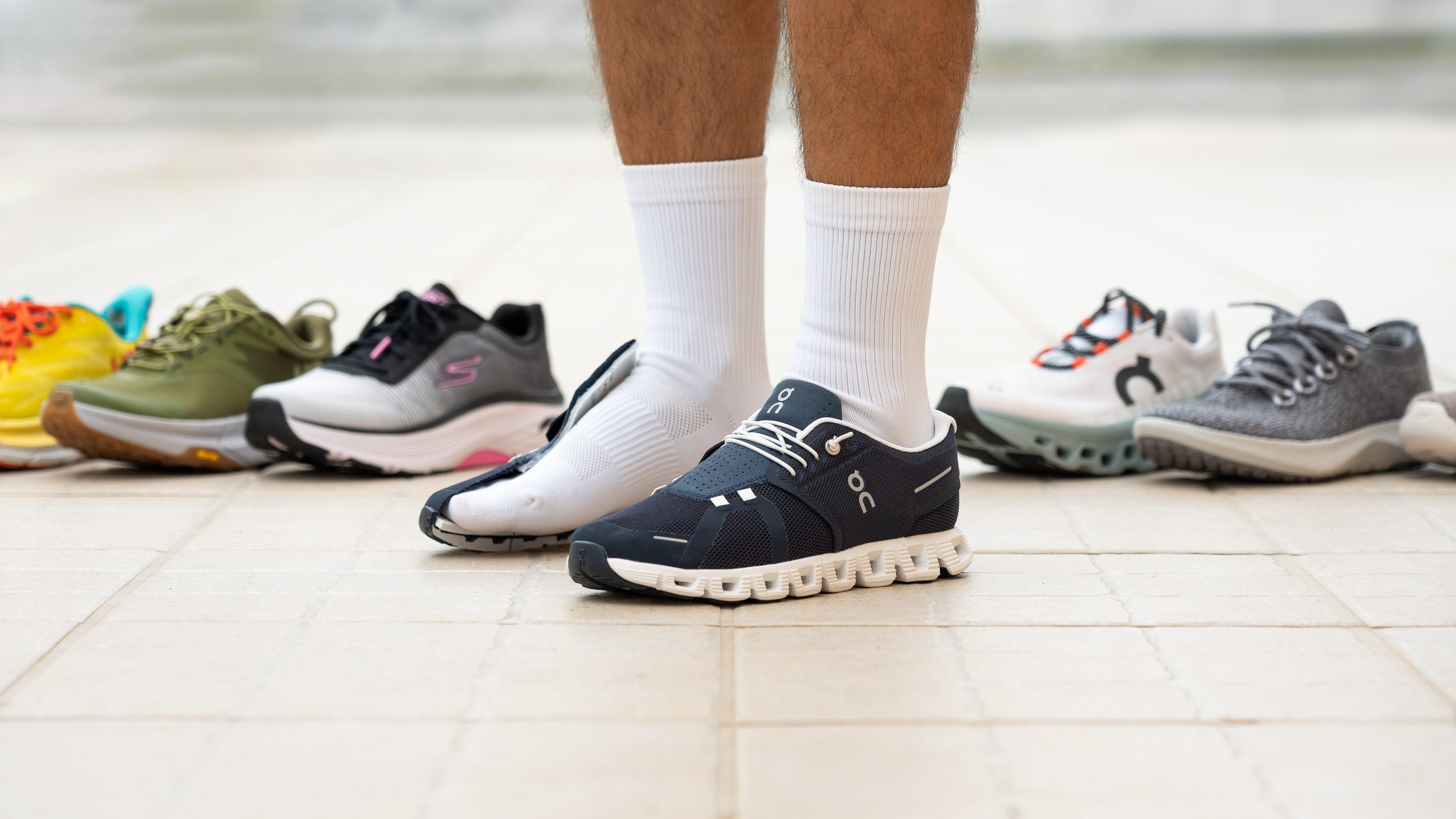
Arch Support: The Non-Negotiable Pillar of Stability
Let’s talk about your arch. It’s not merely a curve; it’s a dynamic, spring-like structure designed to distribute your body weight across your feet. When this arch collapses excessively (overpronation) or remains too rigid (oversupination), the entire kinetic chain—ankles, knees, hips, spine—is thrown into compensatory, often painful, patterns. A proper podiatrist recommended walking shoe addresses this with targeted arch support. This isn’t about a generic, one-size-fits-all bump in the midsole. Scientific literature from institutions like the University of Rochester Medical Center emphasizes that effective support must match the individual’s arch type (neutral, low, or high). For instance, motion control shoes with firm, medial posts are designed for severe overpronators, while neutral-cushioned shoes offer moderate support for those with a normal arch. The goal is to maintain the foot in a neutral position from heel strike to toe-off. As renowned biomechanist Dr. Casey Kerrigan, founder of OESH Shoes, has stated in interviews, “The right support allows the foot’s own muscles to function optimally, rather than passively relying on the shoe.” In essence, good arch support doesn’t immobilize; it guides and empowers your natural gait, making it the single most critical feature for all-day comfort and injury prevention.
Cushioning vs. Responsiveness: The Delicate Balance
The pursuit of cushioning can be a double-edged sword. While ample shock absorption is crucial—especially on hard urban surfaces—too much soft, unstable foam can be as detrimental as too little. Imagine walking on a memory foam mattress; your foot muscles must constantly engage to stabilize you, leading to fatigue. This is where the concept of responsive cushioning, often highlighted in podiatrist recommended walking shoes, comes into play. Materials like Brooks’ DNA LOFT, HOKA’s Profly+, or ASICS’ GEL technology are engineered not just to compress, but to rebound. They return energy to your stride, reducing the metabolic cost of walking. A study published in the Journal of Foot and Ankle Research points to the importance of midsole geometry and material density in managing impact forces. The ideal shoe provides a soft landing at the heel but transitions to a firmer, more propulsive feel under the forefoot. This balanced approach protects joints while promoting an efficient, natural walking motion. It’s the difference between sinking into each step and being gently propelled forward with each one.
:max_bytes(150000):strip_icc()/shp-best-brooks-walking-shoes-tout-f67df3ab5afa4c08a24a63ae6dca3444.jpg)
Heel Counter and Toe Box: The Guardians of Structure and Space
Two often-overlooked yet vital components are the heel counter and the toe box. The heel counter is the firm cup at the back of the shoe that cradles your calcaneus (heel bone). A study from the University of Delaware’s Department of Kinesiology and Applied Physiology underscores its role in controlling rearfoot motion, preventing the heel from wobbling or sliding, which is a primary cause of blisters and Achilles tendon strain. A robust, well-padded heel counter is a hallmark of quality construction. Conversely, the toe box is about liberation, not restriction. Podiatrists consistently warn against pointed or narrow toe boxes that cramp the toes, leading to deformities like hammertoes and neuromas. A podiatrist recommended walking shoe will feature a toe box that is both deep and wide enough to allow your toes to splay naturally upon weight-bearing. This “foot-shaped” design, advocated by brands like Altra and found in many therapeutic models, provides a stable platform and improves balance. As the ancient Greek philosopher Socrates is often paraphrased, “When our feet hurt, we hurt all over.” Protecting the heel and freeing the toes are fundamental to avoiding this universal truth.
Translating Science into Selection: Key Features in Action
Understanding the principles is one thing; recognizing them in a shoe is another. When evaluating options, look beyond color and brand. First, examine the sole flexibility. It should bend easily at the ball of the foot (where your foot naturally flexes) but resist twisting through the midfoot. Second, perform the “thumb test” on the heel counter—it should not collapse under moderate pressure. Third, check for removable insoles; this not only allows for customization with orthotics but often indicates a roomier, more accommodating interior volume. Breathable uppers made from engineered mesh prevent moisture buildup and reduce the risk of fungal infections. Finally, consider weight. While cushioning often adds mass, advanced materials now allow for lightweight yet supportive builds. A heavy shoe can increase leg fatigue over miles, contradicting the goal of all-day comfort. By methodically assessing these features, you move from being a passive consumer to an informed participant in your own foot health, directly applying the criteria that define the best podiatrist recommended walking shoes.
:max_bytes(150000):strip_icc()/tal-roundup-podiatrist-loved-shoes-on-sale-tout-bdbf5721fa5642efa38b61f6a5b4ff34.jpg)
Where Professional Insight Meets Practical Value
Investing in your foot health is non-negotiable, but that doesn’t mean you must overpay. The wonderful convergence of professional knowledge and accessible pricing is more real than ever. Many reputable brands that consistently earn podiatrist accolades—such as New Balance, Brooks, ASICS, and Saucony—frequently offer previous-season models or colorways at significant discounts without compromising the core technologies. Furthermore, specialty running and walking stores often have certified fit experts who can analyze your gait and make recommendations akin to a podiatrist’s initial assessment. The key is to prioritize the structural features we’ve outlined over superficial trends. As a practical step, once you identify a model that fits your biomechanical needs (e.g., a stability shoe like the Brooks Adrenaline GTS or a neutral max-cushion shoe like the HOKA Bondi), set up price alerts on retailer websites. The return on investment is profound: preventing a single visit to a healthcare professional for foot pain can easily offset the cost of a premium pair of podiatrist recommended walking shoes. Comfort, in this context, is both a feeling and a fiscally sound strategy for long-term wellness.
The journey to all-day comfort begins with a single, well-supported step. It’s a choice to listen to the intricate language of your feet and to honor the complex engineering of your body with footwear designed to complement it, not contradict it. By seeking out and understanding the hallmarks of podiatrist recommended walking shoes—rigorous arch support, balanced cushioning, a secure heel, and a roomy toe box—you are not just buying a product; you are adopting a proactive philosophy of self-care. This knowledge empowers you to navigate a crowded market with confidence, finding options that deliver scientific integrity and tangible value. Your path is ahead; make sure every mile is met with resilience and ease.

