

Discover the Best Podiatrist Recommended Walking Shoes for All-Day Comfort
Your feet are your foundation, and the shoes you choose can either support a lifetime of movement or lead to a cascade of discomfort and injury. For anyone who spends significant time on their feet—whether navigating a busy workday, exploring new cities, or simply enjoying a daily stroll—the quest for the perfect walking shoe is paramount. This isn’t about fleeting fashion trends; it’s about biomechanical science, long-term health, and genuine, all-day comfort. The most reliable guide in this quest isn’t a celebrity endorsement or a glossy magazine ad, but the professional advice of a podiatrist. Podiatrist recommended walking shoes are specifically engineered to align with the intricate structure of the human foot, offering support, cushioning, and stability that generic footwear often neglects. This article delves into the core principles behind these recommendations, translating professional podiatric insight into a clear guide for your next—and perhaps most important—footwear purchase.
The Foundation of Foot Health: Why Podiatric Expertise Matters
To understand the value of a podiatrist recommended walking shoe, one must first appreciate the complexity of the human foot. It is a marvel of engineering, comprising 26 bones, 33 joints, and over 100 muscles, tendons, and ligaments. This structure must simultaneously provide stability, absorb shock, and propel us forward. Podiatrists, as doctors of podiatric medicine (DPM), dedicate years to studying this biomechanical system. Their recommendations are rooted in preventing and treating conditions like plantar fasciitis, metatarsalgia, bunions, and tendonitis. As Dr. Jacqueline Sutera, a prominent New York City podiatrist, often notes, “Shoes are the foundation of your body. Wearing the wrong shoes is like building a house on a faulty foundation—everything above it will be affected.” This perspective shifts the shoe from a mere accessory to a critical piece of medical-grade equipment for daily life. The criteria they use—arch support, heel counter rigidity, toe box dimensions, and midsole technology—are not arbitrary. They are based on peer-reviewed literature from institutions like the American Podiatric Medical Association (APMA), which grants its Seal of Acceptance to products that promote good foot health. Therefore, seeking out podiatrist recommended walking shoes is an act of preventative care, an investment in the long-term mobility and comfort of your entire musculoskeletal system.
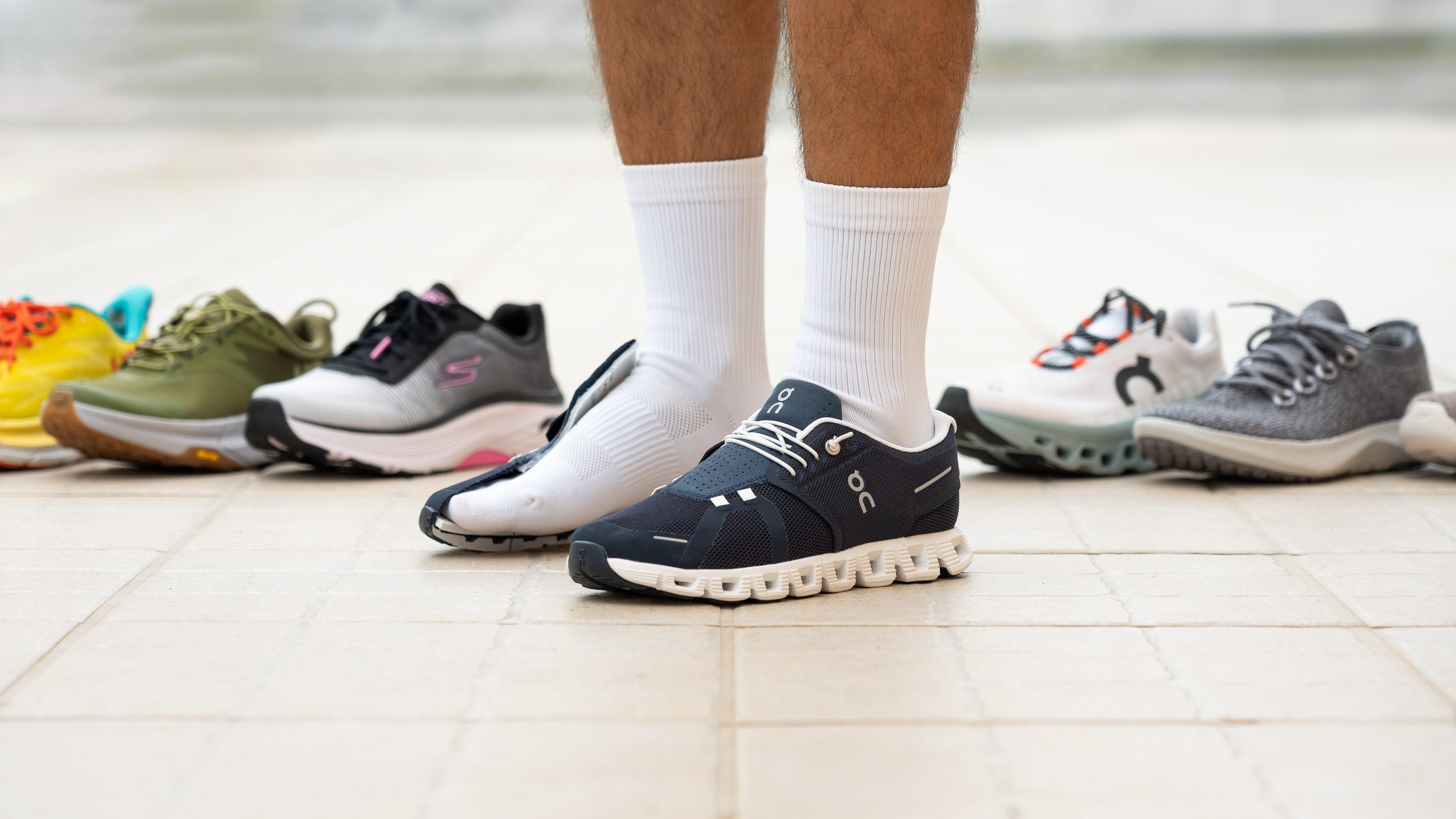
Decoding the Design: Five Pillars of a Superior Walking Shoe
What exactly sets a podiatrist-approved shoe apart? The distinction lies in several non-negotiable design features that work in harmony. First, arch support is paramount. The arch acts as a natural shock absorber; improper support can lead to the arch collapsing (overpronation) or insufficient rolling (supination), straining the plantar fascia. A good shoe provides contoured support that matches your arch type—neutral, low, or high. Second, a secure heel counter. The firm cup at the back of the shoe stabilizes the heel bone, preventing excessive side-to-side motion that can cause Achilles tendonitis or heel spurs. Third, an ample toe box. Your toes should lie flat and have room to splay naturally with each step. A cramped toe box, as highlighted in resources like Wikipedia’s entry on footwear, is a leading cause of deformities like hammertoes and bunions. Fourth, responsive cushioning. This isn’t just about softness; it’s about strategic energy return and impact dissipation. Materials like EVA foam, polyurethane, and proprietary gels (like ASICS’ GEL or Brooks’ DNA LOFT) are engineered to cushion without destabilizing the foot. Finally, flexibility at the right point. The shoe should bend easily at the ball of the foot, where your foot naturally flexes during toe-off, but remain rigid through the midfoot to maintain torsional stability. A podiatrist recommended walking shoe meticulously balances these five pillars, ensuring no single aspect compromises another.
Beyond the Hype: Evaluating Brands Through a Podiatric Lens
The market is flooded with brands claiming to offer comfort, but only a select few consistently earn the trust of foot care professionals. Brands like New Balance, Brooks, ASICS, HOKA ONE ONE, and Saucony are frequently cited in podiatrist offices and on platforms like Quora and professional review sites. Their commitment is to biomechanical research rather than just aesthetic trends. For instance, HOKA ONE ONE’s maximalist cushioning philosophy, born from ultra-running, has been adopted in podiatry for patients needing extreme shock absorption. Conversely, brands like Vionic are built on orthotic principles, often featuring built-in arch support designed by podiatrists. It’s instructive to consider the words of sports medicine specialist Dr. Jordan Metzl, whose views are widely shared on health platforms: “Your running or walking shoes are the most important piece of equipment you own. Don’t choose them based on color.” This underscores that the brand’s core technology—be it Brooks’ GuideRails for holistic support or New Balance’s extensive width sizing—is what matters. When you prioritize podiatrist recommended walking shoes from these research-driven companies, you are leveraging decades of podiatric and biomechanical science with every step you take.

The Personal Fit: How to Translate Recommendations to Your Feet
Even the most highly recommended shoe is useless if it doesn’t fit your unique feet. Podiatric advice universally stresses a professional fitting, preferably later in the day when feet are naturally swollen. You should have about a thumbnail’s width of space between your longest toe and the end of the shoe. Don’t rely on your “usual” size, as sizing varies dramatically between brands and models. Consider your gait: are you a pronator, supinator, or neutral? Many specialty running stores offer gait analysis, which can pinpoint the type of stability or motion control you need. Furthermore, always wear the socks you intend to walk in when trying on shoes. For those with specific conditions like diabetes or severe arthritis, the recommendation becomes even more critical. The American Diabetes Association, for example, emphasizes the necessity of protective, well-fitted footwear to prevent ulcers. In this context, a podiatrist recommended walking shoe is not a luxury but a medical necessity. The process may seem involved, but as the ancient proverb (often applied to foundational matters) suggests, “The bitterness of poor quality remains long after the sweetness of low price is forgotten.” Investing time in the perfect fit pays dividends in comfort and health for years.
Investing in Your Stride: Where Value Meets Expertise
Some may hesitate at the price point of high-quality, podiatrist-endorsed footwear. However, this is an area where cost should be reframed as value. A high-quality pair of walking shoes, typically ranging from $120 to $160, is engineered with durable materials, advanced foams that don’t break down quickly, and construction that maintains its supportive integrity. Compare this to cheaper alternatives that may compress their cushioning within a few months, leading to diminished support and potential injury. The cost of physical therapy, custom orthotics, or dealing with chronic pain far outweighs the initial investment in proper shoes. To make this investment more accessible, savvy shoppers should look for previous-season models, which often see significant discounts while retaining the core podiatric technology. Official brand outlets, reputable online retailers during holiday sales, and specialty store promotions are excellent avenues. Remember, the goal is to acquire the biomechanical benefits of a podiatrist recommended walking shoe at a smart price. Protecting your feet is priceless, but finding a deal on that protection is a welcome bonus.
:max_bytes(150000):strip_icc()/podiatrist-recommended-walking-shoes-e1b90077185d4e6cadbf6327c4d17db7.jpg)
Your journey toward all-day comfort begins with a single, informed step. By prioritizing the science-backed features of podiatrist recommended walking shoes—superior arch support, a secure heel, a roomy toe box, intelligent cushioning, and proper flexibility—you are doing more than buying footwear. You are choosing a partner for your feet that respects their biological design and supports your active life. This choice transcends temporary comfort; it is a commitment to moving through your world with greater ease, resilience, and joy. Let the expertise of podiatry light your path, and step forward into a more comfortable tomorrow.
