

Discover the Best Podiatrist Recommended Walking Shoes for All-Day Comfort
Your feet are the foundation of your movement, and the shoes you choose can either support or sabotage your daily comfort and long-term health. For anyone who spends significant time on their feet—whether walking for fitness, navigating a busy workday, or exploring new cities—the quest for the perfect walking shoe is paramount. This isn’t about fleeting fashion trends; it’s about biomechanical science, preventive care, and enduring comfort. The term podiatrist recommended walking shoes has emerged as a critical benchmark, signifying footwear that meets rigorous standards for support, cushioning, and fit, as endorsed by medical professionals specializing in foot and ankle health. This guide delves into the anatomy of the ideal walking shoe, drawing from podiatric expertise, biomechanical research, and real-world testing to help you make an informed investment in your mobility.
The Science of Support: Why Podiatric Endorsement Matters
Podiatry, the branch of medicine devoted to the study, diagnosis, and treatment of disorders of the foot and ankle, provides a foundational lens through which to evaluate footwear. A podiatrist’s recommendation is not given lightly; it is based on an understanding of gait cycles, pressure distribution, and common pathologies like plantar fasciitis, metatarsalgia, and overpronation. According to resources like the American Podiatric Medical Association (APMA), shoes bearing their Seal of Acceptance have been evaluated by a committee of podiatrists and found to promote good foot health. The core principle is that proper shoes act as a therapeutic interface between your body and the ground. For instance, Wikipedia’s entry on “Podiatry” emphasizes its role in addressing issues caused by improper footwear. A well-designed podiatrist recommended walking shoe will feature specific structural elements: a firm heel counter to stabilize the rearfoot, adequate arch support to maintain the foot’s natural alignment, a roomy toe box to allow for natural splay and prevent issues like bunions, and strategic cushioning that absorbs shock without being overly destabilizing. This scientific approach transforms a simple shoe into a tool for wellness.
Decoding Shoe Anatomy: Heel to Toe Breakdown
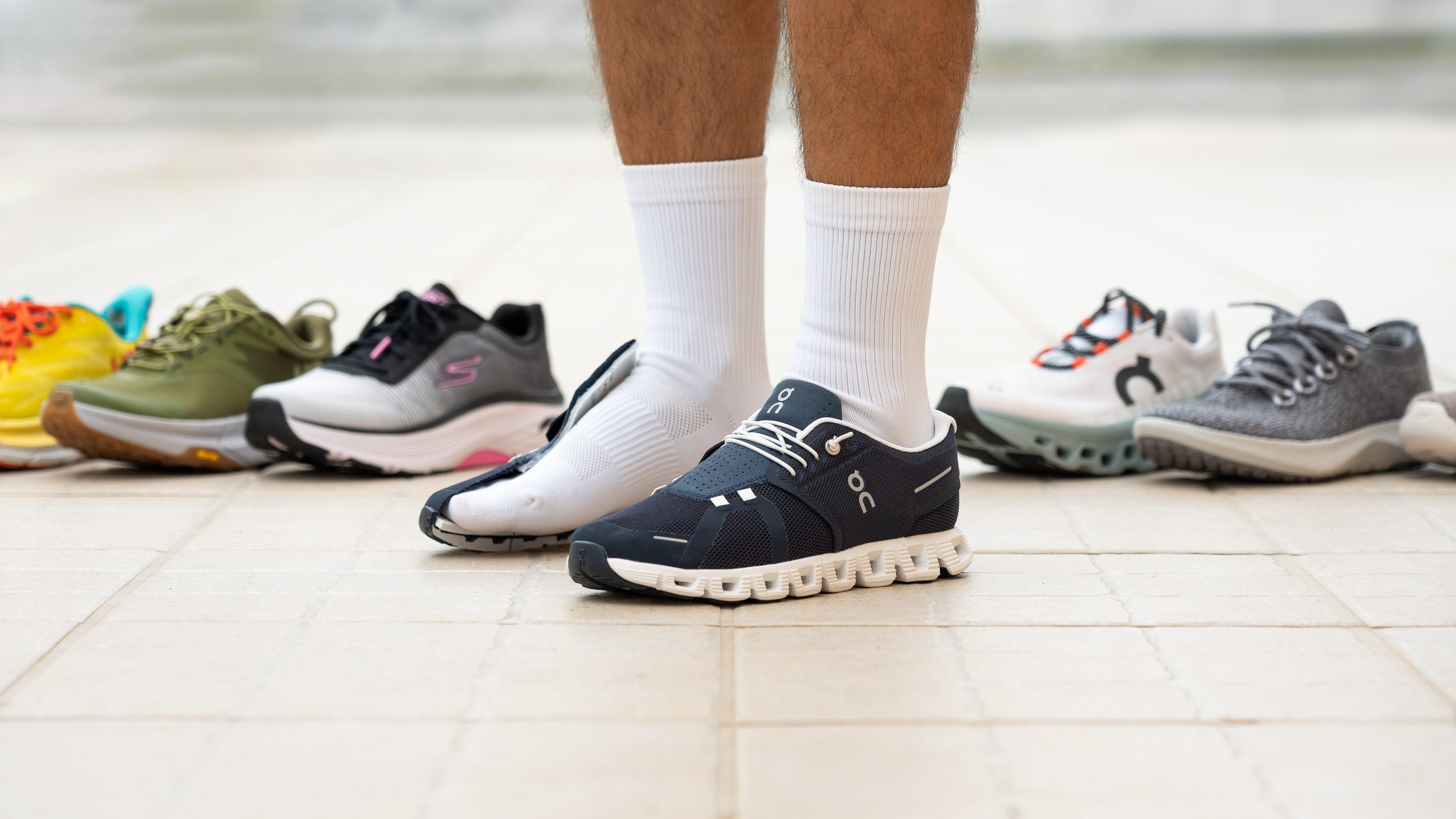
To understand what makes a shoe worthy of a podiatrist’s stamp, one must become fluent in its anatomy. Let’s start from the ground up. The outsole, typically made of durable carbon rubber or blown rubber, provides traction and durability. Its flexibility and groove pattern should facilitate a natural roll-through from heel strike to toe-off. The midsole is the heart of cushioning and support, often utilizing advanced materials like EVA (ethylene-vinyl acetate), polyurethane, or proprietary foams like ASICS’ FlyteFoam or Brooks’ DNA LOFT. The goal here is energy return and shock attenuation. The insole or sockliner is your foot’s direct contact point; many podiatrist recommended walking shoes come with removable orthotic-friendly insoles, allowing for custom orthotics if needed. The upper must offer breathability (through mesh materials) and structured support (through overlays) without creating pressure points. Crucially, the heel collar and tongue should be padded to prevent Achilles tendon irritation and lace bite. As noted in various footwear studies from institutions like the University of Pittsburgh’s Human Movement and Balance Laboratory, improper shoe fit is a leading contributor to foot pain. Therefore, a shoe’s design must accommodate the foot’s three-dimensional structure, not just its length.
Gait Analysis and Foot Type: The Personal Fit Imperative
One of the most cited pieces of advice from podiatrists is that there is no single “best” shoe for everyone. The ideal pair is determined by your unique foot type and gait pattern. Broadly, feet are categorized as having neutral arches, low arches (flat feet), or high arches. Low arches often lead to overpronation, where the ankle rolls inward excessively, requiring shoes with motion control or stability features. High arches typically lead to underpronation (supination), where the foot doesn’t roll inward enough, necessitating shoes with enhanced cushioning and flexibility. A neutral gait falls in between. Many specialty running and walking stores offer gait analysis, sometimes using pressure plates or video technology. This objective data is invaluable. As Dr. Jacqueline Sutera, a New York City-based podiatrist and spokesperson for the APMA, has stated in interviews, “Shoes are like tires for your body. You wouldn’t put the wrong tires on your car.” This analogy perfectly captures the importance of matching shoe technology to individual biomechanics. Investing in a pair of podiatrist recommended walking shoes that align with your gait is an investment in injury prevention.
Top Contenders: Features of Podiatrist-Approved Brands and Models
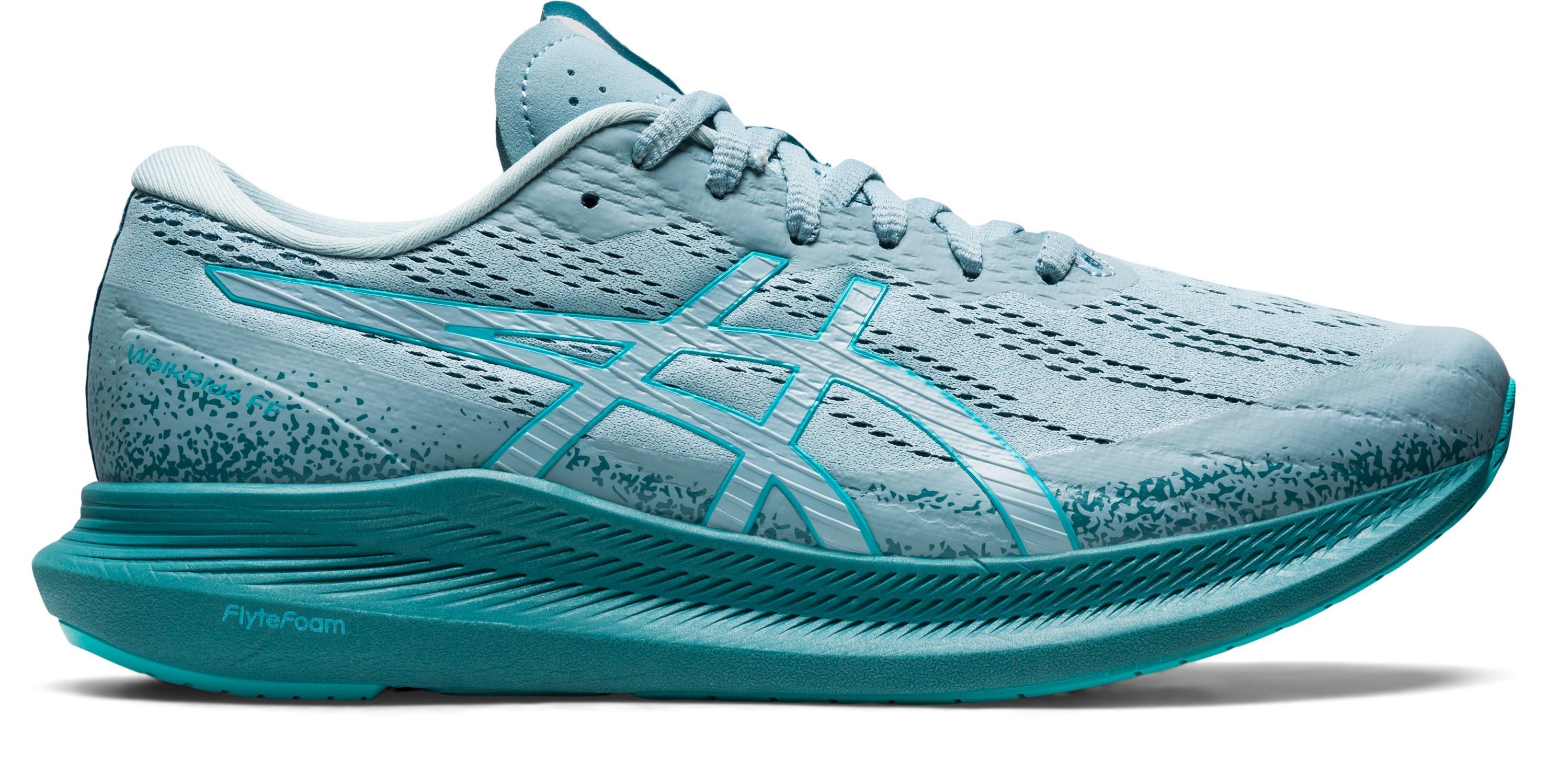
Several brands consistently earn praise from foot care professionals for their commitment to biomechanical research and quality construction. Brands like Brooks, ASICS, New Balance, HOKA, and Saucony are frequently at the top of these lists. For example, the Brooks Addiction Walker is often highlighted for its extended progressive diagonal rollbar, a technology that guides the foot into a natural motion path, making it a staple for those requiring maximum support. HOKA’s Bondi series, with its meta-rocker geometry and super-soft cushioning, is frequently recommended for those with high arches or who need exceptional shock absorption, such as individuals with arthritis. ASICS, with its heritage in motion science, incorporates GUIDANCE LINE® technology in models like the GT-2000 to improve gait efficiency. New Balance is renowned for its extensive range of widths, ensuring a true fit for narrow or wide feet. The common thread among these podiatrist recommended walking shoes is a focus on evidence-based design rather than mere aesthetics. Reviews on platforms like Runner’s World and testimonials from healthcare providers on YouTube channels dedicated to foot health often corroborate the effectiveness of these models for alleviating common foot ailments.
Beyond the Brand: Critical Try-On and Testing Tips
Purchasing the right shoe involves more than selecting a recommended model. The try-on process is a critical ritual. Always shop for shoes in the late afternoon or evening, as feet naturally swell throughout the day. Wear the same type of socks you plan to use for walking. There should be about a thumb’s width (roughly half an inch) of space between your longest toe (which isn’t always the big toe) and the end of the shoe. The shoe should feel secure at the heel and midfoot without any slippage, while the toe box should allow your toes to wiggle freely. Don’t just stand—walk around the store, on hard surfaces if possible. Pay attention to any immediate points of irritation or pinching. A quality podiatrist recommended walking shoe should feel comfortable almost immediately, without a significant “break-in” period that could cause blisters. Furthermore, monitor the wear patterns on your old shoes; excessive wear on the inside heel suggests overpronation, while wear on the outside edge may indicate supination. This forensic evidence from your old footwear provides crucial clues for your next purchase.
:max_bytes(150000):strip_icc()/shp-best-brooks-walking-shoes-tout-f67df3ab5afa4c08a24a63ae6dca3444.jpg)
Investment in Wellness: Balancing Cost, Value, and Discount Opportunities
High-quality walking shoes from reputable brands often carry a price tag reflecting their research, materials, and construction. It’s common to see prices ranging from $120 to $180 for current models. However, viewing this as a medical or wellness expense rather than a simple clothing purchase reframes its value. Preventing a single visit to the podiatrist for plantar fasciitis treatment can offset the shoe’s cost many times over. To make this investment more accessible, savvy shoppers can leverage several strategies. First, consider purchasing previous model years, which often see significant discounts when a new version is released—the core technologies usually remain very similar. Second, sign up for brand newsletters and follow retailers for seasonal sales events. Third, check authorized outlet stores or reputable online discounters. The key is to ensure you are still getting a genuine, fresh product, not a counterfeit or a shoe that has degraded in storage. The comfort and health benefits of a properly fitted, technologically advanced pair of podiatrist recommended walking shoes are immense, and finding them at a discounted price makes that benefit all the sweeter.
:max_bytes(150000):strip_icc()/tal-roundup-podiatrist-loved-shoes-on-sale-tout-bdbf5721fa5642efa38b61f6a5b4ff34.jpg)
Your journey toward all-day comfort begins from the ground up. The right walking shoes are not a luxury but a necessity for an active, pain-free life. By prioritizing the science-backed features found in podiatrist recommended walking shoes, understanding your own biomechanics, and taking the time to find a perfect fit, you equip yourself with the most basic yet powerful tool for health. Let your next step be your most supported one.
