

Discover the Best Podiatrist Recommended Walking Shoes for All-Day Comfort
Your feet are your foundation, and the shoes you choose can either support or sabotage your daily movement. For anyone who spends significant time on their feet—whether navigating city streets, exploring nature trails, or managing long work shifts—the quest for true comfort is paramount. This isn’t merely about aesthetics or fleeting trends; it’s about biomechanical health, injury prevention, and sustainable energy. The definitive guide to achieving this lies not in flashy marketing, but in the clinical, evidence-based advice of foot health specialists. This article delves into the science and selection of podiatrist recommended walking shoes, translating professional podiatric principles into actionable knowledge for your next purchase, while also guiding you toward finding these essential items at the most advantageous prices.
The Podiatric Blueprint: Why Expert Recommendation Matters
Podiatry, the branch of medicine devoted to the study, diagnosis, and treatment of disorders of the foot, ankle, and lower extremity, provides a critical lens through which to evaluate footwear. A podiatrist’s endorsement is not a casual stamp of approval; it is a validation that a shoe’s design aligns with orthopedic and biomechanical principles. The human foot is a complex structure of 26 bones, 33 joints, and over 100 muscles, tendons, and ligaments. According to resources like Wikipedia’s entry on podiatry and biomechanics literature from institutions like the University of Washington’s Department of Orthopaedics, improper footwear can lead to a cascade of issues: plantar fasciitis, metatarsalgia, Achilles tendinitis, bunions, and even kinetic chain problems affecting knees, hips, and the back. Podiatrist recommended walking shoes are engineered to mitigate these risks. They prioritize features like anatomical toe boxes that allow natural splay, strategic cushioning that absorbs shock without destabilizing the foot, and firm heel counters that control excessive pronation or supination. When a podiatrist recommends a shoe, they are essentially prescribing a tool for preventative care, ensuring the shoe acts as a complementary extension of the foot’s natural function rather than a constraint.
:max_bytes(150000):strip_icc()/podiatrist-recommended-walking-shoes-e1b90077185d4e6cadbf6327c4d17db7.jpg)
Decoding the Anatomy of an Ideal Walking Shoe
1. The Foundation: Midsole Cushioning and Arch Support
The midsole is the heart of a walking shoe, responsible for shock absorption and energy return. Materials like EVA (ethylene-vinyl acetate) foam, polyurethane, and advanced proprietary compounds like Brooks’ DNA LOFT or ASICS’ GEL are frequently cited in podiatric discussions for their dual ability to cushion and stabilize. However, cushioning must be intelligent. As noted in discussions on platforms like Quora featuring insights from physical therapists and shoe designers, excessive, overly soft cushioning can be as detrimental as too little, as it fails to provide the necessary ground feedback and can lead to instability. Arch support is equally non-negotiable. The arch acts as a natural shock absorber; when it collapses excessively (overpronation) or doesn’t collapse enough (supination), stress is distributed improperly. A well-designed podiatrist recommended walking shoe will offer varying levels of arch support—neutral, stability, or motion control—to match the wearer’s gait. This is not a one-size-fits-all feature, and a podiatrist’s recommendation often hinges on identifying an individual’s specific arch type and gait pattern through analysis.
2. The Structure: Heel Counter, Toe Box, and Upper
Stability begins at the heel. A firm, molded heel counter—the cup at the back of the shoe—is crucial for holding the heel in place, preventing slippage that can cause blisters and controlling the foot’s initial impact with the ground. Forward, the toe box must provide adequate volume and width. The “natural foot shape” movement, supported by research into foot health, advocates for toe boxes that allow the toes to lie flat and spread naturally, as they do when barefoot. This contrasts sharply with the tapered, pointed designs of many fashion shoes, which are often implicated in the development of hallux valgus (bunions) and hammertoes. The upper material, meanwhile, should offer a secure, glove-like fit without pressure points, utilizing breathable, flexible fabrics like engineered mesh to manage moisture and temperature, reducing the risk of fungal infections—a common concern podiatrists address.

3. The Interface: Outsole Traction and Flexibility
The outsole is your connection to the ground. Its primary roles are to provide durable traction and facilitate a natural walking motion. Podiatrists often recommend looking for outsoles made of carbon rubber or blown rubber in high-wear areas (like the heel) for longevity. The tread pattern should be appropriate for your primary walking surface—deeper lugs for uneven trails, smoother, more sprawling patterns for pavement. Perhaps most critically, the shoe must flex at the right point: at the ball of the foot, where your foot naturally bends during the toe-off phase of the gait cycle. A shoe that is too stiff across the forefoot forces the foot and lower leg muscles to work harder, leading to fatigue and strain. A proper podiatrist recommended walking shoe will have strategic flex grooves that encourage this natural movement.
Navigating the Market: Categories and Leading Contenders
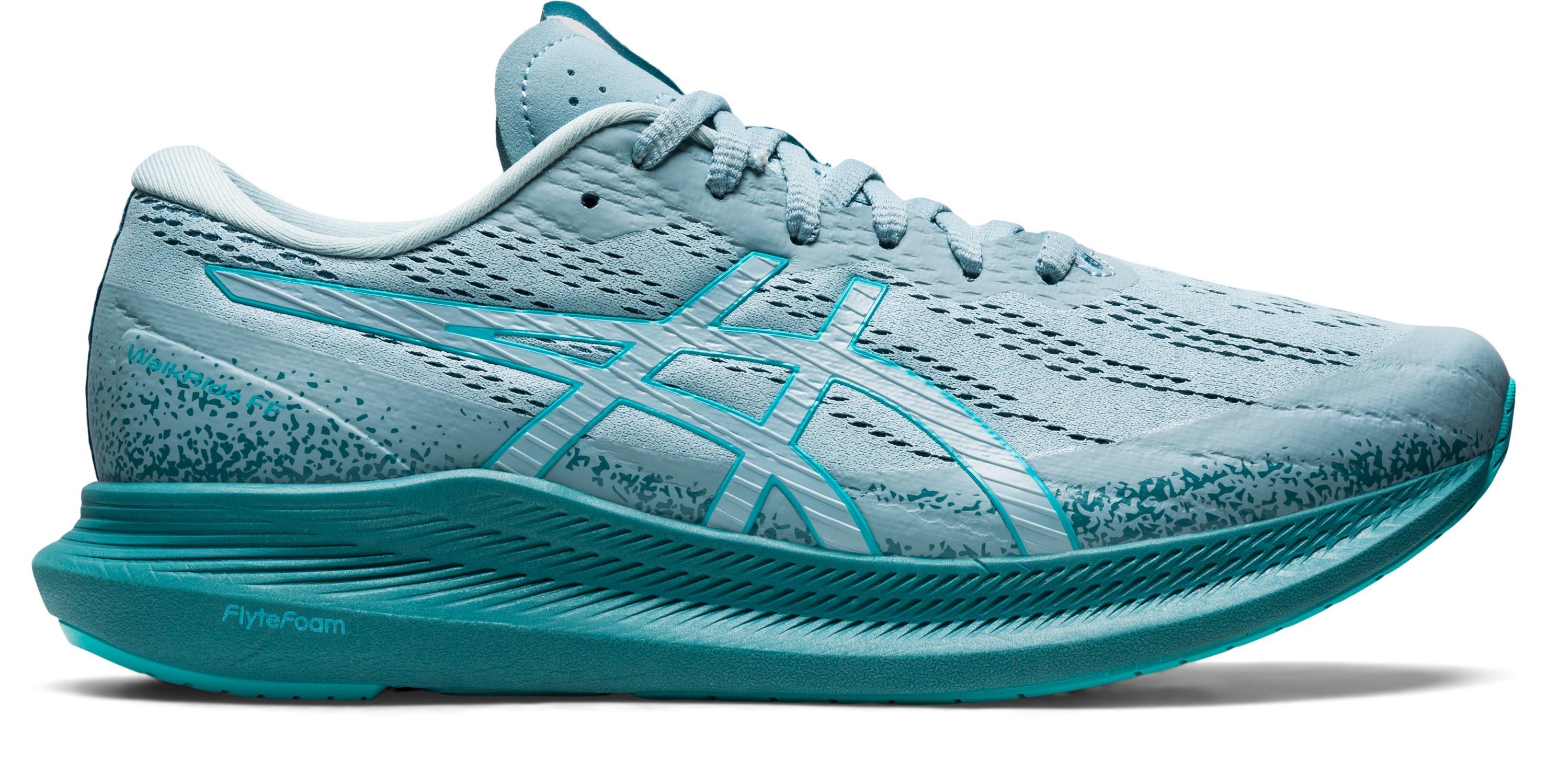
The market for walking shoes is vast, but podiatric recommendations tend to cluster around brands and models that consistently demonstrate a commitment to biomechanical research. Brands like New Balance, Brooks, ASICS, HOKA, and Saucony are perennial favorites in clinical settings and on authoritative review sites like Runner’s World’s “Walk Test” series. For instance, the New Balance 990 series, often hailed as a “dad shoe” in pop culture, is in fact a masterpiece of podiatric engineering, renowned for its exceptional stability and durable construction. HOKA’s Bondi or Clifton lines bring maximal, rocker-shaped cushioning to the fore, a design frequently recommended for those with heel pain or arthritis, as it promotes a smooth heel-to-toe transition. ASICS, with its heritage in motion analysis, produces models like the Gel-Nimbus or Gel-Kayano that offer superb shock absorption. It’s worth noting the perspective of Dr. Brad Schaeffer, a noted podiatrist who often shares insights on footcare on platforms like YouTube. In one of his discussions on daily wear shoes, he emphasizes:
“The best walking shoe is the one that fits your unique foot. Don’t get married to a brand; get married to the fit. Look for a spacious toe box, a secure heel, and support that matches your arch. The right shoe should feel good from the first step, without a ‘break-in’ period that signals conflict with your foot’s mechanics.”
This underscores that while brands have reputations, the final arbiter must always be how the shoe conforms to your individual anatomy.
From Knowledge to Purchase: Securing Value and Fit
Understanding what makes a shoe worthy is half the battle; acquiring it intelligently is the other. First, prioritize fit above all else. Shop for shoes in the afternoon or evening, when your feet are naturally slightly swollen. Wear the socks you intend to walk in. There should be about a thumb’s width of space between your longest toe and the end of the shoe. Your heel should not slip, and the widest part of your foot should align comfortably with the widest part of the shoe. Once you’ve identified the model that fits your podiatric needs—a true podiatrist recommended walking shoe—seek out value. This does not mean simply buying the cheapest option. Consider the cost per mile. A $150 shoe that lasts 500 miles is a better investment than an $80 shoe that breaks down in 200. To access discounted prices, employ several strategies: subscribe to brand newsletters for exclusive promotions, shop during major sale holidays, explore outlet stores or official brand outlet pages online, and consider purchasing previous model years, as the core biomechanical technology often remains consistent while the colorway updates.
Your journey toward all-day comfort is a direct investment in your mobility and long-term well-being. By prioritizing the science-backed criteria that define podiatrist recommended walking shoes, you move beyond guesswork and into the realm of informed, preventative self-care. Let the principles of podiatry guide your selection—seek proper cushioning, structured support, anatomical fit, and durable construction. Then, apply savvy shopping tactics to make this essential health tool accessible. The perfect step awaits, supported from the ground up.

