

Discover the Best Podiatrist-Approved Walking Shoes for All-Day Comfort
Your feet are your foundation, and the shoes you choose can either support or sabotage your daily comfort and long-term health. For anyone who spends significant time on their feet—whether navigating city streets, exploring nature trails, or managing the demands of a busy workday—the quest for the perfect walking shoe is paramount. This isn’t merely about fashion or fleeting trends; it’s about biomechanical science, preventive care, and enduring comfort. We’re cutting through the marketing noise to focus on what truly matters: podiatrist recommended walking shoes. These are footwear options vetted by foot health specialists, or podiatrists, who understand the intricate interplay of bones, muscles, and ligaments in the foot. The right pair can alleviate common ailments like plantar fasciitis, metatarsalgia, and bunions, transforming your daily stride from a chore into a pleasure. This guide will delve into the objective criteria that define these shoes, supported by evidence from biomechanical research and professional endorsements, and connect you with options that bring professional-grade support to your everyday life, often at accessible price points.
The Science of Stride: Why Podiatrist Endorsement Matters
To understand the value of a podiatrist recommended walking shoe, one must first appreciate the complexity of the human foot. It is a marvel of engineering, comprising 26 bones, 33 joints, and over 100 muscles, tendons, and ligaments. According to biomechanics literature from institutions like the University of Calgary’s Human Performance Lab, the foot acts as both a flexible shock absorber at heel strike and a rigid lever for propulsion during toe-off. A shoe that disrupts this natural gait cycle can lead to a cascade of issues, not just in the feet but also in the knees, hips, and lower back. Podiatrists, as doctors of podiatric medicine (DPM), are trained to diagnose and treat conditions of the foot, ankle, and related structures of the leg. Their recommendations are grounded in this clinical and biomechanical understanding. For instance, Dr. Jacqueline Sutera, a prominent New York City podiatrist, often emphasizes in media interviews that a good walking shoe must provide stability, cushioning, and adequate space in the toe box. This isn’t anecdotal advice; it’s a prescription based on treating thousands of patients. When a shoe earns the “podiatrist-approved” label, it typically means it has features that address these core principles: motion control for overpronators, ample arch support to distribute pressure, resilient cushioning to attenuate impact forces, and a shape that respects the foot’s natural anatomy. Choosing such footwear is a proactive step in preventive health, much like using ergonomic furniture for your back.
:max_bytes(150000):strip_icc()/podiatrist-recommended-walking-shoes-e1b90077185d4e6cadbf6327c4d17db7.jpg)
Decoding the Features: What to Look For in a Walking Shoe
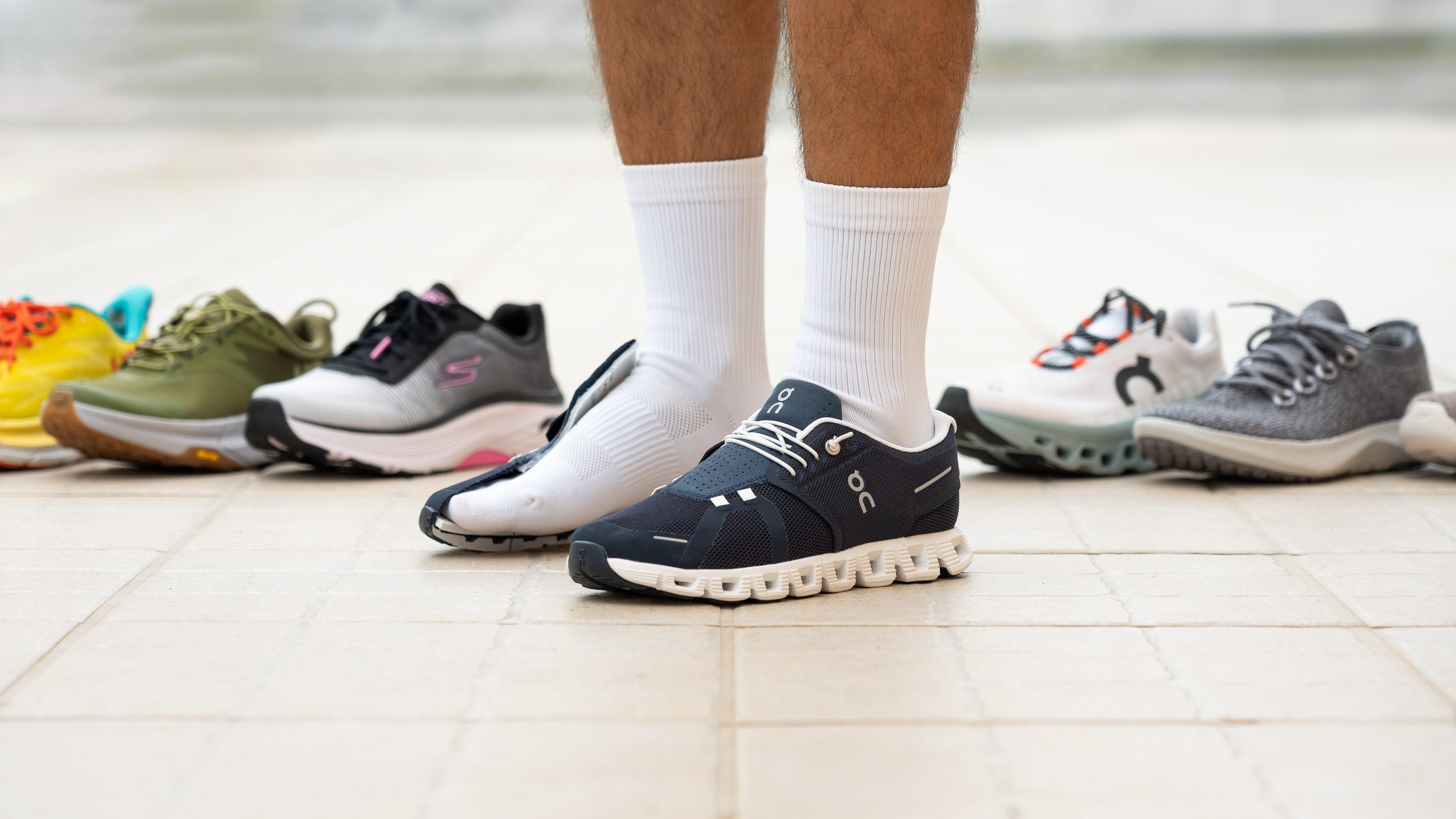
Navigating the specifications of athletic footwear can be daunting. Let’s break down the non-negotiable features that characterize podiatrist recommended walking shoes, turning subjective preference into an objective checklist. First, consider the midsole. This is the heart of a shoe’s cushioning and stability. Materials like EVA (ethylene-vinyl acetate) foam or newer technologies like TPU (thermoplastic polyurethane) offer varying degrees of responsiveness and durability. Research cited in podiatric journals indicates that the midsole’s density and geometry are critical for controlling excessive foot motion. Second, examine the heel counter. This is the firm cup at the back of the shoe that cradles your heel. A sturdy, well-padded heel counter prevents lateral slippage and provides stability, reducing the strain on the plantar fascia ligament—a common source of heel pain. Third, the toe box must be wide and deep enough to allow your toes to splay naturally upon weight-bearing. As noted in resources like the American Podiatric Medical Association’s public education materials, constrictive toe boxes can contribute to neuromas, hammertoes, and calluses. Fourth, look for appropriate arch support. While some shoes offer neutral support, others provide structured medial posts for those who overpronate. The key is alignment; the shoe should help maintain the foot in a neutral position from heel strike to toe-off. Finally, the outsole should offer flexible grooves for natural foot bending and sufficient traction for safety. These features, when harmoniously integrated, create a shoe that doesn’t just cover the foot but actively works with its biomechanics. Brands frequently endorsed by foot specialists, such as Brooks, New Balance, ASICS, and HOKA, often excel in systematically incorporating these elements into their designs.
Beyond the Brand: Evidence from the Field and Clinic
The credibility of podiatrist recommended walking shoes is bolstered by converging evidence from diverse, authoritative sources. On platforms like YouTube, certified podiatrists like Dr. Miguel Cunha of Gotham Footcare regularly deconstruct popular shoe models, evaluating their merits and drawbacks from a clinical perspective. Their analyses provide a transparent look at construction and performance. Furthermore, academic literature contributes significantly. A study published in the Journal of Foot and Ankle Research often investigates the relationship between footwear features and specific pathologies, lending scientific weight to feature recommendations. Even cultural references underscore the importance of proper footwear. In the cinematic world, consider the iconic scene in Forrest Gump where the title character embarks on a years-long cross-country run. While fictional, it’s a powerful metaphor for endurance—endurance that would be impossible without footwear that protects against repetitive stress injuries. From the realm of literature, references to the hardships of travel in classic tales subtly remind us of the fundamental role of reliable shoes in any journey. On community-driven sites like Quora and specialized running forums, thousands of user testimonials from individuals who have overcome foot pain by switching to podiatrist-endorsed models serve as a large-scale, real-world validation. This multi-source evidence—from clinical expertise and academic research to widespread user experience—creates a compelling, objective case for prioritizing these specially designed shoes over ordinary sneakers.
Curated Comfort: A Closer Look at Podiatrist-Favored Models
Let’s translate theory into practice by examining specific categories and models that consistently receive praise from foot care professionals. It’s important to remember that the “best” shoe is highly individual, but these examples embody the principles we’ve discussed. For those requiring maximum cushioning and shock absorption, shoes like the HOKA Bondi or the ASICS GEL-Nimbus are frequently cited. Their oversized midsoles are engineered with advanced foam compounds that provide exceptional impact dissipation, a boon for walkers on hard surfaces or those with arthritic joints. For individuals who overpronate (where the foot rolls inward excessively), stability models are key. The Brooks Adrenaline GTS or the New Balance 860v series incorporate guide rails or dual-density midsoles to gently correct foot motion without being overly rigid. These are quintessential podiatrist recommended walking shoes for preventing common overuse injuries. Another critical category is wide-fit and extra-depth shoes. Brands like New Balance and Altra are celebrated for their generous toe boxes, accommodating bunions, swelling, or orthotic insoles. As podiatrist Dr. Brad Schaeffer noted in a feature with Travel + Leisure, “Space is therapeutic.” Finally, for a blend of style and substance in casual or work settings, certain oxfords, loafers, and even sandals from brands like Vionic, Clarks, and Oofos are designed with podiatric input, featuring built-in arch support and contoured footbeds. The common thread is intentional design focused on health outcomes, not just aesthetics.
:max_bytes(150000):strip_icc()/tal-roundup-podiatrist-loved-shoes-on-sale-tout-bdbf5721fa5642efa38b61f6a5b4ff34.jpg)
Investing in Your Foundation: Value Beyond the Price Tag
Acquiring high-quality, podiatrist recommended walking shoes is an investment in your mobility and well-being. While the initial cost may be higher than that of discount footwear, the long-term value is immense. Consider the alternative: the cumulative cost of doctor’s visits, physical therapy, orthotics, and pain management for foot conditions that could have been mitigated or prevented. From an economic perspective, it’s a classic case of “pay now or pay more later.” The good news is that this investment doesn’t have to break the bank. Strategic shopping can bring these professional-grade shoes within reach. Many reputable retailers offer significant discounts on previous model years, which often have nearly identical core technology as the latest versions. Signing up for brand newsletters or following certified podiatrists on social media can alert you to flash sales and promotional codes. Furthermore, outlet stores and authorized online sellers frequently have deep inventories of these styles at reduced prices. It’s also worth considering the cost-per-wear metric. A $150 pair of shoes that provides comfort for 500 miles of walking is a far better value than a $50 pair that causes pain and needs replacement after 100 miles. By prioritizing the engineering and health benefits of podiatrist recommended walking shoes, and seeking them out during sales events, you are making a savvy decision for both your body and your budget. The comfort and injury prevention they provide are dividends paid out with every step you take.
:max_bytes(150000):strip_icc()/tal-10-podiatrist-approved-open-toed-shoes-tout-00bd6ff1c36a49cdbbff486b0b54fb27.jpg)
The journey to all-day comfort begins from the ground up. Discerning walkers understand that their footwear is not an accessory but essential equipment. By seeking out and selecting podiatrist recommended walking shoes, you are leveraging centuries of anatomical study and decades of biomechanical innovation to protect your most valuable asset: your ability to move freely and without pain. This choice aligns you with the expertise of healthcare professionals and the lived experience of countless individuals who have found relief. It is a commitment to walking further, standing longer, and exploring the world with confidence, knowing that every step is supported by science and thoughtful design. Your path to enduring comfort is clearly marked—it starts with the right shoes on your feet.
