

The Ultimate Guide to Womens Sneakers for 2023
This year, the landscape of women’s sneakers 2023 is defined by a powerful convergence of technology, sustainability, and unapologetic personal style. We are moving beyond the sneaker as mere athletic gear or a simple fashion accessory; it has become a holistic statement of values, comfort, and identity. The choices available are not just about color or brand, but about the engineering of your stride, the ethics of production, and the versatility to transition from a morning run to an evening out. This guide cuts through the noise to deliver a focused, evidence-backed analysis of the trends, technologies, and key models that are defining the year. We will equip you with the knowledge to make an informed investment in your footwear, blending professional insight with an eye for value.
The Pillars of Modern Performance: Technology and Biomechanics
The foundation of any great sneaker lies in its construction, and 2023 sees advanced materials and biomechanical research taking center stage. The era of one-size-fits-all cushioning is over. Brands are now leveraging peer-reviewed research from institutions like the University of Calgary’s Human Performance Laboratory to develop differentiated foam compounds. For instance, energy-return foams, often described with proprietary names like Nike’s ZoomX or Adidas’s Lightstrike Pro, are formulated to recycle impact force into forward momentum. This isn’t just marketing jargon; a 2020 study published in the Journal of Sports Sciences highlighted that specific midsole geometries and foam densities can significantly reduce metabolic cost during running. Furthermore, the focus on sustainability has driven innovation in materials. Brands like Allbirds popularized merino wool and tree-based fibers, but the frontier has expanded. Piñatex, a leather alternative made from pineapple leaf fibers, and Mylo, a lab-grown leather derived from mycelium (mushroom roots), are now being incorporated into uppers of premium women’s sneakers 2023. This shift represents a tangible move towards circular design principles, reducing reliance on virgin plastics and animal products without compromising on durability or aesthetics.
Sustainability: From Buzzword to Core Engineering Principle
Once a niche concern, sustainability is now a non-negotiable pillar in footwear design, fundamentally altering supply chains and material science. The discourse has evolved from simple recycling programs to “cradle-to-cradle” design philosophy, which considers the entire lifecycle of a product. As environmental activist and author Lauren Singer, known for fitting years of trash into a single jar, stated on her platform, “True sustainability isn’t about buying ‘green’ products; it’s about supporting systems designed for regeneration from the outset.” This philosophy is manifesting in sneakers through several key approaches. First, there is a push for mono-material construction, where the entire shoe is made from a single, easily recyclable material type, simplifying end-of-life processing. Second, brands are increasing the use of post-consumer recycled (PCR) content, such as polyester from plastic bottles or rubber from old tires, in outsoles and uppers. Third, pioneering companies are exploring biodegradable components for shoes meant to have a shorter lifespan. This isn’t merely ethical; it’s a response to a consumer base that, according to numerous NielsenIQ reports, increasingly votes with its wallet for transparent and responsible brands. When evaluating your next pair, looking beyond the “eco-friendly” tag to the specifics of material composition and corporate transparency reports is crucial.
The 2023 Style Archetypes: Form Meets Multifunction
The aesthetic trends for women’s sneakers 2023 reject rigid categorization, embracing hybridity and context-fluid design. We can identify several dominant archetypes that encapsulate the mood of the year. The “Technical Heritage” model takes classic, often retro, silhouettes and infuses them with contemporary performance materials—think a 1980s running shoe outline but with a seamless knit upper and a modern, responsive foam midsole. This trend speaks to a desire for nostalgia coupled with a demand for current comfort standards. Conversely, the “Minimalist Sculptural” trend focuses on clean, often monochromatic lines and exaggerated, organic geometries. Brands like Maison Margiela with their Tabi split-toe sneaker or various avant-garde designers create pieces that are as much wearable art as they are footwear, challenging conventional silhouettes. Finally, the “All-Terrain Ready” style continues its rise, characterized by rugged outsoles, water-resistant materials, and a robust, layered look. This archetype, popularized by the “gorpcore” fashion movement, blurs the line between hiking boot and street sneaker, prioritizing preparedness and texture. It reflects a cultural shift towards utility and adventure, even in an urban context.
Investment Pieces vs. Accessible Trends: Navigating the Market
With such a diverse market, strategic purchasing is key. An investment piece is characterized by timeless design, exceptional construction quality, and material integrity that ensures longevity. For example, a hand-stitched leather sneaker from a brand like Common Projects or Axel Arigato, while carrying a higher upfront cost (often ranging from $300-$500), offers a classic silhouette that transcends seasonal trends and, with proper care, can last for years. The cost-per-wear becomes minimal. On the other end, fast-fashion iterations of trendy styles like chunky soles or specific color-blocking allow for experimentation at a lower financial commitment (typically $50-$120). The key is balance. Allocate a portion of your budget to a versatile, high-quality neutral pair—a white leather or grey suede sneaker is a perennial wardrobe anchor—then supplement with trend-driven pieces. Keep an eye on end-of-season sales from premium retailers or direct-to-consumer brands, which often offer previous season’s colorways of core models at 25-40% discounts. Remember, the most sustainable and economical choice is often the well-made shoe you wear for a long time.
Curating Your Rotation: A Practical Framework
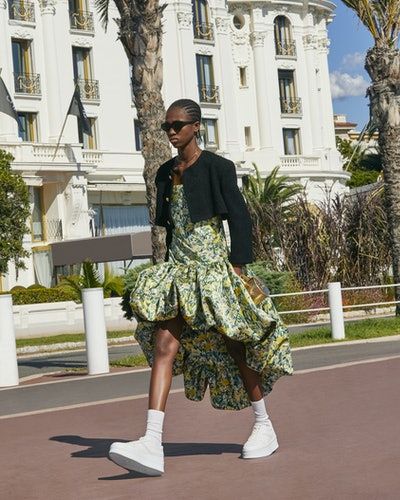
Building a thoughtful sneaker rotation is akin to building a toolkit; each pair serves a distinct purpose. We recommend a foundational trio. First, a dedicated performance pair selected based on your primary activity. For running, this requires a gait analysis—many specialty running stores offer this service—to determine if you need stability, neutral, or cushioning-focused shoes. Brands like Brooks, Asics, and Hoka One One excel here, with prices for serious running models typically between $140-$180. Second, a versatile lifestyle pair that acts as a workhorse. This could be a sleek, low-profile design from Veja (their Campo or Esplar models are icons, retailing around $150) or a New Balance 574. This shoe should handle walking, casual outings, and light travel with ease. Third, a statement or trend-led pair that expresses your personal style, whether that’s a bold color, an unconventional material, or a chunky silhouette. This is where you engage with the current dialogue of women’s sneakers 2023. By segregating function, you extend the life of each pair; running shoes lose their cushioning properties after approximately 300-500 miles and should be retired from athletic use to preserve their structural integrity and protect your joints.

The Future on Your Feet: What’s Next?
Looking beyond the immediate horizon, the trajectory points towards even greater personalization and technological integration. We are already seeing the seeds of this future: 3D printing allows for midsoles and uppers to be tailored to an individual’s foot scan, promising a perfect fit that off-the-shelf models cannot match. Smart sneakers, embedded with sensors that track gait metrics, weight distribution, and even suggest corrective exercises, are transitioning from concept to commercial reality, albeit at a premium price point. Furthermore, the concept of “digital fashion” and NFTs linked to physical products is beginning to touch the sneaker world, creating new layers of ownership and community. As fashion historian Dr. Valerie Steele, Director of The Museum at FIT, noted in a recent lecture, “Footwear has always been a profound indicator of social and technological change. The sneaker, in its modern form, encapsulates our era’s obsessions: speed, data, individuality, and a conscious relationship with the planet.” The choices you make today in selecting your women’s sneakers 2023 are a participation in this ongoing evolution.
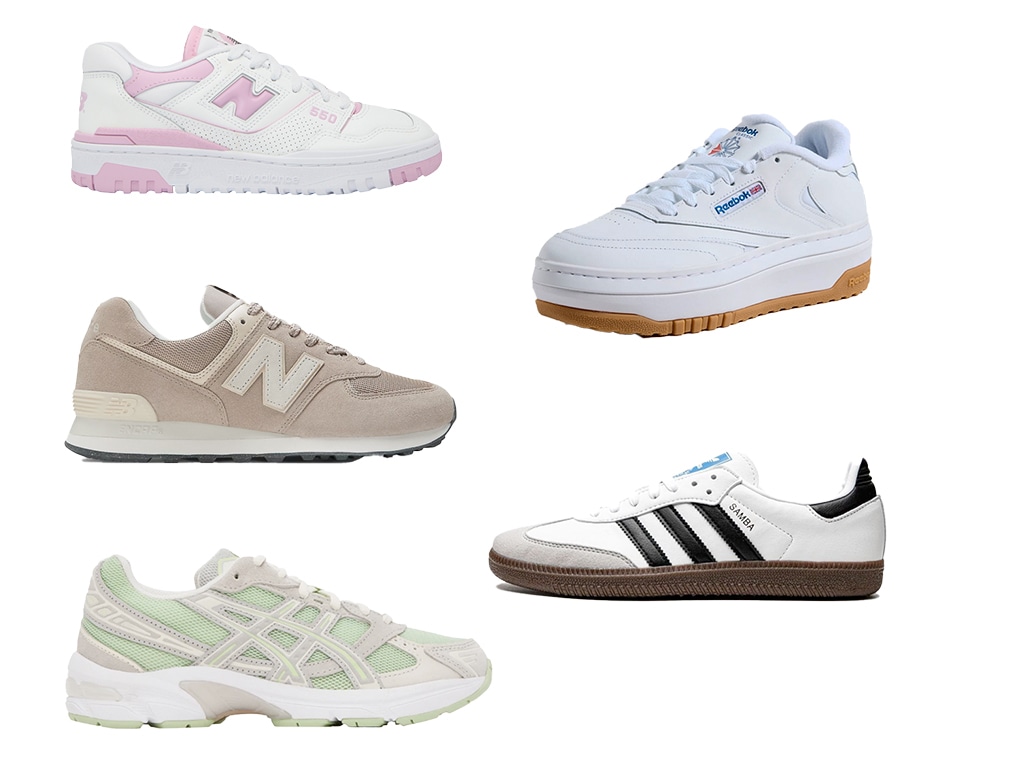
The journey through the world of contemporary sneakers reveals a category rich with intention and innovation. It is no longer sufficient for a shoe to simply look good or feel comfortable in isolation; the modern standard demands a synthesis of both, built upon a foundation of responsible creation. From the lab-developed foam underfoot to the ethically sourced materials that hug your foot, each element tells a story of progress. Armed with an understanding of the core pillars—performance technology, sustainable ethics, and versatile style archetypes—you can navigate the vast market with confidence. Your selection becomes a deliberate act, a fusion of personal need, aesthetic desire, and aligned values, ensuring that every step you take is supported, stylish, and sound.
