

The Ultimate Guide to Podiatrist-Approved Walking Shoes for Everyday Support
Walking is one of the most fundamental human movements, yet we often overlook the importance of proper footwear in supporting this daily activity. The right pair of shoes can mean the difference between a comfortable, energizing stride and a painful, injury-prone one. This guide delves into the science and expertise behind podiatrist recommended walking shoes, offering you a comprehensive resource to make informed decisions. We’ll explore the anatomical principles, material technologies, and design philosophies that define footwear worthy of professional endorsement. Whether you’re an urban commuter, a fitness walker, or someone seeking relief from foot discomfort, understanding what makes a shoe truly supportive is the first step toward long-term foot health and overall well-being. The journey to better walking begins from the ground up, and it starts with choosing shoes that are engineered to work in harmony with your body’s mechanics.
:max_bytes(150000):strip_icc()/tal-roundup-podiatrist-loved-shoes-on-sale-tout-bdbf5721fa5642efa38b61f6a5b4ff34.jpg)
The Foundation: Why Podiatrist Endorsement Matters
Podiatrists, or doctors of podiatric medicine, specialize in the diagnosis, treatment, and prevention of disorders of the foot, ankle, and related structures of the leg. Their recommendation is not a mere marketing tag but a seal of biomechanical approval. When a podiatrist advocates for a specific type of shoe, they are validating its design against a rigorous understanding of foot anatomy and gait cycle pathology. According to resources like the American Podiatric Medical Association (APMA), improper footwear is a leading contributor to common ailments such as plantar fasciitis, bunions, metatarsalgia, and Achilles tendonitis. A podiatrist recommended walking shoe is specifically designed to mitigate these risks. It provides structured arch support to prevent overpronation or supination, features a deep heel cup to stabilize the calcaneus, and offers adequate toe box room to allow for natural toe splay and prevent neuromas. The objective is alignment: ensuring that from heel strike to toe-off, the bones, muscles, and ligaments of your foot and leg are functioning as efficiently and stress-free as possible. This professional perspective moves beyond superficial comfort to address the long-term structural integrity of your musculoskeletal system.
Consider the analogy from architecture: you wouldn’t build a skyscraper on a weak foundation. Similarly, your body is the structure, and your feet are the foundation. Podiatrist recommended walking shoes act as the reinforced, shock-absorbing base that distributes load evenly. This is why many of these shoes earn the APMA Seal of Acceptance, a recognition granted only to products found to promote good foot health. The endorsement is a filter, separating gimmicky fashion footwear from genuinely therapeutic designs. In an era of overwhelming choice, this professional curation is invaluable. It directs you toward shoes that have been scrutinized for their heel counter rigidity, midsole compression resistance, and outsole traction patterns—factors invisible to the untrained eye but critical for everyday support.
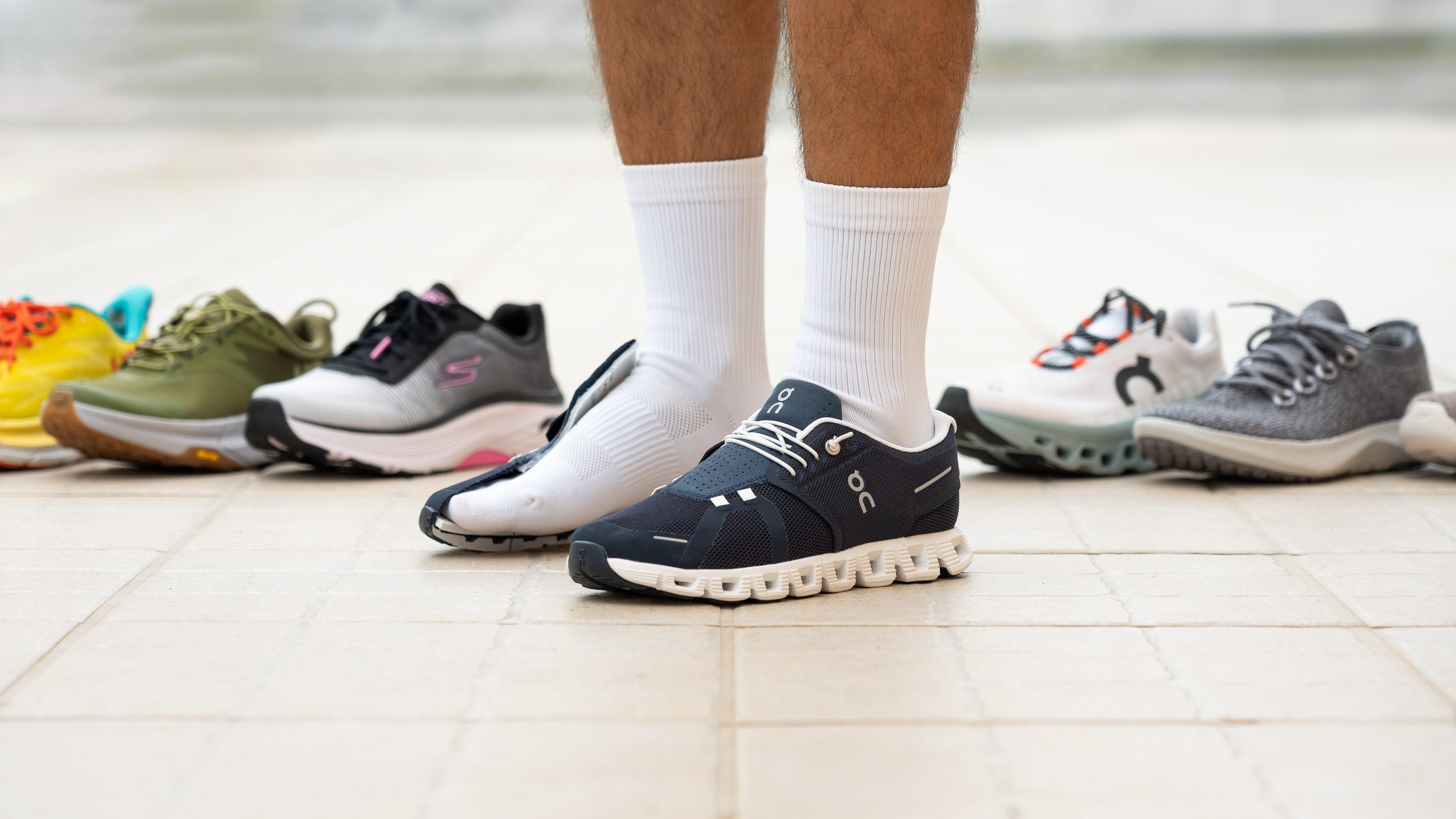
Deconstructing the Ideal Walking Shoe: A Feature-by-Feature Analysis
To understand what sets podiatrist recommended walking shoes apart, we must dissect their anatomy. Each component serves a specific biomechanical purpose.
1. The Last and Toe Box: Where Your Feet Breathe and Move
The “last” is the three-dimensional mold around which a shoe is built. Podiatrist-favored shoes often use a “straight” or “semi-curved” last, which better aligns with the natural shape of the foot compared to a sharply pointed “fashion” last. The toe box, the front part of the shoe enclosing the toes, must be high and wide enough to prevent compression. As noted on platforms like Quora and in discussions among long-distance hikers, cramped toe boxes are a primary cause of blisters, corns, and hallux valgus (bunions). A proper toe box allows your toes to lie flat and spread naturally during the push-off phase of walking, which enhances stability and power. Brands like Altra have built their entire philosophy around “FootShape” toe boxes, a design frequently praised by biomechanics experts for promoting natural foot positioning.
2. Midsole and Arch Support: The Shock Absorption System
This is the heart of a walking shoe. The midsole, typically made from EVA (ethylene-vinyl acetate) foam, polyurethane, or newer technologies like Brooks’ DNA LOFT or ASICS’ FlyteFoam, is responsible for cushioning and stability. For a podiatrist recommended walking shoe, the cushioning must be balanced—neither too soft (which can destabilize the foot) nor too firm (which can transmit excessive impact). The arch support is integrated here. It is not a one-size-fits-all insert; proper shoes offer varying levels of support (neutral, stability, motion control) to match different arch types (high, neutral, low/flat). A study cited in the Journal of Foot and Ankle Research underscores that appropriate arch support reduces strain on the plantar fascia ligament. The goal is to maintain the foot’s medial longitudinal arch, preventing it from collapsing inward (overpronation), a major biomechanical fault.

3. Heel Counter and Heel-to-Toe Drop
The heel counter is the rigid cup at the back of the shoe that cradles the heel bone. A firm, well-padded counter is non-negotiable in podiatrist-approved footwear. It prevents excessive heel movement, reducing friction (and thus blisters) and providing essential stability for the ankle joint. The “heel-to-toe drop” or “offset” is the height difference between the heel and forefoot. Traditional walking shoes often have a drop of 8-12mm, which can help alleviate strain on the Achilles tendon for some individuals. However, a growing school of thought, supported by some podiatrists and biomechanists, advocates for lower drops (0-6mm) to encourage a more natural, midfoot strike gait. The “correct” drop is highly individual, depending on your gait, flexibility, and any existing conditions—a point frequently emphasized by physical therapists on YouTube channels dedicated to running and walking form.
4. Outsole and Flexibility
The outsole provides traction and durability. A good walking shoe outsole uses carbon rubber in high-wear areas (like the heel) for longevity. The flex grooves must be strategically placed to allow the shoe to bend at the metatarsophalangeal (MTP) joints—the ball of your foot—where your foot naturally wants to flex. A shoe that bends in the middle of the arch, rather than at the ball, works against your foot’s mechanics and can lead to arch strain. This principle is a staple in footwear design textbooks and is a key checkpoint during a podiatrist’s evaluation of a shoe’s biomechanical friendliness.
Beyond the Shoe: The Synergy of Fit, Socks, and Professional Insight
Even the most technologically advanced podiatrist recommended walking shoe will fail if it doesn’t fit perfectly. The fitting process is a ritual. Your feet swell throughout the day, so always get fitted in the afternoon or evening. There should be a thumb’s width (about half an inch) of space between your longest toe (which isn’t always the big toe) and the end of the shoe. Width is equally critical; you should be able to slightly pinch the material over the midfoot, but not feel side-to-side compression. Don’t assume your size; have both feet measured, as asymmetry is common. Pair your shoes with quality socks made from moisture-wicking materials like merino wool or synthetic blends to manage sweat and reduce blister risk. Furthermore, consider consulting a podiatrist or a certified pedorthist for a professional gait analysis. They can identify subtle imbalances and recommend not just a category of shoe, but specific models with the exact combination of cushioning, stability, and fit your unique biomechanics require. This personalized approach transforms shoe buying from a guessing game into a precise, health-focused decision.
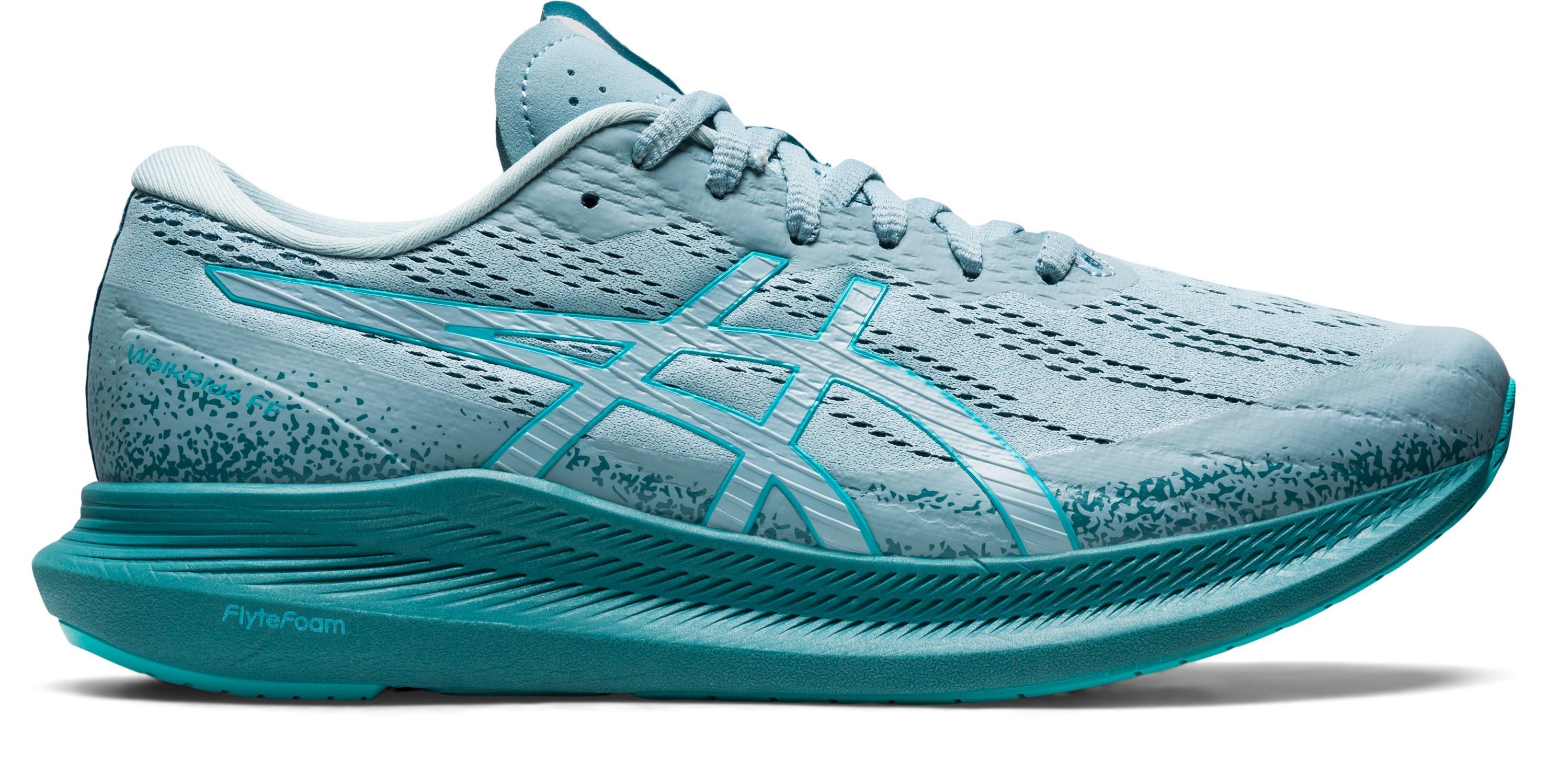
Making the Smart Choice: Where Value Meets Vital Support
Quality footwear is an investment, but it need not break the bank. The key is knowing where to allocate your budget. Prioritize spending on the structural components we’ve discussed: a supportive last, a quality midsole, and a sturdy heel counter. Many reputable brands offering podiatrist recommended walking shoes—such as Brooks, New Balance, ASICS, HOKA, and Saucony—have previous-season models or colorways available at significant discounts (often 20-40% off) on their official websites or authorized retailers. Websites like Runner’s World and Wirecutter routinely publish “Best Walking Shoes” lists and sale roundups, helping you identify top-performing models that are now on sale. Remember, the most expensive shoe is not necessarily the best for you; the one that correctly addresses your individual foot shape and gait pattern is. Consider the cost per mile: a $120 shoe that lasts for 500 miles of comfortable, injury-free walking is a far better value than a $60 shoe that causes pain and needs replacement after 200 miles. Your mobility and comfort are priceless, and the right shoes are the most direct and effective tool to preserve them.
:max_bytes(150000):strip_icc()/shp-best-brooks-walking-shoes-tout-f67df3ab5afa4c08a24a63ae6dca3444.jpg)
Your daily walk is more than just transportation or exercise; it’s a dialogue between your body and the ground. The shoes you wear are the interpreters of that conversation. Choosing podiatrist recommended walking shoes means selecting an interpreter that speaks the language of anatomy, biomechanics, and long-term health fluently. It is a deliberate choice to prioritize function, to seek evidence over hype, and to view footwear as essential equipment for the lifelong journey of movement. Start with this knowledge, try on multiple pairs with the detailed criteria in mind, and step forward with confidence, knowing your foundation is solid, supported, and scientifically sound.
