

The Ultimate Guide to Podiatrist-Approved Walking Shoes for All-Day Support
Your feet are your foundation, and the shoes you choose for walking can either build up or break down your entire musculoskeletal system. This isn’t about fleeting fashion trends; it’s about the long-term health of your feet, knees, hips, and back. The right pair of walking shoes acts as essential equipment, not just an accessory. This guide cuts through the marketing noise to deliver the objective, science-backed criteria that define a truly supportive shoe, directly informed by the principles of podiatric medicine. We’re moving beyond generic advice to explore the specific engineering and design features that earn a shoe the distinction of being podiatrist recommended walking shoes. Whether you’re navigating city streets, office corridors, or park trails, the goal is unwavering, all-day support that prevents fatigue and injury.
The Non-Negotiable Anatomy of a Supportive Walking Shoe
To understand what makes a shoe worthy of a podiatrist’s endorsement, we must dissect its anatomy. A podiatrist recommended walking shoes is not defined by brand alone but by a confluence of structural elements working in harmony. First, consider the heel counter: the firm cup at the back of the shoe that cradles your heel. According to biomechanics literature from institutions like the University of Calgary’s Human Performance Lab, a rigid, well-structured heel counter is paramount for stabilizing the rearfoot, preventing excessive inward rolling (overpronation) or outward rolling (supination), which are primary culprits in conditions like plantar fasciitis and Achilles tendinitis. Next is the midsole, the shoe’s engine of cushioning and stability. Materials like EVA (ethylene-vinyl acetate) foam or proprietary compounds like Brooks’ DNA LOFT or ASICS’ GEL provide shock attenuation. However, cushioning without structure is futile. This is where the medial post comes in—a denser section of foam on the inner side of the midsole designed to control pronation. As noted in podiatric forums and educational resources, this feature is critical for those with flat feet or flexible arches. Finally, the last—the shape upon which the shoe is built—must match your foot type. A straight-lasted shoe offers more stability for overpronators, while a curved last suits high-arched, underpronating feet. Ignoring these anatomical integrations is like building a house on a flawed foundation; eventually, the structure above will suffer.

Debunking the “Comfort” Myth: Science Over Sensation
Walk into any store, and the first test is often the “comfort” feel. This immediate, plush sensation can be dangerously deceptive. A shoe that feels like a pillow underfoot may lack the necessary structural integrity for sustained walking. Podiatrists frequently warn against this, as highlighted in discussions on platforms like Quora and professional podiatry blogs. The initial cloud-like comfort often comes from an excessively soft midsole that compresses quickly, failing to provide consistent support or proper energy return. Over hours, this leads to muscular fatigue as your feet and legs work harder to stabilize. True, therapeutic comfort in podiatrist recommended walking shoes is about balanced support—a synergy of cushioning, stability, and fit that may not feel “soft” initially but prevents pain after mile three or hour eight. Consider the analogy from renowned author and walker Rebecca Solnit in her book “Wanderlust: A History of Walking”: walking is a state of mind, but it is first a state of the body, dependent on a physical foundation that doesn’t protest. The science from the American Podiatric Medical Association (APMA) supports this, emphasizing that shoes bearing their Seal of Acceptance meet rigorous standards for function, not just fleeting feel. A shoe’s purpose is to manage forces; during walking, your foot absorbs 1.2 to 1.5 times your body weight with each step. A scientifically designed shoe distributes this force efficiently, protecting joints up the kinetic chain.
Foot Typing: The First Step to Your Perfect Shoe
You wouldn’t buy glasses without a prescription, so why buy shoes without knowing your foot type? This is the cornerstone of finding podiatrist recommended walking shoes. The “wet test” is a classic, accessible method: wet your foot and step onto a paper bag or dark cardboard. The resulting imprint reveals your arch type. A full imprint indicates a low arch or flat foot (overpronator), a imprint with a narrow band connecting heel and forefoot shows a normal arch (neutral), and a imprint with almost no middle section suggests a high arch (underpronator or supinator). This self-assessment is corroborated by resources from authoritative sources like the Mayo Clinic and Wikipedia’s entries on foot morphology. For overpronators, the search is for motion control or stability shoes with firm midsoles and structured support. Brands like New Balance and Brooks often excel here. Neutral runners with a normal arch have the widest selection but should still prioritize adequate cushioning and a moderate heel counter. High-arched supinators need highly cushioned, flexible shoes to aid in natural shock absorption, which their rigid feet may not provide adequately; think HOKA or certain ASICS models. This isn’t mere categorization; it’s applied biomechanics. As noted by Dr. Miguel Cunha, a podiatrist frequently cited in media outlets, wearing shoes that counteract your specific biomechanical tendencies is a primary form of preventive care, reducing abnormal stress on soft tissues and bones.
:max_bytes(150000):strip_icc()/I-Asked-Podiatrists-for-Their-Fall-Shoe-Recommendations-These-Are-Their-Top-8-Picks-8fbdf9d65f3a4228ae63f6e5253dc08c.jpg)
The Material World: How Innovation Translates to Support
The evolution of shoe materials is a direct response to podiatric needs. Gone are the days of simple leather and rubber. Today’s podiatrist recommended walking shoes incorporate advanced textiles and compounds engineered for specific functions. Take engineered mesh uppers: they provide targeted breathability and stretch where needed, offering a adaptive, sock-like fit without sacrificing structure. This addresses the common issue of blisters and hot spots caused by friction. In the midsole, dual-density foams are key. A softer foam for cushioning might be paired with a firmer, more resilient foam for durability and stability, especially in the medial post area. Some brands utilize guide rails or plates not for propulsion like running shoes, but for gentle guidance of the foot’s natural gait cycle, preventing excess movement. The outsole rubber is equally critical. Carbon rubber in high-wear areas (like the heel) offers exceptional durability, while blown rubber in the forefoot provides lighter weight and better flexibility for the toe-off phase. These material choices aren’t arbitrary; they are the result of research and development often conducted in collaboration with sports medicine professionals. As highlighted in reviews and white papers from university biomechanics labs, the right material composition can extend the functional life of the shoe well beyond its aesthetic life, ensuring support doesn’t degrade prematurely.
Beyond the Shoe: The Synergy of Socks and Insoles
Even the most perfectly designed podiatrist recommended walking shoes can be undermined by poor ancillary choices. Your socks are your shoe’s first layer of management. Cotton, while natural, retains moisture, leading to maceration, blistering, and fungal growth. Podiatrists and seasoned hikers alike advocate for synthetic blends (like polyester or olefin) or natural technical fibers like merino wool, which wick moisture away from the skin. The seam construction is also vital; look for seamless toes or flat, non-abrasive seams to eliminate friction points. Then come insoles. While many shoes include decent stock footbeds, they are often generic compromises. For individuals with specific needs—like severe overpronation, extremely high arches, or conditions such as metatarsalgia—custom or over-the-counter orthotics can be transformative. These are not mere cushions but biomechanical devices that correct alignment and redistribute pressure. As stated by The College of Podiatry in the UK, orthotics work by altering the angles at which the foot strikes the ground, making them a potent tool for managing pain. The synergy is clear: a well-structured shoe provides the stable platform, a moisture-wicking sock manages the microclimate, and a quality insole fine-tunes the fit and function. This triad creates an environment where your feet can function as nature intended, free from preventable stress.
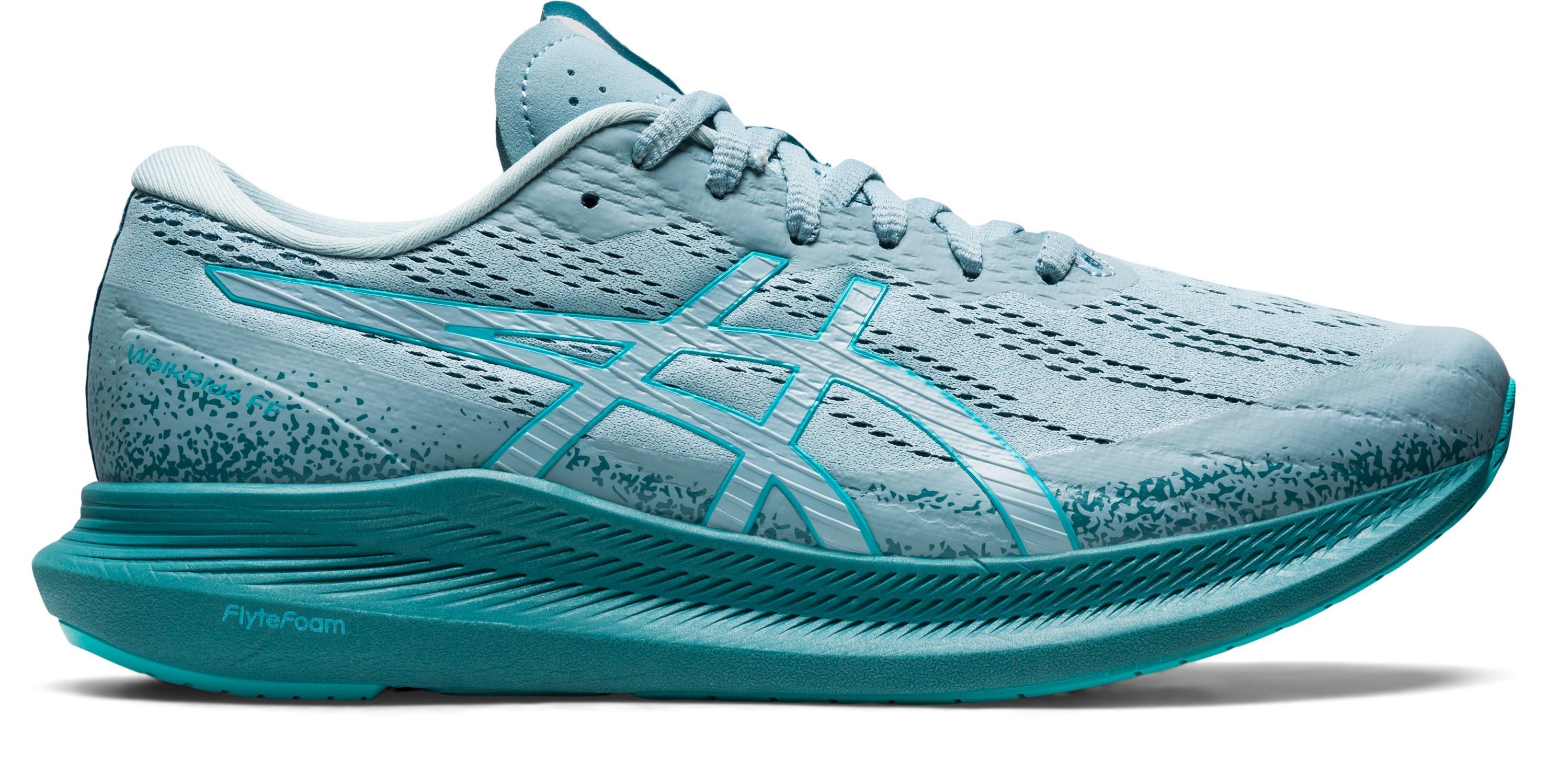
The Lifespan of Support: Knowing When to Retire Your Shoes
A critical, often overlooked aspect of foot health is shoe longevity. Support degrades invisibly. The midsole foam, the heart of the shoe’s cushioning and stability, compresses and loses its resiliency long before the outsole is visibly worn or the upper looks old. The general podiatric guideline is to replace walking shoes every 300 to 500 miles. For someone walking 5 miles a day, 5 days a week, that’s a replacement every 3 to 4 months. This isn’t a ploy by manufacturers; it’s biomechanical necessity. Research from the University of Pittsburgh’s Human Energy Research Laboratory demonstrates that worn shoes alter lower extremity kinematics and increase impact forces. Continuing to use shoes past their functional prime is a direct risk factor for overuse injuries. Monitor your shoes for signs of aging: creasing or compression in the midsole, loss of bounce-back when you press your thumb into it, or uneven wear patterns on the outsole. More importantly, listen to your body. The return of niggling aches in your feet, shins, or knees after walks can be the clearest indicator that your podiatrist recommended walking shoes have served their term. Investing in a new pair is not an expense; it’s an investment in continued pain-free mobility.
Curating Your Options: A Framework for Smart Selection
With the principles established, how do you navigate the marketplace? Start by prioritizing brands with a documented history of collaboration with podiatrists and biomechanists, and those that consistently earn the APMA Seal of Acceptance. This seal is a tangible filter. When trying shoes, do so in the afternoon or evening, as feet naturally swell throughout the day. Wear the socks you intend to use with them. There should be a thumb’s width (about 1/2 inch) of space between your longest toe and the end of the shoe to allow for natural foot spread and swelling during walking. The shoe should feel secure at the heel and midfoot, with room for your toes to wiggle freely. Don’t just stand—walk on a hard surface in the store, if possible. Pay attention to any pinching, slipping, or pressure points. Remember, the goal is harmony, not just size. As the famous shoemaker and author of “The Perfect Fit”, Dr. William A. Rossi, once noted, “The shoe must adapt to the foot, not the foot to the shoe.” This philosophy is the bedrock of finding true podiatrist recommended walking shoes. Furthermore, take advantage of robust return policies from reputable retailers. A true test often requires a few longer walks, and companies that stand behind their products understand this.
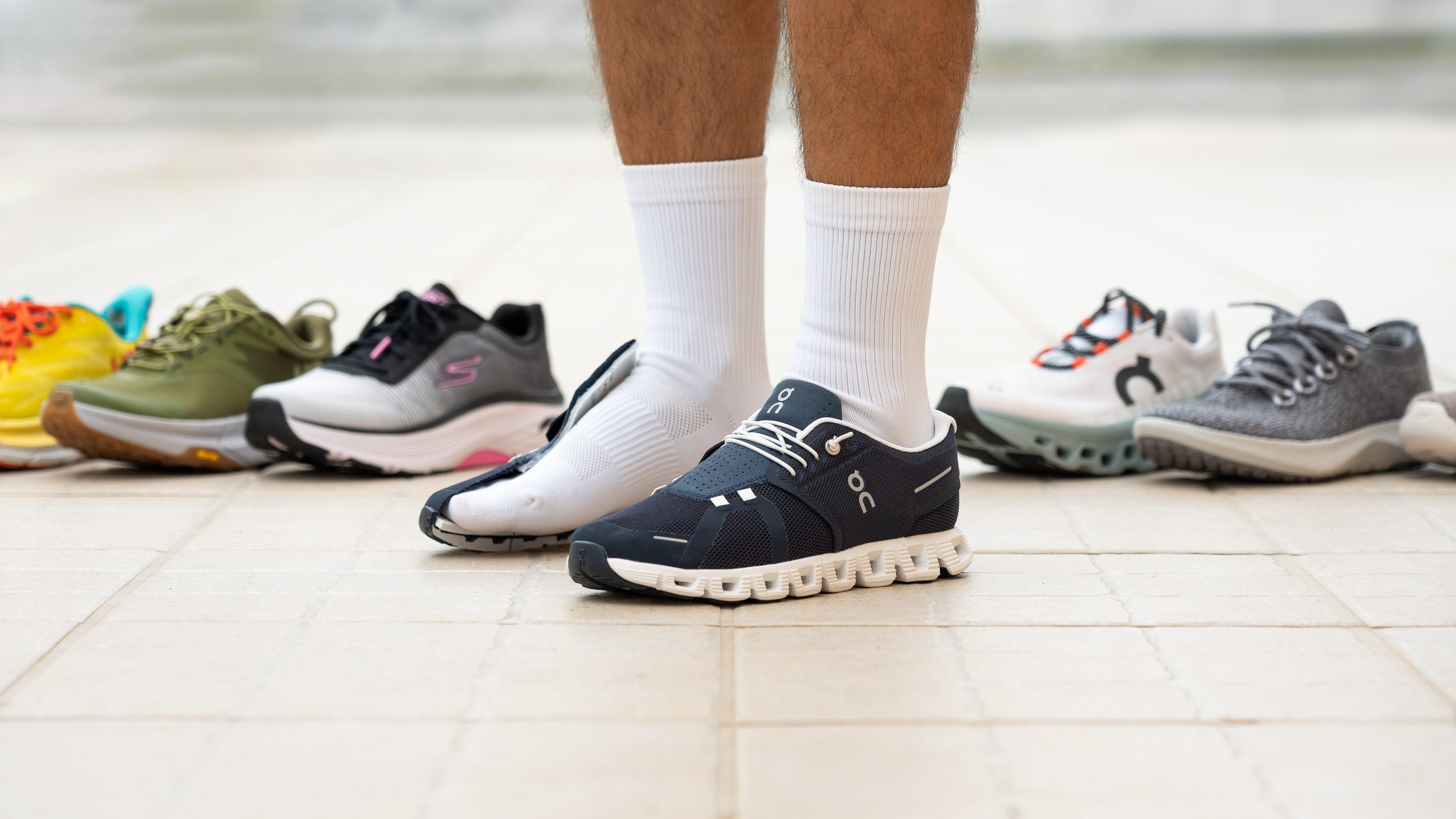
Your journey toward all-day support culminates in a conscious choice—a choice to prioritize long-term biomechanical health over short-term trends or initial impressions. The right walking shoe is a tool for preservation, enabling you to move through your world with confidence and without compromise. By applying the objective, podiatrist-informed criteria outlined here—from understanding your foot type and the shoe’s anatomy to respecting its functional lifespan—you empower yourself to make an informed selection. This isn’t about purchasing a product; it’s about investing in the foundation of your mobility. When your feet are properly supported, every step becomes an affirmation of care, propelling you forward in comfort and health for miles and years to come.
