

Discover the Top Podiatrist Recommended Walking Shoes for Ultimate Comfort and Support
In a world where we are constantly on our feet, the importance of proper footwear cannot be overstated. Every step we take sends shockwaves through our bodies, and without adequate protection and support, the cumulative effect can lead to a host of foot, ankle, knee, and even back problems. This is not merely anecdotal; it is a principle grounded in biomechanics and supported by medical professionals worldwide. Podiatrists, the medical specialists dedicated to the study, diagnosis, and treatment of disorders of the foot, ankle, and lower extremity, consistently emphasize that the right shoe is a cornerstone of preventive care. Their recommendations are not based on fleeting fashion trends but on rigorous criteria designed to promote foot health, enhance comfort, and provide stability. This article delves into the science and expertise behind podiatrist recommended walking shoes, exploring why specific features are non-negotiable, how they benefit different foot types and conditions, and where you can find these crucial pieces of footwear, often at surprisingly accessible prices. We will move beyond marketing claims to understand the objective benchmarks that separate a good walking shoe from a truly great, health-supportive one.
The Foundation of Foot Health: Why Podiatrist Recommendations Matter
To understand the value of a podiatrist’s advice, one must first appreciate the complexity of the human foot. It is a marvel of engineering, comprising 26 bones, 33 joints, and over 100 muscles, tendons, and ligaments. This intricate structure must absorb and distribute forces equivalent to several times our body weight with each step. When this system is compromised—by ill-fitting, unsupportive, or worn-out shoes—the consequences are systemic. Dr. Jane Andersen, a past president of the American Association for Women Podiatrists, has often stated in interviews and on platforms like Healthline that “shoes are the foundation of your body’s alignment.” A poor foundation, she argues, can lead to misalignments that travel up the kinetic chain, manifesting as plantar fasciitis, Achilles tendinitis, bunions, metatarsalgia, and stress fractures. The criteria podiatrists use are therefore holistic. They look for shoes with adequate arch support to maintain the foot’s natural posture, a firm heel counter to control rearfoot motion and prevent excessive pronation or supination, ample toe box room to allow natural splay and prevent digital deformities, and appropriate cushioning to attenuate impact forces. These features are not arbitrary; they are responses to common pathologies seen in clinical practice. For instance, research from institutions like the University of Pittsburgh Medical Center’s Department of Orthopaedic Surgery has published literature showing that motion control shoes can significantly reduce pain in individuals with flat feet (pes planus). Therefore, seeking out podiatrist recommended walking shoes is an act of investing in long-term musculoskeletal health, not just immediate comfort.
:max_bytes(150000):strip_icc()/tal-roundup-podiatrist-loved-shoes-on-sale-tout-bdbf5721fa5642efa38b61f6a5b4ff34.jpg)
Decoding the Anatomy of a Superior Walking Shoe
Let’s dissect the critical components that transform an ordinary sneaker into a podiatrist recommended walking shoe. First and foremost is the midsole, the heart of the shoe’s cushioning and support system. Materials like ethylene-vinyl acetate (EVA) or polyurethane provide resilience, but the design is key. Many top-recommended brands utilize dual-density midsoles, where a firmer medial (inner) post is embedded to prevent the arch from collapsing inward—a feature paramount for overpronators. The rocker sole is another podiatrist-favored innovation. As explained on educational resources like Wikipedia and Quora by biomechanics enthusiasts, a rocker sole facilitates a smoother gait cycle by promoting a rolling motion from heel strike to toe-off, reducing strain on the plantar fascia and Achilles tendon. This design is frequently cited in literature from the Mayo Clinic concerning diabetic foot care and arthritis management. Next, the upper must offer a secure, non-constrictive fit. Materials should be breathable, like engineered mesh, to manage moisture and reduce the risk of fungal infections. The heel counter, the rigid cup at the back, must be exceptionally sturdy. You should not be able to collapse it with your thumb. This stability is crucial for controlling heel movement, a point famously emphasized by Dr. Andrew Shapiro on his YouTube channel, where he demonstrates the “heel counter test” as a quick check for shoe quality. Finally, the outsole requires a balance of flexibility and durable rubber with a multi-directional tread pattern for reliable traction. A shoe that bends only at the ball of the foot (matching your foot’s natural flexion) is ideal. When these elements coalesce—a supportive midsole, a stabilizing heel counter, a roomy toe box, and a functional outsole—you have the blueprint for footwear that actively contributes to foot health rather than passively housing it.
Navigating Foot Types and Conditions: A Personalized Guide
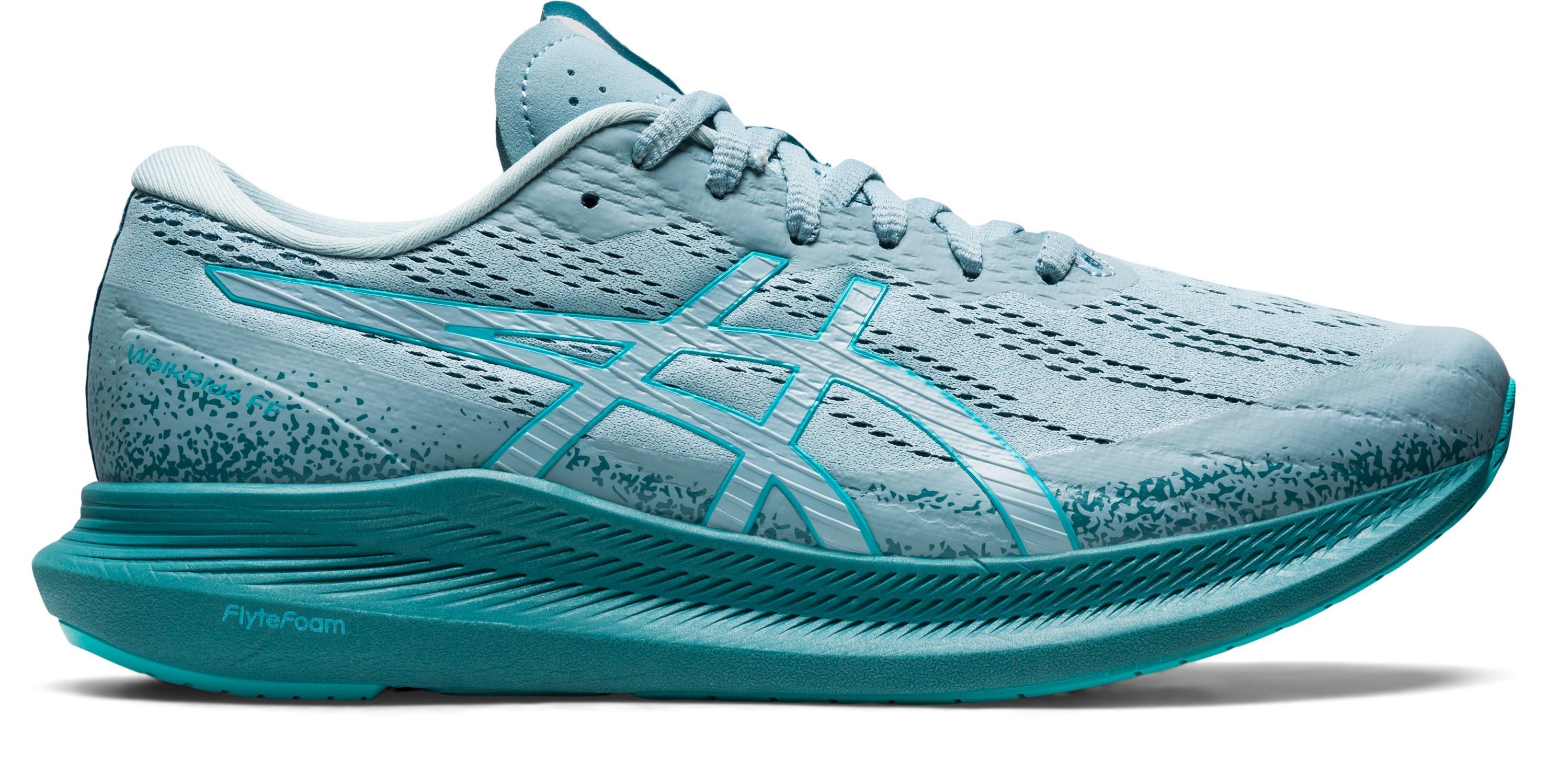
Not all feet are created equal, and neither should all walking shoes be. A core principle in podiatry is that footwear must address individual biomechanics. Broadly, foot types are categorized as neutral, flat (overpronated), or high-arched (oversupinated). For the flat foot, characterized by a collapsed arch and inward ankle roll, podiatrist recommended walking shoes invariably feature pronounced motion control and stability. Brands like Brooks with their Adrenaline GTS line or ASICS with the GT-2000 series are frequently cited on podiatry blogs and forums for their success in this area. The firm medial post and extended guide rails in these shoes work to correct alignment. Conversely, individuals with high, rigid arches need maximum cushioning and flexibility to compensate for their foot’s natural lack of shock absorption. Shoes like the HOKA Bondi or the Brooks Glycerin, with their plush, resilient midsoles, are often the go-to recommendations. Then there are specific conditions. For plantar fasciitis, shoes with excellent arch support and a built-in or compatible orthotic slot are vital. The Vionic Walker Classic is a perennial favorite for this reason, often featured in “best of” lists on authoritative sites like Verywell Health. For bunions or hammertoes, a wide toe box is non-negotiable to reduce pressure. New Balance is renowned for offering many models in multiple widths, a feature podiatrists like Dr. Megan Leahy, quoted in Shape magazine, consistently praise. The takeaway is that the “best” shoe is a deeply personal choice. A model celebrated by one wearer may be disastrous for another. This is precisely why the generalized advice from a podiatrist—to seek shoes with specific structural features—is more valuable than any single brand endorsement. It empowers you to become an informed evaluator of what your unique feet require.
Beyond the Hype: Evaluating Brands Through a Podiatric Lens
The athletic footwear market is saturated with claims of “ultimate comfort” and “revolutionary support.” Cutting through this noise requires focusing on brands that have consistently earned the trust of foot care professionals through clinical results and thoughtful design. Brands like Brooks, ASICS, New Balance, Saucony, and HOKA One One are staples in podiatry offices. Their commitment often goes beyond marketing; many engage in collaborative research with biomechanics labs. For example, Brooks’ Run Signature technology, developed from extensive gait analysis, aims to align footwear with an individual’s natural running (and walking) motion—a concept supported by literature from the University of Virginia’s SPEED Clinic. Similarly, the APMA (American Podiatric Medical Association) Seal of Acceptance is a credible filter. To earn it, a shoe company must submit its product for review by a committee of podiatrists who evaluate it for scientific design and promote foot health. Finding this seal on a box is a strong indicator of a genuinely supportive product. It’s also insightful to consider the testimonials of public figures who manage foot issues. Celebrity chef and TV host Padma Lakshmi, an advocate for endometriosis awareness, has spoken about her foot pain and her reliance on specific, professionally recommended brands for all-day comfort during filming. While celebrity use isn’t a scientific guarantee, it underscores the real-world, high-demand testing these shoes often undergo. The common thread among all truly podiatrist recommended walking shoes is a prioritization of function that informs form. They may not always be the flashiest on the shelf, but their design is a direct response to decades of podiatric clinical experience and biomechanical research.
:max_bytes(150000):strip_icc()/shp-best-brooks-walking-shoes-tout-f67df3ab5afa4c08a24a63ae6dca3444.jpg)
Smart Shopping: Finding Quality and Value Without Compromise
A significant barrier for many is the perceived cost of high-quality footwear. It is true that many top-tier podiatrist recommended walking shoes carry a premium price, often ranging from $120 to $160 or more. However, viewing this as an investment rather than an expense is crucial. Consider the cost of ongoing treatments for chronic foot pain: orthotics, physical therapy sessions, anti-inflammatory medications, and even surgery can run into thousands of dollars. A well-constructed shoe is primary prevention. That said, savvy shopping can make this investment more accessible. First, consider buying previous models. Footwear technology evolves incrementally. Last year’s flagship stability shoe from a major brand will offer 95% of the benefits of the new model at a fraction of the cost, especially during seasonal sales or on outlet websites. Second, explore reputable online retailers that specialize in discounted athletic gear. Sites like Zappos, Shoebacca, and even Amazon’s dedicated shoe outlets frequently have deep discounts on specific colors or sizes of highly-rated models. Third, do not underestimate the value of a proper fitting at a specialty running store. The expertise of the staff in analyzing your gait and foot type is a free service that can prevent you from wasting money on the wrong shoe. They can also inform you about which brands tend to fit your foot shape best. Finally, remember that even the best shoes have a lifespan. Podiatrists and biomechanists, including experts cited in Runner’s World articles, agree that the cushioning and support materials break down after 300-500 miles of use. Wearing shoes beyond this point negates their benefits. Planning for and budgeting this replacement cycle is part of the smart, long-term financial approach to foot health. Comfort, support, and durability need not come at an exorbitant, continuous cost with strategic purchasing.
Taking the Next Step: Your Path to Pain-Free Movement
The journey to finding your ideal walking shoe begins with a shift in perspective. See your shoes not as mere accessories, but as essential medical equipment for your daily mobility. Arm yourself with the knowledge of what to look for: a firm heel, ample arch support, a roomy toe box, and cushioning tailored to your gait. Listen to the collective voice of podiatry, which cuts through commercial claims with evidence-based criteria. Try on multiple pairs from the recommended brands, preferably later in the day when your feet are naturally slightly swollen. Walk around the store, or better yet, on a treadmill if available, to feel how the shoe performs in motion. Pay attention to any immediate pressure points—a perfect fit should feel supportive and secure without any pinching or slipping. Remember that the ultimate goal is harmony between your foot and the shoe, allowing you to walk, explore, and live without the distraction of discomfort or the threat of injury. The right pair of podiatrist recommended walking shoes is more than footwear; it is a tool for liberation, enabling you to move through your world with confidence, stability, and enduring comfort. Your feet carry you through life; it is only just to provide them with the foundation they deserve.
:max_bytes(150000):strip_icc()/favorite-walking-shoes-round-up-november-2024-458c3fc0c6844adca7c0a34ebc5cfb9b.jpg)
