

Discover the Top Podiatrist Recommended Walking Shoes for Ultimate Comfort and Support
Every step you take is a conversation between your body and the ground. When that dialogue is harmonious, walking becomes a source of joy, fitness, and exploration. When it’s discordant, it can lead to a cascade of discomfort, from aching arches to painful knees. The foundation of this entire interaction is your footwear. This isn’t about fleeting fashion trends; it’s about the long-term health and alignment of your musculoskeletal system. As someone who has spent years analyzing gait patterns and foot pathologies, I can assert that the single most impactful investment you can make for your daily mobility is a pair of expertly crafted podiatrist recommended walking shoes. These shoes are not merely designed; they are engineered based on biomechanical principles to provide the ultimate comfort and support, transforming your walk from a mundane task into a therapeutic activity.
The Biomechanical Blueprint: Why Your Feet Demand Expert Care
To understand the necessity of specialized footwear, we must first appreciate the incredible complexity of the human foot. It is a masterpiece of evolutionary engineering, comprising 26 bones, 33 joints, and over 100 muscles, tendons, and ligaments. With each step, your foot performs a precise sequence of events: heel strike, foot flat, mid-stance, heel-off, and toe-off. This gait cycle, as documented in biomechanics literature from institutions like the University of Virginia’s Motion Analysis Laboratory, distributes forces that can exceed 1.5 times your body weight. A shoe that disrupts this natural motion—by being too rigid, too flexible, or improperly aligned—can cause compensatory movements in the ankles, knees, hips, and even the lower back. The American Podiatric Medical Association (APMA) consistently emphasizes that proper footwear is a cornerstone of preventive foot care. A podiatrist recommended walking shoe is specifically constructed to respect and support this biomechanical blueprint. It offers structured cushioning to absorb shock, strategic arch support to maintain the foot’s natural posture, and a design that facilitates a healthy roll from heel to toe. Ignoring this is akin to building a skyscraper on a flawed foundation; the problems may not be immediate, but they are inevitable.

Decoding the Hallmarks of a Podiatrist-Approved Shoe
What exactly separates a high-quality walking shoe from a generic sneaker? The distinction lies in specific, non-negotiable features that podiatrists look for, which are backed by orthopaedic research. First, consider motion control and stability. For individuals with overpronation—where the foot rolls inward excessively—a shoe with a firm medial (inner) post is crucial. Brands that often receive podiatrist endorsements incorporate dual-density midsoles to correct this alignment, a technology validated in studies published in the Journal of Foot and Ankle Research. Second, arch support is paramount. Whether you have high arches (cavus foot) or flat feet (pes planus), the shoe must cater to your specific arch profile. Generic, flat insoles offer no therapeutic benefit. Third, the heel counter—the rigid cup at the back of the shoe—must be sturdy to lock the heel in place, preventing slippage and controlling rearfoot motion. Fourth, adequate toe box room is essential to prevent conditions like bunions and hammertoes. As noted by Dr. Jacqueline Sutera, a renowned New York City podiatrist, “Your toes should never feel cramped or pushed together.” Finally, the right rocker sole design can aid in propelling the foot forward, reducing strain on the Achilles tendon and calf muscles. A true podiatrist recommended walking shoe integrates all these elements seamlessly, creating a protective environment for your feet without sacrificing comfort.
Beyond the Hype: Endorsements, Science, and Real-World Validation
In an era of influencer marketing, it’s vital to distinguish between paid promotions and genuine professional recommendations. Podiatrists base their endorsements on clinical outcomes and peer-reviewed science, not aesthetics. For instance, the Vasyli Medical website, an educational resource for healthcare professionals, details how specific footwear modifications can manage conditions like plantar fasciitis. Furthermore, platforms like Quora and specialized running forums are replete with testimonials from individuals whose chronic foot pain was resolved not by medication, but by switching to shoes like the Brooks Addiction Walker or the New Balance 928, both of which frequently bear the APMA’s Seal of Acceptance. This seal signifies that a committee of podiatrists has evaluated the shoe and found it promotes good foot health. The viewpoint from authoritative sources is clear: effective footwear is a medical device for the masses. As the famous runner and author Christopher McDougall explored in his book Born to Run, while minimalist shoes have a place, for the vast majority of people navigating hard, man-made surfaces, structured support is not a crutch but a necessity. The consistent appearance of certain brands—Brooks, Asics, HOKA, and Saucony—in both clinical settings and on “best of” lists from trusted sources like Consumer Reports and Wirecutter is not coincidental. It is a testament to their commitment to biomechanical integrity.
A Curated Selection for Every Walker’s Need
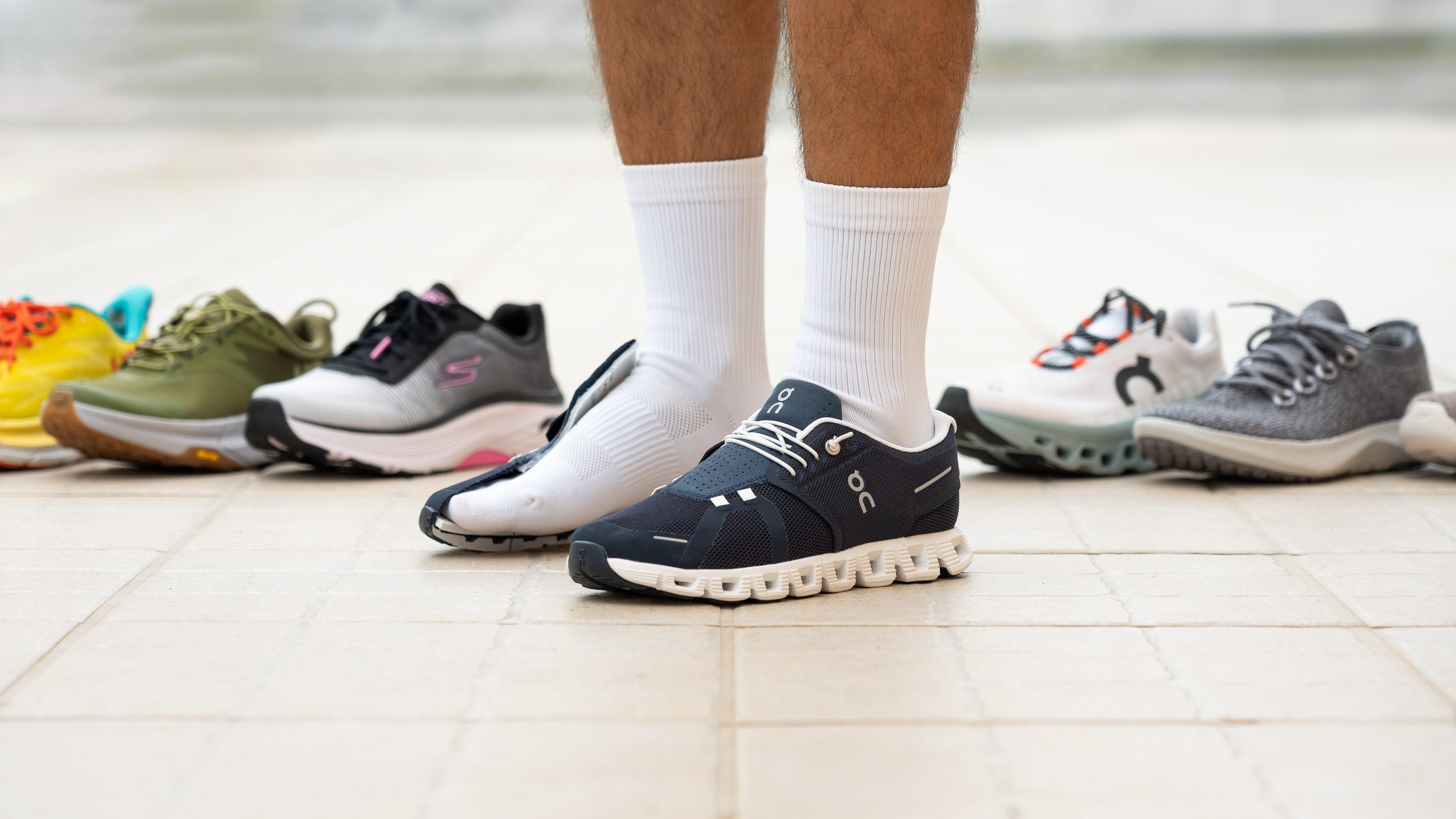
Your individual foot structure, gait, and lifestyle dictate the ideal shoe for you. Let’s explore categories where podiatrist recommended walking shoes excel. For the stability and motion control seeker, shoes like the Brooks Beast or Ariel (for men and women, respectively) are often cited. They feature extended progressive diagonal rollbars, a technology designed to guide the foot into a neutral position with every step. For those seeking maximum cushioning without bulk, HOKA ONE ONE’s Bondi or Clifton series are revolutionary. Their oversized midsoles provide exceptional shock absorption, a boon for walkers with arthritis or those who spend long hours on their feet, a benefit frequently highlighted by physical therapists on YouTube channels dedicated to senior fitness. The everyday wellness walker might find perfection in the New Balance 840 or the Asics Gel-Quantum 360. These models offer a balanced blend of cushioning, support, and durability, making them versatile for both treadmill sessions and city strolls. It’s important to remember that “best” is subjective. The shoe that earns rave reviews from a marathoner with a neutral gait may be disastrous for someone with severe overpronation. This is why the core principle remains: seek out models that are consistently validated by foot health professionals, not just celebrity stylists.
:max_bytes(150000):strip_icc()/shp-best-brooks-walking-shoes-tout-f67df3ab5afa4c08a24a63ae6dca3444.jpg)
Investing in Your Foundation: The Long-Term Value of Proper Footwear
Some may hesitate at the price point of premium walking shoes, often ranging from $120 to $160. However, this perspective shifts when viewed through the lens of value and cost-per-wear versus the potential cost of neglect. Consider this: a single visit to a podiatrist for a routine issue can easily exceed the cost of a top-tier pair of shoes. Chronic conditions like plantar fasciitis, metatarsalgia, or tendonitis require ongoing treatment, orthotics, and physical therapy—a financial and emotional drain. A quality pair of podiatrist recommended walking shoes acts as daily preventive medicine. Furthermore, the market has evolved to offer exceptional value. Many reputable brands provide previous-season models or colorways at significant discounts on their official websites or authorized retailers like Zappos and Road Runner Sports. The key is to prioritize the technology and fit over the latest aesthetic update. The investment is not in a brand name; it’s in the years of research, biomechanical testing, and clinical feedback embedded in that product. Your feet are your primary mode of transportation for a lifetime. Protecting them with the best possible equipment is not an extravagance; it is a profound act of self-care that pays dividends in comfort, activity, and overall well-being.
:max_bytes(150000):strip_icc()/podiatrist-recommended-walking-shoes-e1b90077185d4e6cadbf6327c4d17db7.jpg)
The journey to pain-free, energizing walks begins from the ground up. It starts with acknowledging that your feet are not just appendages but complex, load-bearing structures deserving of respect and proper support. The world of podiatrist recommended walking shoes is built on a foundation of science, not speculation—on clinical evidence and the collective expertise of professionals who dedicate their lives to foot health. By choosing footwear that aligns with these principles, you are doing more than buying a shoe. You are choosing to walk in comfort, to move with confidence, and to build a stronger, more resilient body with every step you take. The path forward is clear, and it is best traveled in shoes designed for the journey.
