

Discover the Best Podiatrist Recommended Walking Shoes for All-Day Comfort
Your feet are the foundation of your movement, and the shoes you choose can either support that foundation or undermine it entirely. For anyone who spends significant time on their feet—whether navigating city streets, exploring nature trails, or managing the demands of a busy workday—the quest for true comfort is paramount. This isn’t merely about avoiding blisters; it’s about long-term biomechanical health, injury prevention, and the simple joy of pain-free mobility. The most reliable guide in this quest is not a fleeting trend or a flashy advertisement, but the expert counsel of podiatry. Podiatrist recommended walking shoes represent a category built on clinical insight into foot anatomy, gait analysis, and the prevention of common disorders. This article delves into the science of what makes these shoes exceptional, translating professional podiatric principles into a clear guide for your next—and perhaps most important—footwear investment.
The Science of Support: Why Podiatric Endorsement Matters
To understand the value of a podiatrist’s recommendation, one must first appreciate the complex engineering of the human foot. It is a structure comprising 26 bones, 33 joints, and over 100 muscles, tendons, and ligaments, all working in concert to provide balance, propulsion, and shock absorption. A podiatrist, as a Doctor of Podiatric Medicine (DPM), specializes in diagnosing and treating conditions of the foot, ankle, and related structures of the leg. Their recommendations stem from a deep understanding of biomechanics. For instance, excessive pronation (inward rolling of the foot) or supination (outward rolling) can lead to a cascade of issues, from plantar fasciitis and shin splints to knee, hip, and even back pain. A generic walking shoe might offer cushioning, but a podiatrist recommended walking shoe is designed with specific features—like strategic arch support, heel counters, and appropriate midsole density—to correct or accommodate these biomechanical irregularities. As noted in resources from authoritative institutions like the American Podiatric Medical Association (APMA), proper footwear is a first-line defense. An APMA Seal of Acceptance, for example, is granted to products found to promote good foot health, a seal often seen on the very shoes podiatrists frequently recommend. This scientific grounding transforms a shoe from a simple covering into a therapeutic device.
:max_bytes(150000):strip_icc()/podiatrist-recommended-walking-shoes-e1b90077185d4e6cadbf6327c4d17db7.jpg)
Architectural Pillars: Deconstructing the Key Features
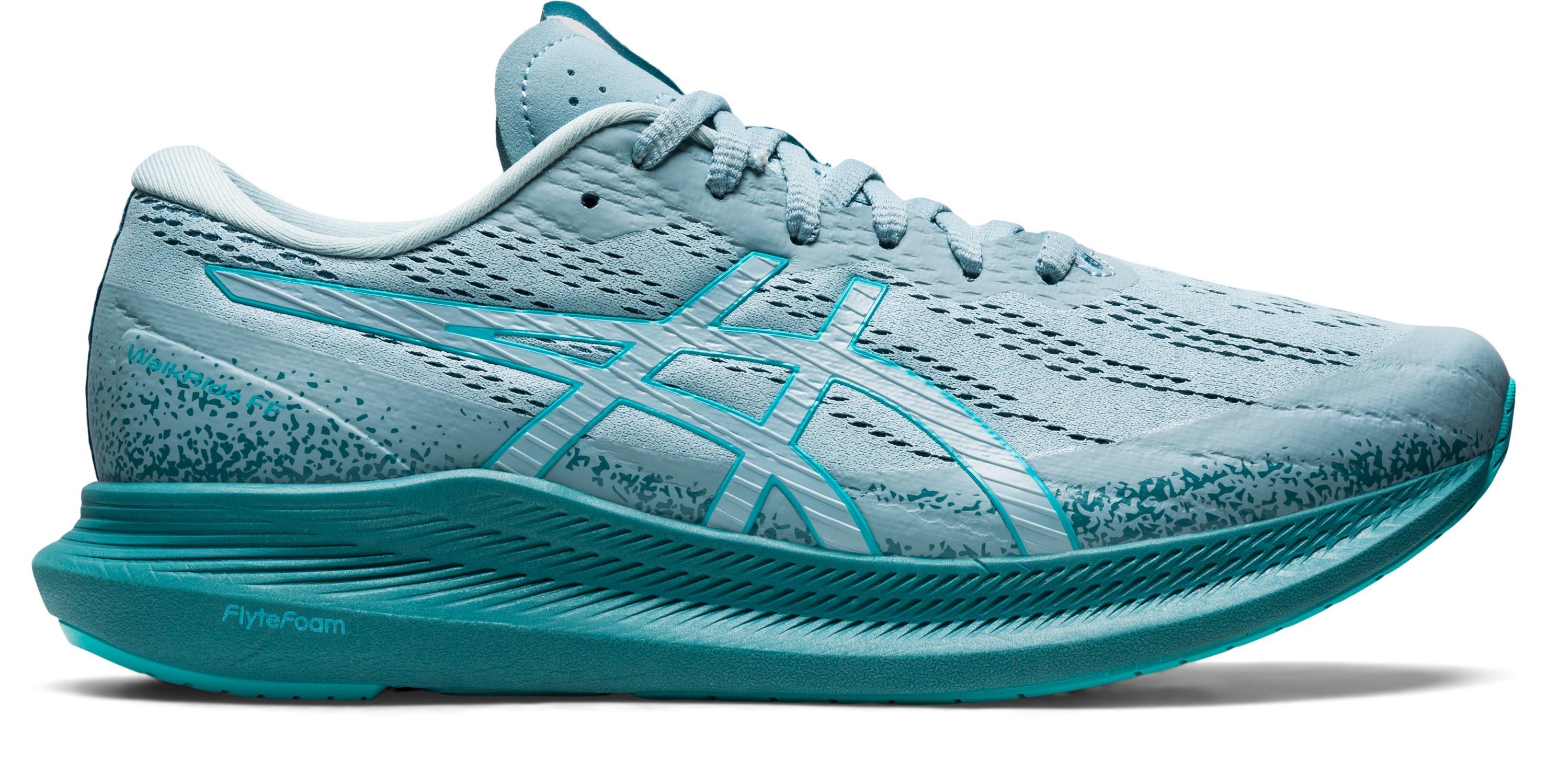
What specific elements should you scrutinize when evaluating walking shoes? The architecture of a superior walking shoe rests on several non-negotiable pillars. First is arch support. Contrary to popular belief, support is not “one-size-fits-all.” It must match your arch type—neutral, low, or high. A shoe with the correct support stabilizes the foot throughout the gait cycle, preventing the connective tissues of the plantar fascia from over-stretching. Second is the heel counter. This is the firm cup at the back of the shoe that cradles the heel. A rigid, well-padded heel counter minimizes excessive heel movement, providing stability and reducing the risk of conditions like Achilles tendonitis. Third is midsole technology. This is the heart of cushioning and stability. Materials like EVA (ethylene-vinyl acetate) foam, polyurethane, or proprietary compounds like ASICS’s FlyteFoam or Brooks’s DNA LOFT offer varying degrees of responsiveness and durability. The goal is shock attenuation—dissipating the force of each step before it travels up the kinetic chain. Finally, consider the toe box. There should be adequate width and depth to allow your toes to splay naturally upon foot strike, without rubbing or constriction. As renowned running coach and author Dr. Mark Cucuzzella often emphasizes in his lectures, “Your foot needs to function like a foot.” A cramped toe box inhibits this function, potentially leading to neuromas, bunions, and hammertoes. A true podiatrist recommended walking shoe harmonizes all these elements.
Material World: Breathability, Durability, and Sustainability
Beyond structure, the materials composing the shoe are critical for all-day comfort. Upper materials must balance breathability with structural integrity. Engineered mesh is a common choice in top-tier podiatrist recommended walking shoes, as it allows for air circulation to keep feet cool and dry, reducing the risk of fungal infections. Some incorporate seamless interiors or plush, moisture-wicking linings to prevent friction hotspots. Durability is another key factor, often determined by the outsole rubber. Carbon rubber is exceptionally hard-wearing, commonly placed in high-impact areas like the heel, while blown rubber is lighter and offers more cushioning, often used in the forefoot. The intersection of material science and foot health is a dynamic field. Furthermore, an increasing number of manufacturers are considering sustainability, using recycled polyester in uppers or bio-based foams in midsoles. While not a direct podiatric concern, the longevity and environmental footprint of a product are part of a holistic, modern purchasing decision. A shoe that falls apart after 300 miles fails its purpose, regardless of its initial fit.
Navigating the Market: Categories and Leading Contenders
The market for walking shoes is vast, but podiatric endorsements help narrow the field to proven performers. Brands like New Balance, Brooks, ASICS, HOKA, and Saucony consistently receive praise from foot care professionals for their focus on biomechanics. It’s useful to think in categories. Stability shoes are designed for overpronators, featuring medial (inner-side) posts or guide rails to control inward roll. Neutral cushioning shoes offer ample shock absorption without corrective elements, ideal for efficient, neutral gaits or supinators. Motion control shoes are the most robust, built for severe overpronation or heavier individuals, with maximum reinforcement. Then there are maximalist shoes, popularized by HOKA, which offer extraordinary cushioning with a lower heel-to-toe drop, reducing strain on the Achilles and calves. The “best” shoe is intensely personal. As celebrity trainer and physiotherapist Dr. Emily Splichal has stated on her YouTube channel, “Footwear is a tool. You must match the tool to the task and the individual’s unique blueprint.” Trying on several models from these trusted categories is the only way to find your perfect match.
A Note from the Experts: Voices of Authority
“The wrong shoe can create problems, and the right shoe can often solve them. I frequently advise patients to look for shoes with a removable insole, which allows for the insertion of custom orthotics if needed, and a heel-to-toe drop that aligns with their calf flexibility and activity. A shoe is not an afterthought; it’s primary equipment.” — Dr. Miguel Cunha, Founder of Gotham Footcare, in an interview cited by various health publications.
“We see countless injuries rooted in improper footwear. People prioritize style over substance and pay for it with pain. A well-designed walking shoe should feel supportive and comfortable from the very first step, without any ‘break-in’ period. That immediate comfort is a hallmark of good biomechanical design.” — Commentary from The Gait Guys, a popular podcast and online resource for biomechanics professionals.
These expert insights underscore a critical point: investing in podiatrist recommended walking shoes is a proactive investment in your musculoskeletal health. It’s a decision that pays dividends with every pain-free step you take.

Your Personal Fitting Protocol: Beyond the Size Number
Knowing what to look for is half the battle; the other half is executing a proper fitting. Your shoe size is not a static number. Feet swell throughout the day and change with age. Always shop for shoes in the late afternoon or evening. Wear the socks you intend to walk in. There should be about a thumb’s width (roughly 3/8 to 1/2 inch) of space between your longest toe (which isn’t always the big toe) and the end of the shoe. Width is equally crucial; your foot should not spill over the side of the midsole. Don’t just stand—walk around the store, ideally on a hard surface. Pay attention to any pinching, sliding, or pressure points. Remember, the goal is harmony between foot and shoe. A proper fit ensures the sophisticated features of your podiatrist recommended walking shoes function as intended. Neglecting this protocol renders even the best-designed shoe ineffective.
Integrating Value: Quality Meets Affordability
Professional-grade footwear often comes with a professional-grade price tag, but value is not solely about the lowest cost. It’s about cost per mile of comfort and protection. Investing in a quality pair of podiatrist recommended walking shoes can prevent hundreds, if not thousands, of dollars in potential medical bills for foot treatments. However, savvy shopping strategies exist. Consider previous season’s models, which often see significant discounts as new colors are released. Sign up for newsletters from reputable brands and retailers for exclusive sale alerts. Outlet stores and certified online retailers can also offer genuine products at reduced prices. The key is to never compromise on the essential features—arch support, heel counter, adequate space—for the sake of a discount. A $60 shoe that causes injury is infinitely more expensive than a $120 shoe that provides years of reliable service. View the purchase as a non-negotiable component of your health and wellness budget.
The journey to finding the perfect walking shoe is a journey back to the basics of how your body is designed to move. It moves away from marketing hype and toward evidence-based design, from fleeting fashion to enduring function. By prioritizing the principles endorsed by podiatric science—strategic support, quality materials, and a precise fit—you empower yourself to walk further, stand longer, and move through life with greater ease and resilience. Let your first step be an informed one, guided by the knowledge that the right shoe is not just an accessory, but a fundamental partner in your lifelong mobility.
