

Discover the Best Podiatrist Recommended Walking Shoes for All-Day Comfort
Your feet are the foundation of your movement, and the shoes you choose can either support that foundation or undermine it entirely. For anyone who spends significant time on their feet—whether navigating city streets, exploring nature trails, or managing the demands of a busy workday—the quest for truly comfortable footwear is paramount. This isn’t merely about fashion or fleeting trends; it’s about biomechanics, long-term health, and the simple joy of pain-free motion. The term podiatrist recommended walking shoes has emerged as a critical benchmark in this search, signifying footwear that has been vetted for its anatomical support, structural integrity, and capacity to prevent injury. This guide delves into the science and selection of these essential shoes, moving beyond marketing claims to explore the objective features that define the best options, bringing you professional insights and practical advice for making an informed investment in your foot health.
The Science of Support: Why Podiatrist Endorsement Matters
To understand the value of podiatrist recommended walking shoes, one must first appreciate the complex engineering of the human foot. Each foot contains 26 bones, 33 joints, and over a hundred muscles, tendons, and ligaments, all working in concert to provide balance, propulsion, and shock absorption. A podiatrist, a doctor specializing in the medical and surgical care of the feet, ankles, and lower extremities, evaluates footwear based on how well it respects and augments this natural architecture. The primary considerations are alignment, cushioning, and stability. Improper alignment, often caused by shoes with inadequate arch support or incorrect heel counters, can lead to a cascade of issues—from plantar fasciitis and Achilles tendonitis to knee, hip, and even back pain. Cushioning is not just about softness; it’s about strategic energy return and impact dispersion. As noted in resources from institutions like the American Podiatric Medical Association (APMA), which grants its Seal of Acceptance to products that promote good foot health, proper footwear is a frontline defense against common ailments. Therefore, a shoe bearing the podiatrist recommended distinction is one designed with a preventative, therapeutic mindset, aiming to keep the foot in a neutral, supported position throughout the gait cycle from heel strike to toe-off.
:max_bytes(150000):strip_icc()/podiatrist-recommended-walking-shoes-e1b90077185d4e6cadbf6327c4d17db7.jpg)
Decoding the Anatomy of an Ideal Walking Shoe
Not all comfortable-looking shoes are created equal for the rigors of sustained walking. A true walking shoe is a specialized tool, and its key components must work in harmony. The upper, typically made from breathable mesh or leather, should offer a secure, non-constricting fit without pressure points or seams that cause friction. The midsole is the heart of the shoe, where materials like EVA (ethylene-vinyl acetate) foam, polyurethane, or advanced compounds like Brooks’ DNA LOFT or HOKA’s Profly+ provide the critical cushioning and stability. This is where the concept of “motion control” or “stability features” comes into play, often involving denser foam on the medial (inner) side to prevent overpronation—the excessive inward roll of the foot. The outsole needs durable, flexible rubber with a tread pattern suited to your primary walking surface, offering grip without being overly rigid. The heel counter—the firm cup at the back—must be sturdy to lock the heel in place, preventing slippage that can lead to blisters and instability. Finally, the toe box must be sufficiently wide and tall to allow your toes to splay naturally upon foot strike, a feature often emphasized by biomechanists and highlighted in footwear reviews on authoritative sites like Runner’s World. When these elements are expertly integrated, the result is a shoe that doesn’t just feel good in the store but performs reliably mile after mile.
Navigating Foot Types and Gait Patterns: A Personal Guide
Selecting the perfect pair of podiatrist recommended walking shoes is a deeply personal journey because it hinges on your unique foot morphology and gait. The first step is understanding your arch type: high, neutral, or low (flat). A simple “wet test”—observing the imprint your wet foot leaves on a dry surface—can provide a basic indication. Those with low arches or flat feet often overpronate and typically benefit most from stability or motion control shoes with substantial arch support and a firm midsole. Conversely, individuals with high arches tend to underpronate or supinate, transmitting shock inefficiently; they usually require neutral-cushioned shoes with ample shock absorption and flexibility. Your wear pattern on old shoes also tells a story: excessive wear on the inside heel and ball of the foot suggests overpronation. While self-assessment is useful, a professional gait analysis, offered at many specialty running and walking stores, provides definitive insight. This personalized approach is championed by sports medicine professionals and podiatrists alike, who argue that matching shoe technology to individual biomechanics is the single most effective way to enhance comfort and prevent injury. It transforms the search from a guessing game into a targeted mission for foot health.
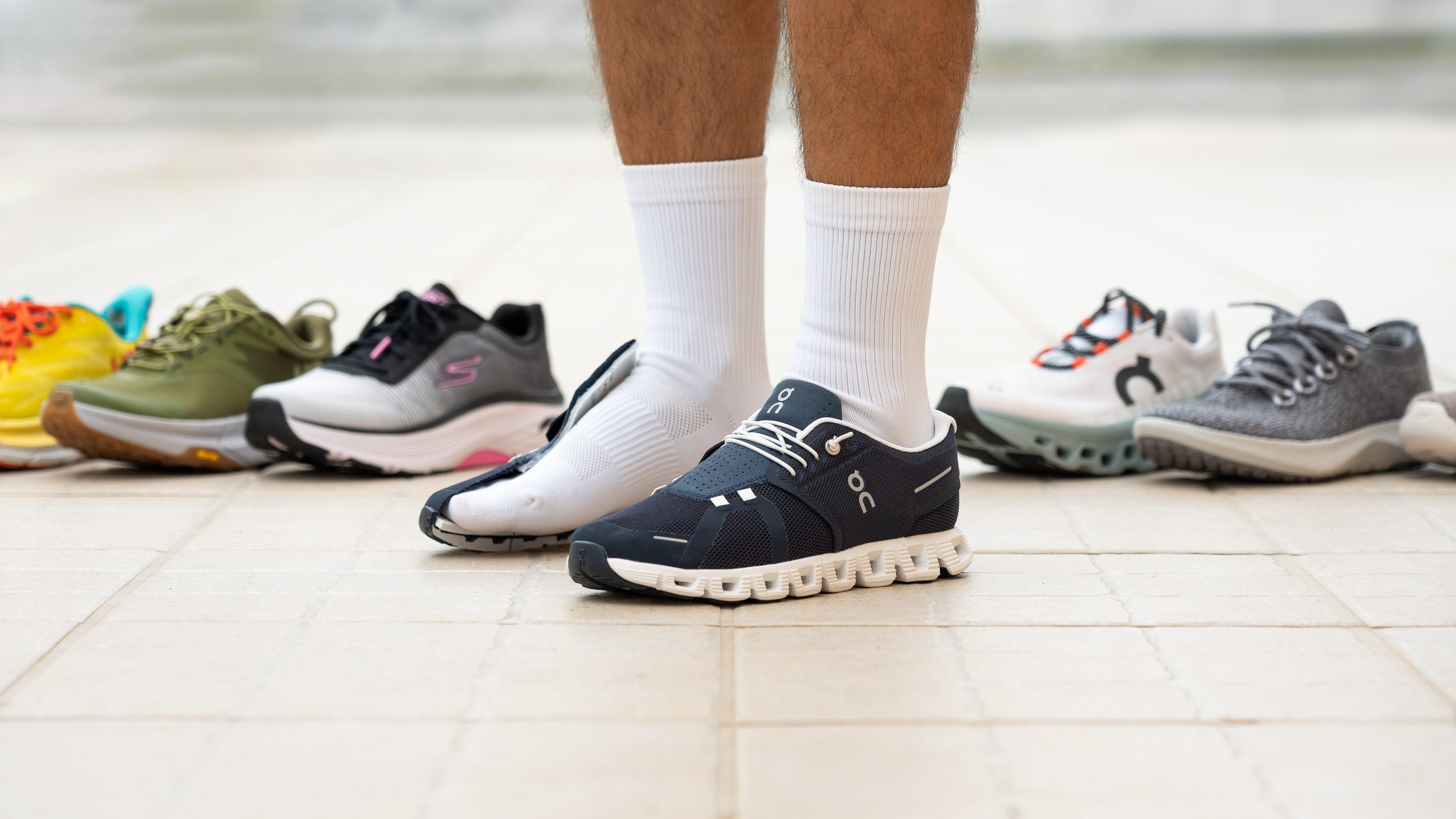
Spotlight on Standout Models: Engineering Meets Comfort
The market for high-performance walking shoes is rich with innovation. Brands like Brooks, New Balance, ASICS, and HOKA have invested heavily in research, often collaborating with podiatrists and biomechanists to refine their designs. For instance, Brooks’ Addiction Walker series is frequently cited as a gold standard for stability, featuring an extended progressive diagonal rollbar that guides the foot into a natural motion path—a technology that has earned it the APMA Seal. HOKA’s Bondi series, with its maximalist cushioning and meta-rocker geometry, is lauded for reducing strain on joints, making it a favorite for those with arthritis or who stand for long periods. New Balance’s 928v3, another APMA-accepted model, combines a leather upper for structured support with a robust rollbar for motion control. These are not mere sneakers; they are precision instruments. Reviews on platforms like Verywell Fit and testimonials from users with chronic conditions like plantar fasciitis provide powerful anecdotal evidence of their efficacy. The common thread among these top-tier podiatrist recommended walking shoes is a commitment to evidence-based design, where every curve, material, and seam serves a specific physiological purpose.
:max_bytes(150000):strip_icc()/shp-best-brooks-walking-shoes-tout-f67df3ab5afa4c08a24a63ae6dca3444.jpg)
Beyond the Shoe: Complementary Practices for Foot Wellness
While investing in excellent podiatrist recommended walking shoes is foundational, holistic foot care extends beyond your footwear. Consider your socks: moisture-wicking, seamless merino wool or synthetic blends prevent blisters. Orthotic insoles, whether custom-made by a podiatrist or high-quality over-the-counter versions from brands like Superfeet or Powerstep, can fine-tune the fit and support of even the best shoes, addressing individual pressure points. Furthermore, incorporating simple foot and calf stretches into your daily routine—such as rolling a tennis ball under your arch or performing calf raises—maintains flexibility and strength. The renowned physical therapist and author, Kelly Starrett, often emphasizes in his work and on social media that “you can’t out-exercise a bad position.” This philosophy applies directly to foot health: you cannot expect shoes alone to compensate for a lack of foundational mobility and care. Pairing intelligent footwear with mindful habits creates a synergistic effect, ensuring your feet remain resilient and comfortable through all of life’s journeys.
Making the Smart Investment: Value, Access, and Long-Term Health
It’s true that high-quality podiatrist recommended walking shoes often come with a higher initial price tag, typically ranging from $120 to $180. However, this cost must be reframed as an investment in preventative healthcare. Consider the alternative: the cost of doctor’s visits, physical therapy, orthotics, or even surgery for conditions exacerbated by poor footwear. The value proposition becomes clear. To make this investment more accessible, savvy shoppers can look to previous model years, which often see significant discounts as new versions are released, yet offer nearly identical core technology. Major online retailers frequently run sales during holiday weekends and seasonal changes. Furthermore, some specialty stores offer loyalty programs or discounts for healthcare workers. The key is to prioritize fit and function over the latest colorway. As the saying goes, “Take care of your feet, and they will take care of you.” This wisdom, echoed by everyone from long-distance hikers to nurses working 12-hour shifts, underscores that the right shoes are not a luxury but a necessity for a vibrant, active life. They are the single most important piece of equipment you own.

The journey to finding all-day comfort begins from the ground up. By seeking out podiatrist recommended walking shoes and understanding the principles behind their design, you empower yourself to make choices that actively support your musculoskeletal health. This is not about following a fleeting trend but about embracing a scientifically-informed approach to personal well-being. Let your next step be your most confident and comfortable one yet, supported by footwear engineered to move with you, not against you.
