

Discover the Best Podiatrist Recommended Walking Shoes for All-Day Comfort
Your feet are your foundation, carrying you through thousands of steps each day. Yet, so often, they are an afterthought, crammed into footwear chosen for style over substance, leading to a cascade of discomfort that can ripple up through your entire body. The quest for all-day comfort isn’t merely about avoiding sore feet at the end of a shift or a long walk; it’s a fundamental investment in your mobility and overall well-being. This is where the specialized insight of podiatry becomes invaluable. Podiatrist recommended walking shoes are not a marketing gimmick but a category built on biomechanical principles, designed to support, stabilize, and protect the intricate structure of your foot. This guide delves into the science of what makes these shoes exceptional, moving beyond brand names to the core features that transform walking from a chore into a pleasure, and brings you actionable knowledge to make an empowered choice for your foundation.

The Science of Stride: Why Your Feet Deserve Expert Attention
To understand the necessity of specialized footwear, one must first appreciate the marvel of engineering that is the human foot. Comprising 26 bones, 33 joints, and over a hundred muscles, tendons, and ligaments, it is a complex structure that acts as both a shock absorber and a rigid lever during the gait cycle. Podiatry, the branch of medicine devoted to the study, diagnosis, and treatment of disorders of the foot, ankle, and lower extremity, provides the authoritative lens through which to view shoe selection. Podiatrists frequently encounter conditions like plantar fasciitis, metatarsalgia, bunions, and overpronation—ailments often exacerbated or even caused by improper footwear. The principle is clear: improper support alters biomechanics. As noted by the American Podiatric Medical Association (APMA), shoes that carry their Seal of Acceptance have been evaluated by a committee of podiatrists and found to promote good foot health. This scientific validation is the cornerstone of our search. When we seek out podiatrist recommended walking shoes, we are leveraging clinical expertise to find footwear that accommodates the natural function of the foot, provides stability where there is weakness, and cushions where there is impact, thereby preventing the kinetic chain of pain that can travel from the heel to the hip and even the lower back.
Decoding the Hallmarks of a Superior Walking Shoe
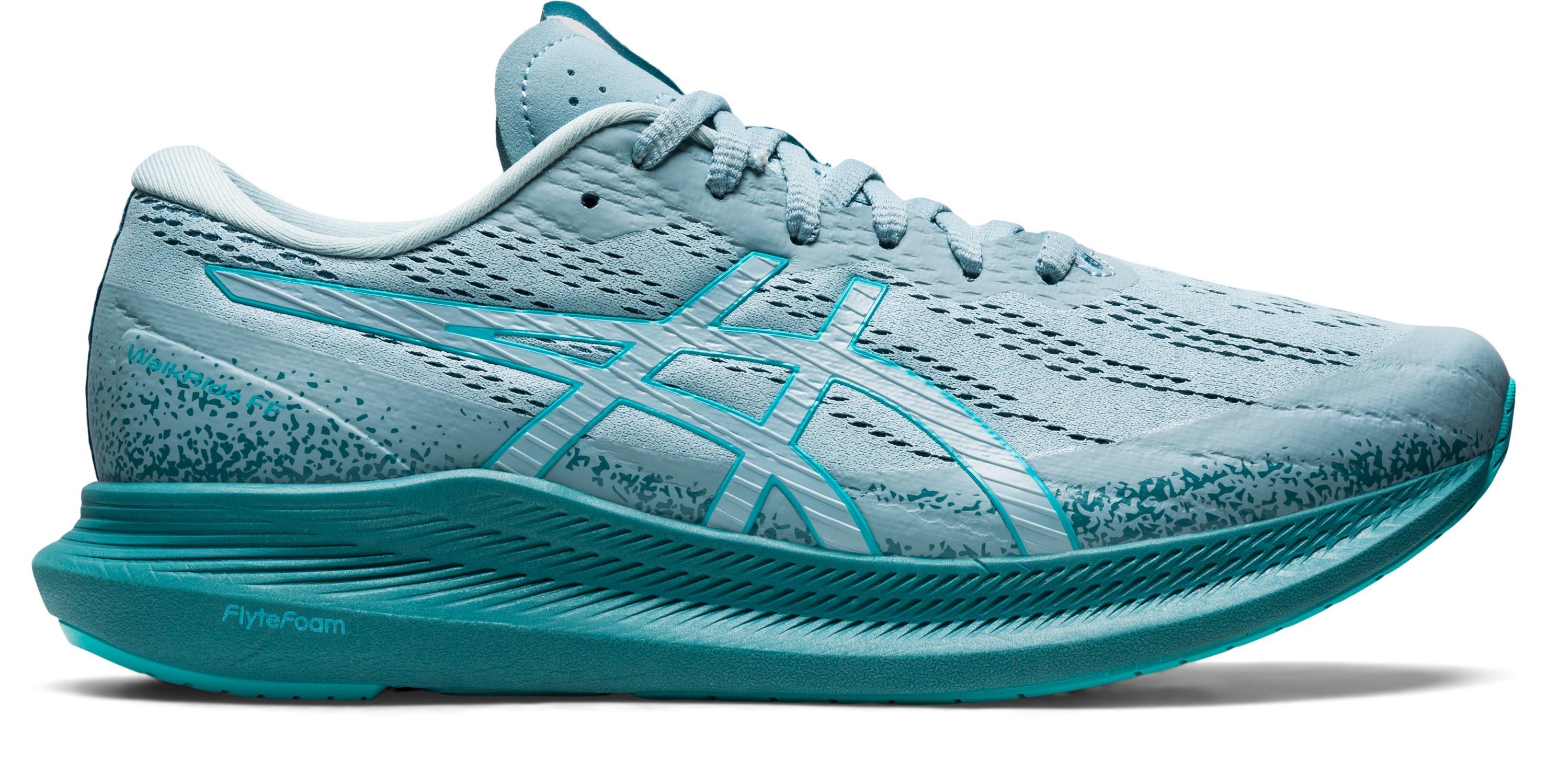
What specific elements transform an ordinary sneaker into a podiatric ally? The distinction lies in a synergy of design features, each serving a specific physiological purpose. First and foremost is arch support. The arch of your foot is not a static curve; it is a dynamic, spring-like structure that flattens and recoils with each step. Generic, flat insoles fail to maintain this architecture, leading to strain on the plantar fascia ligament. A proper walking shoe will have firm, contoured arch support that matches your foot type—whether neutral, low-arched (flat feet), or high-arched. This support is crucial for distributing weight evenly. Secondly, consider heel counter rigidity. The heel counter is the hard cup at the back of the shoe that cradles your calcaneus (heel bone). A sturdy, non-collapsible heel counter is essential for controlling rearfoot motion, preventing excessive inward rolling (overpronation) or outward rolling (supination), which are primary culprits in alignment-related injuries. Third is adequate toe box space. The fashion for narrow, pointed toes has been a bane for foot health, contributing to bunions and hammertoes. A podiatrist recommended walking shoe will feature a deep, wide toe box that allows your toes to splay naturally upon weight-bearing, improving balance and reducing pressure on the forefoot. Finally, the marriage of cushioning and flexibility at the right points is key. The shoe should offer plush cushioning, often with advanced materials like gel, foam, or air units, under the heel and ball of the foot—the primary impact zones. However, this cushioning must not come at the expense of a shoe that is too rigid. It must flex easily at the metatarsophalangeal joints (where your toes meet your foot), mimicking the natural foot’s rocker motion for an efficient, propulsive stride.
Navigating the Market: Categories and Considerations for Every Walker
The world of athletic footwear is vast, and understanding sub-categories ensures you find a shoe tailored to your specific gait and lifestyle. The primary division lies in motion control, stability, and neutral cushioning shoes. Motion control shoes are the most robust, designed for severe overpronators. They feature dense medial (inner-side) posts, very firm heel counters, and straight lasts (the shape of the sole) to maximally limit inward roll. Stability shoes offer moderate guidance for mild to moderate overpronators, using dual-density midsoles and strategic support systems. Neutral cushioning shoes, suited for those with neutral gaits or high arches (supinators), prioritize shock absorption without corrective elements, often with softer, more resilient cushioning throughout. Determining your need requires honest assessment. The “wet test”—examining the footprint left by your wet foot on a dark piece of paper—can offer a basic clue about your arch type. However, for a definitive analysis, nothing replaces a professional gait analysis, often offered at specialty running and walking stores. Furthermore, consider your walking environment. Are you primarily on paved paths, treadmill, or uneven trails? Trail walking shoes incorporate more aggressive outsoles for grip and often added protection around the toe. Your weight is another factor; a heavier individual may require shoes with more durable, higher-density cushioning to prevent premature compression. Remember, the goal is to find a podiatrist recommended walking shoe that feels like a natural extension of your body from the first step, requiring no “break-in” period—a concept podiatrists often emphasize to prevent blisters and irritation.
Beyond the Shoe: The Integral Role of Socks and Orthotics
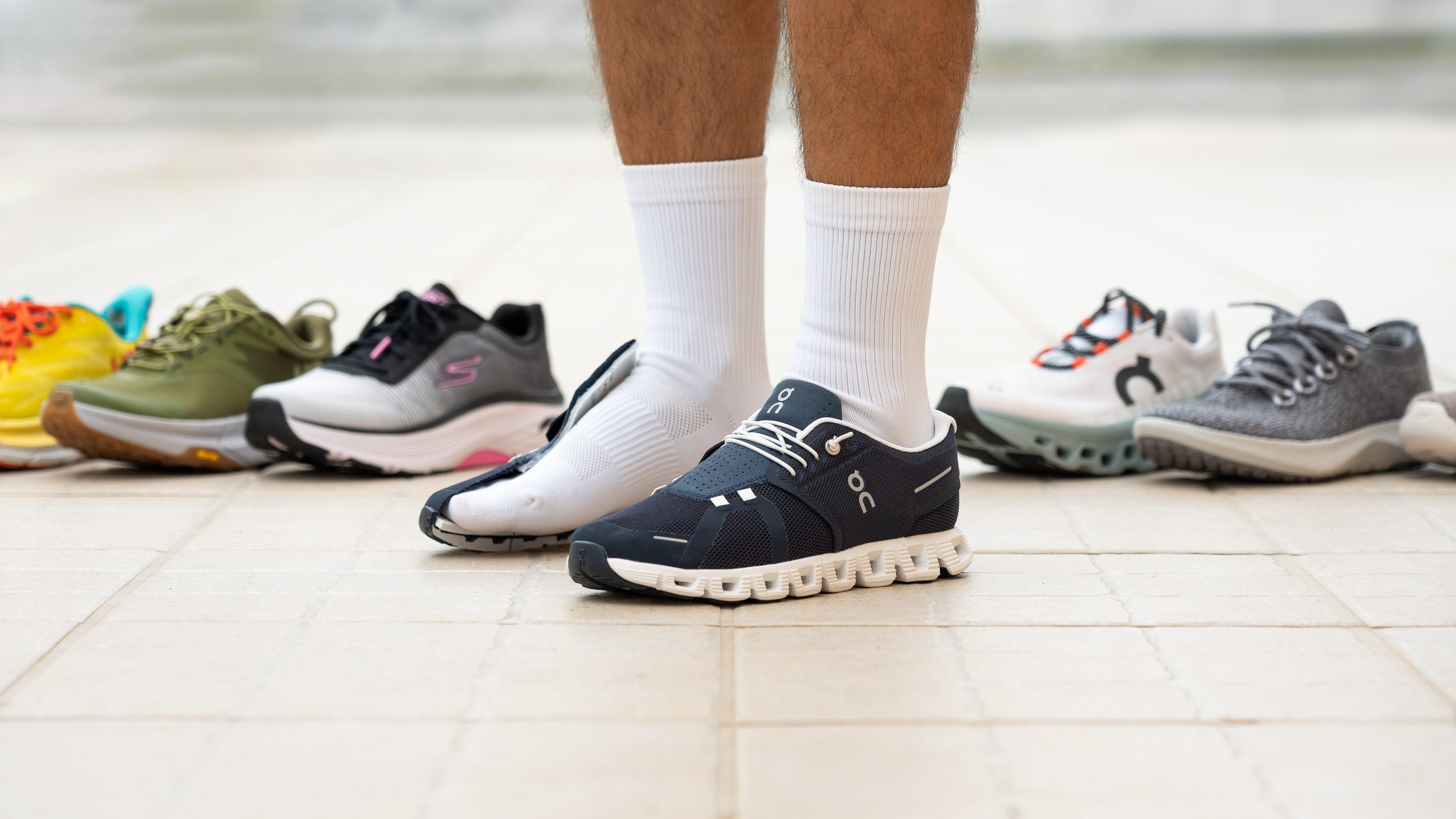
Even the most perfectly engineered shoe can be undermined by poor hosiery. Socks are the critical interface between your skin and the shoe’s interior. Podiatrists consistently recommend seamless, moisture-wicking socks made from synthetic blends (like polyester, nylon, or CoolMax) or natural merino wool. Cotton is discouraged as it retains moisture, leading to maceration of the skin and a higher risk of blisters and fungal infections. The thickness should match the shoe’s volume; a thick sock in a snug shoe creates harmful pressure points. For individuals with specific biomechanical issues, diabetic neuropathy, or severe structural deformities, custom orthotics prescribed by a podiatrist are a game-changer. These are not the generic insoles from a pharmacy shelf. Custom orthotics are 3D maps of your feet, crafted from precise impressions or digital scans to correct your unique alignment. They work in concert with a well-chosen shoe, often requiring the removal of the shoe’s existing insole to accommodate the orthotic’s volume. This synergy between a supportive shoe chassis and a personalized orthotic insert represents the gold standard in therapeutic footwear, a point frequently highlighted in podiatric literature from institutions like the University of Pittsburgh School of Podiatric Medicine. It’s a system where each component amplifies the benefits of the other.
Making an Informed Investment in Your Mobility
Armed with this knowledge, your shopping approach shifts from browsing to targeted selection. Always shop for shoes in the late afternoon or evening, as feet naturally swell throughout the day. Wear the socks you intend to use with them. There should be about a thumb’s width (roughly half an inch) of space between your longest toe (which isn’t always the big toe) and the end of the shoe. The shoe should feel secure at the heel and midfoot without any slippage, yet allow free movement of your toes. Don’t be seduced by aesthetics alone; a shoe that looks sleek but feels restrictive is a liability. The financial aspect is also part of the investment. While premium podiatrist recommended walking shoes can carry a significant price tag, view them as essential medical or wellness equipment rather than a casual purchase. The cost of chronic foot pain, doctor visits, and physical therapy far outweighs the price of preventive, high-quality footwear. Fortunately, the market is competitive, and discounts are often available through online retailers, seasonal sales, and outlet stores. Prioritizing brands that consistently earn podiatric endorsements and investing in last season’s models can yield substantial savings without compromising on core technology and support.
“The wrong shoe can create a problem where none existed, and the right shoe can often be the simplest solution to a persistent one. We must respect the foot’s design instead of forcing it to conform to fashion’s dictates.” – A sentiment commonly echoed by practicing podiatrists in clinical discussions and patient education materials.
The journey to all-day comfort is a deliberate one, paved with informed choices rather than chance. It begins with acknowledging the profound importance of the ground beneath your feet—literally and figuratively. By seeking out podiatrist recommended walking shoes, you are applying a layer of scientific and medical expertise to an everyday decision. This choice transcends mere comfort; it is an act of preventative care, a commitment to preserving the joy of unhindered movement, and a declaration that your well-being starts from the ground up. Let your shoes be the silent, supportive partners they were meant to be, engineered not just for walking, but for thriving through every step of your day.
:max_bytes(150000):strip_icc()/favorite-walking-shoes-round-up-november-2024-458c3fc0c6844adca7c0a34ebc5cfb9b.jpg)
