

Discover the Best Podiatrist Recommended Walking Shoes for All-Day Comfort
Your feet are your foundation. For the millions who walk for fitness, commute, or simply navigate daily life, the right footwear isn’t a luxury—it’s a biomechanical necessity. The quest for comfort often leads to a maze of marketing claims, but the most reliable guide comes from those who specialize in foot health: podiatrists. This article cuts through the noise to explore what truly makes a walking shoe worthy of a podiatrist’s endorsement, translating clinical insight into your everyday stride for unparalleled, all-day comfort.
The Science of Stride: Why Your Feet Demand Expert Care
Walking is a complex symphony of biomechanics involving over 100 muscles, ligaments, and tendons in the foot and leg. A misstep in footwear choice can disrupt this harmony, leading not just to sore feet, but to cascading issues in the ankles, knees, hips, and lower back. Podiatrists, as doctors of podiatric medicine, analyze gait, diagnose structural issues like overpronation or supination, and understand how footwear interacts with the body’s mechanics. Their recommendations are rooted in preventing injury and promoting efficient movement. As noted in resources from institutions like the American Podiatric Medical Association (APMA), proper shoes can alleviate common ailments like plantar fasciitis, metatarsalgia, and bunions. Therefore, a podiatrist recommended walking shoe is more than a comfortable sneaker; it is a therapeutic device engineered to support the foot’s natural function, distribute impact forces, and provide stability where an individual needs it most. This scientific foundation is non-negotiable for achieving true, lasting comfort that endures from morning to night.

Arch Support: The Non-Negotiable Pillar of Comfort
Imagine the arch of your foot as a bridge. Without proper support, it will eventually strain, sag, and cause pain throughout the structure. This is the core principle behind arch support, a feature universally emphasized in podiatrist recommended walking shoes. The arch’s primary role is to absorb and distribute the shock of each step. Shoes with inadequate or misaligned arch support force the plantar fascia ligament and surrounding muscles to overwork, a primary culprit behind plantar fasciitis. A proper insole or midsole contour cradles the arch, maintaining its structural integrity throughout the gait cycle. This isn’t a one-size-fits-all proposition. Podiatrists categorize arches as neutral, low (flat), or high. A shoe with firm, structured support is crucial for flat feet to control overpronation, while high arches often require shoes with ample cushioning to compensate for rigidity. Brands that earn podiatric accolades typically offer multiple width options and stability grades, acknowledging that true support is personalized. As biomechanist Dr. Casey Kerrigan, founder of OESH Shoes, has often highlighted, “Shoes should complement the foot’s function, not constrain it.” A well-supported arch is the first step toward a body that feels energized, not exhausted, after a day on its feet.
Cushioning vs. Stability: Striking the Perfect Balance
The debate between plush cushioning and firm stability is central to choosing walking shoes. The ideal podiatrist recommended walking shoe masterfully balances both, tailored to the walker’s physiology. Cushioning, typically from materials like EVA foam, polyurethane, or proprietary gels, is responsible for shock attenuation—dissipating the force of heel strike. However, excessive, overly soft cushioning can be deceptive. It may feel comfortable initially but can destabilize the foot, allowing it to roll inward excessively (overpronate), which strains the kinetic chain. Stability features, such as medial posts, dual-density midsoles, or structured heel counters, guide the foot into a neutral position from heel strike to toe-off. Think of it this way: cushioning manages vertical force, while stability manages rotational motion. A study cited in the Journal of Foot and Ankle Research underscores that for overpronators, motion-control shoes significantly reduce pain and improve function compared to neutral cushioned shoes. The key is a shoe that provides a responsive, stable platform with cushioning that doesn’t bottom out. It should feel supportive and secure, not like walking in quicksand. This balance protects joints and allows for efficient propulsion, making every step feel effortless and controlled.
:max_bytes(150000):strip_icc()/favorite-walking-shoes-round-up-november-2024-458c3fc0c6844adca7c0a34ebc5cfb9b.jpg)
Deconstructing the Ideal Walking Shoe: A Feature-by-Feature Guide
Beyond broad categories of support and cushioning, specific design elements separate adequate shoes from exceptional ones. Let’s dissect the anatomy of a top-tier walking shoe, examining the components that podiatrists scrutinize. This knowledge empowers you to make an informed choice, transforming you from a passive consumer into an expert on your own foot health.
The Heel Counter: Your Foundation’s Anchor
A firm, molded heel counter is the unsung hero of a stable shoe. This is the rigid cup that wraps around the back of your heel. Its purpose is twofold: first, to lock the heel in place, preventing slippage and the blister-causing friction that comes with it; second, and more critically, to control rearfoot motion. When your heel strikes the ground, it naturally wants to tilt. A robust heel counter resists this excessive movement, ensuring your ankle and foot align properly as your weight transfers forward. A soft, collapsible heel counter offers none of these benefits, allowing the foot to slide and twist with each step. When trying on shoes, perform this simple test: press on the back of the heel. It should resist your pressure significantly. This feature is a hallmark of serious podiatrist recommended walking shoes, as a stable heel is the prerequisite for a stable gait. It’s the anchor that allows the rest of the shoe’s technology to function as intended.
Toe Box and Flexibility: Where Your Toes Breathe and Bend
The front of the shoe is just as critical as the back. A spacious, foot-shaped toe box allows your toes to splay naturally upon weight-bearing. This natural splay improves balance, provides a broader base of support, and prevents the crowding that leads to bunions, hammertoes, and neuromas. Your toes should never feel pinched or compressed. Furthermore, the shoe must flex at the exact point where your foot flexes—at the ball of the foot, not in the middle of the arch. An improper flex point fights your foot’s natural rocker motion, causing fatigue and strain. You can test this by holding the heel and pressing the toe down. The bend should align with the joint behind your big toe. This combination of room and strategic flexibility ensures comfort through the final push-off phase of your stride, making walking feel fluid and natural rather than restrictive and clunky.

Materials and Breathability: The Ecosystem of Your Foot
A shoe is a microenvironment for your foot. The materials used directly impact comfort, durability, and hygiene. Modern podiatrist recommended walking shoes utilize engineered mesh uppers that provide targeted breathability, allowing heat and moisture to escape. This keeps feet cooler and drier, reducing the risk of fungal infections and blisters. The lining should be smooth and seamless in high-friction areas to prevent irritation. Additionally, consider the weight. Heavy shoes increase the metabolic cost of walking, leading to quicker fatigue. Advanced synthetic materials and foams now offer robust support and cushioning without the burden of excess weight. As renowned ultrarunner and biomechanics researcher Dr. Mark Cucuzzella often states, “We should seek shoes that protect without interfering.” The right materials create a symbiotic relationship with your foot—protecting it from the ground while allowing it to function as nature intended.
From Clinic to Pavement: Top Podiatrist-Approved Brands and Models
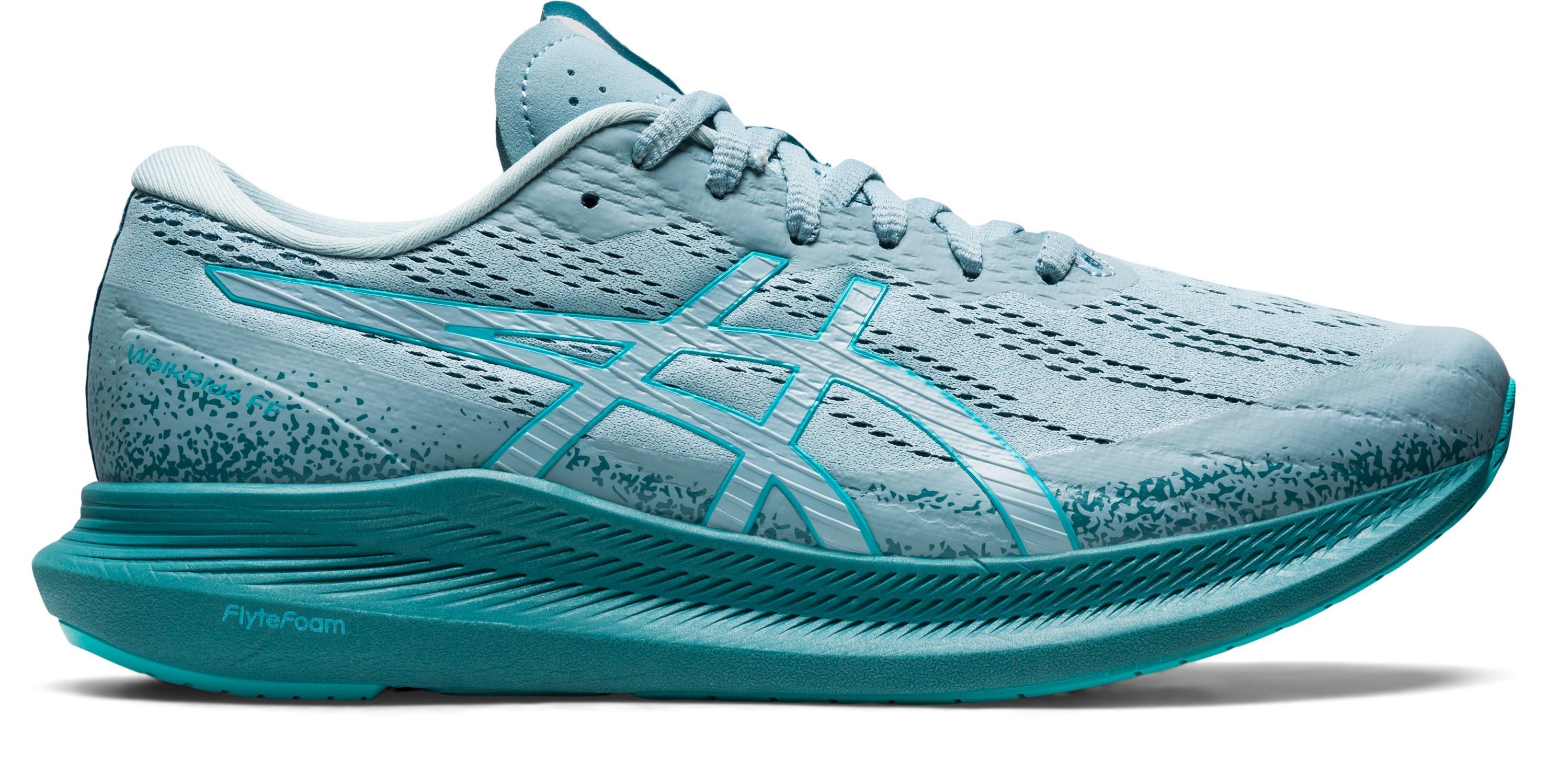
While individual needs vary, certain brands consistently receive praise from foot care professionals for their commitment to biomechanical principles. Brands like Brooks, New Balance, ASICS, and HOKA often feature prominently in discussions of podiatrist recommended walking shoes. Brooks’ Adrenaline GTS series, for instance, is famed for its GuideRails holistic support system, which focuses on keeping knees aligned rather than just controlling the foot. New Balance excels in offering a vast array of widths, a critical but often overlooked dimension of proper fit. ASICS incorporates gel cushioning systems and robust stability technologies born from decades of running research. HOKA has revolutionized maximal cushioning with a meta-rocker geometry that promotes a smooth gait cycle. It’s imperative to remember that the “best” model is the one that fits your foot and addresses your specific gait pattern. A podiatrist’s recommendation is the starting point for a fitting session, not the end. Always try on shoes later in the day when feet are naturally swollen, wear the socks you intend to walk in, and spend several minutes walking around the store to assess the feel.
Investing in Your Foundation: Value Beyond the Price Tag
High-quality, biomechanically sound shoes are an investment in your long-term mobility and pain-free living. While the initial cost may be higher than discount options, the value proposition is clear. A well-constructed shoe from a reputable brand uses durable materials that maintain their support and cushioning for 300-500 miles of walking. A cheap shoe may break down internally long before it appears worn out, leaving your feet unprotected. Consider the cost of a single podiatrist visit or physical therapy session versus the price of a premium shoe—the prevention is profoundly more economical. To make this investment more accessible, look for previous model-year versions of top shoes, which often see significant discounts as new colors are released. Many reputable retailers also offer membership programs with periodic sales and loyalty rewards. Remember, the goal is to bring professional-grade foot care into your daily life without financial strain. Your feet carry you through life; outfitting them with the best tools for the job is one of the most impactful health decisions you can make.
Choosing the right walking shoe is a deliberate act of self-care. It moves beyond fashion and fleeting trends into the realm of functional health. By prioritizing the principles that guide podiatrists—rigorous arch support, a balance of cushioning and stability, a secure heel, a roomy toe box, and breathable materials—you select a partner for your stride that actively contributes to your well-being. Let this understanding guide you to a pair of shoes that doesn’t just feel comfortable for a moment, but fosters a foundation of comfort, mile after mile, day after day.
