

Discover the Best Podiatrist Recommended Walking Shoes for All-Day Comfort
Your feet are your foundation, and the shoes you choose can either be a source of constant support or a catalyst for chronic pain. For anyone who spends significant time on their feet—whether navigating city streets, exploring nature trails, or simply managing daily errands—the quest for the perfect walking shoe is paramount. This isn’t merely about fashion or fleeting trends; it’s about biomechanics, health, and sustained well-being. The guidance of foot health specialists, podiatrists, cuts through marketing hype to deliver evidence-based recommendations for footwear that truly supports. This article delves into the science and expert opinions behind podiatrist recommended walking shoes, offering a comprehensive guide to achieving all-day comfort and preventing foot ailments. We will explore the anatomical principles, dissect key features, and examine specific models that consistently earn professional endorsements, all while connecting you with practical knowledge and value.
The Foundation of Foot Health: Why Podiatrist Endorsement Matters
Podiatry, the branch of medicine devoted to the study, diagnosis, and treatment of disorders of the foot, ankle, and lower extremity, provides a critical lens for evaluating footwear. A podiatrist’s recommendation is rooted in a deep understanding of podiatric biomechanics—the study of the forces acting on the foot and the effects they produce. According to resources like the American Podiatric Medical Association (APMA), improper footwear is a leading contributor to conditions such as plantar fasciitis, metatarsalgia, bunions, and tendonitis. When a shoe earns the APMA Seal of Acceptance, it signifies that a committee of podiatrists has evaluated it and found it promotes good foot health. This seal is a trusted benchmark, but understanding the underlying criteria is key. The foundation lies in three pillars: stability, cushioning, and fit. Stability involves a firm heel counter and often some form of motion control to prevent excessive pronation (inward rolling) or supination (outward rolling), which can misalign the entire kinetic chain from foot to knee to hip. Cushioning, particularly in the heel and forefoot, is not just about softness; it’s about shock attenuation—dissipating the ground reaction forces that travel up the skeleton with each step, which can be 1.2 to 1.5 times your body weight. Finally, fit is non-negotiable. As noted by Dr. Jacqueline Sutera, a New York City-based podiatrist, “Your feet swell throughout the day and as you walk. The best time to shop for shoes is in the afternoon or evening.” A proper fit allows for a thumb’s width of space between your longest toe and the end of the shoe, with no pinching or slippage at the heel. This scientific approach transforms a shoe from a simple covering into a therapeutic device, making the search for podiatrist recommended walking shoes a proactive health decision.
:max_bytes(150000):strip_icc()/favorite-walking-shoes-round-up-november-2024-458c3fc0c6844adca7c0a34ebc5cfb9b.jpg)
Deconstructing the Ideal Walking Shoe: Key Features Explained
To recognize a superior walking shoe, one must move beyond brand names and examine its architectural components. Let’s deconstruct the ideal shoe, feature by feature. First, the upper: it should be made of breathable, flexible materials like engineered mesh to prevent overheating and allow natural foot expansion. Seamless interiors or plush linings minimize friction and the risk of blisters. The toe box is critical; it must be high and wide enough to let your toes splay naturally upon foot strike. This aligns with the principles found in minimalist footwear literature, which emphasizes natural foot function, though here it’s balanced with structured support. The midsole is the engine room. Materials like EVA (ethylene-vinyl acetate) foam, polyurethane, or advanced proprietary compounds like Brooks’ DNA LOFT or ASICS’ GEL provide the essential cushioning and resilience. The geometry of the midsole, including rocker soles—a design that promotes a smooth heel-to-toe transition—is frequently cited by podiatrists for reducing strain on the Achilles tendon and plantar fascia. Dr. Miguel Cunha, founder of Gotham Footcare, often highlights the benefit of a slight heel-to-toe drop (typically 4-8mm) for walkers, as it can reduce calf tension. The outsole requires durable rubber with a flexible groove pattern for traction and natural bend. Finally, the insole or sockliner is often replaceable, a feature podiatrists love. It allows for the insertion of custom orthotics, which are medical devices prescribed to correct specific biomechanical abnormalities. A well-designed podiatrist recommended walking shoe will have a removable insole with adequate depth to accommodate these orthotics without compromising fit or stability. This modularity is a hallmark of a shoe designed for health, not just activity.
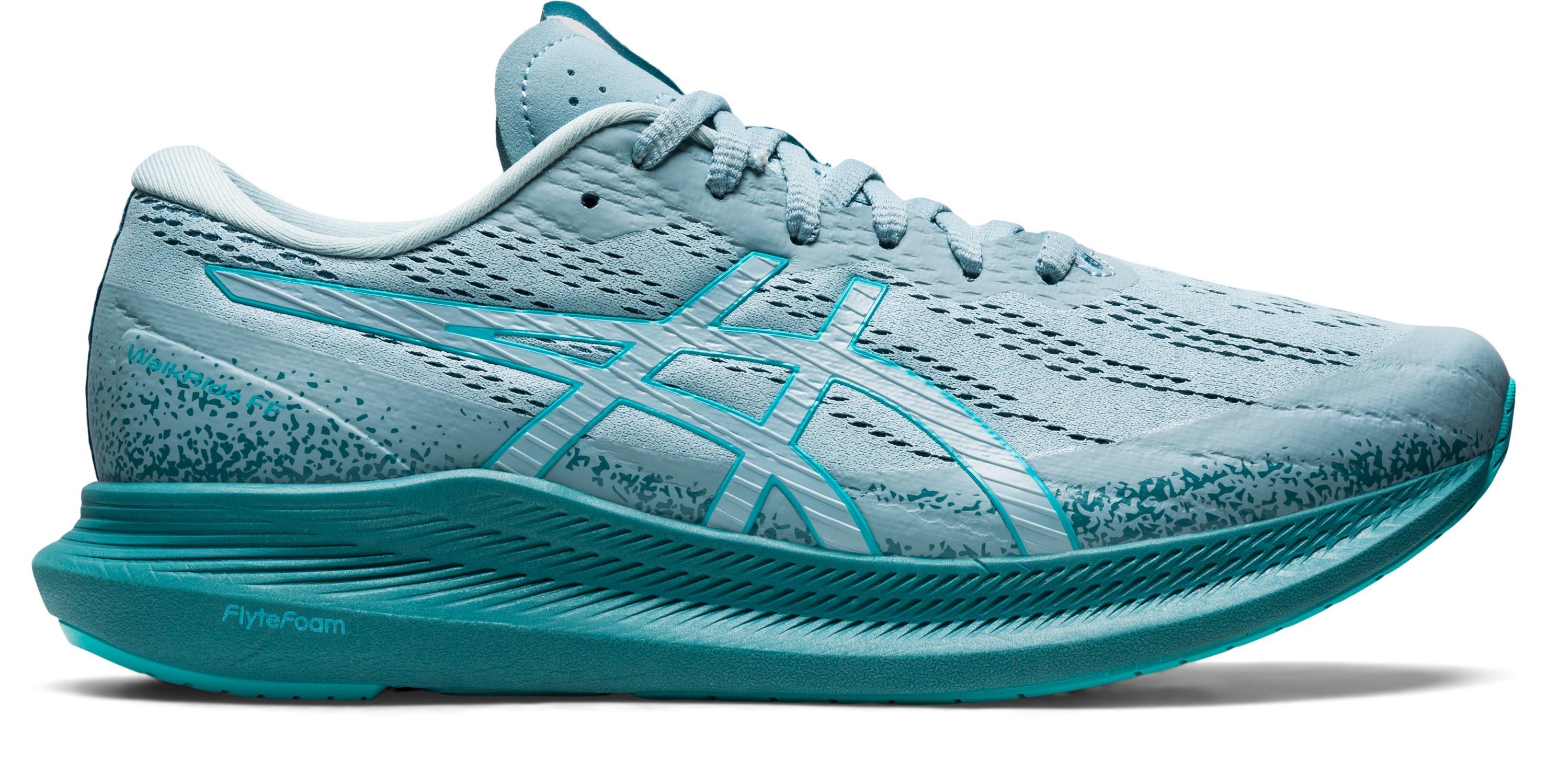
Top Contenders: Categories of Podiatrist-Approved Footwear
The market offers several categories of shoes that consistently receive podiatrist praise, each catering to slightly different needs but united by their adherence to sound biomechanical principles. The first category is the Maximum Cushion/Stability Shoe. Brands like HOKA and Brooks are stalwarts here. HOKA’s meta-rocker geometry and profuse cushioning are frequently recommended for those with plantar fasciitis or who require significant shock absorption. Brooks, with models like the Addiction Walker or the Ghost, offers a blend of reliable stability and soft landings, often earning the APMA Seal. The second category is the Motion Control Shoe. These are for individuals with severe overpronation. They feature a very firm medial (inner) post to limit inward roll. While less common in pure walking styles, some cross-trainers or stability running shoes from brands like ASICS (e.g., the GT-2000 series) serve this purpose under a podiatrist’s guidance. The third category is the Neutral Cushioned Shoe. For walkers with a neutral gait or underpronation (supination), shoes like the New Balance 928 or certain models from Skechers with responsive foams provide comfort without corrective elements. It’s crucial to understand that these categories are not about quality tiers but about functional matches. A quote from The Good Feet Store literature encapsulates this well: “The best shoe is the one that matches your unique foot structure and gait pattern. There is no single ‘best’ shoe for everyone, only the best shoe for you.” This underscores why a podiatrist’s insight—often gained through a gait analysis—is invaluable in navigating these categories to find your perfect pair of podiatrist recommended walking shoes.
:max_bytes(150000):strip_icc()/shp-best-brooks-walking-shoes-tout-f67df3ab5afa4c08a24a63ae6dca3444.jpg)
Beyond the Shoe: Integrative Practices for All-Day Comfort
While investing in the right shoes is the cornerstone, achieving true all-day comfort is an integrative practice. Your footwear is part of a system. Consider your socks: moisture-wicking merino wool or synthetic blends prevent blisters more effectively than cotton, which retains sweat. The surface you walk on also matters; alternating between hard pavement and softer surfaces like grass or tracks can vary the stress on your joints. Furthermore, foot strength and flexibility are often overlooked. Simple exercises, such as toe curls, calf stretches, and rolling a golf ball under the arch, can dramatically improve foot health and how you interact with your shoes. Resources from institutions like the Mayo Clinic emphasize that strong intrinsic foot muscles enhance stability and can reduce reliance on overly supportive shoes over time. It’s also wise to rotate between two pairs of podiatrist recommended walking shoes. This allows the midsole foam to fully rebound between uses, extending the shoe’s cushioning life and performance. Remember, even the best shoes have a lifespan—typically 300-500 miles of walking. Beyond that, the degraded materials no longer provide the intended support or protection, potentially leading to injury. Viewing your shoes as a consumable component of your health regimen, much like a toothbrush or running shoes for an athlete, is a perspective shift that pays long-term dividends in comfort and mobility.
Finding Value: Investing in Your Foundation Without Breaking the Bank
High-quality, medically endorsed footwear often comes with a premium price tag, reflecting advanced materials and research. However, investing in your foot health can prevent costly medical interventions down the line. The key is to shop strategically. First, prioritize fit and function over fashion; a $50 shoe that causes pain is infinitely more expensive than a $150 shoe that prevents it. Look for previous season’s models, which often see significant discounts as new colorways are released. The technology and core design remain excellent. Major holidays and seasonal sales events are prime times to find deals on trusted brands. Additionally, some specialty retailers and online stores offer discounts for healthcare workers, seniors, or members of organizations like AARP. Another avenue is to consider brands that offer direct-to-consumer models, which can provide similar quality at a lower price by cutting out retail middlemen. Crucially, when you find a model that works, consider buying multiple pairs, especially if you catch a sale. The ultimate value of podiatrist recommended walking shoes is not measured merely in their cost but in their return on investment: pain-free steps, increased activity, and the prevention of chronic conditions. As the adage goes, “Take care of your feet, and they will take care of you.” By applying the knowledge of what makes a shoe truly supportive and combining it with savvy shopping, you equip yourself for miles of comfortable, healthy walking.
:max_bytes(150000):strip_icc()/tal-roundup-podiatrist-loved-shoes-on-sale-tout-bdbf5721fa5642efa38b61f6a5b4ff34.jpg)
Your journey to all-day comfort begins with a single, well-supported step. The science is clear, and the expert consensus from podiatrists worldwide points to the non-negotiable importance of proper footwear. By understanding the biomechanical principles, seeking out the hallmarks of quality construction, and integrating smart foot care practices, you transform walking from a potential source of strain into a joyful, sustainable activity. Let the search for your ideal pair of podiatrist recommended walking shoes be an informed and empowering process, leading you toward a foundation of enduring comfort and health.
