

Discover the Best Podiatrist Recommended Walking Shoes for All-Day Comfort
Your feet are your foundation, carrying you through thousands of steps each day. Yet, so many of us endure discomfort, pain, and fatigue simply because we haven’t equipped ourselves with the right footwear. The difference between a shoe that merely covers your foot and one that actively supports, cushions, and aligns your entire musculoskeletal system is profound. This isn’t about fleeting fashion trends; it’s about long-term health and vitality. The quest for the perfect walking shoe can feel overwhelming, but there is a clear path forward: turning to the experts who understand the intricate biomechanics of the human foot. By focusing on podiatrist recommended walking shoes, you are not just buying a product; you are investing in a prescription for mobility, comfort, and injury prevention. This guide will delve into the science of why these specific recommendations matter, explore the non-negotiable features that define them, and highlight how making this informed choice can transform your daily experience from one of endurance to one of effortless movement.
The Science of Support: Why Podiatrist Endorsement Matters
To understand the value of a podiatrist recommended walking shoe, one must first appreciate the complexity of the human foot. It is a marvel of engineering, comprising 26 bones, 33 joints, and over 100 muscles, tendons, and ligaments. According to biomechanics literature from institutions like the University of California’s Department of Orthopaedic Surgery, the foot acts as both a shock absorber and a rigid lever during the gait cycle. When this system is misaligned or unsupported, the consequences ripple upward, potentially causing issues in the ankles, knees, hips, and lower back. Podiatrists, as doctors of podiatric medicine, specialize in diagnosing and treating conditions of the foot, ankle, and related structures of the leg. Their recommendations are rooted in clinical evidence and a deep understanding of gait analysis. As Dr. Jacqueline Sutera, a renowned New York City podiatrist, often states in media interviews, “A good shoe is the cheapest form of orthotics.” This perspective shifts the shoe from a passive accessory to an active therapeutic device. Their endorsements are not casual preferences; they are based on specific criteria that address common pathologies like plantar fasciitis, overpronation, metatarsalgia, and bunions. Therefore, seeking out podiatrist recommended walking shoes is a proactive step in preventative healthcare, aligning your daily wear with principles designed to maintain anatomical integrity and function.
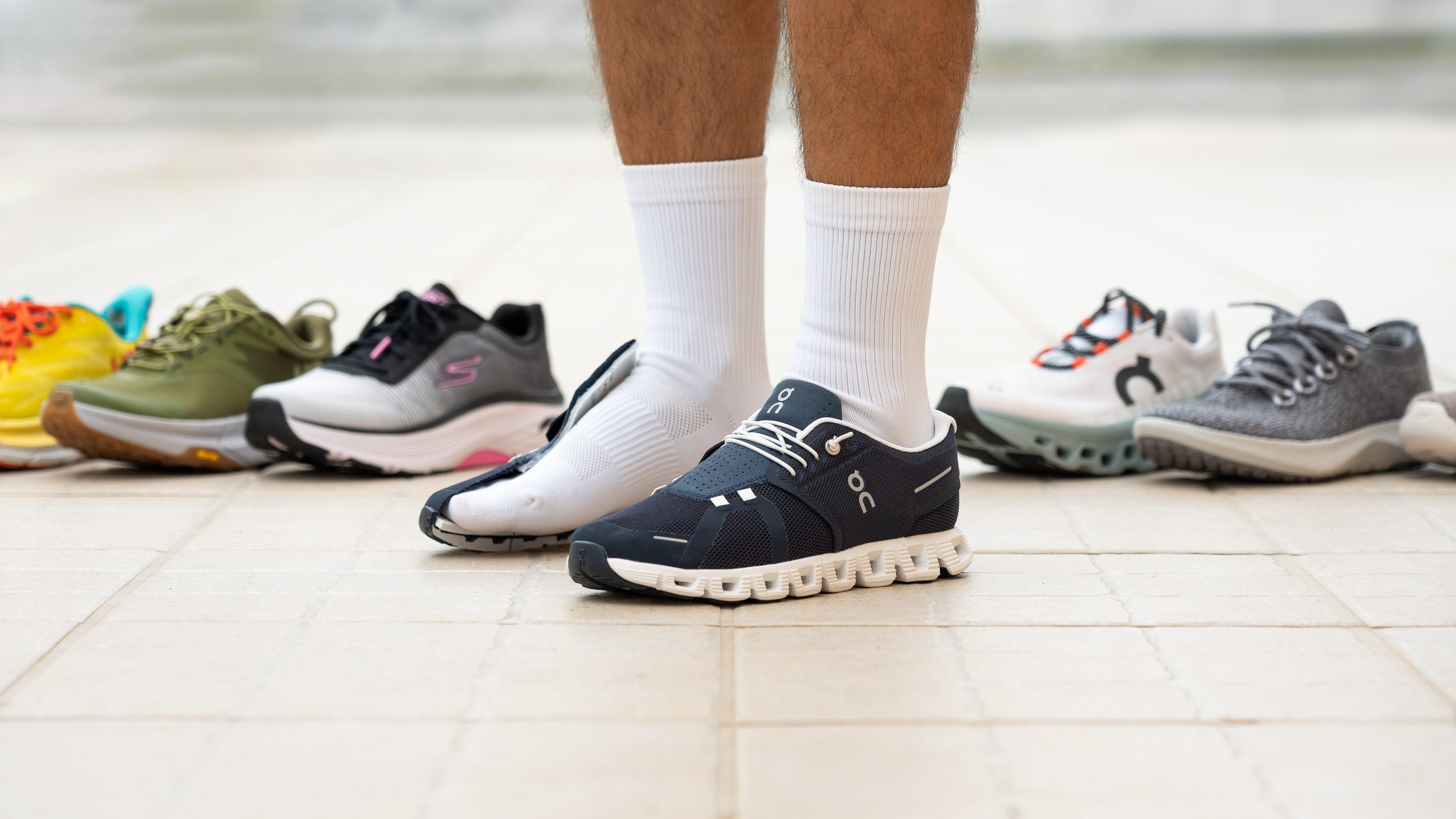
Architectural Pillars: The Non-Negotiable Features of a Superior Walking Shoe
What specific elements transform an ordinary sneaker into a podiatrist-approved powerhouse? The consensus among foot health experts coalesces around several key architectural features. First and foremost is arch support. The arch of the foot is not designed to collapse fully upon weight-bearing; it requires sustained reinforcement. A study cited in the Journal of Foot and Ankle Research emphasizes that proper medial (inner) arch support is critical in controlling overpronation, a rolling inward of the foot that is a leading cause of strain. Secondly, heel counter rigidity is paramount. The heel counter is the firm cup at the back of the shoe that cradles the calcaneus (heel bone). A sturdy, non-collapsible heel counter ensures rearfoot stability, preventing the heel from sliding or twisting, which is a fundamental principle in orthotic design. Third, we have adequate toe box space. As noted by the American Podiatric Medical Association, cramped toe boxes can lead to deformities like hammertoes and exacerbate neuromas. A shoe must allow the toes to splay naturally upon foot strike. Finally, the midsole cushioning and flexibility must strike a delicate balance. The cushioning, often made from advanced materials like EVA or polyurethane, must attenuate shock without being so soft that it destabilizes the foot. Simultaneously, the shoe must flex at the ball of the foot, not the mid-arch, to work in harmony with the foot’s natural rocker motion. A podiatrist recommended walking shoe meticulously integrates all these features, creating a symbiotic environment where the foot can function as nature intended.
Beyond the Hype: Decoding Marketing Jargon vs. Clinical Reality
Navigating the athletic shoe marketplace can feel like wading through a sea of hyperbole. Terms like “energy return,” “cloud-like comfort,” and “barefoot feel” are ubiquitous. How does one reconcile this marketing language with the clinical, evidence-based approach of a podiatrist? The distinction lies in the primary objective. Marketing often prioritizes sensation and novelty to drive sales, while podiatric science prioritizes structure and long-term health. For instance, the minimalist “barefoot” trend, popularized by certain books and media, advocates for thin, flexible soles to “strengthen” the foot. However, from a podiatric standpoint, this approach is suitable for only a very small subset of individuals with perfect biomechanics. For the vast majority, especially those on hard, man-made surfaces, it can lead to a significant increase in stress fractures and soft-tissue injuries. As Dr. Miguel Cunha, founder of Gotham Footcare, explains in online health forums, “The foot needs protection from the ground, not just connection to it.” Similarly, excessive, overly soft cushioning—sometimes marketed as “walking on clouds”—can be deceptive. While initially comfortable, it often lacks the necessary stability and can cause the foot to work harder to find balance, leading to muscle fatigue. A true podiatrist recommended walking shoe cuts through this noise. Its design is validated not by sales figures but by its ability to reduce pain, improve alignment, and support therapeutic outcomes. It represents a fusion of material science and anatomical wisdom, where every component serves a deliberate, protective function.
:max_bytes(150000):strip_icc()/tal-roundup-podiatrist-loved-shoes-on-sale-tout-bdbf5721fa5642efa38b61f6a5b4ff34.jpg)
A Partnership in Every Step: How the Right Shoe Complements Your Unique Gait
One of the most critical insights from podiatry is that there is no single “best” shoe for everyone. The ideal podiatrist recommended walking shoe is one that forms a partnership with your unique biomechanical profile. This begins with understanding your foot type and gait pattern. Are you an overpronator, whose arches flatten and ankles roll inward excessively? Are you a supinator, with high arches that roll outward, creating rigid shock absorption? Or do you have a neutral gait? Podiatrists often perform gait analyses, but you can gain initial insight from the “wet test” (examining the footprint on a dry surface after wetting your foot) or by observing wear patterns on your old shoes. For the overpronator, the partnership requires a shoe with firm medial support and often a “motion control” or “stability” designation. Brands frequently use dual-density midsoles—a firmer, darker foam on the inner side—to prevent the excessive roll. For the supinator, the partnership is about maximizing cushioning and flexibility to compensate for the foot’s inherent rigidity. A neutral gait allows for the widest range, focusing on balanced cushioning and moderate support. Furthermore, this partnership extends to your activities. Are you walking primarily on pavement, treadmill, or trails? The outsole rubber compound and tread pattern must be suited to the surface to provide adequate grip without compromising flexibility. By choosing a shoe that actively addresses your specific needs, you move from a generic consumer to an informed participant in your own foot health, making the concept of podiatrist recommended walking shoes a personalized strategy for wellness.
The Long-Term Investment: Cost Per Mile Versus Initial Price Tag
It is a common hesitation: high-quality, professionally endorsed footwear often carries a higher initial price tag than discount store alternatives. However, adopting a long-term financial and health perspective reveals the true economy of the investment. Consider the concept of “cost per mile.” A $50 shoe that causes discomfort and wears out in three months, potentially leading to a $200 podiatrist visit for plantar fasciitis, is far more expensive than a $140 podiatrist recommended walking shoe that provides blissful comfort for 500 miles and safeguards your musculoskeletal health. Authoritative resources like Consumer Reports consistently find that higher-priced shoes in performance categories offer superior durability and value over time. More importantly, the cost of not investing is measured in more than dollars. It is measured in the pain that prevents you from enjoying a walk in the park, the stiffness that starts your day on a negative note, and the potential for chronic injuries that limit your lifestyle. As the famous runner and author Dr. George Sheehan once wrote, “Everyone is an athlete. The only difference is that some of us are in training, and some are not.” Your feet are your primary athletic equipment, regardless of your fitness level. Protecting them with the best tools available is a non-negotiable aspect of self-care. The market also offers avenues for savings; being an informed shopper means knowing when last season’s models—which retain the core podiatric features—go on sale, or which reputable online retailers offer consistent discounts. The goal is to bring this essential professional knowledge and accessible pricing together, ensuring that optimal foot health is not a luxury, but a sustainable standard for everyone.
:max_bytes(150000):strip_icc()/shp-best-brooks-walking-shoes-tout-f67df3ab5afa4c08a24a63ae6dca3444.jpg)
Stepping Forward with Confidence and Comfort
The journey to finding footwear that truly supports you is a decisive step toward reclaiming the joy of movement. It is a move away from accepting discomfort as a normal part of life and toward embracing a standard of effortless, pain-free mobility. The guidance encapsulated in the term podiatrist recommended walking shoes provides a reliable compass in a crowded market. It directs you to products where engineering serves biology, where design is dictated by anatomy, and where the ultimate goal is harmony between your body and your environment. This is not a conclusion, but an invitation to a new beginning. It is an encouragement to listen to the experts who dedicate their lives to understanding the foundation of your stride, and to apply that knowledge with the confidence that you are making one of the most impactful daily health decisions possible. Your next step, supported by science and designed for endurance, awaits.
:max_bytes(150000):strip_icc()/I-Asked-Podiatrists-for-Their-Fall-Shoe-Recommendations-These-Are-Their-Top-8-Picks-8fbdf9d65f3a4228ae63f6e5253dc08c.jpg)
