

Discover the Best Podiatrist Recommended Walking Shoes for All-Day Comfort
Your feet are the foundation of your movement, and the shoes you choose can either support or sabotage your daily comfort and long-term health. For anyone who spends significant time on their feet—whether navigating city streets, exploring nature trails, or managing the demands of a busy workday—the quest for the perfect walking shoe is paramount. This isn’t merely about fashion or fleeting trends; it’s a critical investment in your biomechanical well-being. The term podiatrist recommended walking shoes has emerged as a gold standard in footwear, signifying products that have been scrutinized and endorsed by medical professionals specializing in foot and ankle health. These experts understand the intricate interplay of bones, muscles, and ligaments, and they recommend shoes designed to harmonize with, rather than fight against, the body’s natural mechanics. This guide delves into the science, the features, and the specific models that earn this esteemed recommendation, moving beyond marketing hype to deliver objective, evidence-based insights that empower you to make an informed choice for unparalleled all-day comfort.
The Science of Support: Why Podiatrist Endorsement Matters
To comprehend the value of a podiatrist recommended walking shoe, one must first understand the biomechanical challenges of walking. The human foot is a complex structure of 26 bones, 33 joints, and over 100 muscles, tendons, and ligaments. With each step, forces equivalent to 1.5 times your body weight travel through this system. Improper footwear can lead to a cascade of issues, from localized pain like plantar fasciitis and bunions to problems radiating upwards, manifesting as knee pain, hip misalignment, and even lower back discomfort. Podiatrists, as Doctors of Podiatric Medicine (DPM), are trained to diagnose and treat these conditions. Their recommendations are rooted in principles of stability, cushioning, and gait analysis. For instance, the American Podiatric Medical Association (APMA) grants its Seal of Acceptance to products that promote good foot health, a credential based on scientific review. A shoe bearing this seal or a direct recommendation from a practicing podiatrist has been vetted for features that provide adequate arch support to prevent overpronation or supination, a sufficiently wide toe box to allow natural splay and prevent neuromas, and a heel counter that locks the foot in place to enhance stability. This professional endorsement transforms a shoe from a simple accessory into a therapeutic device, engineered to distribute impact forces evenly and support the foot’s natural roll from heel strike to toe-off.
:max_bytes(150000):strip_icc()/podiatrist-recommended-walking-shoes-e1b90077185d4e6cadbf6327c4d17db7.jpg)
Decoding the Anatomy of an Ideal Walking Shoe
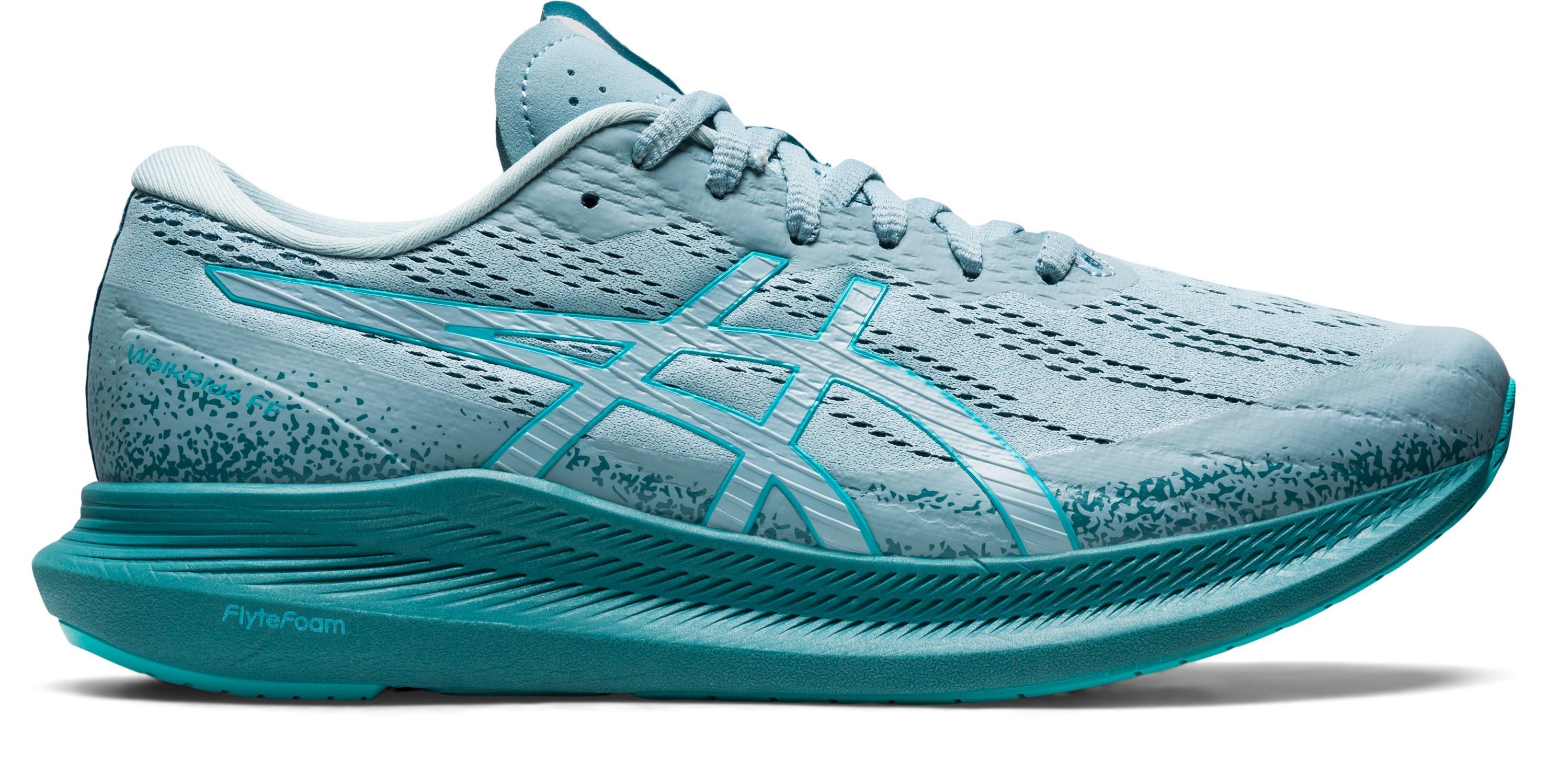
Not all athletic shoes are created equal, and a shoe designed for running often fails as a dedicated walking shoe. The biomechanics differ: walking involves a heel-to-toe rolling motion with one foot always on the ground, requiring specific design elements. Let’s dissect the non-negotiable components that podiatrists look for, which you should prioritize. First, the midsole is the heart of cushioning and stability. Materials like EVA (ethylene-vinyl acetate) foam, polyurethane, or advanced proprietary compounds like Brooks’ DNA LOFT or ASICS’ FlyteFoam provide responsive shock absorption. For those with flat feet or overpronation, a medial post—a firmer density of foam on the inner side of the midsole—is crucial to control excessive inward roll. Second, the heel counter, the rigid cup at the back of the shoe, must be firm. You should not be able to collapse it with your thumb. This element is vital for stabilizing the rearfoot, a key factor in preventing Achilles tendonitis. Third, the toe box must be both deep and wide enough to allow your toes to lie flat without rubbing. As noted by Dr. Jacqueline Sutera, a New York City-based podiatrist, constrictive toe boxes are a leading cause of deformities like hammertoes and bunions. Fourth, the outsole needs flexible grooves, particularly at the ball of the foot, to facilitate the natural foot flexion during the push-off phase of walking. A completely rigid sole impedes this motion and can strain the plantar fascia. Finally, the upper should be made of breathable, flexible materials like engineered mesh to prevent overheating and accommodate foot swelling that occurs throughout the day. When these elements converge in harmony, you have the foundation of a true podiatrist recommended walking shoe.
Top Contenders: A Breakdown of Podiatrist-Approved Models
Navigating the sea of footwear brands can be overwhelming. To simplify, we focus on models consistently praised by podiatrists in publications like Prevention, Verywell Health, and professional forums. It’s important to remember that the “best” shoe is highly individual, based on your foot shape, gait, and specific needs. However, the following categories and models serve as an excellent starting point for your search. For those requiring maximum stability and motion control, the Brooks Addiction Walker is a perennial favorite. Its extended progressive diagonal rollbar is a biomechanical masterpiece, guiding the foot into a neutral position with each step. It’s a common prescription for severe overpronators. In the cushioning category, the HOKA Bondi series stands out with its maximalist midsole. The meta-rocker geometry promotes a smooth heel-to-toe transition, reducing strain on joints—a feature often highlighted by Dr. Brad Schaeffer, a podiatrist featured in Men’s Health. For a blend of stability, cushioning, and versatility, the ASICS Gel-Kayano or New Balance 990 series are iconic. They incorporate gel or foam cushioning systems at key impact points and offer multiple width options, a critical feature for proper fit that many mainstream brands neglect. Finally, for a more flexible, natural feel, the Altra Paradigm or Escalante models offer a “FootShape” toe box and zero-drop platform (heel and forefoot are at the same height), which can help strengthen foot muscles over time, though transitioning to such shoes should be gradual. Each of these exemplifies the principles that define podiatrist recommended walking shoes.
:max_bytes(150000):strip_icc()/I-Asked-Podiatrists-for-Their-Fall-Shoe-Recommendations-These-Are-Their-Top-8-Picks-8fbdf9d65f3a4228ae63f6e5253dc08c.jpg)
Beyond the Shoe: The Critical Role of Professional Fit and Gait Analysis
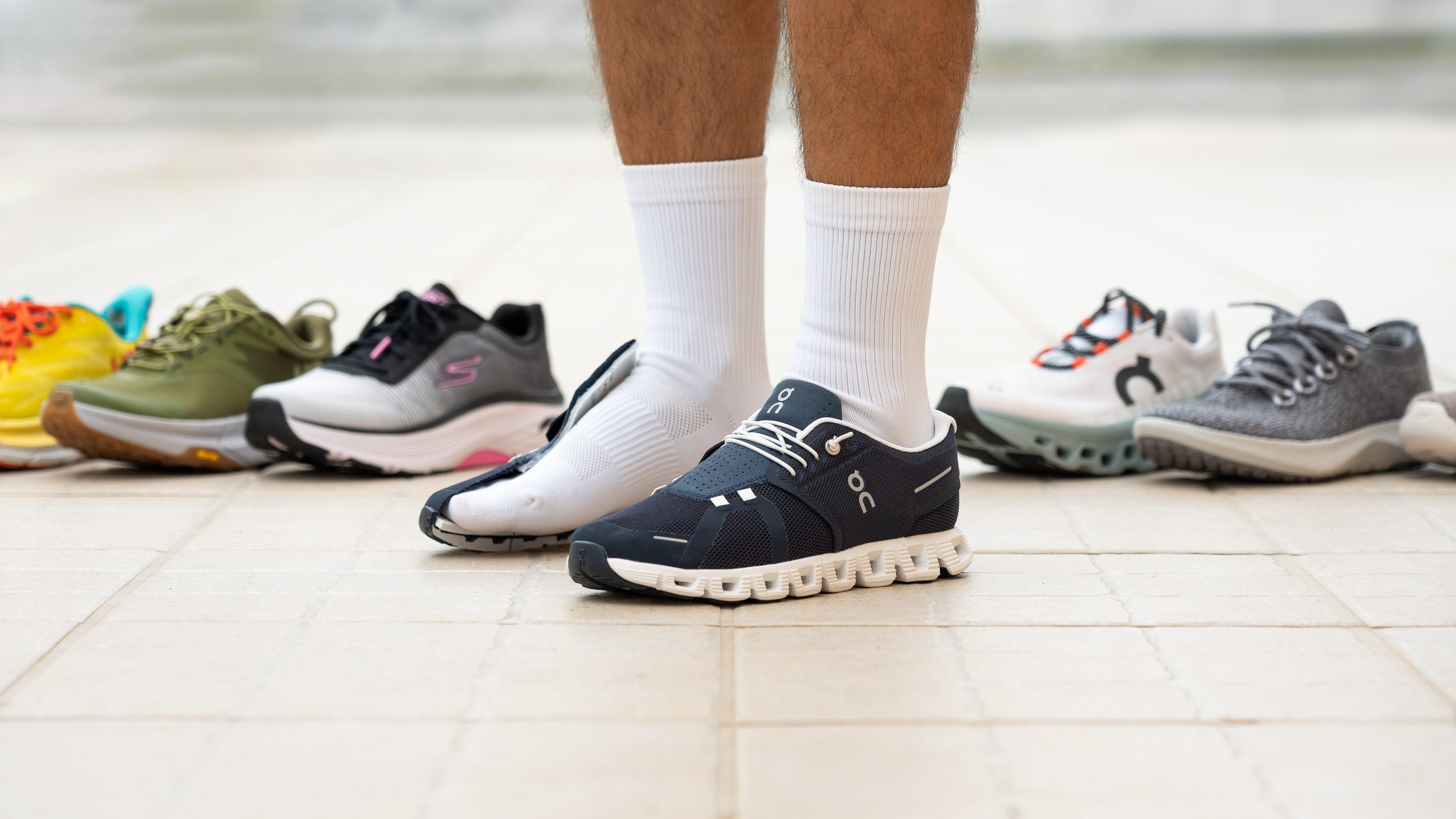
Purchasing a highly-rated shoe online based on a chart is a gamble. The single most important step in your journey is a professional fitting, ideally at a specialty running or walking store with trained staff. These experts can perform a basic gait analysis, often by watching you walk or run on a treadmill. They assess your arch type (high, neutral, or low), your pronation pattern, and measure both the length and, more importantly, the width of your feet. Your shoe size can change over time due to factors like age and weight fluctuation. As the famous quote attributed to Sir John Lubbock goes, “What we see depends mainly on what we look for.” A trained fitter looks for the subtle imbalances a layperson would miss. They will ensure there’s about a thumb’s width of space between your longest toe and the end of the shoe, and that the widest part of your foot aligns with the widest part of the shoe. They may also discuss aftermarket orthotics if you have a specific medical condition. While a quality podiatrist recommended walking shoe provides excellent built-in support, some individuals with significant biomechanical issues may require custom orthotics prescribed by a podiatrist to work in tandem with a neutral, supportive shoe. This holistic approach—combining expert fitting, professional shoe selection, and personalized orthotic support when needed—is the true path to all-day comfort and injury prevention.
Investing in Your Foundation: The Long-Term Value Proposition
It’s tempting to view high-quality walking shoes as an expensive purchase. However, when framed as an investment in preventative health, the value becomes clear. Consider the cost of neglecting your feet: co-pays for doctor visits, physical therapy sessions, orthotic devices, and the intangible cost of pain and reduced mobility. A premium pair of podiatrist recommended walking shoes, typically ranging from $120 to $180, is designed to last between 300 to 500 miles of walking. When amortized over daily use and its role in safeguarding your health, it is a remarkably cost-effective investment. Furthermore, many reputable brands offer robust warranties and durability guarantees. To maximize value, look for previous-season models or sales from authorized retailers, which can offer significant discounts without compromising quality. Remember, the most advanced shoe technology is worthless if the shoe doesn’t fit your unique foot. Therefore, your investment should be directed not just at the product, but at the process of finding the right product for you. This mindset shift—from buying shoes as a commodity to curating them as essential equipment—is what separates those who merely walk from those who walk comfortably, confidently, and healthily for miles and years to come.
The journey to finding the perfect walking shoe is a personal one, but it need not be a solitary or confusing trek. By anchoring your search in the science-backed principles endorsed by podiatry professionals, you move from guesswork to informed selection. Prioritize shoes that offer structured support, intelligent cushioning, and a precise fit above all else. The right pair of podiatrist recommended walking shoes does more than just cover your feet; it actively collaborates with your body’s mechanics, transforming the simple act of walking into a source of strength, comfort, and vitality. Your feet carry you through life’s journey—equip them with the respect and support they deserve.
