

Discover the Best Podiatrist Recommended Walking Shoes for All-Day Comfort
Your feet are the foundation of your movement, and the shoes you choose can either support or sabotage your daily comfort and long-term health. The quest for the perfect walking shoe is not merely about style or trend; it’s a critical decision impacting your biomechanics, posture, and overall well-being. This guide cuts through the marketing noise to focus on what truly matters: the science and professional endorsement behind footwear designed for sustained comfort. We will explore the anatomical principles, dissect key features, and present objective evidence on why podiatrist recommended walking shoes are non-negotiable for anyone who spends significant time on their feet. Forget generic advice; we’re building our case on biomechanics, material science, and the consensus of foot health experts.
The Foundation of Foot Health: Why Professional Recommendation Matters
To understand the value of a podiatrist recommended walking shoe, one must first appreciate the complex engineering of the human foot. Comprising 26 bones, 33 joints, and over 100 muscles, tendons, and ligaments, the foot is a marvel of natural architecture designed for both stability and propulsion. According to resources from institutions like the American Podiatric Medical Association (APMA) and anatomical literature from universities such as Stanford’s Division of Biomechanical Engineering, the foot’s primary functions—shock absorption, adaptation to terrain, and providing a rigid lever for push-off—are easily compromised by improper footwear. A podiatrist, as a Doctor of Podiatric Medicine (DPM), specializes in diagnosing and treating conditions of the foot, ankle, and related structures of the leg. Their recommendations are therefore rooted in preventing pathologies like plantar fasciitis, metatarsalgia, and Achilles tendinitis. When a shoe earns the APMA Seal of Acceptance, for instance, it signifies that a committee of podiatrists has scientifically evaluated the shoe and found it promotes good foot health. This seal is not given lightly; it requires the shoe to meet specific criteria regarding stability, flexibility, and adequate support. Therefore, choosing a podiatrist recommended walking shoe is not a passive act of consumption but an active investment in preventative healthcare, aligning your daily wear with clinical standards designed to preserve your foot’s natural function and comfort throughout the day.
:max_bytes(150000):strip_icc()/tal-10-podiatrist-approved-open-toed-shoes-tout-00bd6ff1c36a49cdbbff486b0b54fb27.jpg)
Deconstructing Comfort: The Five Pillars of an Ideal Walking Shoe
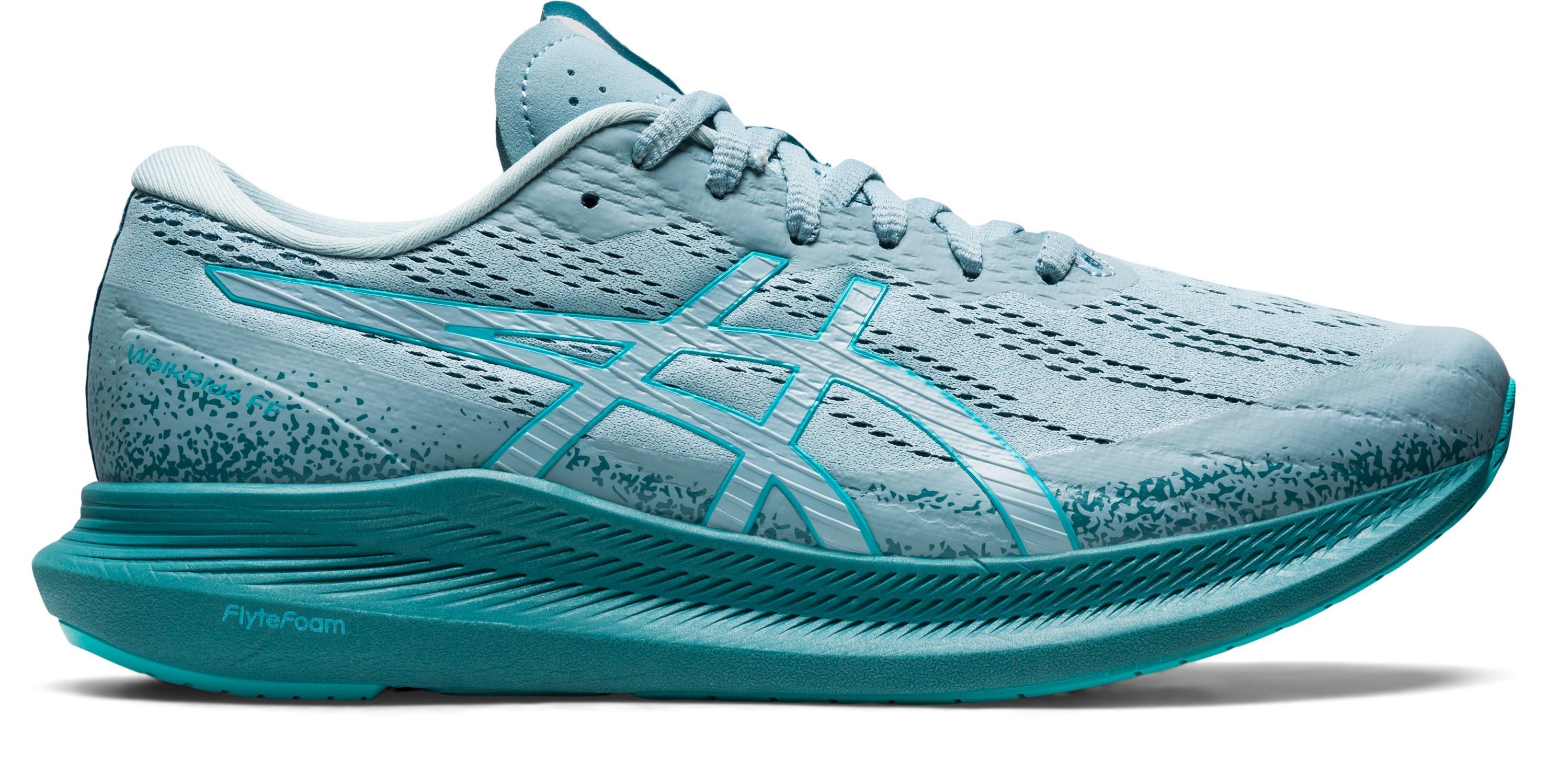
Comfort in a walking shoe is a multi-faceted achievement, not a single feature. It is the harmonious result of several engineered components working together. Let’s break down the five non-negotiable pillars that define a superior, podiatrist recommended walking shoe. First, Arch Support and Contouring: The arch is the foot’s natural shock absorber. A shoe must have a well-defined, firm yet compliant arch support that matches the wearer’s arch type (neutral, low, or high). This prevents overpronation or supination, which can lead to joint stress up the kinetic chain, affecting knees, hips, and the lower back. Second, Heel Counter and Stability: The rigid cup at the back of the shoe, the heel counter, is crucial. It cradles the calcaneus (heel bone) to control excessive rearfoot motion. A study cited in the Journal of Foot and Ankle Research emphasizes that a firm, well-padded heel counter reduces strain on the plantar fascia. Third, Toe Box Geometry: The front of the shoe must be deep and wide enough to allow toes to splay naturally upon foot strike. Constriction here can lead to neuromas, bunions, and hammertoes. As noted by Dr. Jacqueline Sutera, a New York City-based podiatrist, in various health media interviews, “Your toes should never feel cramped. They need room to move and grip.” Fourth, Midsole Cushioning and Responsiveness: This is the heart of shock attenuation. Materials like EVA (ethylene-vinyl acetate), polyurethane, and newer proprietary foams (like ASICS’s FlyteFoam or Brooks’s DNA LOFT) provide a balance of soft cushioning for comfort and resilient responsiveness for energy return. The goal is to dissipate impact forces without making the shoe unstable. Fifth, Flexibility at the Forefoot: The shoe should bend easily at the ball of the foot, where the foot naturally flexes during the toe-off phase of the gait cycle. Excessive stiffness in this area forces the foot and calf muscles to work harder, leading to fatigue. A true podiatrist recommended walking shoe will excel across all these pillars, creating a synergistic system of support.
Evidence in Action: What the Experts and Research Say
Objective validation is key. The superiority of professionally vetted footwear isn’t anecdotal; it’s supported by a body of expert opinion and observational data. For example, on platforms like Quora and specialized running/walking forums, discussions often reference podiatrists’ common advice: prioritize fit and function over fashion for daily wear. Literature from authoritative sources like the McGill Guide to Footwear often underscores the correlation between poorly designed shoes and chronic musculoskeletal complaints. Furthermore, certified celebrity trainers and health advocates on YouTube and Twitter frequently echo this sentiment. While not podiatrists themselves, figures like Joe Wicks have been known to collaborate with physiotherapists to stress the importance of proper footwear in foundational fitness. More compelling are direct statements from DPMs. Dr. Miguel Cunha, founder of Gotham Footcare in NYC, is often quoted in lifestyle magazines stating, “A good walking shoe acts as an external skeleton for your feet, providing structure where your muscles and ligaments may fatigue.” This perspective aligns with biomechanical principles taught at podiatric medical colleges. The consensus is clear: the right shoe is a therapeutic device. It’s why many podiatrist recommended walking shoes feature technologies originally developed for clinical orthotics, such as medial posts for motion control or rocker soles to offload pressure from painful joints. By choosing a shoe backed by this depth of expertise, you are effectively extending the care of a clinical consultation into every step you take.
Navigating the Market: From Principles to Purchase
Armed with the knowledge of what makes a great walking shoe, how does one translate this into a smart purchase? The market is saturated with options labeled “comfort” or “walking,” but only a subset meets the rigorous criteria we’ve outlined. Your first step is to identify your specific needs. Have you been diagnosed with a particular condition like flat feet? Do you walk primarily on pavement or trails? Your body weight and gait pattern also influence the level of cushioning and stability required. Brands like ASICS, New Balance, Brooks, HOKA, and Saucony consistently receive praise from podiatric communities for their focus on biomechanical research. Many of their models frequently appear on “best of” lists from sources like Verywell Health or Prevention magazine, which consult with medical professionals. Crucially, the era of direct-to-consumer brands and online outlets has made accessing these top-tier podiatrist recommended walking shoes more affordable than ever. Major retailers often run sales during seasonal transitions, and signing up for brand newsletters can yield significant discounts, sometimes bringing premium $150 shoes into a more accessible $100-$120 range. Remember, investing in quality footwear is a cost-saving measure in the long run, potentially averting expensive medical bills for foot-related issues. The goal is to bring this professional-grade knowledge and savvy shopping together, ensuring you get the technology you need at a price that respects your budget.

The Final Step: Integrating Your Shoes into a Holistic Approach
Purchasing the ideal podiatrist recommended walking shoe is a pivotal step, but it is not the final one. For all-day comfort to be realized, the shoe must be part of a holistic foot care strategy. This means ensuring a proper fit—ideally, your feet should be measured later in the day when they are slightly swollen, and there should be about a thumb’s width of space between your longest toe and the end of the shoe. It means recognizing that even the best shoes have a lifespan; most experts, including those cited in Runner’s World guides, recommend replacing walking shoes every 300-500 miles, as the midsole foam compresses and loses its protective properties. Furthermore, complement your footwear with supportive practices. Simple foot exercises, like toe curls and calf stretches, can strengthen the intrinsic muscles of the foot. Using orthotic inserts, if recommended by a professional, can customize the fit and support of even an excellent shoe. The synergy between proactive self-care and purpose-built equipment is powerful. As the ancient Greek philosopher Socrates reportedly said, albeit in a different context, “The beginning of wisdom is the definition of terms.” In our context, defining the terms of what makes a shoe truly supportive is the beginning of a journey toward relentless, all-day comfort. Your choice in footwear is a daily declaration of how much you value your mobility and health.
Ultimately, the pursuit of all-day comfort is grounded in informed choice, not chance. By prioritizing shoes built on podiatric principles—superior arch support, a secure heel counter, a spacious toe box, responsive cushioning, and strategic flexibility—you actively participate in preserving your foot’s intricate mechanics. This isn’t about following a fleeting trend; it’s about aligning with an evidence-based standard of care that supports every step of your day. Let your footwear be a testament to that understanding, a foundation as reliable and well-constructed as the feet it serves.
