

Discover the Best Podiatrist Recommended Walking Shoes for All-Day Comfort
Your feet are your foundation, carrying you through thousands of steps each day. Yet, so often, they are an afterthought, crammed into footwear chosen for style over substance, leading to a cascade of discomfort that can ripple up through your entire body. The quest for all-day comfort isn’t merely about avoiding sore feet at the end of a long shift or a day of travel; it’s a fundamental investment in your overall musculoskeletal health and daily well-being. This is where the specialized guidance of podiatry becomes invaluable. Moving beyond marketing buzzwords and fleeting fashion trends, podiatrist recommended walking shoes are engineered based on biomechanical principles to provide support, cushioning, and stability where your feet truly need it. This article delves into the science of foot health, distills the wisdom from leading foot care experts, and guides you toward the footwear choices that can transform your daily stride from a chore into a pleasure.
The Science of the Stride: Why Your Shoes Matter More Than You Think
Walking is a complex, coordinated series of movements involving not just the feet, but the ankles, knees, hips, and spine. Each foot contains 26 bones, 33 joints, and over 100 muscles, tendons, and ligaments. When this intricate system is housed in a poorly designed shoe, the consequences are predictable. Pronation—the natural inward roll of the foot upon landing—can become excessive, leading to flattened arches and strain. Supination—an outward roll—can place excessive pressure on the foot’s outer edge. Both deviations from a neutral gait can contribute to a host of issues, from plantar fasciitis and Achilles tendinitis to shin splints and knee pain. As noted by the American Podiatric Medical Association (APMA), proper footwear is the first line of defense. A podiatrist recommended walking shoe is designed to counteract these imbalances. It features a firm heel counter to control rearfoot motion, adequate arch support to maintain the foot’s natural structure, and a flexible yet supportive forefoot to allow for a proper toe-off. The goal is not to force the foot into an unnatural position, but to guide it through its natural gait cycle with optimal efficiency and minimal stress. Think of it as precision engineering for the human body’s most fundamental form of locomotion.
:max_bytes(150000):strip_icc()/I-Asked-Podiatrists-for-Their-Fall-Shoe-Recommendations-These-Are-Their-Top-8-Picks-8fbdf9d65f3a4228ae63f6e5253dc08c.jpg)
Decoding the Hallmarks of a Superior Walking Shoe
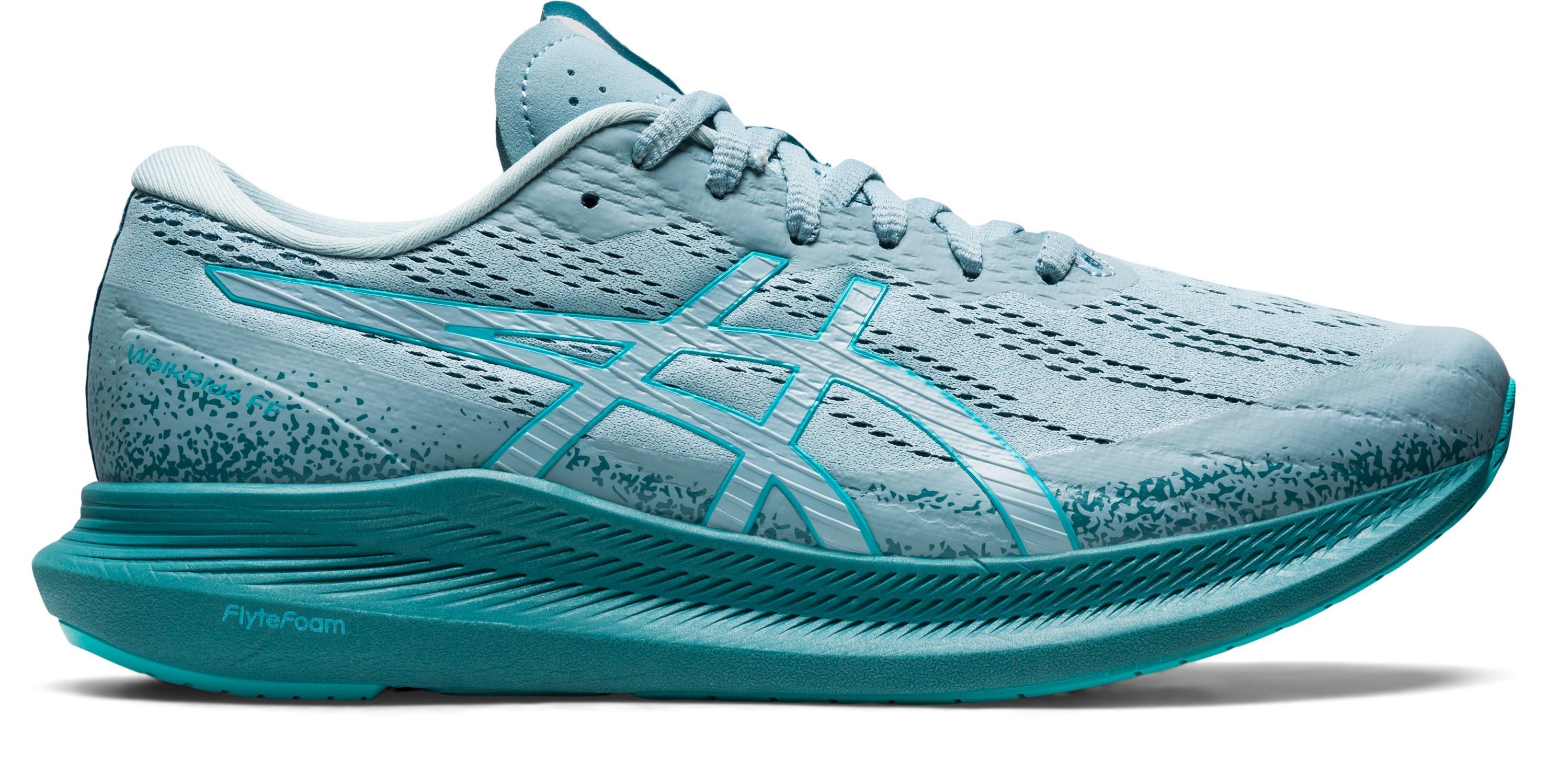
What specific elements transform an ordinary sneaker into a podiatrist recommended walking shoe? The distinction lies in a combination of design features that work in concert. First, let’s consider the midsole, the heart of the shoe’s cushioning and stability. Materials like ethylene-vinyl acetate (EVA) or polyurethane provide shock absorption, but advanced formulations like Brooks’ DNA LOFT or ASICS’ FlyteFoam offer a blend of softness and responsive rebound that lasts for miles. Next is the last—the shape around which the shoe is built. A shoe with a straight or semi-curved last typically provides more stability for those who overpronate compared to a highly curved last. The outsole’s tread pattern is not just for show; a durable rubber with a flexible groove pattern ensures secure traction and facilitates the foot’s natural bending motion. Furthermore, the upper’s construction is critical. It should be made of breathable, flexible materials that conform to your foot without constriction, with seamless interiors to prevent friction and blister formation. As Dr. Jacqueline Sutera, a New York City-based podiatrist and spokesperson for the APMA, often emphasizes, “A good walking shoe should feel supportive and comfortable from the moment you put it on, without a ‘break-in’ period.” This immediate comfort is a hallmark of a design that aligns with podiatric principles.
Arch Support: The Non-Negotiable Foundation
Perhaps no feature is more debated and misunderstood than arch support. The arch of your foot acts as a natural shock absorber, and its integrity is paramount. For individuals with flat feet (pes planus) or high arches (pes cavus), off-the-shelf shoes often fail miserably. A podiatrist recommended walking shoe will offer varying levels of arch support, often integrated into the removable insole. For some, this built-in support suffices. For others, particularly those with significant biomechanical issues or conditions like plantar fasciitis, a podiatrist may prescribe custom orthotics. These medical-grade inserts are crafted from a mold of your foot to provide precise, three-dimensional support that corrects alignment and redistributes pressure. The synergy between a well-constructed shoe and a proper orthotic is powerful. As highlighted in literature from the University of Pittsburgh School of Medicine’s Department of Orthopedic Surgery, appropriate arch support can significantly reduce pain and improve function in patients with common foot disorders. Therefore, when evaluating shoes, pay close attention to the structure beneath your arch—it should feel firm and supportive, not soft and collapsing.
Expert Voices: What Podiatrists Are Actually Recommending
Cutting through the noise of online reviews and influencer endorsements, the most reliable recommendations come from the professionals who treat foot ailments daily. Across platforms like Quora, YouTube, and professional publications, a consensus emerges around brands and models that consistently deliver on podiatric principles. Brands like Brooks, ASICS, New Balance, HOKA, and Saucony are frequently cited for their commitment to biomechanical research. For instance, the Brooks Addiction Walker is a perennial favorite for its extended progressive diagonal rollbar, a technology designed to limit excessive pronation. HOKA’s Bondi series is celebrated for its maximalist cushioning, ideal for those with joint pain or who are on their feet for extended periods. On social media, certified podiatrists like Dr. Brad Schaeffer of Manhattan’s Sole Podiatry often showcase and explain the features of these trusted models, bringing professional knowledge directly to users. He might note, “When a patient comes in with metatarsalgia (ball-of-foot pain), I often look at shoes with a wider toe box and a rocker sole, like certain models from Altra or Brooks. It’s about matching the technology to the pathology.” This direct application of professional insight is what separates a generic shoe list from a curated guide to podiatrist recommended walking shoes.
From Heel to Toe: A Feature-by-Feature Breakdown for the Discerning Buyer
Armed with an understanding of the “why,” let’s meticulously examine the “what.” When you pick up a potential walking shoe, conduct your own podiatric assessment. Start with the heel counter: squeeze it. It should be rigid and not easily collapse; this ensures your heel remains stable and doesn’t wobble with each step. Perform the “twist test”: hold the shoe at the toe and heel and gently twist. A good walking shoe will offer resistance, indicating torsional stability for midfoot support. Then, check the bend: the shoe should flex easily at the ball of the foot (where your toes meet the rest of your foot), but not in the middle. Bending in the arch area signifies a lack of support. Don’t forget the toe box: there should be about a thumb’s width of space between your longest toe and the end of the shoe, and ample width so your toes can splay naturally without rubbing against the sides. This space is crucial for balance and propulsion. Finally, consider the weight. While cushioning is important, a shoe that is excessively heavy can lead to leg fatigue. The best podiatrist recommended walking shoes strike a delicate balance between substantial support and manageable weight, ensuring you can move freely and comfortably throughout your day.
:max_bytes(150000):strip_icc()/shp-best-brooks-walking-shoes-tout-f67df3ab5afa4c08a24a63ae6dca3444.jpg)
Investing in Your Foundation: Value Beyond the Price Tag
It’s true that high-quality, biomechanically sound walking shoes often come with a higher initial price tag than discount store alternatives. However, this is an investment with a profound return. Consider the cost not just in dollars, but in the potential expense of pain, medical bills for treatments like physical therapy or custom orthotics, and the lost quality of life from activities curtailed by discomfort. A durable pair of properly fitted podiatrist recommended walking shoes can last for 300-500 miles of walking before the midsole’s cushioning breaks down. To make this investment more accessible, savvy shoppers can look for previous model-year versions of top-rated shoes, which are often sold at significant discounts as new models are released. Many reputable retailers also offer loyalty programs, seasonal sales, and discounts for healthcare workers, teachers, or seniors. The key is to prioritize the correct fit and features over the latest colorway. As the ancient proverb, often echoed in modern wellness circles, reminds us: “The bitterness of poor quality remains long after the sweetness of low price is forgotten.” Your feet, and by extension your entire body, will thank you for choosing substance and science over short-term savings.
The journey to all-day comfort begins from the ground up. By choosing footwear grounded in podiatric science—prioritizing structured support, intelligent cushioning, and a biomechanically sound fit—you are doing far more than buying a pair of shoes. You are making a conscious decision to support your body’s architecture, to prevent injury, and to enhance your daily mobility. The market is filled with options labeled as “walking shoes,” but the true gems are those that earn the distinction of being podiatrist recommended walking shoes. Listen to the experts, understand the features that matter, and invest in the foundation that carries you through life. Your next step should be your most comfortable one yet.
:max_bytes(150000):strip_icc()/podiatrist-recommended-walking-shoes-e1b90077185d4e6cadbf6327c4d17db7.jpg)
