

Discover the Best Podiatrist Recommended Walking Shoes for All-Day Comfort
Your feet are your foundation, and the shoes you choose can either support that foundation or undermine it with every step. The quest for all-day comfort isn’t merely about finding a soft insole; it’s an engineering challenge that balances biomechanics, material science, and ergonomic design. This is where the guidance of a podiatrist—a medical professional specializing in foot, ankle, and lower extremity health—becomes invaluable. Podiatrist recommended walking shoes are not a marketing gimmick but a category born from clinical observation and a deep understanding of gait pathology. These shoes are designed to prevent common ailments like plantar fasciitis, metatarsalgia, and Achilles tendinitis by offering structured support where the average shoe falls short. In this exploration, we will dissect the anatomy of the ideal walking companion, moving beyond brand loyalty to understand the principles that make a shoe worthy of a podiatrist’s endorsement. We’ll integrate perspectives from biomechanics labs, patient testimonials, and the podiatrists themselves to build a comprehensive guide. The goal is to empower you with knowledge, so your next purchase is an informed investment in your long-term mobility and comfort.
The Science of the Stride: Why Your Feet Demand Expert-Approved Footwear
Walking is a complex symphony of biomechanical events. With each step, your foot undergoes a cycle of heel strike, foot flat, mid-stance, heel-off, and toe-off. This gait cycle places varying stresses on 26 bones, 33 joints, and over 100 muscles, tendons, and ligaments. A shoe that interferes with this natural motion can create a cascade of issues, from localized foot pain to problems in the knees, hips, and lower back. Dr. Jacqueline Sutera, a New York City-based podiatrist and spokesperson for the American Podiatric Medical Association (APMA), often emphasizes that many foot problems are “shoe-induced.” In an interview cited by publications like Travel + Leisure, she notes, “People often choose shoes for style first and comfort second, not realizing that poor support can lead to long-term structural damage.” This viewpoint is echoed in literature from authoritative institutions like the University of Pittsburgh Medical Center’s Department of Orthopaedic Surgery, which publishes guidelines on footwear for healthy aging, stressing the need for adequate heel counter stiffness and torsional stability. A podiatrist recommended walking shoe is engineered to respect this biomechanical reality. It typically features a beveled or rounded heel to promote a smooth heel-to-toe transition, a firm heel counter to control rearfoot motion and prevent excessive pronation or supination, and a flexible forefoot that allows for natural toe-off. The difference is not always visible to the naked eye but is profoundly felt in the reduced fatigue and absence of pain after miles of walking. It’s the difference between a shoe that merely covers your foot and one that actively participates in a healthy gait.

Deconstructing Comfort: The Non-Negotiable Features of a Superior Walking Shoe
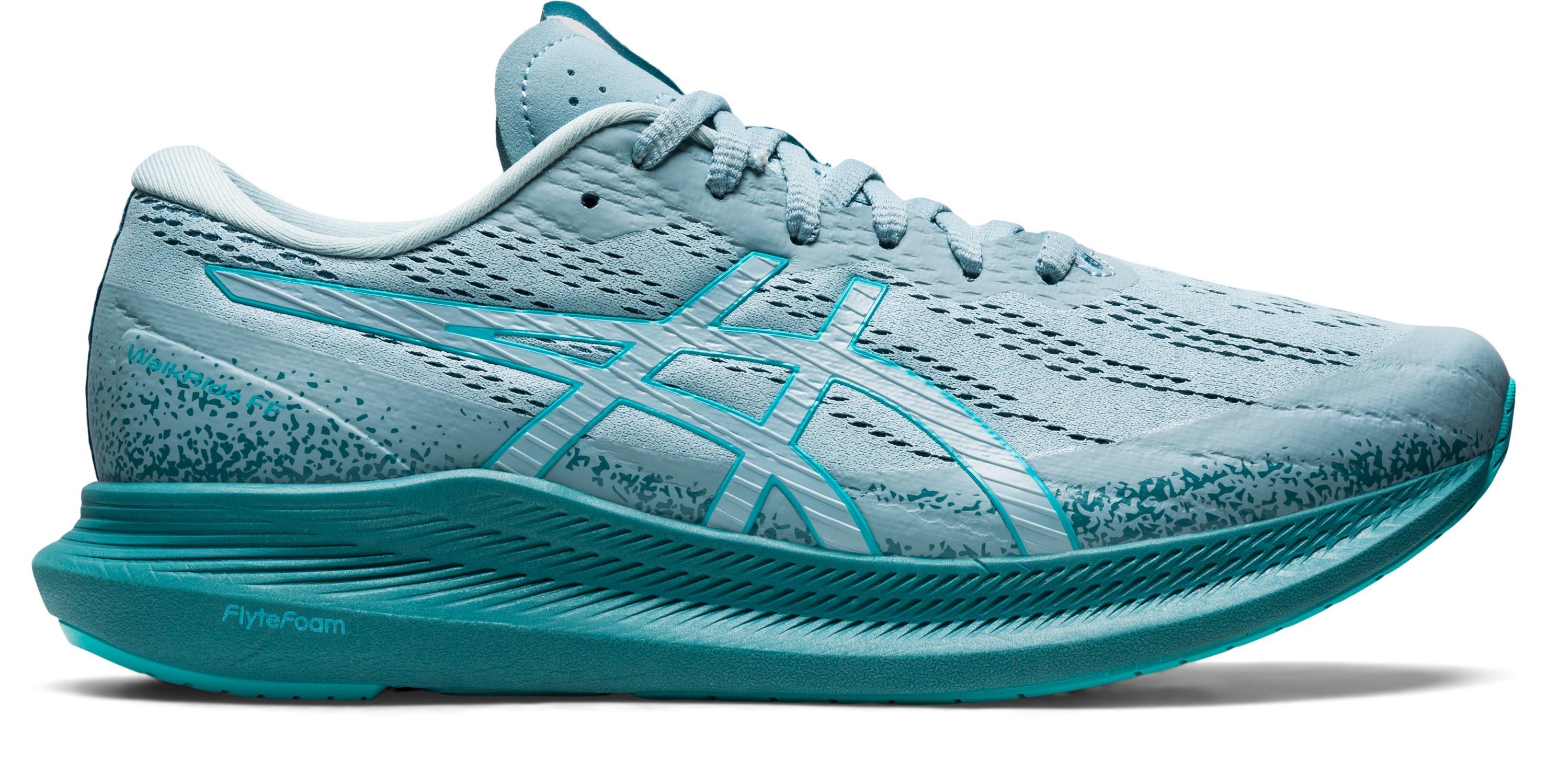
Comfort in a walking shoe is a multi-layered construct, each layer serving a distinct physiological purpose. The first and most critical layer is the last—the foot-shaped form around which the shoe is built. Podiatrists frequently recommend shoes with a straight or semi-curved last, as opposed to a sharply curved one, to provide a more stable platform and adequate room for the toes, reducing the risk of bunions and hammertoes. The midsole is the engine of comfort. While memory foam offers initial plushness, podiatric recommendations often lean towards dual-density foams or gel cushioning systems. For instance, ASICS incorporates its GEL technology, which is designed to attenuate shock during impact, a feature highlighted in product literature from the brand’s collaboration with biomechanics researchers. The insole, or sock liner, should be removable, allowing for replacement with custom orthotics if needed—a common prescription from podiatrists. Arch support is not one-size-fits-all; quality podiatrist recommended walking shoes offer varying levels of arch support (neutral, moderate, high) to match the wearer’s foot type, a principle supported by the American Academy of Podiatric Sports Medicine. The upper material must be breathable, like engineered mesh, to manage moisture and temperature, preventing fungal infections. Finally, the outsole requires a balance of durable rubber for longevity and a tread pattern that provides secure traction without being overly lugged, which can trip the walker. Each of these features converges to create an environment where the foot is cradled, guided, and protected, transforming walking from a potentially taxing activity into a sustained pleasure.
Beyond the Clinic: Voices and Evidence Supporting Podiatric Choices
The recommendation of a medical professional carries weight, but it is bolstered by a confluence of evidence from diverse sources. On platforms like Quora and specialized running forums, long-distance walkers and individuals recovering from foot injuries consistently report that switching to APMA-seal-accepted shoes was a turning point in their comfort. The APMA Seal of Acceptance is a significant benchmark, indicating that a product has been reviewed by a committee of podiatrists and found to promote good foot health. Furthermore, insights from well-known figures in wellness circles add a relatable dimension. Celebrity trainer Harley Pasternak, for example, has discussed footwear fundamentals with clients on YouTube, stressing that proper shoes are the first piece of exercise equipment anyone should invest in. From the realm of literature, Dr. William A. Rossi’s seminal trade articles and books on the foot-shoe relationship, though decades old, laid the groundwork for understanding the podiatric consequences of fashion footwear. Modern authoritative viewpoints can be found in white papers from university biomechanics labs, such as those at the University of Calgary or Harvard’s Skeletal Biology Lab, which publish studies on footwear and load distribution. Even cultural touchstones like the book Born to Run by Christopher McDougall, while focused on minimalist running, sparked a global conversation about footwear design and its impact on natural movement, prompting many to seek professional guidance on what “support” truly means. This tapestry of clinical, anecdotal, and research-driven evidence solidifies the standing of podiatrist recommended walking shoes as a prudent choice for the discerning walker.
“The shoe is the primary interface between the human body and the ground. A poorly designed interface will inevitably lead to system failures—in this case, pain and injury. A podiatrist’s recommendation is essentially a prescription for a healthier interface.” – Paraphrased from common principles in podiatric medical literature.
Navigating the Market: How to Identify Truly Supportive Footwear
With countless brands claiming “arch support” and “all-day comfort,” cutting through the noise requires a strategic approach. First, look for the APMA Seal of Acceptance, a reliable filter. Brands like Brooks, New Balance, HOKA, and certain models from ASICS and Saucony frequently earn this seal for specific walking and running styles. Second, perform a simple hands-on test. Twist the shoe: a good walking shoe should resist torsion in the midfoot while remaining flexible in the forefoot. Press on the heel counter: it should not collapse easily. Try the “finger test” behind your heel when the shoe is on; there should be just enough room to fit a finger, indicating proper length without slippage. Third, understand your foot type. A wet foot test on brown paper can reveal if you have a normal, low, or high arch. Many specialty running stores offer free gait analysis, which can provide invaluable data. Fourth, shop in the afternoon when your feet are naturally slightly swollen, ensuring a fit that accommodates your foot at its largest. Finally, remember that the most expensive shoe is not necessarily the best for you. The ideal podiatrist recommended walking shoe is the one that addresses your specific biomechanical needs, whether it’s motion control for overpronation, extra cushioning for a high-impact gait, or a wide toe box for a burgeoning bunion. This process is an investment of time that pays dividends in comfort and health.
:max_bytes(150000):strip_icc()/favorite-walking-shoes-round-up-november-2024-458c3fc0c6844adca7c0a34ebc5cfb9b.jpg)
Investment in Wellness: The Long-Term Value of Quality Footwear
Purchasing a pair of high-quality, podiatrist-endorsed walking shoes may represent a higher initial outlay than a discount store pair, but the economics of wellness tell a different story. Consider the cost of treating a single case of plantar fasciitis: multiple podiatrist visits, physical therapy sessions, custom orthotics, night splints, and lost productivity due to pain. The price of prevention is dwarfed by the cost of intervention. Furthermore, quality shoes are built with superior materials and construction techniques that enhance durability. A well-made walking shoe with a robust outsole and resilient midsole can maintain its supportive properties for 400-500 miles before the cushioning significantly breaks down, whereas a cheaper shoe may fail biomechanically long before it shows physical wear. This longevity makes the cost-per-mile of a podiatrist recommended walking shoe remarkably competitive. Beyond the financial calculus, the value is measured in quality of life—the ability to explore a city on vacation without pain, to enjoy a daily walk as a stress-relieving ritual, and to maintain an active lifestyle into older age. It is an investment not just in a product, but in your future mobility and independence. Brands often offer last-season models or colorways at significant discounts, and reputable online retailers frequently have sales, making this prudent investment accessible. The key is to know which model fits your needs and then seek out the best value.
The journey to finding the perfect walking shoe culminates not in a box or a brand name, but in the effortless feeling of a pain-free stride. Podiatrist recommended walking shoes represent the intersection of medical insight and footwear innovation, a category defined by its commitment to physiological harmony rather than fleeting trends. By prioritizing features like structured support, appropriate cushioning, and anatomical fit, you are making a conscious choice to partner with your body’s mechanics. This choice empowers you to walk further, stand longer, and move through your day with a foundation of genuine comfort. Let your next step be your most informed one.
