

Discover the Best Podiatrist Recommended Walking Shoes for All-Day Comfort
Your feet are the foundation of your movement, carrying you through countless steps each day. Yet, many of us overlook the critical importance of the footwear that supports this journey. The wrong shoes can lead to a cascade of discomfort, from simple fatigue to chronic pain in the feet, knees, hips, and even the back. This isn’t mere speculation; it’s a biomechanical reality. The quest for all-day comfort begins not with a fleeting trend, but with a scientific, informed choice. This article is dedicated to unraveling that choice: identifying and understanding the true hallmarks of podiatrist recommended walking shoes. We will move beyond marketing claims, grounding our exploration in objective principles of podiatric science, biomechanics, and the collective wisdom of foot health experts. By the end, you will possess a clear framework for selecting footwear that doesn’t just cover your feet, but actively contributes to your overall well-being with every step you take.
The Foundation of Foot Health: Why Expert Recommendation Matters
To understand the value of a podiatrist recommended walking shoe, one must first appreciate the complex engineering of the human foot. It is a marvel of natural design, comprising 26 bones, 33 joints, and over 100 muscles, tendons, and ligaments. This structure forms a dynamic tripod—heel, big toe joint, and little toe joint—that must efficiently absorb impact, adapt to terrain, and propel us forward. Podiatrists, as doctors specializing in the medical and surgical care of the foot, ankle, and lower extremity, possess a deep understanding of this system. Their recommendations are not based on style or brand loyalty, but on how a shoe interacts with this biomechanical reality. A common point of reference, often cited in podiatric literature and resources like the American Podiatric Medical Association (APMA), is the necessity for proper arch support, adequate heel counter stability, and sufficient toe box room. For instance, a study from the University of Pittsburgh’s Department of Orthopedic Surgery emphasizes that inadequate midfoot support can lead to overpronation or supination, altering gait and increasing stress on joints up the kinetic chain. Therefore, a shoe bearing the implicit or explicit endorsement of podiatric science is one that has been evaluated for its ability to maintain natural foot function, distribute pressure evenly, and prevent the micro-traumas that accumulate into injury. It is a preventative health tool, as vital for an office worker on their feet all day as for a dedicated fitness walker.
:max_bytes(150000):strip_icc()/podiatrist-recommended-walking-shoes-e1b90077185d4e6cadbf6327c4d17db7.jpg)
Decoding the Anatomy of an Ideal Walking Shoe
Let’s dissect the components that transform an ordinary sneaker into a sanctuary for your feet. First, the upper: it should be constructed from breathable, flexible materials like engineered mesh or soft leather to prevent irritation and allow for natural foot expansion. The heel counter—the firm cup at the back—must be robust and well-padded to lock the heel in place, preventing slippage that can cause blisters and instability. As noted by renowned sports medicine specialist Dr. Jordan Metzl in his publications, a secure heel is the cornerstone of a stable gait. Second, the midsole is the heart of the shoe. This is where cushioning and support live. Materials like EVA (ethylene-vinyl acetate) foam, polyurethane, or proprietary compounds like Brooks’ DNA LOFT or ASICS’ GEL provide shock absorption. However, cushioning alone is insufficient. The midsole must also incorporate arch support that corresponds to your foot type (neutral, low-arch, or high-arch). This support helps maintain the medial longitudinal arch, preventing it from collapsing—a primary cause of plantar fasciitis. Third, the outsole requires a flexible forefoot area to facilitate the natural “toe-off” phase of walking, coupled with durable rubber for traction. Finally, the toe box must be wide and tall enough to allow your toes to splay naturally without constriction. A cramped toe box can lead to conditions like bunions or neuromas. A true podiatrist recommended walking shoe harmonizes all these elements, creating a synergistic system where each part supports the other in promoting healthy movement.
Navigating Foot Types and Gait Patterns: A Personal Guide
One of the most critical insights from podiatry is that there is no universal “best” shoe; the best shoe is the one that best matches your individual physiology. This begins with understanding your arch type and gait pattern. You can perform a simple wet test at home: wet your foot and step onto a piece of cardboard. A full imprint indicates a low arch (flat foot), a imprint with a narrow band connecting heel and forefoot suggests a high arch, and a moderate curve represents a neutral arch. Low arches often correlate with overpronation, where the ankle rolls inward excessively. This requires a shoe with structured support or motion control features to guide the foot. High arches often lead to underpronation (supination), where the foot doesn’t roll inward enough, resulting in poor shock absorption. Here, maximum cushioning and flexibility are key. Neutral arches and gaits typically do well with stability shoes that offer a balance of cushioning and mild support. This knowledge is power. As biomechanist Dr. Casey Kerrigan, founder of OESH Shoes, has articulated in interviews, footwear should complement, not correct, natural motion—unless a specific, diagnosed biomechanical fault exists. Therefore, identifying your pattern is the first step toward filtering the vast market of podiatrist recommended walking shoes to find the models engineered for your unique needs.
:max_bytes(150000):strip_icc()/shp-best-brooks-walking-shoes-tout-f67df3ab5afa4c08a24a63ae6dca3444.jpg)
Beyond the Brand: Core Features That Define Excellence
While trusted brands like Brooks, ASICS, New Balance, and HOKA frequently appear on podiatrists’ lists, it is the underlying features, not the logo, that confer benefit. Let’s examine these non-negotiable features in detail. Arch Support Contouring: This is not a generic bump; it should be strategically placed and firm enough to sustain pressure throughout the gait cycle. For some, this may involve removable insoles that allow for custom orthotic integration—a feature highly valued in podiatric practice. Heel-to-Toe Drop (Offset): This measures the height difference between the heel and forefoot. A moderate drop (8-12mm) is common in walking shoes, as it can ease strain on the Achilles tendon. However, a lower drop (0-6mm) may promote a more natural foot strike and is sometimes recommended for those transitioning to minimalist styles, albeit cautiously. Rockered Sole Geometry: Many modern podiatrist recommended walking shoes incorporate a subtle rocker design in the forefoot. This technology, clinically studied in rehabilitation settings, helps propel the foot forward, reducing the work required from the calf muscles and Achilles tendon and minimizing pressure on painful joints, a principle supported by literature from institutions like the Spaulding National Running Center. Seamless Interior Linings: Internal stitching can create friction points. A smooth, padded interior is essential for preventing blisters and hot spots during prolonged wear. When evaluating a shoe, physically manipulate it: bend it at the toe—it should flex easily where your foot bends. Twist it—the midfoot should resist torsion. Press on the arch support—it should not collapse. These hands-on tests reveal more than any advertisement.
The Integration of Professional Insight and Accessible Value
Acquiring this level of footwear expertise often feels inaccessible, reserved for clinical consultations. Our mission is to bridge that gap, translating professional podiatric standards into actionable knowledge you can use today. Furthermore, we recognize that investing in health should not be prohibitively expensive. While the research and development behind advanced footwear technology command a certain price, value exists across a spectrum. It involves knowing where to invest (e.g., in high-quality materials and construction in the midsole and heel counter) and where you can be more flexible. Many reputable brands offer previous-season models with identical core technologies at significant discounts. The key is to prioritize fit and function over the latest colorway. A $80 shoe that perfectly matches your gait is a far wiser investment than a $150 shoe that is merely fashionable. We advocate for informed consumerism: use the detailed criteria outlined here to scrutinize options, read reviews from fellow walkers with similar foot profiles, and take advantage of retailers with generous fit guides and return policies. This approach brings the essence of a podiatric consultation—personalized, evidence-based selection—directly to you, coupled with the practical savvy to find quality without overpaying.
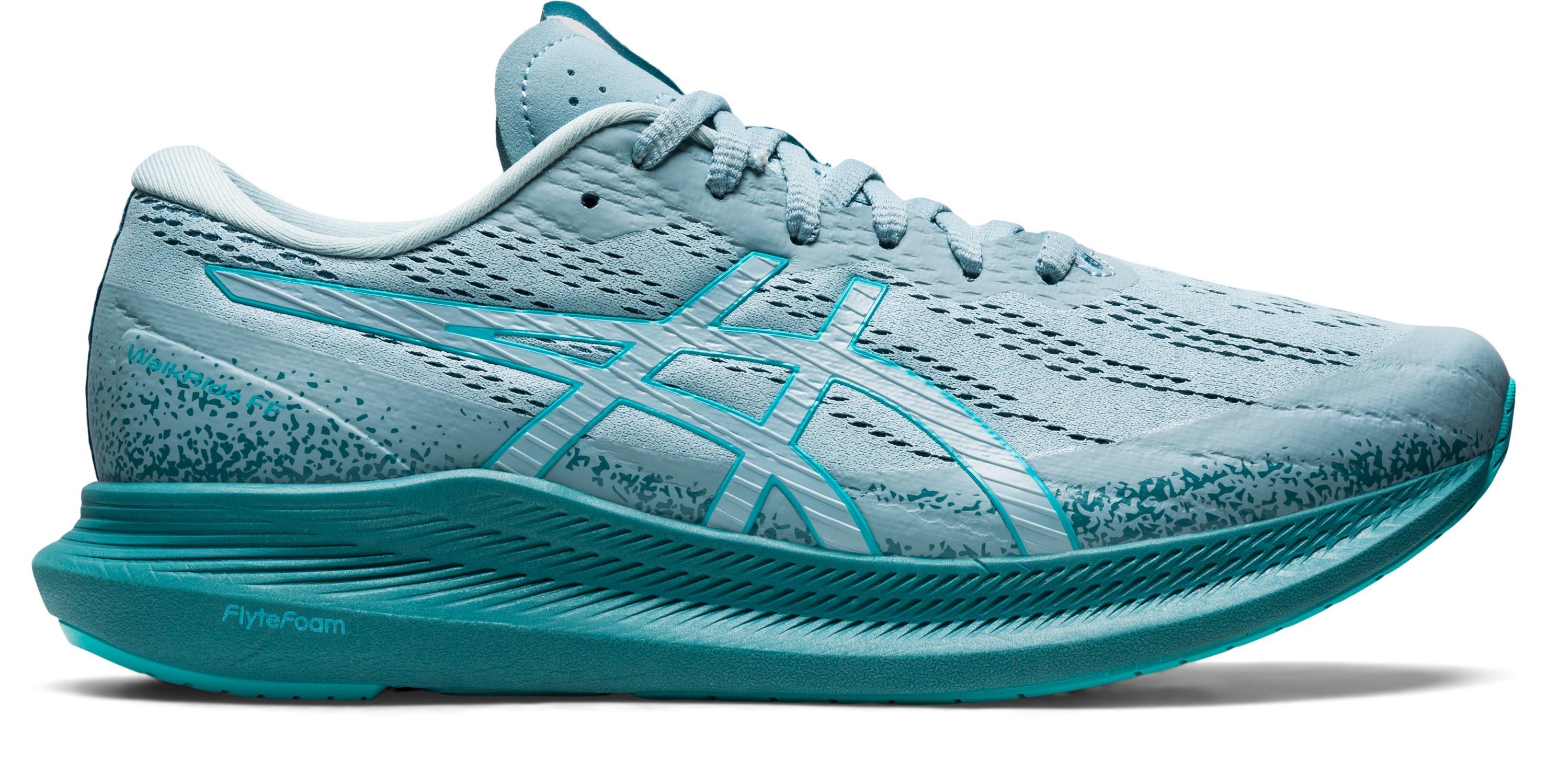
A Curated Perspective: Voices from the Field
To ground our discussion in real-world authority, consider the perspectives of those who treat feet for a living. Dr. Emily Splichal, a podiatrist and human movement specialist, often highlights the importance of sensory feedback from the foot in her online lectures. She advocates for shoes that protect without desensitizing, allowing the foot’s intrinsic muscles to work. Similarly, on platforms like Quora and in health forums, practicing podiatrists consistently emphasize fit above all else, often recommending professional fittings at specialty stores. As one contributor noted, “The best technology is useless if the shoe is the wrong size or width.” Furthermore, the APMA’s Seal of Acceptance program provides a tangible benchmark, awarding it to products that allow “normal foot function” and promote foot health. Finding a shoe with this seal is a strong indicator of its podiatric merit. These expert echoes reinforce that the principles we’ve discussed are not theoretical; they are the applied wisdom of the profession, guiding millions toward better foot health.
The journey to all-day comfort is a deliberate one, paved with knowledge rather than guesswork. It requires shifting our perspective of shoes from mere accessories to essential biomechanical partners. The standards for podiatrist recommended walking shoes—superior arch support, stable heel counters, accommodating toe boxes, and technology-aligned with your gait—serve as your reliable compass. By applying this framework, you move beyond the overwhelm of choice and into a space of confident selection. Your feet, your foundation, deserve this level of care. When you lace up a shoe that truly supports you, the difference is felt not just in your feet, but in your energy, your posture, and your freedom of movement throughout the entire day. That is the ultimate destination: effortless, pain-free motion that empowers everything you do.

