Discover the Best Podiatrist Recommended Walking Shoes for All-Day Comfort
Your feet are your foundation, and the shoes you choose can either support that foundation or undermine it with every step. For anyone who spends a significant portion of their day on their feet—whether you’re a healthcare professional, a teacher, a retail worker, or an avid urban explorer—the quest for truly comfortable footwear is paramount. This isn’t merely about avoiding soreness at the end of the day; it’s about long-term musculoskeletal health, posture, and vitality. The market is flooded with options, each claiming to be the most comfortable, the most supportive, or the best value. Cutting through this noise requires a guide rooted not in marketing hype, but in clinical expertise. That guide is the recommendation of a podiatrist—a medical professional specializing in the diagnosis, treatment, and prevention of conditions of the foot, ankle, and lower extremity. When we talk about podiatrist recommended walking shoes, we are referring to footwear that has been vetted against a rigorous set of biomechanical and therapeutic criteria. This article will delve into the scientific principles behind these recommendations, explore the key features that define superior walking shoes, and provide actionable insights to help you make an informed investment in your foot health and all-day comfort.
The Science of Stride: Why Biomechanics Dictate Shoe Choice
Walking is a complex, coordinated series of movements known as the gait cycle. It involves the precise timing and force generation of muscles, tendons, and ligaments from your feet to your core. A subtle misalignment or lack of support at the foot level can create a chain reaction of compensations, leading to issues such as plantar fasciitis, shin splints, knee pain, and even lower back discomfort. Podiatrists, drawing from fields like orthopedics and sports medicine, analyze these gait patterns to understand how footwear interacts with our physiology. The primary goal of a podiatrist recommended walking shoe is to facilitate a natural, efficient, and stable gait. This involves several biomechanical considerations. First is motion control: the shoe must manage excessive inward rolling of the foot (overpronation) or outward rolling (supination), which are common contributors to injury. Second is cushioning: not just softness, but strategic shock absorption that dissipates the impact forces of each heel strike—forces that can equal 1.5 times your body weight—without destabilizing the foot. Third is stability: the shoe must provide a secure platform, often through a combination of a firm heel counter, a supportive midsole, and a well-designed outsole. Literature from authoritative institutions like the American Podiatric Medical Association (APMA) consistently emphasizes that proper footwear is a first-line intervention for both treating and preventing a wide array of foot ailments. Therefore, selecting a shoe is less about aesthetics and more about choosing a tool that respects and supports your body’s inherent mechanics.
:max_bytes(150000):strip_icc()/I-Asked-Podiatrists-for-Their-Fall-Shoe-Recommendations-These-Are-Their-Top-8-Picks-8fbdf9d65f3a4228ae63f6e5253dc08c.jpg)
Deconstructing Comfort: The Non-Negotiable Features of a Superior Walking Shoe
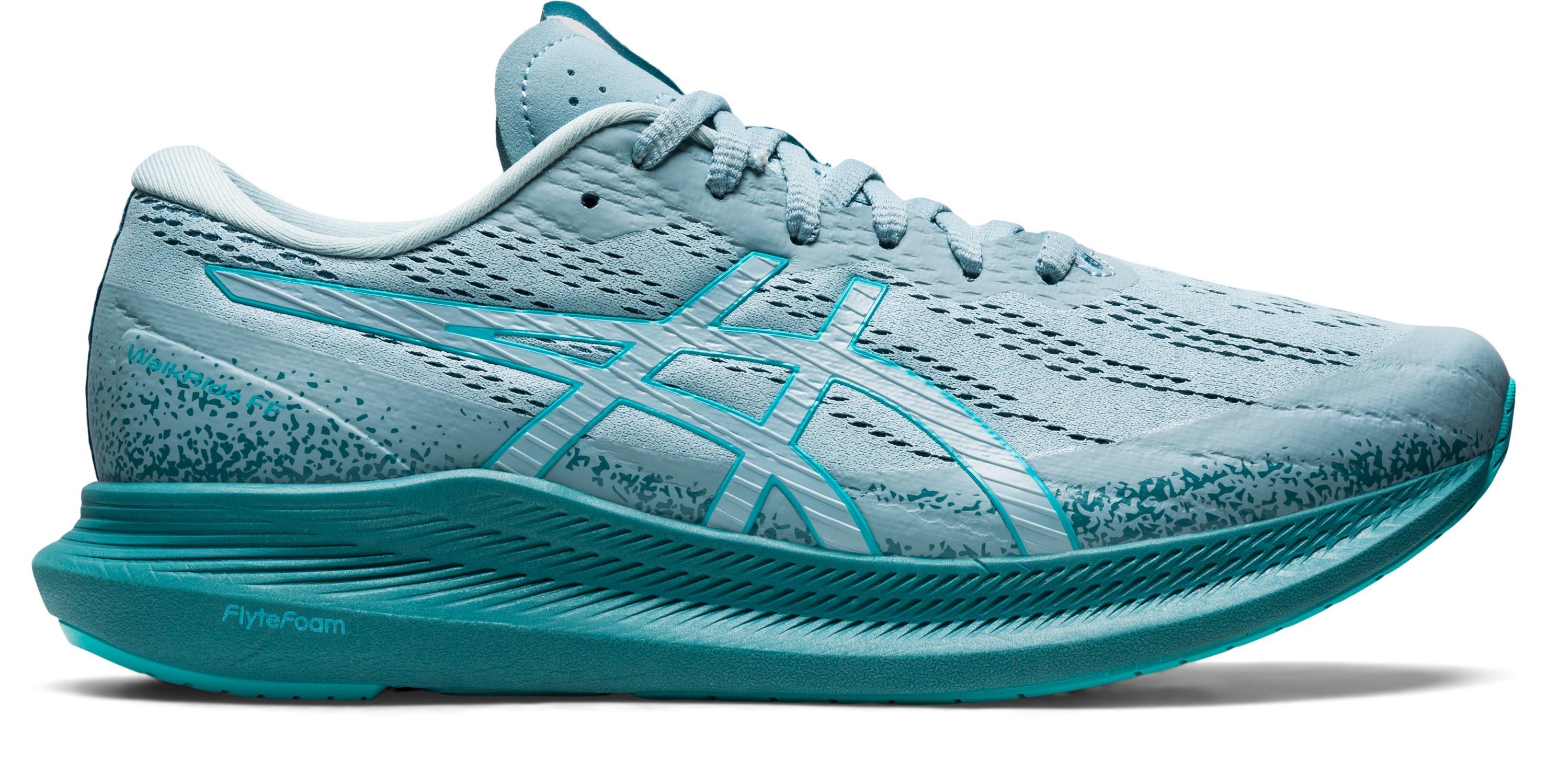
Comfort in a walking shoe is a multi-sensory experience built on specific, measurable features. It is the result of engineering, not accident. Let’s break down the essential components that podiatrists scrutinize. The upper should be constructed from breathable, flexible, yet durable materials like engineered mesh or premium leather. It must accommodate the natural swelling feet experience throughout the day without causing constriction or hot spots. The toe box is critical; it must be deep and wide enough to allow your toes to splay naturally upon foot strike, a key for balance and propulsion. Cramped toe boxes are a leading cause of deformities like bunions and hammertoes. The midsole is the heart of the shoe. This is where advanced foam technologies—such as Brooks’ DNA LOFT, ASICS’ FlyteFoam, or proprietary EVA blends—provide the dual function of cushioning and responsive energy return. A well-designed midsole will also often include medial posts or dual-density foams to correct pronation. The heel counter, the firm cup at the back of the shoe, must be rigid to lock the heel in place, preventing slippage and controlling rearfoot motion. Finally, the outsole needs to offer durable traction with a flexible groove pattern that encourages a smooth heel-to-toe transition. When these elements harmonize, the shoe ceases to be a passive covering and becomes an active partner in movement. This holistic approach to design is what separates generic sneakers from truly therapeutic, podiatrist recommended walking shoes.
Beyond the Brand: How Podiatrists Evaluate and Endorse Footwear
It’s a common misconception that podiatrists simply have a list of “approved” brands. The reality is more nuanced. Many podiatrists participate in seal-of-approval programs, such as the APMA’s Seal of Acceptance, which evaluates shoes (and other foot care products) against stringent standards of safety, design, and material quality. However, individual recommendations are highly personalized. A podiatrist considers a patient’s unique foot structure, gait analysis results, medical history (e.g., diabetes, arthritis), and specific activities. For instance, a shoe perfect for a neutral-gaited individual with high arches may be disastrous for someone with severe overpronation and flat feet. This personalized vetting process is the gold standard. Furthermore, podiatrists often draw on collective clinical experience and peer discussions. On platforms like Quora and in professional forums, they share observations on which models consistently perform well for specific patient populations. They also reference biomechanical studies from institutions like the University of Calgary’s Human Performance Lab or the Spaulding National Running Center at Harvard Medical School. These studies provide evidence on how different shoe geometries affect loading rates and joint kinematics. Therefore, a podiatrist recommended walking shoe is one that has passed through multiple filters: institutional certification for general quality, peer-reviewed scientific evidence for its design principles, and real-world clinical validation for its therapeutic outcomes. It is a recommendation backed by layers of expertise.

Your Personal Fitting Guide: From Arch Type to Activity Level
Armed with an understanding of the “why,” let’s move to the “how” of selecting your ideal pair. This is a personal journey that begins with self-assessment. The first, and perhaps most crucial, step is determining your arch type and pronation pattern. The classic “wet test”—stepping onto a paper bag or dark towel with a wet foot—can reveal a lot. A full imprint indicates a low arch (flat foot), often associated with overpronation. A imprint with a narrow connection between heel and forefoot indicates a high arch, often linked to supination. A balanced, moderate imprint suggests a neutral arch. This simple test provides a starting point. Next, consider your primary activity. Are you walking primarily on paved surfaces, or do you need a shoe that can handle light trails? The outsole lug pattern and overall durability will differ. Do you stand in one place for long periods? You may prioritize maximum cushioning and a rocker sole design that reduces calf strain. Volume is another key factor. Do you have a narrow heel but a wide forefoot? Many brands now offer shoes in multiple width options (Narrow, Standard, Wide, Extra Wide) to accommodate this. When trying on shoes, do so in the afternoon when your feet are at their largest. Wear the socks you intend to walk in. There should be about a thumb’s width of space between your longest toe and the end of the shoe. The heel should fit snugly without lifting. Walk around the store, on a hard surface if possible, and pay attention to any points of pressure or slip. Remember, the most expensive shoe is not necessarily the best for you; the right shoe is the one that disappears on your foot, allowing you to move naturally and without thought. This meticulous fitting process is what leads you to discover your perfect pair of podiatrist recommended walking shoes.
Investing in Wellness: The Long-Term Value of Quality Footwear
It is tempting to view high-quality walking shoes as a significant expense. However, a shift in perspective reveals them to be one of the most cost-effective investments you can make in your overall health and quality of life. Consider the alternative: chronic foot pain, the cost of orthotic inserts, physical therapy sessions, co-pays for doctor visits, and potentially, the impact on your productivity and ability to enjoy daily activities. A single pair of well-chosen shoes can mitigate these risks. They are a proactive measure, not a reactive one. The materials and construction in top-tier podiatrist recommended walking shoes are also designed for longevity. While a budget shoe might compress its midsole and wear through its outsole in a few months, a quality shoe is built to maintain its structural integrity and cushioning properties for 300-500 miles of use. This translates to a lower cost per mile and more consistent support over time. Furthermore, the psychological benefit of all-day comfort cannot be overstated. When your feet feel good, your energy levels are higher, your posture is better, and your mood is more positive. It removes a constant, low-grade source of stress from your day. As the renowned podiatrist Dr. William Rossi once noted, “Shoes are the foundation of your posture, and posture is the foundation of your movement.” Investing in that foundation pays dividends in mobility, health, and daily joy for years to come.
:max_bytes(150000):strip_icc()/shp-best-brooks-walking-shoes-tout-f67df3ab5afa4c08a24a63ae6dca3444.jpg)
The journey to finding the perfect walking shoe is a fusion of science, self-awareness, and smart investment. It moves beyond fleeting trends and superficial comfort to embrace a deeper understanding of how our bodies are designed to move. By prioritizing the principles that guide podiatric recommendations—biomechanical alignment, strategic support, and quality construction—you empower yourself to make choices that actively contribute to your well-being. The right pair of podiatrist recommended walking shoes is more than an accessory; it is a daily partner in preserving your mobility, preventing injury, and unlocking a level of comfort that makes every step a pleasure. Let this knowledge guide your next purchase, and feel the profound difference that comes from truly supporting your foundation from the ground up.