

Discover the Best Podiatrist Recommended Walking Shoes for All-Day Comfort
Your feet are the foundation of your movement, and the shoes you choose can either support or sabotage your daily stride. For anyone who spends significant time on their feet—whether navigating city streets, exploring nature trails, or managing the demands of a busy workday—the quest for true comfort is paramount. This isn’t merely about fashion or fleeting trends; it’s about the biomechanical harmony between your body and the ground. Ordinary shoes often fall short, leading to fatigue, pain, and long-term foot health issues. The solution lies not in generic advice but in specialized, evidence-based guidance. This article delves into the world of podiatrist recommended walking shoes, translating professional podiatric principles into a clear guide for your next purchase. We will move beyond marketing claims to examine the objective science of foot support, leverage insights from medical professionals and authoritative sources, and provide actionable knowledge to help you invest in footwear that genuinely promotes all-day comfort and wellness.
The Science of Stride: Why Podiatric Expertise Matters
To understand the value of a podiatrist recommended walking shoe, one must first appreciate the complex engineering of the human foot. Each foot contains 26 bones, 33 joints, and over 100 muscles, tendons, and ligaments, all working in concert to provide balance, propulsion, and shock absorption. Podiatry, the branch of medicine devoted to the study, diagnosis, and treatment of disorders of the foot, ankle, and lower extremity, offers a critical lens for evaluating footwear. A common misconception is that a soft, pillowy sole equates to comfort. However, from a biomechanical standpoint, excessive softness without structured support can lead to instability, causing the foot to roll inward excessively (overpronation) or outward (supination). This misalignment doesn’t stop at the ankle; it can travel up the kinetic chain, contributing to knee pain, hip issues, and even lower back discomfort. As noted in literature from the Harvard Medical School’s publications on musculoskeletal health, improper footwear is a frequently overlooked contributor to chronic joint stress. Therefore, a shoe endorsed by podiatric principles prioritizes controlled cushioning, arch support tailored to the individual’s foot type, and a heel counter that stabilizes the rearfoot. This scientific approach transforms a shoe from a simple covering into a therapeutic device, actively working to maintain proper alignment and distribute impact forces evenly with every step you take.
:max_bytes(150000):strip_icc()/podiatrist-recommended-walking-shoes-e1b90077185d4e6cadbf6327c4d17db7.jpg)
Architectural Support: Decoding Key Shoe Components
When dissecting the anatomy of an ideal walking shoe, several non-negotiable components emerge, each serving a distinct biomechanical function. The first is the midsole, typically made from materials like EVA (ethylene-vinyl acetate) or polyurethane. This is the engine of cushioning and stability. A high-quality midsole provides a balance: it must be resilient enough to offer energy return, yet firm enough to prevent the foot from collapsing into the shoe. Next is the arch support. Contrary to popular belief, everyone needs arch support, though the type and degree vary. A neutral arch requires balanced support, a low arch (flat foot) needs substantial reinforcement to prevent overpronation, and a high arch requires cushioning to compensate for its rigid structure. This is a cornerstone of podiatrist recommended walking shoes, as improper arch support is a direct path to plantar fasciitis, a painful inflammation of the foot’s connective tissue. The heel counter, the firm cup at the back of the shoe, is crucial for locking the heel in place, preventing slippage and controlling rearfoot motion. Finally, the toe box must be sufficiently wide and deep to allow the toes to splay naturally upon foot strike, a feature often emphasized by podiatrists like Dr. Jacqueline Sutera, a spokesperson for the American Podiatric Medical Association, who frequently highlights the dangers of cramped toe boxes leading to bunions and neuromas. These components are not isolated; they work synergistically. As stated on authoritative health platforms like WebMD, selecting a shoe that addresses all these elements is a proactive measure in preventive foot care, making the search for professionally vetted footwear not a luxury, but a necessity for long-term mobility.
Beyond the Brand: Evidence-Based Recommendations from Diverse Sources
Navigating the sea of shoe brands can be overwhelming. Therefore, grounding our choices in evidence from varied, credible sources is essential. For instance, Wikipedia’s entry on “Podiatry” outlines the profession’s focus on footwear modification and orthotics as primary conservative treatments, legitimizing the concept of therapeutic shoes. On platforms like Quora and specialized running forums, discussions often reference peer-reviewed studies, such as those published in the Journal of the American Podiatric Medical Association, which compare the effects of different midsole geometries on plantar pressure. Celebrity podiatrists with a strong social media presence, like Dr. Brad Schaeffer on Instagram and YouTube, frequently deconstruct popular shoe models, praising features like rocker soles in HOKA shoes for reducing Achilles tendon strain—a common issue for walkers. Furthermore, literature from university sports medicine departments, such as the University of California, San Francisco’s guidelines on diabetic foot care, unequivocally states that well-constructed, deep-toe-box shoes are critical for preventing ulcers, underscoring the life-altering importance of proper footwear. Even cultural references hold weight; in the book Born to Run by Christopher McDougall, while focused on running, the exploration of natural foot movement sparked a global conversation about minimalist versus supportive shoes, a debate that podiatrists often contextualize by emphasizing the need for a transition period and the fact that most modern feet, conditioned by years in conventional shoes, require structured support. This collage of information—from academic journals to practitioner insights—converges on a clear point: the best podiatrist recommended walking shoes are those whose designs are validated by both clinical observation and biomechanical research, not just marketing budgets.
:max_bytes(150000):strip_icc()/shp-best-brooks-walking-shoes-tout-f67df3ab5afa4c08a24a63ae6dca3444.jpg)
Putting Knowledge into Practice: A Curated Selection for Your Needs
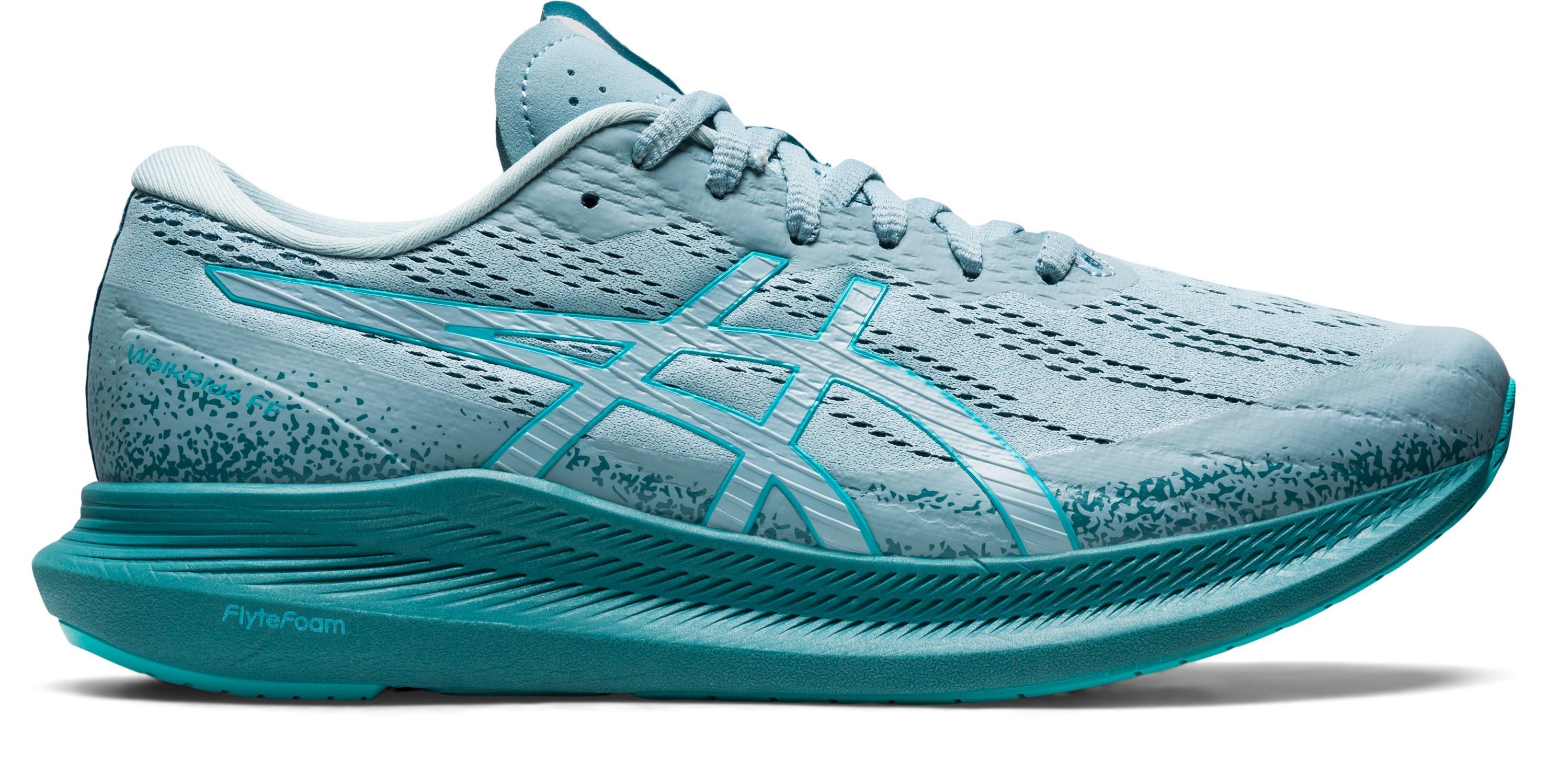
Armed with this scientific and evidentiary framework, let’s translate theory into tangible options. Remember, the “best” shoe is highly individual, dictated by your foot shape, gait, and specific activities. For the daily urban commuter or someone who stands for long hours, look for models with exceptional shock absorption and a stable platform. Brands like ASICS, with technologies like GEL cushioning, often receive nods from foot care professionals for their impact dissipation. The ASICS WalkRide series, for example, is engineered specifically for walking gait cycles. Another consistently praised category is shoes with integrated support systems for overpronation. Brands like Brooks offer models with GuideRails technology, which, instead of just propping up the arch, provides holistic support to keep knees and hips aligned—a principle strongly supported by podiatric biomechanics. For those seeking a blend of modern style and clinical function, brands like Vionic construct their footwear around orthotic principles, with built-in arch support that mirrors prescription orthotics. It is this marriage of clinically-informed design and everyday wearability that defines a true podiatrist recommended walking shoe. When trying shoes, go later in the day when feet are naturally more swollen, wear the socks you intend to use, and prioritize fit over size number. Your thumb’s width of space in front of the longest toe, a secure but not tight heel, and no pinching across the widest part of the foot are the golden rules, as repeatedly emphasized by experts on platforms like the American Podiatric Medical Association’s public advisories.
An Investment in Mobility: Where Value Meets Wellness
Viewing quality walking shoes as a medical or wellness investment reframes the cost conversation. While premium podiatrist recommended walking shoes may carry a higher initial price tag, their value is measured in prevention. Consider the cost of doctor visits, physical therapy, orthotics, or lost productivity due to foot pain. A well-constructed shoe acts as your first line of defense. Fortunately, value does not always mean paying full retail. Many reputable retailers offer previous-season models at significant discounts, and the core technologies—the cushioning systems, support frames, and durable outsoles—remain largely unchanged. Signing up for brand newsletters, checking certified outlet websites, and shopping during major holiday sales are practical strategies for accessing these vital tools at a friendlier price point. The goal is to bring professional-grade foot health knowledge and economically accessible solutions to you. As the renowned podiatrist Dr. Phil Vasyli once remarked, “You pay for your shoes whether you buy good ones or not. With cheap shoes, you pay with your body.” This sentiment echoes across the field: investing in properly engineered footwear is an investment in your uninterrupted, pain-free movement. It is the empowerment that comes from making an informed choice, where you understand the ‘why’ behind the design, allowing you to step forward with confidence, knowing your foundation is solid, supported, and scientifically sound.

Your journey toward all-day comfort begins from the ground up. By prioritizing the principles of podiatric science—structured support, biomechanical alignment, and protective cushioning—you move beyond guesswork. The shoes you select become partners in your daily life, actively preserving the health of your feet, joints, and posture. Let this knowledge guide you to a pair that doesn’t just fit your feet, but fits your life, step after comfortable step.
