

Discover the Best Podiatrist Recommended Walking Shoes for All-Day Comfort
Your feet are the foundation of your movement, carrying you through countless steps each day. Yet, many of us overlook the critical importance of the shoes that support this foundation. The wrong pair can lead to a cascade of discomfort, from aching arches to painful joints, subtly eroding your quality of life. The right pair, however, can feel like a revelation—a seamless extension of your body that empowers every stride. This isn’t about fleeting fashion trends; it’s about investing in long-term well-being. The quest for all-day comfort begins with a single, informed choice: selecting podiatrist recommended walking shoes. These are not merely products endorsed by foot health specialists; they are the culmination of biomechanical research, material science, and clinical insight designed to align with the natural function of your feet. Let’s move beyond marketing claims and delve into the objective, scientific principles that define true walking comfort, equipping you with the knowledge to make a choice that your feet will thank you for, mile after mile.
The Science of Stride: Why Your Feet Demand Expert-Approved Shoes
Walking is a complex, repetitive biomechanical event. With each step, your foot undergoes a sequence of pronation (rolling inward) and supination (rolling outward) to absorb shock and propel you forward. When this natural motion is hindered by improper footwear, the consequences extend far beyond blisters. According to literature from the American Podiatric Medical Association (APMA), inadequate support can lead to plantar fasciitis, metatarsalgia, and exacerbate conditions like bunions and arthritis. The term “podiatrist recommended walking shoes” carries significant weight because it implies the shoe has been evaluated for criteria that support this intricate biomechanics. These criteria include a firm heel counter to stabilize the rearfoot, adequate arch support to maintain the foot’s longitudinal structure, and sufficient flexibility at the forefoot to allow for a natural toe-off. Think of it as the difference between building a house on sand versus bedrock. A shoe lacking these features is the sanda temporary, shifting foundation that eventually causes the structure above (your ankles, knees, hips, and back) to compensate and falter. A podiatrist recommended walking shoe is the bedrock, providing a stable, aligned platform from the ground up. This scientific perspective transforms the shoe from a simple accessory into a vital piece of preventative health equipment, a concept echoed by sports medicine institutions worldwide.
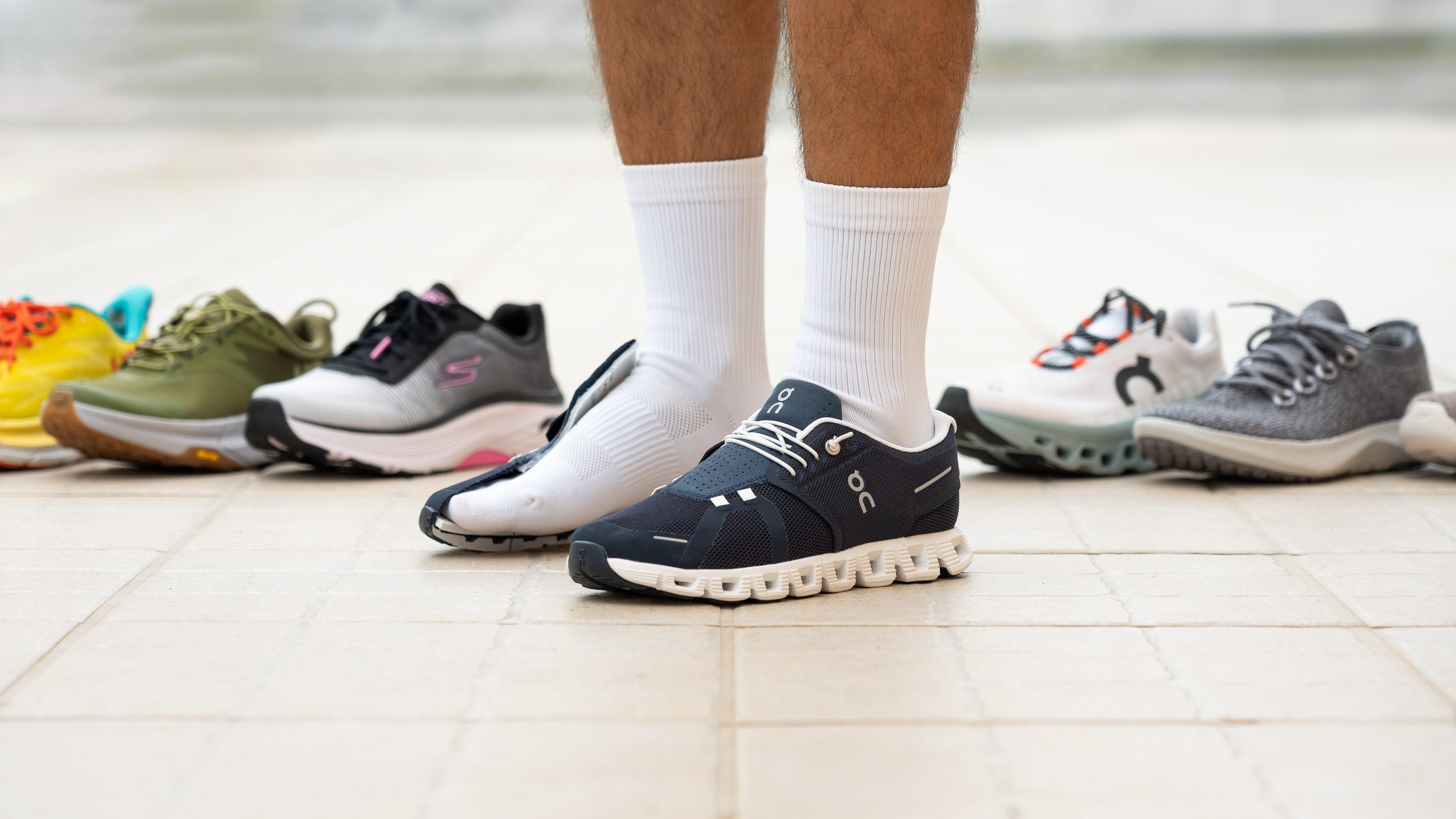
Decoding the Anatomy of a Superior Walking Shoe
To understand what makes a shoe worthy of a podiatrist’s seal of approval, we must dissect its anatomy. Each component serves a distinct physiological purpose. First, the upper: it should be constructed from breathable, adaptable materials like engineered mesh or soft leather to accommodate foot swelling and prevent friction. The midsole is the heart of the shoe, and here, technology matters. Materials like ethylene-vinyl acetate (EVA) or polyurethane provide cushioning, but the density and placement are key. Podiatrists often highlight the need for differentiated cushioning—softer in the heel for impact absorption and firmer in the arch for support. The insole or sock liner should be removable, allowing for custom orthotics if needed, a feature frequently emphasized by foot specialists on platforms like YouTube where they demonstrate clinical modifications. The outsole requires a balance of durable rubber for longevity and a strategic tread pattern for grip without being overly rigid. Finally, the fit: a hallmark of podiatrist recommended walking shoes is a roomy toe box. As noted on authoritative health websites like WebMD, cramping the toes can lead to neuromas and deformities. The shoe should fit snugly at the midfoot and heel, with about a thumb’s width of space in front of your longest toe. This detailed anatomical alignment is what separates a generic sneaker from a purpose-built tool for wellness.
Beyond the Brand: Evidence-Based Features That Matter
In a market saturated with celebrity endorsements and sleek designs, it’s crucial to focus on evidence-based features rather than logos. Let’s consider arch support. A study cited in the Journal of Foot and Ankle Research found that contoured, medium-firm arch supports significantly reduced foot pain in participants compared to flat insoles. This is a core tenet of podiatrist recommended walking shoes. Another critical feature is heel-to-toe drop (or offset). This measurement, the difference in height between the heel and forefoot, influences your gait mechanics. A lower drop (0-6mm) can encourage a more midfoot strike, potentially reducing stress on the knees, while a higher drop (8-12mm) is often recommended for those with tight calf muscles or Achilles tendonitis. There is no universal “best”; it’s about matching the geometry to your physiology. Motion control is another scientifically debated area. For overpronators, shoes with medial (inner-side) posts made of denser foam can prevent excessive inward roll, a recommendation frequently made by podiatrists on Quora when addressing specific gait abnormalities. However, for neutral walkers, such features can be overly restrictive. The evidence points to a principle of “targeted intervention”—the shoe should correct only what needs correcting, supporting natural motion otherwise. This nuanced, individualized approach is the bedrock of professional recommendation.
:max_bytes(150000):strip_icc()/shp-best-brooks-walking-shoes-tout-f67df3ab5afa4c08a24a63ae6dca3444.jpg)
From Clinic to Pavement: How Podiatrists Evaluate Footwear
How does a shoe earn the coveted “podiatrist recommended” label? The process is more rigorous than one might assume. Many reputable brands submit their designs to professional bodies like the APMA for review. A panel of practicing podiatrists assesses the shoes against a stringent checklist that evaluates stability, flexibility, slip resistance, and overall foot health promotion. But the evaluation doesn’t stop at a lab. Clinical experience feeds back into design. For instance, Dr. Jacqueline Sutera, a prominent New York City podiatrist, often shares on social media and in interviews how common patient issues like ball-of-foot pain directly inform the features she looks for, such as a wider forefoot and rocker soles. This creates a virtuous cycle: patient outcomes influence podiatrist advice, which in turn shapes the next generation of footwear. When you choose a pair of podiatrist recommended walking shoes, you are effectively leveraging the collective clinical experience of thousands of patient consultations. It’s a shortcut to expertise, ensuring the product has been vetted not by marketers, but by medical professionals who treat foot ailments daily. Their endorsement is a pragmatic seal of approval, signifying that the shoe performs under the real-world, biomechanical stresses they witness in their practice.
Investing in Your Foundation: The Long-Term Value of Quality Shoes
Viewing quality walking shoes as an expense is a common mistake; in reality, they are an investment with profound returns. Consider the cost-benefit analysis. A cheap, poorly constructed shoe may save you $50 upfront but can contribute to chronic pain, leading to hundreds—or thousands—of dollars in medical bills, physical therapy, and lost productivity. In contrast, a well-made pair of podiatrist recommended walking shoes, while perhaps higher in initial cost, is engineered for durability, often outlasting two or three pairs of inferior shoes. More importantly, they invest in your body’s capital. As the famous quote attributed to philosopher Friedrich Nietzsche goes, “All truly great thoughts are conceived while walking.” Discomfort shackles this potential. The right shoes liberate it, allowing you to walk longer, think clearer, and engage more fully with the world. They are an investment in mobility, independence, and preventative health. Furthermore, the comfort they provide has a psychological ripple effect, reducing daily stress and improving overall mood. This isn’t mere speculation; studies in ergonomics consistently link physical comfort to cognitive performance and emotional well-being. Therefore, this purchase transcends the category of apparel—it’s a foundational investment in your holistic quality of life.
:max_bytes(150000):strip_icc()/tal-roundup-podiatrist-loved-shoes-on-sale-tout-bdbf5721fa5642efa38b61f6a5b4ff34.jpg)
Your Path Forward: Making an Informed and Rewarding Choice
Armed with this knowledge, your journey to finding the perfect shoe becomes a purposeful mission, not a bewildering chore. Start by listening to your own body. Have you experienced specific pains? Where do your current shoes wear out first? This self-assessment is your first data point. Next, seek out brands that transparently collaborate with medical professionals and hold certifications from podiatric associations. Don’t just buy a “walking shoe”; look for the specific features we’ve discussed that match your needs. And remember, the ultimate test is a proper fitting, ideally later in the day when your feet are at their largest. The market now brilliantly bridges the gap between professional-grade support and accessible value. Many top-tier brands offer previous-season models or factory-direct sales, bringing podiatrist recommended walking shoes within a more accessible price range without compromising the core technologies. This democratization of foot health means you no longer have to choose between expertise and your budget. You can have both—superior biomechanical support and a wise financial decision. The path to all-day comfort is clear. It’s paved with intention, knowledge, and the right foundation underfoot. Take that first informed step, and feel the difference that true support makes, from the ground up.
:max_bytes(150000):strip_icc()/I-Asked-Podiatrists-for-Their-Fall-Shoe-Recommendations-These-Are-Their-Top-8-Picks-8fbdf9d65f3a4228ae63f6e5253dc08c.jpg)
