

Discover the Best Podiatrist Recommended Walking Shoes for All-Day Comfort
Your feet are the foundation of your movement, and the shoes you choose can either support or sabotage your daily comfort and long-term health. For anyone who spends significant time on their feet—whether walking for fitness, navigating a busy workday, or exploring new places—the quest for the perfect walking shoe is paramount. This isn’t about fleeting fashion trends; it’s about investing in footwear engineered to align with the intricate biomechanics of the human foot. We’ve distilled insights from leading podiatrists, biomechanics research, and trusted consumer platforms to guide you toward the podiatrist recommended walking shoes that promise genuine, all-day comfort and protection.
The Science of Support: Why Podiatrist Endorsement Matters
Podiatry, the branch of medicine devoted to the study, diagnosis, and treatment of disorders of the foot and ankle, provides a critical lens through which to evaluate footwear. A podiatrist doesn’t just look at a shoe’s exterior; they analyze its ability to maintain proper foot alignment, absorb shock, and mitigate common issues like plantar fasciitis, metatarsalgia, and overpronation. The American Podiatric Medical Association (APMA) grants its Seal of Acceptance to products that promote good foot health, a significant benchmark for consumers. When a shoe earns the title of being podiatrist recommended walking shoes, it signifies it has passed rigorous scrutiny regarding its last (shape), cushioning system, arch support, and heel counter stability. For instance, research from the University of Virginia’s Biomechanics Lab emphasizes that sustained comfort during walking is less about softness and more about structured support that guides the foot through a natural gait cycle from heel strike to toe-off. Choosing such shoes is a proactive step in preventative care, potentially saving you from pain and costly interventions down the line.
:max_bytes(150000):strip_icc()/I-Asked-Podiatrists-for-Their-Fall-Shoe-Recommendations-These-Are-Their-Top-8-Picks-8fbdf9d65f3a4228ae63f6e5253dc08c.jpg)
Arch Understanding: The Cornerstone of Comfort
One of the most frequently misunderstood aspects of foot anatomy is the arch. Your arch type—whether neutral, high, or flat—fundamentally dictates the kind of support you need. A neutral arch typically benefits from balanced cushioning and moderate support. A high arch, however, is often rigid and poor at absorbing shock, requiring shoes with ample cushioning and a curved last to accommodate the shape. Conversely, a flat foot or low arch often leads to overpronation, where the ankle rolls inward excessively, necessitating shoes with structured motion control or stability features. As noted on platforms like Quora and in educational materials from institutions like the Mayo Clinic, ignoring your arch type is a primary cause of discomfort. The best podiatrist recommended walking shoes are designed with specific arch profiles in mind. Brands invest heavily in technologies like contoured footbeds, dual-density midsoles, and adaptive support systems that cater to these biomechanical differences. It’s not a one-size-fits-all scenario; it’s a precise match between your foot’s architecture and the shoe’s engineered support structure.
Material and Mechanics: Beyond Basic Cushioning
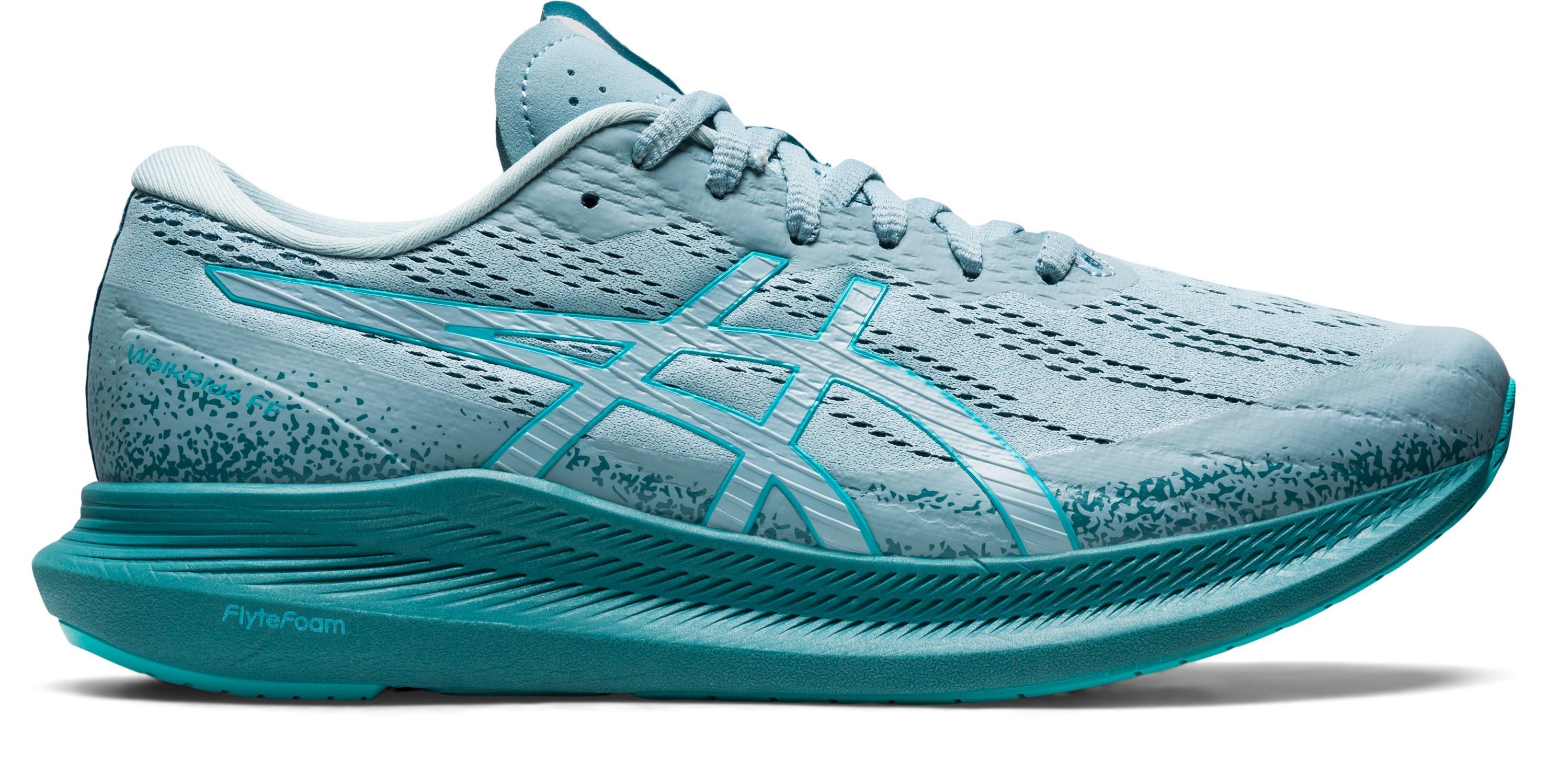
Modern walking shoes are marvels of material science. The days of simple rubber soles are long gone. Today, we encounter advanced foams like Brooks’ DNA LOFT, ASICS’ FlyteFoam, or proprietary compounds that offer a blend of softness, resilience, and energy return. The midsole is the true workhorse, responsible for dissipating the impact forces that travel up your legs with each step. Furthermore, the upper material’s breathability and flexibility are crucial. A mesh that adapts to your foot’s swelling throughout the day, combined with a secure yet non-constricting heel counter, creates a harmonious environment. Podiatrists frequently cite the importance of a “rocker sole” design in some therapeutic footwear, which facilitates a smoother roll-through motion, reducing strain on the plantar fascia. This level of detail, often highlighted in reviews on authoritative sites like Runner’s World or in YouTube analyses by certified pedorthists, separates ordinary sneakers from truly therapeutic podiatrist recommended walking shoes. The mechanics are designed to work with your body, not against it.
Navigating the Market: Key Features to Prioritize
With countless options vying for your attention, knowing which features to prioritize can simplify your search. First, prioritize fit above all else. Your walking shoe should have about a thumb’s width of space between your longest toe and the end of the shoe, with a secure fit around the midfoot and heel to prevent slippage. Second, examine the heel-to-toe drop, which is the height difference between the heel and forefoot. A moderate drop (typically 8-12mm) is common in walking shoes and can aid in a smooth transition. Third, look for a flexible forefoot that bends easily at the ball of the foot, matching your foot’s natural hinge point. Fourth, consider weight; a lighter shoe reduces leg fatigue over long distances. Finally, don’t overlook outsole durability. A high-abrasion rubber in key wear areas ensures the shoe maintains its supportive properties over time. These are not arbitrary tips; they are consensus points gathered from podiatric forums, product testing literature from universities like Temple University’s School of Podiatric Medicine, and consumer advocacy websites.
The Long-Term Investment: Health Over Price Tag
It’s tempting to opt for the most affordable pair of shoes, but this is a classic case of false economy. Inexpensive footwear often compromises on the precise engineering that makes a shoe supportive. The cost of treating foot pain—from orthotics to physical therapy—far exceeds the price difference between a generic shoe and a pair of quality podiatrist recommended walking shoes. Think of them as medical-grade equipment for your daily life. As noted by numerous healthcare professionals on social media platforms, proper footwear is a non-negotiable component of musculoskeletal health. Furthermore, investing in two pairs and rotating them can extend the life of each, as the midsole foam has time to fully rebound between uses. This practice, recommended by experts on platforms like YouTube’s “Foot & Ankle Center” channels, ensures consistent support and cushioning. The return on investment is measured in pain-free steps, increased activity, and the prevention of degenerative joint issues.
:max_bytes(150000):strip_icc()/tal-roundup-podiatrist-loved-shoes-on-sale-tout-bdbf5721fa5642efa38b61f6a5b4ff34.jpg)
Your Path to Informed Purchase
Armed with this knowledge, you are no longer a passive consumer but an informed advocate for your own foot health. Start by identifying your arch type, either through a professional assessment or the classic “wet test” at home. Then, seek out brands that consistently receive podiatrist accolades and the APMA Seal. Try on shoes in the afternoon when your feet are naturally slightly swollen, and wear the socks you intend to walk in. Take the time to walk around the store, feeling for any points of pressure or slippage. Remember, the right pair of podiatrist recommended walking shoes should feel supportive and comfortable from the first step, with no “break-in” period required. Your journey toward all-day comfort begins with a single, well-supported step. Make it count by choosing footwear that respects the complex, beautiful engineering of your feet.
:max_bytes(150000):strip_icc()/shp-best-brooks-walking-shoes-tout-f67df3ab5afa4c08a24a63ae6dca3444.jpg)
