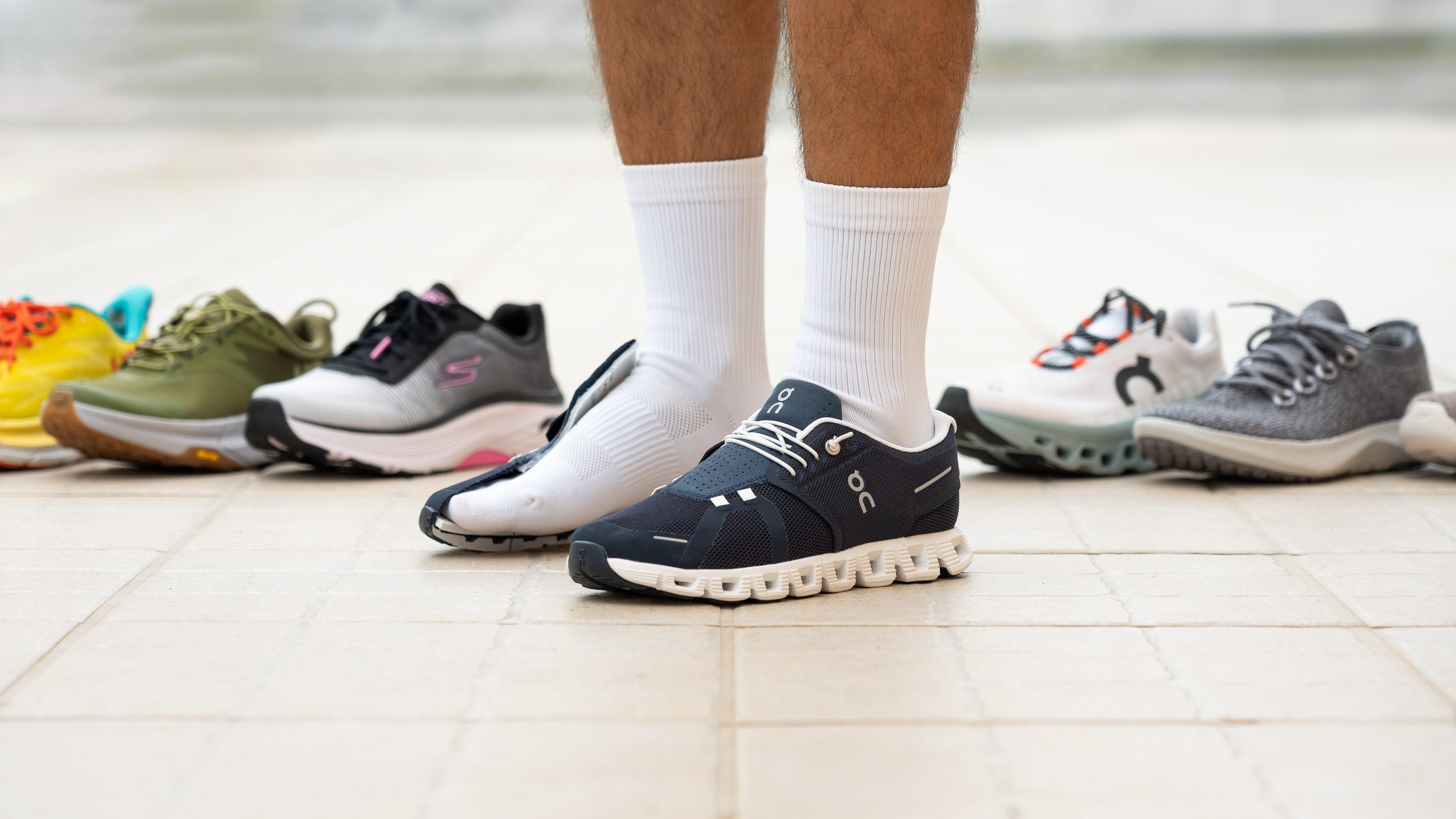
Discover the Best Podiatrist Recommended Walking Shoes for All-Day Comfort
Your feet are your foundation, and the shoes you choose for walking can mean the difference between a day filled with vibrant energy and one hampered by discomfort. The quest for the perfect walking shoe is not merely about fashion or trend; it is a critical investment in your long-term musculoskeletal health. This guide cuts through the marketing noise to focus on what truly matters: podiatrist recommended walking shoes engineered for genuine, all-day comfort. We will explore the scientific principles behind foot mechanics, decode the essential features that define a superior walking shoe, and provide you with actionable knowledge to make an informed choice that supports your body from the ground up.
The Science of Stride: Why Your Feet Deserve Expert Attention
Walking is a complex, repetitive motion involving a finely tuned sequence of heel strike, foot flat, mid-stance, heel-off, and toe-off. This gait cycle places significant, repetitive stress on the bones, ligaments, and tendons of the feet, which then travels up through the ankles, knees, hips, and spine. According to biomechanics literature from institutions like the University of Delaware’s Running Science Laboratory, improper footwear can disrupt this natural cycle, leading to overpronation (excessive inward roll) or supination (outward roll), both of which are primary contributors to conditions like plantar fasciitis, shin splints, and knee osteoarthritis. A podiatrist, a medical doctor specializing in foot and ankle health, evaluates an individual’s unique gait, arch type, and any pre-existing conditions. Their recommendation, therefore, is not a generic suggestion but a prescriptive intervention. As noted on authoritative health platforms like WebMD, the goal of podiatrist recommended walking shoes is to provide stability, cushioning, and alignment tailored to mitigate these biomechanical inefficiencies. It is the difference between letting your feet fight against your shoes and allowing them to work in harmonious, supported motion.
:max_bytes(150000):strip_icc()/podiatrist-recommended-walking-shoes-e1b90077185d4e6cadbf6327c4d17db7.jpg)
Arch Support: The Non-Negotiable Pillar of Comfort
Perhaps the most critical feature in any walking shoe is its approach to arch support. The arch of your foot acts as a natural shock absorber. Flat feet (low arches), neutral arches, and high arches all interact with the ground differently. A shoe designed for a high arch will feel painfully rigid to someone with flat feet, and vice-versa. The American Podiatric Medical Association (APMA) grants its Seal of Acceptance to footwear that demonstrates scientific evidence of promoting good foot health, and arch support is a cornerstone of their evaluation. For instance, motion control shoes with firm medial posts are often podiatrist recommended walking shoes for severe overpronators with flat feet, as they prevent the ankle from collapsing inward. In contrast, individuals with high, rigid arches (supinators) require shoes with enhanced cushioning and flexibility to compensate for their foot’s natural lack of shock absorption. This is not a matter of subjective comfort but of anatomical necessity. Ignoring your arch type is akin to building a house on an unstable foundation; eventually, the structure—your body—will show signs of stress and wear.
Materials and Construction: Where Engineering Meets Anatomy
The modern walking shoe is a feat of material science. Gone are the days of stiff, unforgiving leather uppers. Today’s top performers utilize engineered mesh for breathability and adaptive fit, combined with strategic synthetic overlays for structure without bulk. The midsole is the true heart of the shoe, typically crafted from advanced polymers like EVA (ethylene-vinyl acetate) or polyurethane, which offer a balance of lightweight cushioning and durable support. Some brands incorporate proprietary technologies, such as ASICS’ GEL cushioning systems or Brooks’ DNA LOFT foam, which are designed to attenuate impact forces more effectively than standard materials. The outsole’s rubber compound and tread pattern are equally vital, providing the necessary grip for various surfaces and ensuring durability where the shoe meets the road. When a podiatrist recommends a shoe, they are assessing this holistic construction—how the materials work in concert to create a stable platform, manage impact, and allow for the foot’s natural, healthy movement. This integrated design philosophy is what separates a true podiatrist recommended walking shoe from a casual sneaker.
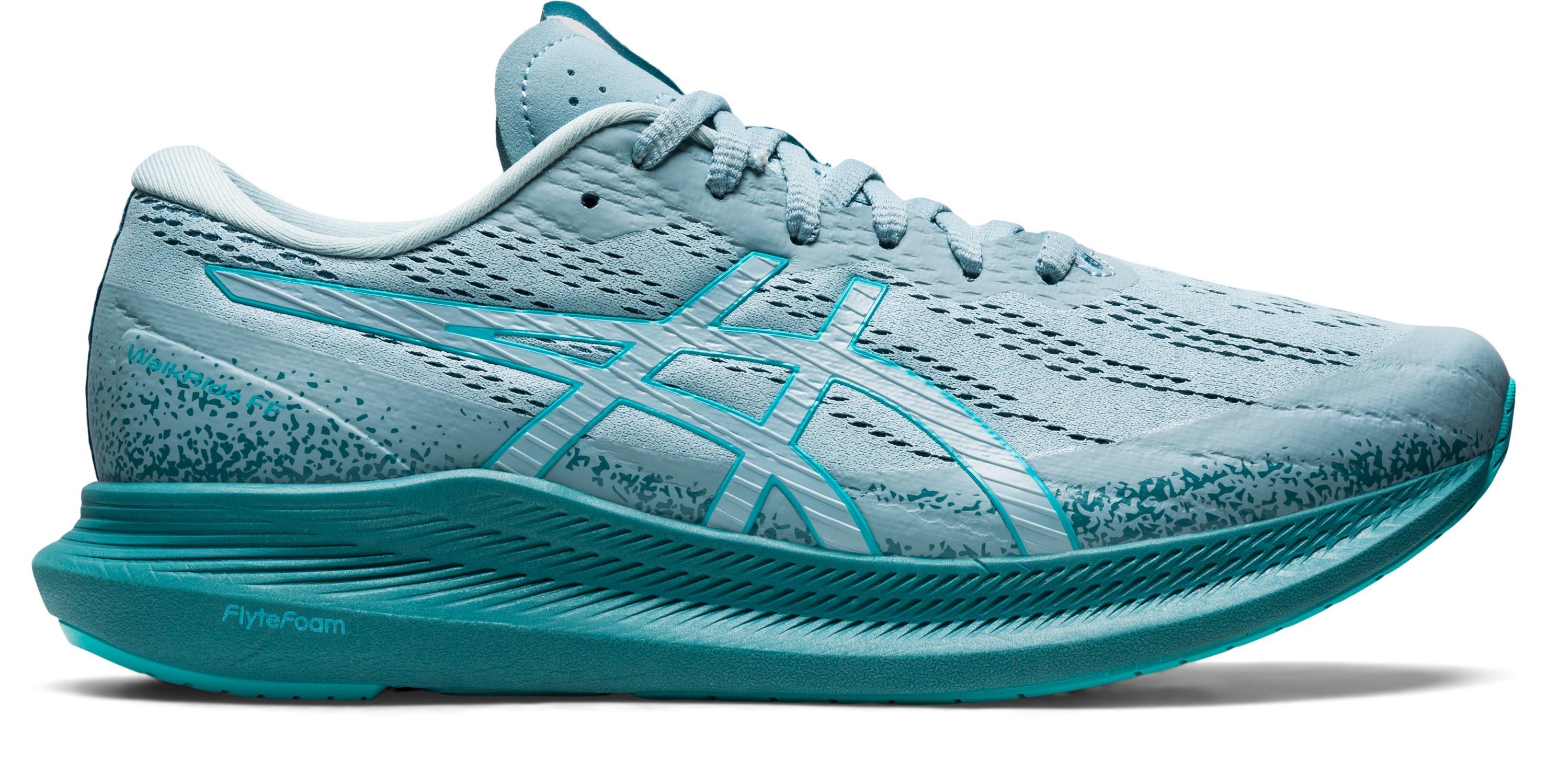
Decoding the Features: Your Checklist for the Perfect Fit
Armed with an understanding of the “why,” let’s delve into the “what.” When you try on a pair of walking shoes, you must become a discerning evaluator. First, the fit in the heel should be snug but not tight, with minimal slippage. Your heel is the anchor of your stride, and instability here can lead to blisters and inefficient movement. Second, there must be adequate space in the toe box—typically about a thumbnail’s width between your longest toe and the end of the shoe. Your feet swell throughout the day and during activity, and cramped toes can lead to neuromas, bunions, and hammertoes. Third, the shoe should bend easily at the ball of the foot, where your foot naturally flexes, but remain rigid through the arch and heel for support. The renowned physical therapist and author, Kelly Starrett, often emphasizes in his media that footwear should “allow your foot to be a foot,” meaning it should protect without overly restricting natural function. Finally, take them for a test walk on a hard surface. Listen for and feel any pinching, rubbing, or uneven pressure. A proper podiatrist recommended walking shoe will feel supportive and comfortable from the first step, requiring little to no “break-in” period, which is often a myth that precedes injury.
Beyond the Shoe: The Synergy of Socks and Insoles
Even the best shoe can be undermined by poor sock choice or inadequate insoles. Moisture-wicking socks made from merino wool or synthetic blends like CoolMax are essential for preventing blisters and maintaining a healthy foot environment. Cotton socks retain moisture, leading to maceration and increased friction. Furthermore, while many high-quality walking shoes come with excellent removable insoles, some individuals may benefit from custom orthotics or over-the-counter arch supports prescribed by a podiatrist. These devices fine-tune the shoe’s interior to match your foot’s precise contours and biomechanical needs. They can correct alignment issues, redistribute pressure, and provide targeted cushioning that the stock insole cannot. Investing in a pair of podiatrist recommended walking shoes is the first major step; complementing them with technical socks and appropriate insoles completes the system, creating a holistic environment for foot health. Think of it as outfitting a high-performance vehicle with the correct tires and suspension tuning—every component matters for the optimal ride.

Making the Smart Investment: Where Value Meets Vitality
It is a common misconception that footwear endorsed by medical professionals must carry a prohibitive price tag. While quality engineering and materials do command a certain value, the landscape is rich with options. The true cost is not measured at the register but over the miles you log in the shoes. A cheaper, poorly constructed pair may need replacement every three to six months and, more importantly, could lead to foot pain, joint issues, and even costly physical therapy sessions. A well-made pair of podiatrist recommended walking shoes can last between 300 to 500 miles of walking, providing consistent support and protection throughout their lifespan. To maximize value, consider shopping during seasonal sales from reputable retailers, checking the clearance sections of major brand websites, or subscribing to newsletters for exclusive discounts. Remember, this is an investment in your mobility and pain-free living. The comfort and health benefits they provide daily—allowing you to walk further, stand longer, and move with confidence—deliver a return that far exceeds the initial financial outlay.
A Step Toward a More Active You
The right footwear has the transformative power to remove barriers to movement. When your feet are happy, your world expands. The minor aches that once cut a walk short disappear. The prospect of a day spent exploring a new city on foot becomes exciting, not daunting. This is the ultimate promise of choosing shoes grounded in podiatric science: they are not just an accessory but an enabling tool for a more active, engaged, and vibrant life. By prioritizing the objective criteria of support, fit, and construction—the hallmarks of any genuine podiatrist recommended walking shoe—you make a conscious decision to champion your own well-being with every step you take. Let your journey toward all-day comfort begin from the ground up, with a foundation built on knowledge and quality.