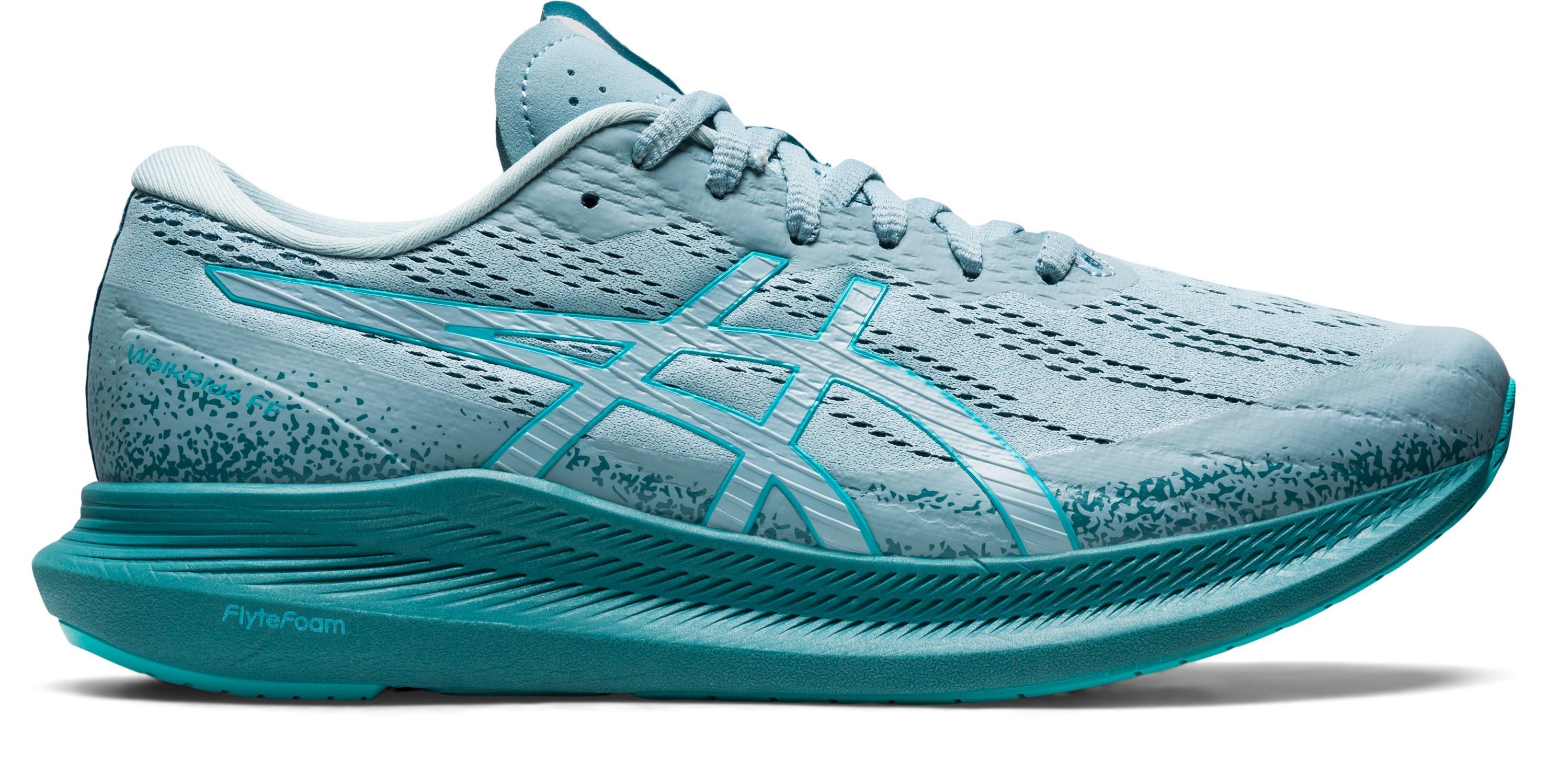
The Ultimate Guide to Podiatrist-Approved Walking Shoes
Your feet are your foundation, and the shoes you choose for walking can either support a lifetime of mobility or pave the way for discomfort and injury. This isn’t about fleeting fashion trends; it’s about the biomechanical engineering that happens with every step you take. The right pair of podiatrist recommended walking shoes acts as a critical interface between your body and the ground, absorbing impact, providing stability, and promoting a natural gait. We’re moving beyond marketing buzzwords to dissect the anatomy of the ideal walking shoe, grounding our recommendations in podiatric science, biomechanical research, and the collective wisdom of foot health experts. Whether you’re logging miles for fitness, navigating urban landscapes, or managing a specific condition, this guide equips you with the knowledge to make an informed choice that your feet will thank you for.
The Biomechanics of Walking: Why Your Shoes Are More Than Just Soles
Walking is a complex, coordinated series of movements known as the gait cycle. It involves a delicate interplay between bones, muscles, ligaments, and tendons from your feet to your spine. A podiatrist, a medical specialist in foot and ankle disorders, evaluates how deviations in this cycle—like overpronation (excessive inward rolling of the foot) or supination (outward rolling)—can lead to issues such as plantar fasciitis, shin splints, knee pain, and even back problems. The primary role of a podiatrist recommended walking shoe is to accommodate and, where necessary, correct these biomechanical patterns. According to literature from institutions like the American Podiatric Medical Association (APMA), a proper walking shoe must facilitate three key phases of gait: heel strike, midfoot support, and toe-off. During heel strike, the shoe needs effective cushioning to dissipate the force, which can be up to 1.5 times your body weight. At midfoot support, the arch and the shoe’s midsole must work together to stabilize the foot. Finally, during toe-off, flexibility in the forefoot allows for a smooth, propulsive motion. Ignoring these phases by wearing unsupportive footwear is akin to driving a car with misaligned wheels; the entire system wears down prematurely.
Decoding the Anatomy of a Superior Walking Shoe
To understand what makes a shoe worthy of a podiatrist’s endorsement, we must dissect its components. Each part serves a distinct, scientifically-backed purpose. Let’s start with the upper, which should be constructed from breathable, flexible materials like engineered mesh. This promotes ventilation, reducing moisture and the risk of fungal infections, while allowing for natural foot expansion during walking. The toe box is non-negotiable; it must be wide and deep enough to allow your toes to splay naturally without constriction, a principle famously advocated by Dr. Ray McClanahan, a sports podiatrist known for promoting foot health through natural toe spacing. The midsole is the heart of the shoe’s technology. Materials like EVA (ethylene-vinyl acetate) foam or advanced polyurethane compounds provide cushioning and resilience. Many podiatrist recommended walking shoes incorporate dual-density midsoles, where a firmer medial (inner) post helps control overpronation. The heel counter—the firm cup at the back of the shoe—must be robust and well-padded to lock the heel in place, preventing slippage and providing rearfoot stability, a point consistently emphasized in podiatric assessments. Finally, the outsole’s rubber compound and tread pattern determine durability and traction. A beveled or rounded heel, often seen in designs approved by the APMA, encourages a smoother heel-to-toe transition, reducing shear forces on joints.
Arch Support: The Cornerstone of Comfort and Alignment
Perhaps no feature is more debated and critical than arch support. Your arch type—neutral, low (flat feet), or high—dictates the level and type of support you need. A neutral arch typically benefits from balanced cushioning and moderate support. Low arches, associated with overpronation, require shoes with structured support and motion control features to prevent the arch from collapsing inward excessively. High arches, which often lead to underpronation or supination, need highly cushioned shoes with significant flexibility to aid in shock absorption, as these feet are naturally rigid and poor at dissipating impact. The viewpoint from authoritative sources like the Spaulding National Running Center at Harvard Medical School underscores that improper arch support can alter lower limb kinematics, leading to compensatory patterns and overuse injuries. Therefore, identifying your arch type through a simple wet foot test or, ideally, a professional gait analysis is the first step toward selecting the correct podiatrist recommended walking shoes. Remember, support does not mean rigidity; it means guiding the foot into a healthy, neutral position throughout the gait cycle.
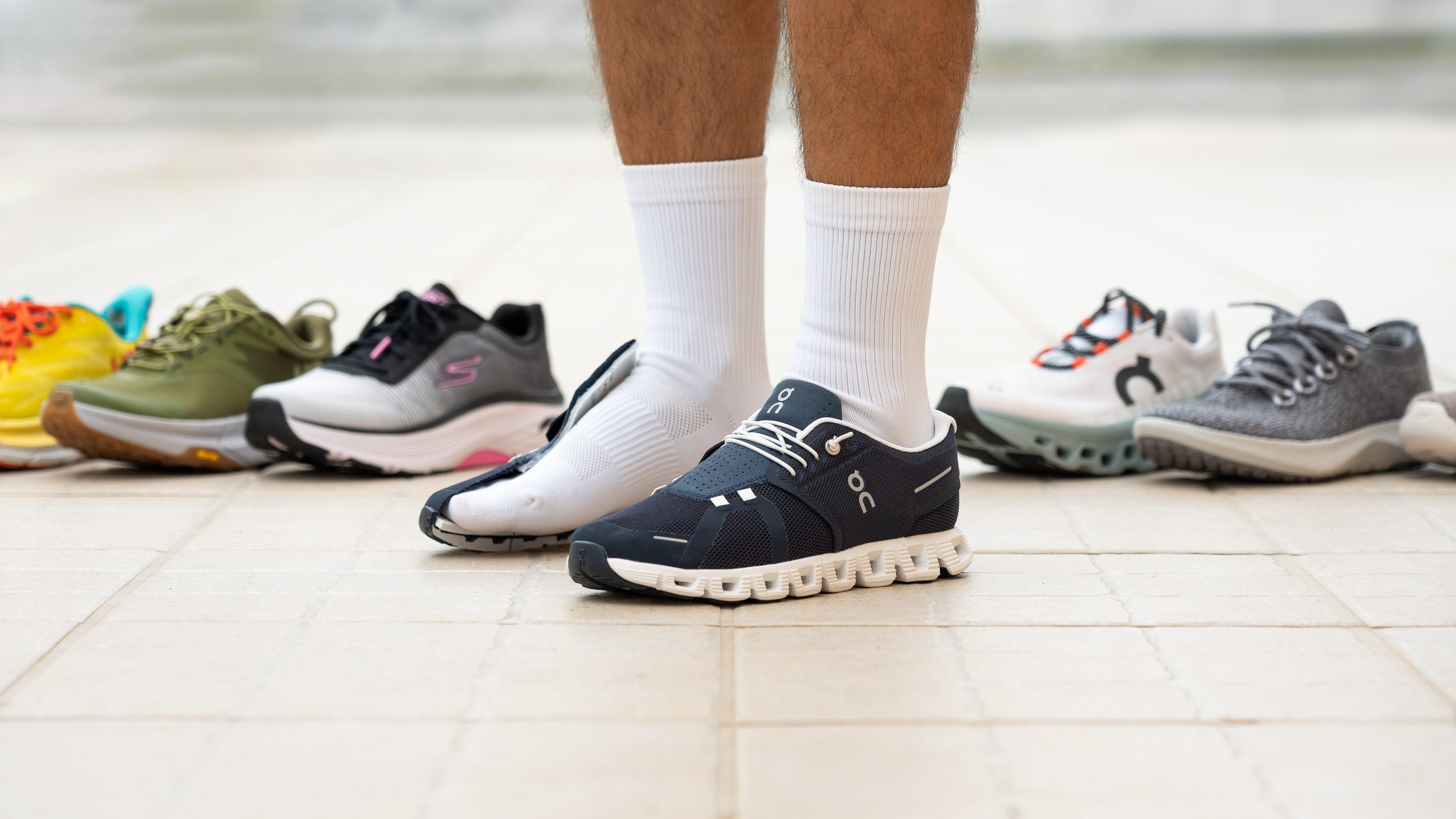
:max_bytes(150000):strip_icc()/favorite-walking-shoes-round-up-november-2024-458c3fc0c6844adca7c0a34ebc5cfb9b.jpg)
Expert Voices: What Podiatrists and Biomechanists Actually Say
Turning to expert opinions solidifies our understanding. Dr. Miguel Cunha, founder of Gotham Footcare in New York City, frequently highlights that a good walking shoe should feel supportive and comfortable from the moment you put it on, without a “break-in” period—a notion that challenges old-fashioned shoe-buying wisdom. On platforms like YouTube, certified podiatrists like Dr. Brad Schaeffer of “Foot & Ankle Center of New Jersey” provide visual analyses of popular shoe models, evaluating their stability, flexibility, and suitability for different foot types. Furthermore, the APMA’s Seal of Acceptance program is a trusted benchmark; shoes earning this seal have been voluntarily submitted and evaluated by a committee of podiatrists for their scientific design and promotion of good foot health. As one committee member stated in an interview, the seal is not a blanket endorsement of all a brand’s products but a specific certification for models that meet rigorous criteria. This external validation is a powerful tool for consumers navigating a crowded market. It transforms subjective preference into an objective, science-based selection.
“The right shoe is a preventative medical device. It’s not an accessory; it’s the primary interface that determines the load distribution across your entire musculoskeletal system. Choosing a shoe without considering your individual biomechanics is one of the most common, yet preventable, mistakes people make.” – Paraphrased from common clinical viewpoints shared by multiple practicing podiatrists in professional forums and interviews.
From Knowledge to Purchase: Navigating the Market with Confidence
Armed with biomechanical knowledge and expert criteria, how do you apply this in a store or online? First, prioritize fit over brand name or aesthetics. Shop for shoes in the afternoon or evening, as feet naturally swell throughout the day. Always wear the socks you intend to walk in. There should be about a thumb’s width (roughly half an inch) of space between your longest toe (which isn’t always the big toe) and the end of the shoe. The shoe should feel snug but not tight across the instep and heel, with no pinching or pressure points. Don’t be seduced by excessive cushioning; a pillowy-soft sole can lack the necessary stability and cause the small stabilizer muscles in your feet to weaken over time, a concept explored in literature on foot core stability from universities focusing on sports medicine. Instead, look for responsive cushioning that offers both comfort and rebound. When searching online, filter for features like “motion control” for overpronation, “neutral cushioning” for neutral arches, or “extra depth” for those requiring orthotics. Reputable retailers often provide detailed specifications, including heel-to-toe drop, weight, and midsole composition, allowing for a more technical comparison.

Investing in Your Foundation: Value Beyond the Price Tag
While premium podiatrist recommended walking shoes from brands like ASICS, Brooks, New Balance, HOKA, and Saucony often carry a higher initial cost, they represent an investment in long-term health and performance. The advanced materials, rigorous research and development, and quality construction in these shoes translate to better durability, consistent support over the shoe’s lifespan, and ultimately, fewer costs related to foot pain or injury. However, value is also about smart shopping. Many of these brands offer previous-season models at significant discounts, often with only minor cosmetic changes from the latest versions. Outlet stores, official brand websites’ sale sections, and reputable online athletic retailers frequently have deals. The key is to know your exact size and required model. For instance, if a gait analysis reveals you need a stability shoe like the ASICS GT-2000, you can confidently search for discounted prices on that specific line. Remember, the most expensive shoe is not necessarily the best for you, and the cheapest option may cost you more in medical bills later. The goal is to find the shoe that correctly matches your biomechanics at the best possible price point, making professional-grade foot health accessible.
Your Next Step: A Commitment to Informed Foot Health
The journey to finding the perfect walking shoe is a personal one, rooted in self-awareness and scientific principle. It begins with understanding your own gait and arch type, continues through a meticulous evaluation of shoe components like midsole technology and heel counter integrity, and is guided by the standards set by podiatric professionals. The market is filled with options, but true podiatrist recommended walking shoes stand apart through their deliberate design aimed at promoting physiological movement and preventing pathology. This isn’t a passive purchase; it’s an active decision to support your body’s intricate mechanics with every step you take. Use this knowledge as your filter, seek out the APMA Seal or similar expert endorsements as your guide, and prioritize fit and function above all. Your daily walk is a ritual of health—ensure the foundation upon which it is built is as solid, supportive, and scientifically sound as the commitment you’re making to your own well-being.