

Discover the Top Podiatrist Recommended Walking Shoes for Ultimate Comfort and Support
Walking is one of the most fundamental human movements, a daily ritual for millions. Yet, the simplicity of this act belies the complex biomechanical processes involved. Every step you take sends shockwaves through your feet, ankles, knees, and hips. The right footwear isn’t just about style; it’s a critical tool for preserving your musculoskeletal health. This is where the expertise of a podiatrist becomes invaluable. A podiatrist, or foot and ankle specialist, understands the intricate architecture of the foot—the 26 bones, 33 joints, and over 100 muscles, tendons, and ligaments. Their recommendations are grounded in preventing and alleviating conditions like plantar fasciitis, bunions, metatarsalgia, and overpronation. This article cuts through marketing hype to explore the definitive features of podiatrist recommended walking shoes, presenting a curated selection backed by scientific rationale and professional endorsements. Our goal is to empower you with knowledge, transforming your shoe shopping from a guessing game into an informed decision for long-term wellness.
The Foundation: Why Podiatrist Endorsement Matters
To understand the weight of a podiatrist’s recommendation, one must first appreciate the foot’s role as the body’s foundation. The American Podiatric Medical Association (APMA) frequently emphasizes that foot health is intrinsically linked to overall health. Poor footwear can lead to a cascade of problems, altering gait, causing joint pain, and even contributing to back issues. Podiatrists evaluate shoes based on specific, non-negotiable criteria: stability, cushioning, fit, and motion control. For instance, a study published in the Journal of Foot and Ankle Research highlights how proper midfoot stability can reduce the risk of injuries in daily ambulation. Unlike generic “comfort” shoes, podiatrist recommended walking shoes are engineered to address physiological needs. They often feature technologies like rigid heel counters to prevent excessive heel movement, rocker soles to facilitate a natural gait cycle, and ample toe boxes to accommodate natural toe splay. When a product earns the APMA Seal of Acceptance, it has been reviewed by a committee of podiatrists and found to promote good foot health. This seal is a trusted benchmark, separating genuinely supportive footwear from mere fashion statements.
:max_bytes(150000):strip_icc()/tal-10-podiatrist-approved-open-toed-shoes-tout-00bd6ff1c36a49cdbbff486b0b54fb27.jpg)
Arch Support and Motion Control: The Pillars of Stability
Perhaps the most critical feature in any walking shoe is its approach to arch support and motion control. The human foot has three primary arches—medial longitudinal, lateral longitudinal, and transverse—that act as natural shock absorbers. When these arches collapse excessively (overpronation) or don’t collapse enough (supination), it disrupts the kinetic chain. Dr. Jacqueline Sutera, a renowned New York City podiatrist, often states in media interviews, “Shoes should complement your foot’s structure, not fight against it.” Podiatrist recommended walking shoes are meticulously designed to offer varying degrees of support tailored to different arch types. For overpronators, shoes with firm medial posts—denser foam on the inner side of the midsole—are essential to guide the foot into a neutral position. Brands like ASICS and Brooks excel in this area, using technologies like DuoMax support systems and GuideRails. The principle is supported by biomechanics literature from institutions like the University of Calgary’s Human Performance Lab, which underscores how controlling rearfoot eversion can reduce tibial internal rotation and subsequent knee stress. This isn’t about creating a rigid foot prison; it’s about providing intelligent architecture that allows your foot to function as nature intended, with stability and efficiency.
Cushioning vs. Responsiveness: Striking the Perfect Balance
The debate between plush cushioning and ground-responsive feel is perennial. The ideal walking shoe finds a harmonious balance, a concept central to podiatrist recommended walking shoes. Excessive, overly soft cushioning can be as detrimental as too little. A shoe that is too soft may lack stability, causing the foot to sink and roll, while a shoe that is too firm can increase impact forces. The key lies in material science. Modern midsoles utilize advanced polymers like EVA (ethylene-vinyl acetate), polyurethane, and proprietary blends such as Brooks’ DNA LOFT or ASICS’ FLYTEFOAM. These materials are engineered to provide durable, responsive cushioning that attenuates shock without bottoming out. Dr. Brad Schaeffer, a podiatrist featured in Footwear News, explains, “You want a shoe that absorbs the shock of heel strike but then returns energy to propel you forward smoothly.” This “energy return” is a measurable concept in sports science, contributing to walking economy. Furthermore, cushioning must be strategically placed. Heel crash pads are crucial for absorbing the initial impact, which can be up to 1.5 times your body weight. Forefoot cushioning, meanwhile, protects the metatarsal heads during toe-off. The best shoes distribute cushioning intelligently based on pressure mapping data, ensuring protection where your foot needs it most.
:max_bytes(150000):strip_icc()/shp-best-brooks-walking-shoes-tout-f67df3ab5afa4c08a24a63ae6dca3444.jpg)
Fit and Geometry: Beyond Just Shoe Size
A common misconception is that a comfortable fit is solely about length. In reality, podiatrists stress the importance of three-dimensional fit: length, width, and volume. A shoe must accommodate the foot’s shape throughout the gait cycle, as feet swell during the day and expand under load. The “toe box” is a paramount consideration. As noted in resources like Wikipedia’s entry on footwear, a cramped toe box can lead to deformities like hammertoes and exacerbate bunions. Podiatrist recommended walking shoes typically feature a spacious, foot-shaped toe box that allows toes to lie flat and splay naturally upon weight-bearing. Another critical aspect is the “last”—the mold around which a shoe is built. Straight-lasted shoes are generally recommended for overpronators, while curved lasts suit high-arched, supinating feet. Furthermore, the heel-to-toe drop (or offset) influences Achilles tendon and calf muscle strain. A moderate drop (8-12mm) is common in walking shoes, promoting a gentle heel-to-toe transition. The act of trying on shoes in the late afternoon, wearing the socks you intend to use, and ensuring a thumb’s width of space at the end is not just folk wisdom—it’s podiatric standard operating procedure for ensuring a truly supportive fit.
Top Contenders: A Breakdown of Podiatrist-Approved Models
Navigating the market can be overwhelming. Here, we distill professional endorsements and user experiences into a focused look at standout models that consistently earn the podiatrist recommended walking shoes designation. It’s important to remember that the “best” shoe is highly individual, but these examples embody the principles discussed.
For the Ultimate in Stability and Support
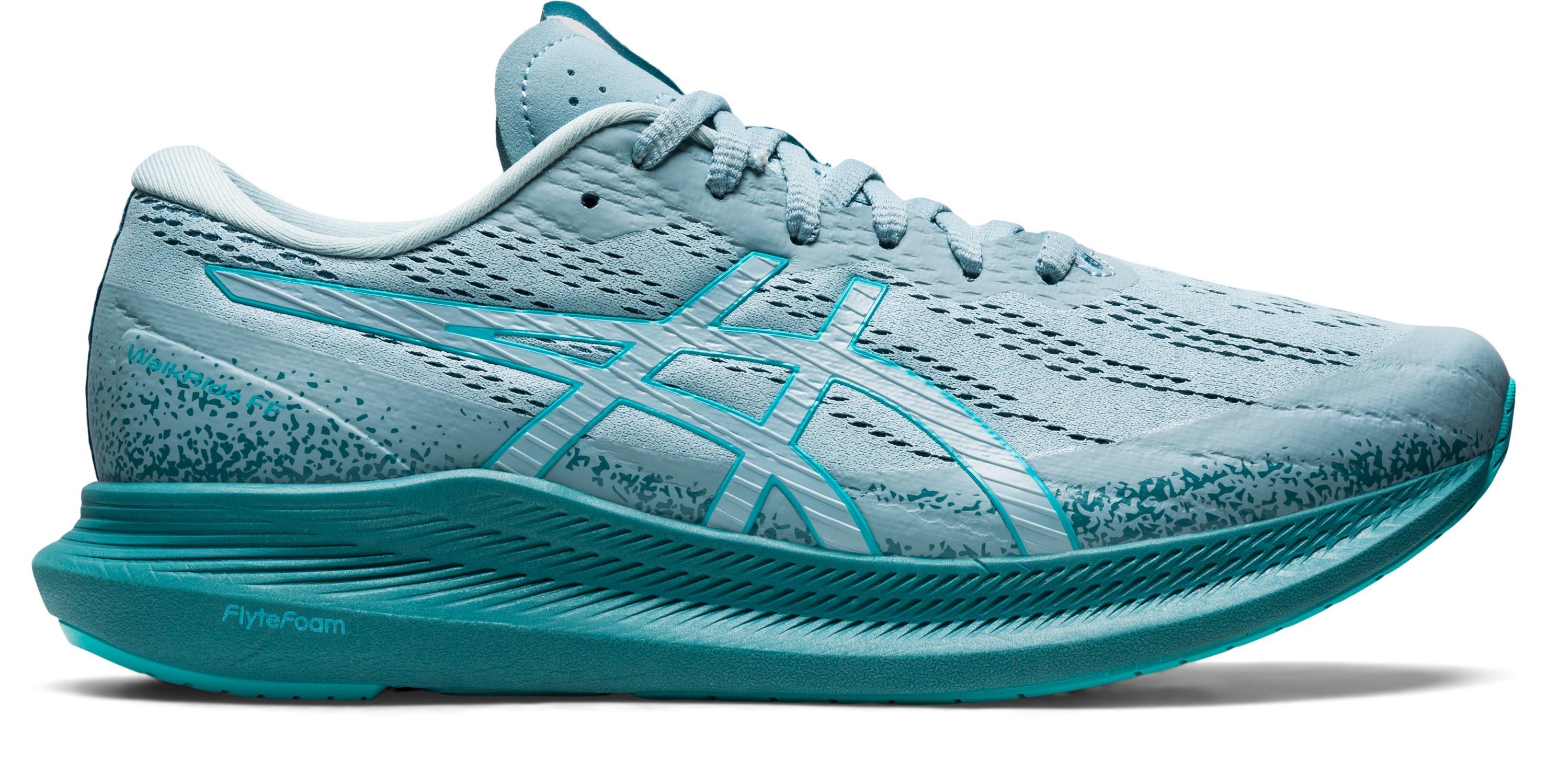
When maximum motion control is non-negotiable, shoes like the Brooks Addiction Walker and the ASICS GT-4000 series are frequently cited by podiatrists. The Brooks Addiction Walker, for decades, has been a clinical staple for patients with severe overpronation, flat feet, or who are heavier-set. Its extended progressive diagonal rollbar (a firm post) offers exceptional medial support. The full-grain leather upper provides structure and durability. On platforms like Quora and in YouTube reviews by certified pedorthists, its reliability for pain relief is a constant theme. Similarly, the ASICS GT-4000 utilizes the brand’s Dynamic DuoMax Support System and Guidance Line technology to enhance gait efficiency. These shoes represent a category where biomechanical correction is prioritized, offering a stable platform that can make walking comfortable for those who previously found it painful.
For All-Day Cushioning and Comfort
For walkers seeking cloud-like comfort without sacrificing support, models like the HOKA Bondi and the New Balance Fresh Foam More v4 are top-tier choices. HOKA, originally designed for ultra-runners, brought maximalist cushioning to the mainstream. The Bondi features an ultra-soft, full-compression EVA midsole that provides exceptional shock absorption, a boon for those with arthritis or heel pain. Podiatrists like Dr. Megan Leahy from the Illinois Bone and Joint Institute have recommended HOKA in interviews for patients needing extra cushioning. The New Balance Fresh Foam More v4 uses data-driven design to create a precisely engineered midsole that is both soft and surprisingly stable. Its wide platform increases stability, a clever design feature that prevents the foot from rolling despite the plush feel. These shoes exemplify how modern materials can deliver profound comfort while still adhering to the supportive tenets of podiatrist recommended walking shoes.
Investing in Your Stride: Where Value Meets Expertise
Purchasing high-quality walking shoes is an investment in your health, but it need not break the bank. Knowledge of sales cycles and reputable retailers is key. Many major brands and specialty running stores offer significant discounts on previous models when new versions are released—often with only minor cosmetic changes. Websites like Runner’s World and Wirecutter frequently publish “Best Walking Shoes on Sale” roundups, highlighting quality options at reduced prices. For instance, the Travel + Leisure roundup from which one of our images is sourced often features podiatrist recommended walking shoes at a discount. Furthermore, some insurance plans with flexible spending accounts (FSAs) or health savings accounts (HSAs) may allow for shoe purchases with a doctor’s prescription for orthotic or biomechanical issues. The true value lies not in the initial price tag, but in the cost-per-mile of comfort and injury prevention. A $150 pair of shoes that lasts 500 miles and keeps you pain-free is infinitely more valuable than a $60 pair that causes discomfort and leads to a $200 podiatrist visit.
:max_bytes(150000):strip_icc()/tal-roundup-podiatrist-loved-shoes-on-sale-tout-bdbf5721fa5642efa38b61f6a5b4ff34.jpg)
Your journey toward pain-free, enjoyable walking begins with the foundation you choose. The science is clear, and the professional consensus is robust: footwear engineered with biomechanical principles in mind is not a luxury, but a necessity for active living. By prioritizing the hallmarks of podiatrist recommended walking shoes—targeted arch support, balanced cushioning, and anatomical fit—you are doing more than buying a product. You are making a conscious decision to support your body’s intricate mechanics with every step. This knowledge empowers you to move with confidence, comfort, and the assurance that you are walking in shoes designed not just for your feet, but for your holistic well-being.
