

Discover the Top Podiatrist Recommended Walking Shoes for Ultimate Comfort and Support
Your feet are the foundation of your movement, and the shoes you choose can either be a source of daily relief or a cause of chronic discomfort. For anyone who spends a significant part of their day on their feet—whether walking for fitness, navigating the workplace, or simply managing daily errands—the quest for the perfect shoe is paramount. This isn’t about fleeting fashion trends; it’s about long-term foot health and biomechanical efficiency. The most reliable guidance in this quest comes from professionals who dedicate their careers to understanding the intricate workings of the human foot: podiatrists. A podiatrist recommended walking shoe is more than a marketing term; it is a product that has been scrutinized for its ability to provide structural support, cushion impact, and promote a natural, healthy gait. This article delves into the science behind these recommendations, exploring the non-negotiable features that define top-tier walking footwear, backed by insights from medical literature, expert opinions, and biomechanical principles. We will move beyond subjective reviews to understand objectively why certain designs earn professional endorsements and how investing in the right pair is an investment in your overall well-being.
The Biomechanical Blueprint: Why Podiatrist Endorsement Matters
To comprehend the value of a podiatrist recommended walking shoe, one must first understand the complex biomechanics at play with every step. The human foot is a marvel of engineering, comprising 26 bones, 33 joints, and over 100 muscles, tendons, and ligaments. During the walking gait cycle—which includes the phases of heel strike, midstance, and toe-off—forces equivalent to 1.5 times your body weight travel through your feet and up your kinetic chain. Improper footwear can disrupt this delicate system, leading to a cascade of issues not limited to the feet, such as plantar fasciitis, metatarsalgia, bunions, and even problems in the knees, hips, and lower back. Podiatrists, like Dr. Jacqueline Sutera, a New York-based doctor of podiatric medicine, often emphasize that shoes are the primary orthotic for most people. In various media statements, she has pointed out that a good shoe should provide stability, flexibility in the right places, and adequate cushioning. This perspective is echoed in literature from authoritative institutions like the American Podiatric Medical Association (APMA), which grants its Seal of Acceptance to products that promote good foot health. Therefore, a shoe bearing such a recommendation has been evaluated for its ability to accommodate the foot’s natural structure and function, offering a protective environment that mitigates stress and strain. It is a product designed with pathology prevention in mind, not just aesthetic appeal.
:max_bytes(150000):strip_icc()/tal-10-podiatrist-approved-open-toed-shoes-tout-00bd6ff1c36a49cdbbff486b0b54fb27.jpg)
Arch Support: The Non-Negotiable Foundation
Perhaps the most critical feature scrutinized by foot specialists is arch support. The arch of your foot acts as a natural shock absorber. However, not all arches are created equal; they are generally categorized as neutral, flat (pes planus), or high (pes cavus). A lack of proper support, especially for flat feet, can lead to overpronation—an excessive inward rolling of the foot that collapses the arch. Conversely, high arches often lead to underpronation (supination), which fails to adequately absorb shock. A podiatrist recommended walking shoe will typically feature a well-contoured, firm yet comfortable arch support that matches the foot’s topography. This isn’t merely about a cushioned insole; it’s about a structured midsole, often made from materials like EVA (ethylene-vinyl acetate) or polyurethane, that maintains its shape and support over time. As noted on platforms like Quora and in articles referencing the Harvard Medical School publications, proper arch alignment helps distribute pressure evenly across the foot, reducing fatigue and the risk of conditions like posterior tibial tendon dysfunction. The goal is to provide external reinforcement that complements the foot’s internal architecture, preventing the ligaments and tendons from overstretching with each step you take.
Cushioning vs. Stability: Striking the Perfect Balance
A common misconception is that the softest shoe is the best for walking. While cushioning is vital for dissipating impact forces at the heel and forefoot, excessive softness without stability can be detrimental. Imagine walking on a soft mattress; your foot and ankle must constantly work to stabilize, leading to muscle fatigue and potential instability. Podiatrist-recommended models master the balance between plush comfort and firm guidance. They employ advanced foam technologies—such as ASICS’ FlyteFoam, Brooks’ DNA LOFT, or HOKA’s Profly+—that offer responsive cushioning: they compress upon impact to soften the blow but then spring back to propel you forward. Simultaneously, features like a heel counter (the firm cup at the back of the shoe) and medial posts (denser foam on the inner side of the midsole) work to control excessive motion. Dr. Brad Schaeffer, a podiatrist featured in numerous footwear reviews, often highlights that stability features are crucial for preventing ankle rolls and ensuring the foot transitions efficiently from heel to toe. This balanced engineering ensures that your joints are protected from jarring impacts without sacrificing the control needed for safe, prolonged ambulation.
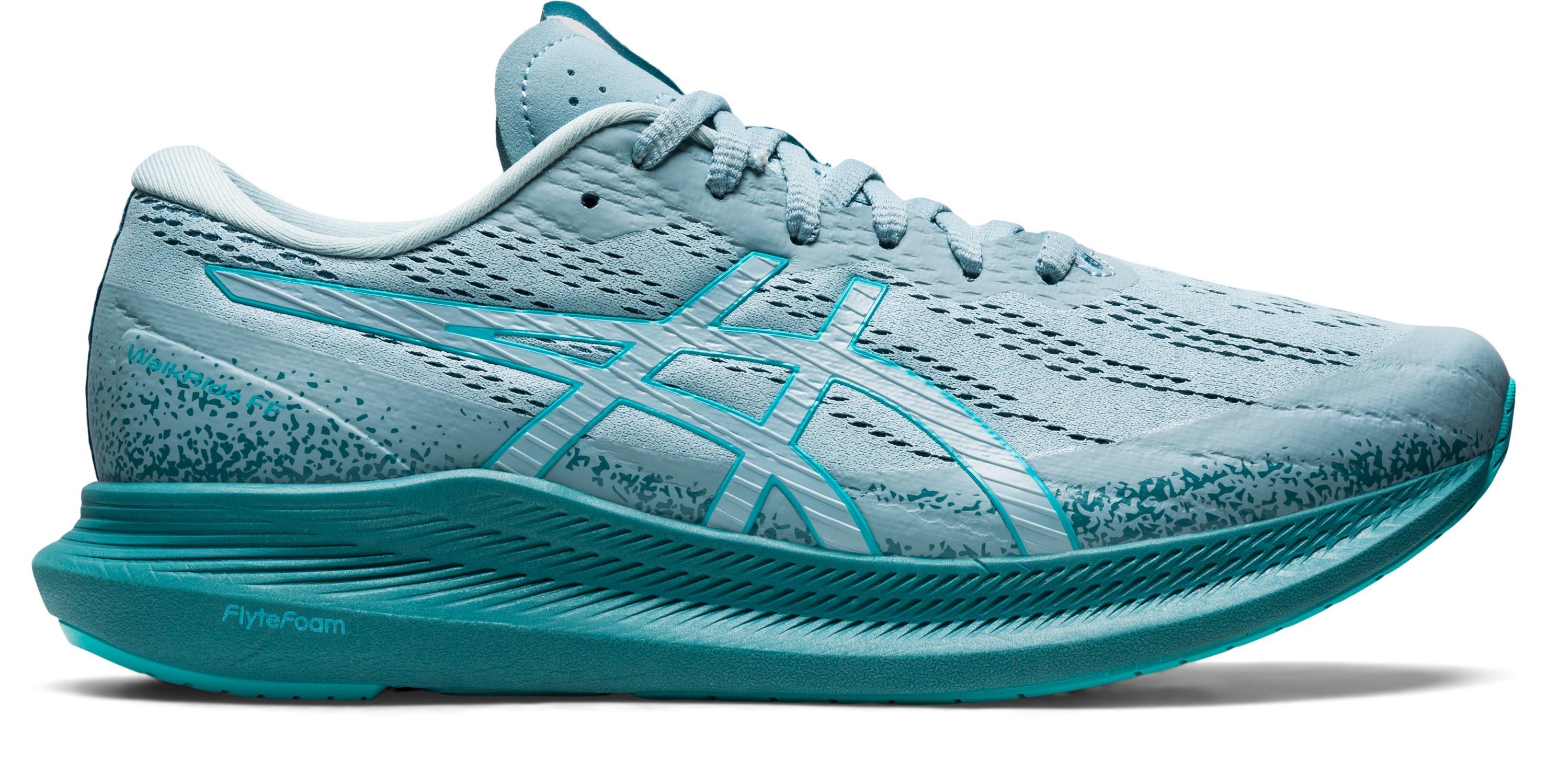
Deconstructing the Top Recommended Features and Technologies
When you examine a list of podiatrist recommended walking shoes, certain brands and models consistently appear. Their prevalence is not accidental but a result of incorporating specific, research-backed design elements. Let’s break down these essential components. First, the toe box must be wide and deep enough to allow your toes to splay naturally upon impact. Constriction here can lead to neuromas, hammertoes, and aggravate bunions. Second, the heel-to-toe drop (or offset) is carefully considered. A moderate drop (typically between 8-12mm) is often recommended for walkers, as it facilitates a smooth heel-to-toe transition, whereas a zero-drop shoe may place more strain on the Achilles and calves if one is not accustomed to it. Third, the outsole’s flexibility is targeted; it should bend easily at the ball of the foot (where your foot naturally flexes) but remain rigid through the arch. Durable rubber compounds like blown rubber or carbon rubber in high-wear areas enhance traction and longevity. These features are not arbitrary; they are derived from gait analysis studies conducted in biomechanics labs at universities worldwide. By integrating these principles, shoe manufacturers create products that actively work with your physiology rather than against it.
The Role of Materials and Breathability
The composition of a walking shoe significantly influences its performance and comfort over time. Modern podiatrist recommended walking shoes utilize engineered mesh uppers that provide strategic stretch, support, and, crucially, breathability. Proper ventilation is essential to manage moisture, reduce the risk of fungal infections, and maintain a comfortable foot temperature. The importance of moisture-wicking linings is often underscored by athletes and medical professionals on platforms like YouTube, where detailed reviews demonstrate long-term wear tests. Furthermore, the quality of internal linings and seams is examined to prevent chafing and blister formation—common complaints that can derail a walking routine. From a materials science perspective, the evolution from heavy, non-breathable leather to lightweight, adaptive synthetics represents a major leap in preventive foot care. This focus on holistic foot environment management is a hallmark of professionally vetted footwear.
:max_bytes(150000):strip_icc()/favorite-walking-shoes-round-up-november-2024-458c3fc0c6844adca7c0a34ebc5cfb9b.jpg)
Making an Informed Investment in Your Foot Health
Choosing the right walking shoe is a personal investment with tangible returns in comfort and health. It begins with an honest assessment of your own feet—considering your arch type, any existing conditions, and your typical walking environment. Many podiatrists advise shopping for shoes later in the afternoon when feet are naturally slightly swollen, ensuring a proper fit. It is also wise to bring the socks you intend to wear. The goal is to find a shoe that feels securely comfortable from the first step, with about a thumb’s width of space between your longest toe and the end of the shoe. While premium podiatrist recommended walking shoes may carry a higher initial price tag, their value is measured in durability, injury prevention, and day-long comfort. Consider the cost per wear over the shoe’s 300-500 mile lifespan; a quality pair that protects you from a single podiatrist visit for plantar fasciitis treatment effectively pays for itself. Furthermore, many reputable brands offer models from previous seasons at discounted prices, providing access to top-tier technology without the premium cost. This approach brings professional-grade foot care within practical reach, emphasizing that investing in your foundation is never an extravagance but a necessity.

Ultimately, the journey to finding ultimate comfort and support culminates in recognizing that footwear is a vital health tool. The distinction of a podiatrist recommended walking shoe serves as a trusted filter in a saturated market, guiding you toward designs grounded in biomechanical science rather than mere style. These shoes represent a synthesis of advanced materials, intelligent engineering, and clinical insight, all aimed at preserving the intricate machinery of your feet. By prioritizing these professionally endorsed features—superior arch support, balanced cushioning, a roomy toe box, and durable construction—you actively participate in safeguarding your mobility. Your daily walk should be a source of rejuvenation, not discomfort. Equipping yourself with footwear that aligns with the expertise of foot care professionals is the most direct step toward ensuring every path you take is walked with confidence, ease, and sustained well-being.
