

Discover the Top Podiatrist Recommended Walking Shoes for Ultimate Comfort and Support
Walking is one of the most fundamental human movements, yet its simplicity belies the complex biomechanical symphony it demands from our feet, ankles, knees, and hips. When this symphony is thrown off-key by improper footwear, the consequences can range from acute discomfort to chronic, debilitating conditions. This is where the guidance of a podiatrist—a medical specialist in foot, ankle, and lower extremity health—becomes invaluable. Podiatrist recommended walking shoes are not merely a marketing term; they represent a convergence of clinical insight, biomechanical engineering, and material science designed to protect and enhance our most basic form of mobility. This article delves into the core principles that define these shoes, explores the scientific rationale behind their design, and presents a curated selection of footwear that embodies these principles, blending professional endorsement with real-world value.
The Foundation: Why Podiatrist Endorsement Matters
To understand the significance of a podiatrist’s recommendation, one must first appreciate the foot’s intricate architecture. Comprising 26 bones, 33 joints, and over 100 muscles, tendons, and ligaments, the foot is a marvel of evolutionary engineering. According to resources like Wikipedia and academic literature from institutions like the Harvard Medical School, the foot acts as both a shock absorber and a rigid lever during the gait cycle. A podiatrist, through years of specialized training, diagnoses and treats disorders that disrupt this cycle. Their recommendation for footwear is rooted in preventing or alleviating conditions such as plantar fasciitis, metatarsalgia, bunions, and overpronation. As Dr. Jacqueline Sutera, a renowned New York City podiatrist, often states in media interviews, “Shoes are the foundation of your body. You wouldn’t build a house on a shaky foundation.” This perspective shifts the shoe from a fashion accessory to a critical piece of medical equipment for daily life. Therefore, seeking out podiatrist recommended walking shoes is a proactive step in preventative health care, an investment in maintaining mobility and comfort that transcends seasonal trends.

Decoding the Anatomy of an Ideal Walking Shoe
What specific features transform an ordinary sneaker into a podiatrist-approved powerhouse? The criteria are multifaceted and non-negotiable. First and foremost is arch support. The arch dynamically supports body weight and distributes force. Shoes lacking proper support can lead to the collapse of the arch, or overpronation, straining the plantar fascia. This is corroborated by biomechanics studies cited in resources like PubMed. Secondly, heel counter rigidity is crucial. A firm heel cup stabilizes the rearfoot, preventing excessive side-to-side motion that can lead to Achilles tendinitis or ankle sprains. Third, adequate toe box room is essential. As noted on platforms like Quora and in patient education materials from the American Podiatric Medical Association, a cramped toe box can cause or exacerbate deformities like hammertoes and bunions. The material must also possess optimal cushioning and resilience. Modern foams like EVA, polyurethane, and proprietary compounds such as Brooks’ DNA LOFT or ASICS’ GEL are engineered to absorb shock without bottoming out. Finally, a flexible yet supportive sole that bends at the ball of the foot—matching the foot’s natural pivot point—is vital for an efficient gait. A true podiatrist recommended walking shoe integrates all these elements harmoniously.
The Scientific Pillars: Motion Control, Stability, and Cushioning
Delving deeper, we encounter the three scientific pillars that categorize advanced walking shoes: motion control, stability, and cushioning. These are not arbitrary classifications but responses to distinct biomechanical profiles. Motion control shoes are the most robust, designed for severe overpronators. They feature dense, dual-density midsoles, extended medial posts, and rigid heel counters to forcefully correct inward rolling. Think of them as orthotics built into the shoe. This design philosophy is supported by research into gait analysis, often referenced in sports medicine literature. Stability shoes, the most commonly recommended category, offer moderate arch support and medial posting for mild to moderate overpronation. They balance correction with comfort, making them ideal for everyday walkers. Cushioning shoes, often recommended for neutral gaits or underpronation (supination), prioritize shock absorption above all, with softer, more uniform midsoles to protect joints from high-impact forces. The choice among these pillars is not a matter of preference but of physiology. A podiatrist can perform a gait analysis—or one can use wear-pattern analysis on old shoes—to determine the correct category. This scientific tailoring is the hallmark of a genuinely beneficial podiatrist recommended walking shoe.

Curated Selections: Where Professional Knowledge Meets Value
Armed with this knowledge, let’s examine specific models that consistently earn praise from foot care professionals and consumers alike. It’s important to note that while podiatrists may recommend brands or technologies, they rarely endorse specific commercial models due to ethical guidelines. However, certain brands have built long-standing reputations for collaborating with podiatrists and incorporating clinical feedback.
For the Stability-Seeking Walker: The Daily Workhorse
For individuals requiring dependable stability, shoes like the Brooks Addiction Walker or the New Balance 928 are frequently cited. The Brooks Addiction Walker, for instance, employs a Extended Progressive Diagonal Rollbar (PDRB)—a technology developed from biomechanical research—to guide the foot gently into a neutral position. Its full-grain leather upper provides structured support, a feature often highlighted in reviews on professional forums and sites like Runner’s World. The value proposition here is durability and consistent support, potentially offsetting the cost of over-the-counter orthotics. Similarly, the New Balance 928, with its ROLLBAR stability post technology, offers formidable motion control in a walking-specific design. These shoes represent an investment where the return is measured in pain-free steps and long-term foot health, often available at discounted prices during seasonal sales or through reputable online retailers.
For the Cushion-Craving Neutral Walker: Cloud-Like Comfort
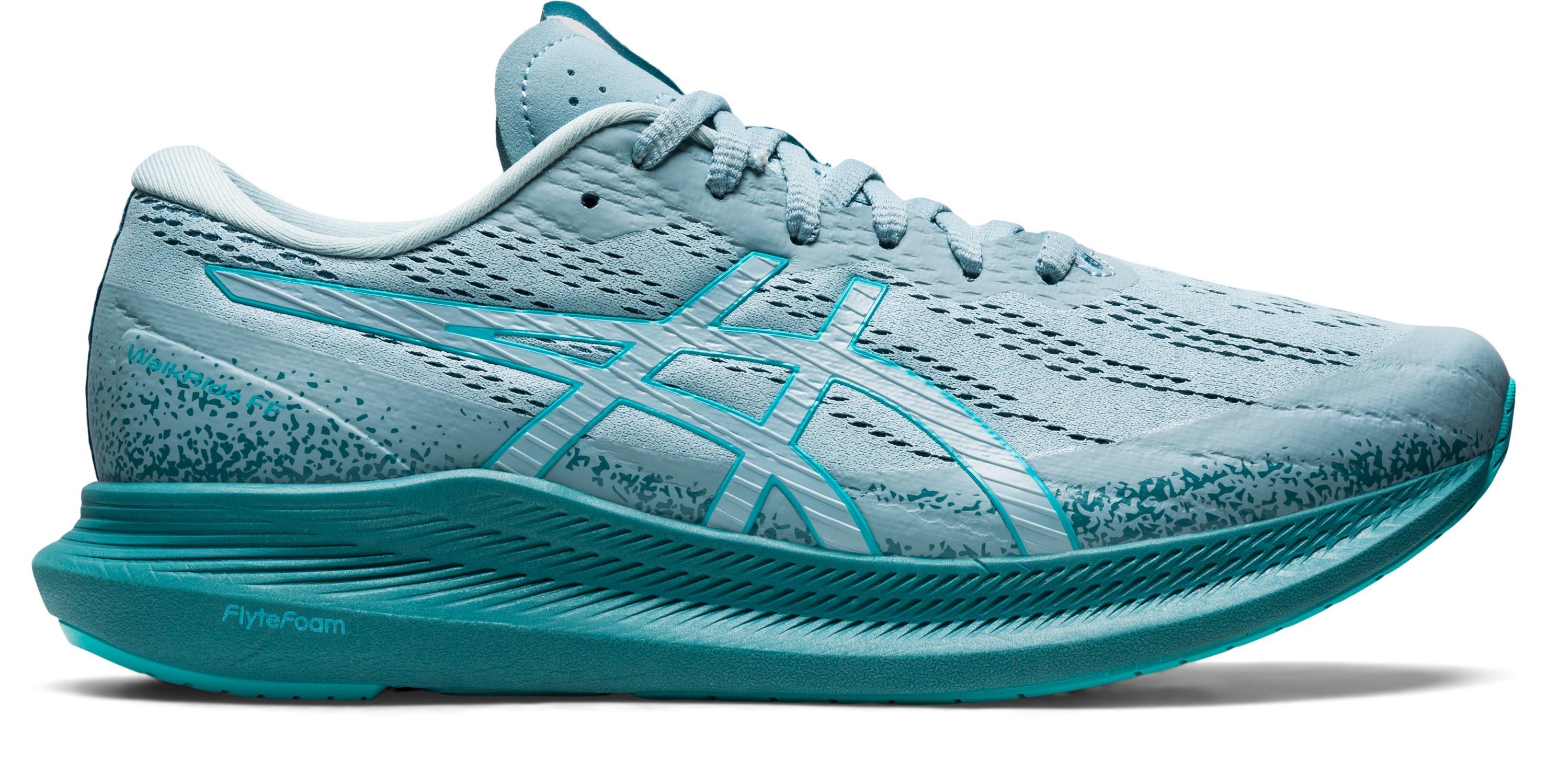
Walkers with a neutral gait who prioritize plush comfort might look towards models like the HOKA Bondi or the ASICS GEL-Nimbus series. HOKA, a brand that has gained a cult following among both medical professionals and athletes, is renowned for its maximalist cushioning. The Bondi’s thick, resilient EVA midsole provides exceptional shock absorption, a boon for those with joint sensitivities or who walk on hard surfaces. This aligns with the philosophy echoed by many physical therapists on social media platforms: “Protect the joints to preserve mobility.” ASICS’ GEL technology, a silicone-based cushioning system placed in the heel and forefoot, is another industry benchmark for impact dissipation, born from material science research. The GEL-Nimbus, while often a running shoe, is frequently adapted for walking due to its sublime comfort. The professional knowledge here translates into targeted material innovation that directly enhances the walking experience.
:max_bytes(150000):strip_icc()/favorite-walking-shoes-round-up-november-2024-458c3fc0c6844adca7c0a34ebc5cfb9b.jpg)
The Versatile All-Rounder: Blending Technologies
Some shoes expertly blend stability and cushioning for a versatile appeal. The Saucony Integrity Walker is a prime example. It features a GRID cushioning system for heel shock absorption and a medial post for stability. This dual approach makes it a common sight in lists of podiatrist recommended walking shoes for individuals with mild biomechanical issues who also want ample comfort. Another contender is the Orthofeet brand, which designs shoes with anatomical orthotic insoles, wide toe boxes, and seamless interiors specifically for sensitive feet, often recommended for those with diabetes or arthritis. The viewpoint from consumer health platforms like WebMD underscores the importance of such features for at-risk populations. The value in these models lies in their multifunctional design, potentially serving as both everyday footwear and a therapeutic aid.
Beyond the Shoe: Complementary Practices for Foot Health
Even the best podiatrist recommended walking shoes are part of a holistic foot care regimen. Professional knowledge extends beyond the purchase. Firstly, shoe lifespan is critical. Most experts, citing studies on material degradation, agree that walking shoes lose a significant portion of their cushioning and support after 300-500 miles. Wearing them beyond this point negates their benefits. Secondly, the use of moisture-wicking socks, like those made from merino wool or synthetic blends, prevents blisters and fungal infections—a simple tip frequently emphasized by hiking and podiatry communities online. Thirdly, incorporating foot-strengthening exercises, such as toe curls or marble pickups, can build intrinsic muscle support, a concept popularized by resources like the “Whole Body Barefoot” book by biomechanist Katy Bowman. Finally, if persistent pain occurs, consulting a podiatrist for custom orthotics is the definitive step. These devices are prescription-grade, crafted from a 3D model of your foot to address your unique biomechanics, offering a level of customization no off-the-shelf shoe can match.
Making an Informed Choice: Your Path to Comfort
The journey to finding the perfect walking shoe is deeply personal, yet it should be guided by objective science and professional insight. It begins with self-assessment or professional gait analysis to understand your foot type and gait pattern. From there, prioritizing the key features—structured arch support, a secure heel counter, ample toe room, and appropriate cushioning—narrows the field. Remember that the most expensive shoe is not necessarily the best for you; the correct shoe is the one that addresses your specific biomechanical needs. Seek out brands with a documented history of collaborating with medical professionals and utilizing evidence-based design. Read reviews from long-term users, not just first impressions. And crucially, always try shoes on in the afternoon when your feet are naturally slightly swollen, and wear the socks you intend to walk in. This meticulous approach ensures that your final selection truly belongs to the category of podiatrist recommended walking shoes, serving as a reliable partner in your pursuit of health, comfort, and vitality with every step you take.
