

Discover the Best Podiatrist Recommended Walking Shoes for Comfort and Style
For anyone who walks—whether for fitness, daily errands, or simply the joy of movement—the right footwear is not a luxury; it’s a fundamental tool for health. The wrong shoes can lead to a cascade of discomfort, from blisters and calluses to more serious issues like plantar fasciitis, knee pain, and misalignment that travels up the kinetic chain. This is where the guidance of a podiatrist, a medical specialist in foot and ankle health, becomes invaluable. Podiatrist recommended walking shoes are not merely a marketing term; they represent a category of footwear designed with scientific principles of biomechanics, support, and injury prevention in mind. This article delves into the core features that define these shoes, explores the science behind their design, and guides you toward choices that seamlessly blend proven comfort with contemporary style, ensuring your every step is supported.
The Foundation: Why Podiatrist Guidance Matters for Walkers
To understand the significance of podiatrist recommended walking shoes, one must first appreciate the complexity of the human foot. It is a marvel of engineering, comprising 26 bones, 33 joints, and over 100 muscles, tendons, and ligaments. Each step you take involves a sophisticated sequence of events: heel strike, foot flattening (pronation), and push-off (supination). A podiatrist, through years of specialized medical training, understands how deviations in this gait cycle—such as overpronation (excessive inward roll) or supination (insufficient roll)—can lead to injury. Their recommendations are based on clinical evidence aimed at correcting or accommodating these biomechanical realities. As noted by the American Podiatric Medical Association (APMA), proper footwear is a first-line defense against common foot ailments. Shoes that earn the APMA Seal of Acceptance, for instance, have been evaluated by a committee of podiatrists and found to promote good foot health. Therefore, seeking out podiatrist recommended walking shoes is an act of preventative care, akin to choosing a mattress for spinal health or ergonomic furniture for posture. It’s an investment in the long-term functionality and comfort of your foundation.

Arch Support: The Non-Negotiable Pillar
Perhaps the most critical feature in any podiatrist recommended walking shoe is substantive arch support. The arch of your foot acts as a natural shock absorber. Without proper support, especially during the mid-stance phase of gait, the plantar fascia ligament can become overstretched and inflamed, leading to the debilitating pain of plantar fasciitis. A study published in the Journal of Orthopaedic & Sports Physical Therapy emphasized that medial arch support is effective in reducing peak pressure on the forefoot and heel. This isn’t about a one-size-fits-all bump in the insole; it’s about matching the shoe’s support to your specific arch type—neutral, low, or high. For example, individuals with flat feet (low arches) often require motion control or stability shoes with firm medial posts to limit overpronation. The renowned running and walking analyst, Dr. Casey Kerrigan, founder of OESH Shoes, has often highlighted in her research that traditional, overly rigid shoes can weaken foot muscles. Her work, cited in publications like The Journal of Foot and Ankle Research, advocates for shoes that provide support while allowing natural foot motion, a nuanced view now incorporated into many modern podiatrist recommended walking shoes. The takeaway is clear: authentic arch support is biomechanically engineered, not merely cushioned.
Heel Counter and Stability: Your Anchor with Every Step
While cushioning often steals the spotlight, stability is the unsung hero of foot health. A firm heel counter—the rigid cup at the back of the shoe that cradles your heel—is paramount. Its primary function is to prevent excessive heel movement, which can cause slippage, blisters, and instability that compromises your entire gait. When your heel is securely anchored, your foot is in a better position to transition smoothly from heel strike to toe-off. This stability is crucial for walkers of all weights and speeds. Consider the analogy from architecture: a skyscraper needs a deeply rooted, stable foundation to remain upright under stress. Your body is no different. A robust heel counter provides that foundational stability for your foot, which in turn stabilizes your ankle, knee, and hip. This principle is echoed in footwear reviews from authoritative sources like Runner’s World and Walking Magazine, which consistently highlight heel counter integrity in their shoe evaluations. A shoe with a weak, collapsible heel counter simply cannot be considered a serious contender in the category of podiatrist recommended walking shoes, regardless of its other features.
Decoding the Elements: From Toe Box to Tread
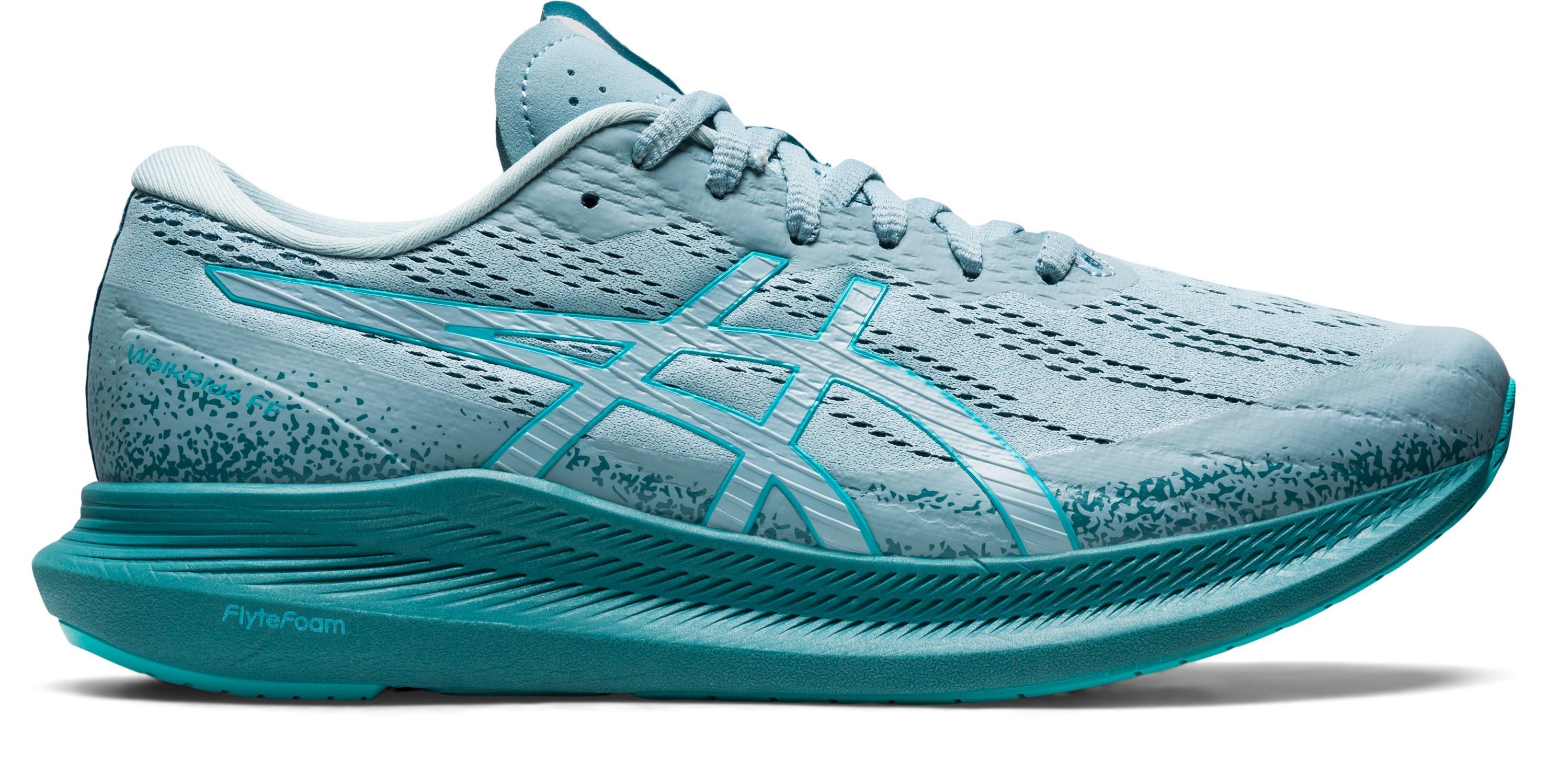
Moving beyond the arch and heel, a truly supportive walking shoe is defined by the synergy of all its parts. The toe box must be wide and deep enough to allow your toes to splay naturally upon impact. Constriction here can lead to neuromas, bunions, and hammertoes. The midsole, typically made from materials like EVA (ethylene-vinyl acetate) or polyurethane, must offer a balance of cushioning and responsiveness. Recent advancements, such as ASICS’ FlyteFoam or Brooks’ DNA LOFT, provide lightweight, durable cushioning that doesn’t break down quickly. The outsole’s tread pattern is not just for show; it needs to provide multi-surface traction to prevent slips, while the flexibility should align with the natural bending point of your foot (the metatarsophalangeal joint). A shoe that bends in the middle, rather than at the ball of the foot, can strain the plantar fascia. This holistic design philosophy is what separates generic sneakers from engineered wellness tools. As biomechanist Katy Bowman, author of Whole Body Barefoot, states:
“Footwear is an environment for the foot. The best shoe is the one that interferes the least with natural foot function while providing necessary protection from environmental hazards.”
This encapsulates the goal: protection without imprisonment, support without restriction.
The Style Synergy: No Longer a Sacrifice
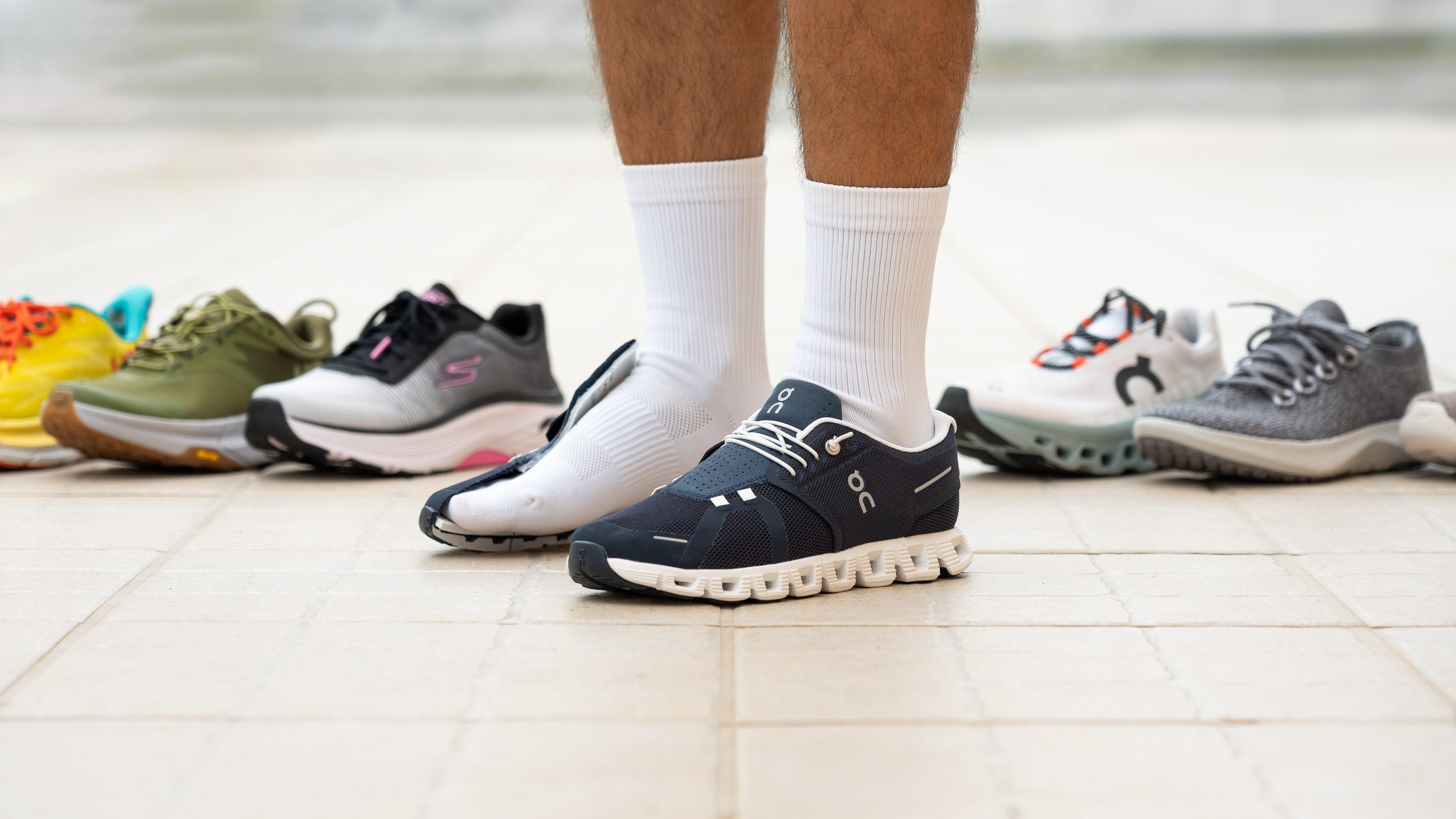
The historical complaint against orthopedic or highly supportive shoes was their aesthetic—often clunky, bland, or overtly medical. That era is decisively over. Today, leading brands recognize that consumers refuse to choose between comfort and style. Companies like HOKA, with their maximalist cushioning in vibrant colors, ON Running with their distinctive CloudTec soles, and even traditional comfort brands like Ecco and Clarks, have invested heavily in design. The modern podiatrist recommended walking shoes can feature sleek profiles, knit uppers, and contemporary colorways that look at home on a city street, in an office, or on a walking trail. This fusion is critical because it removes the barrier to compliance. When supportive shoes are attractive, you’re more likely to wear them consistently, reaping the daily health benefits. The market has listened, and now offers proof that biomechanical integrity and modern design are not mutually exclusive but are, in fact, the new standard.

Navigating Your Personal Fit: A Practical Guide
Knowledge of features is useless without a proper fitting strategy. First, shop late in the afternoon when your feet are naturally slightly swollen. Always wear the socks you intend to walk in. There should be a thumb’s width (about half an inch) of space between your longest toe and the end of the shoe. Width is as important as length; you should be able to wiggle all toes freely without feeling pressure on the sides. Don’t assume your size is static; have both feet measured each time, as size can change with age, weight, and pregnancy. When trying on podiatrist recommended walking shoes, walk on a hard surface, not just carpet. Pay attention to any immediate points of irritation or slippage—shoes should feel good from the first step, not require a lengthy “break-in” period that risks injury. If you have known issues like diabetes, severe overpronation, or a history of stress fractures, consulting a podiatrist for a personalized recommendation or custom orthotics is the wisest course of action. They can analyze your gait and foot structure to provide a prescription for footwear that addresses your unique needs.
Bringing Expertise and Value to Your Step
Investing in your foot health is non-negotiable, but savvy shopping is always welcome. High-quality podiatrist recommended walking shoes from brands like New Balance (a frequent favorite in podiatry circles for their width sizing), ASICS, Saucony, and Brooks typically range from $120 to $160 at full retail. However, value can be found. Consider purchasing previous models when a new version is released, as the core technology often remains similar at a significant discount. Reputable online retailers frequently offer sales around major holidays. Specialty running stores, while sometimes carrying premium prices, offer invaluable expert fitting services that can prevent costly mistakes. Remember, the true cost of a shoe isn’t just its price tag; it’s the cost per mile of comfort and protection it provides. A well-constructed shoe that protects you from a single doctor’s visit for foot pain has already paid for itself many times over.
Your journey toward pain-free, stylish walking begins with a single, informed choice. By prioritizing the hallmarks of podiatrist-endorsed footwear—targeted arch support, unwavering stability, a foot-friendly shape, and durable construction—you are not just buying shoes; you are choosing a partner for your musculoskeletal health. The modern market brilliantly dispels the old myth that comfort means compromising on style. Embrace the knowledge that the best walking shoes are those that you forget you’re wearing, allowing you to move through your day with ease, confidence, and the silent assurance that every step is built on a foundation of scientific care and thoughtful design. Let your next step be your most supported one yet.
