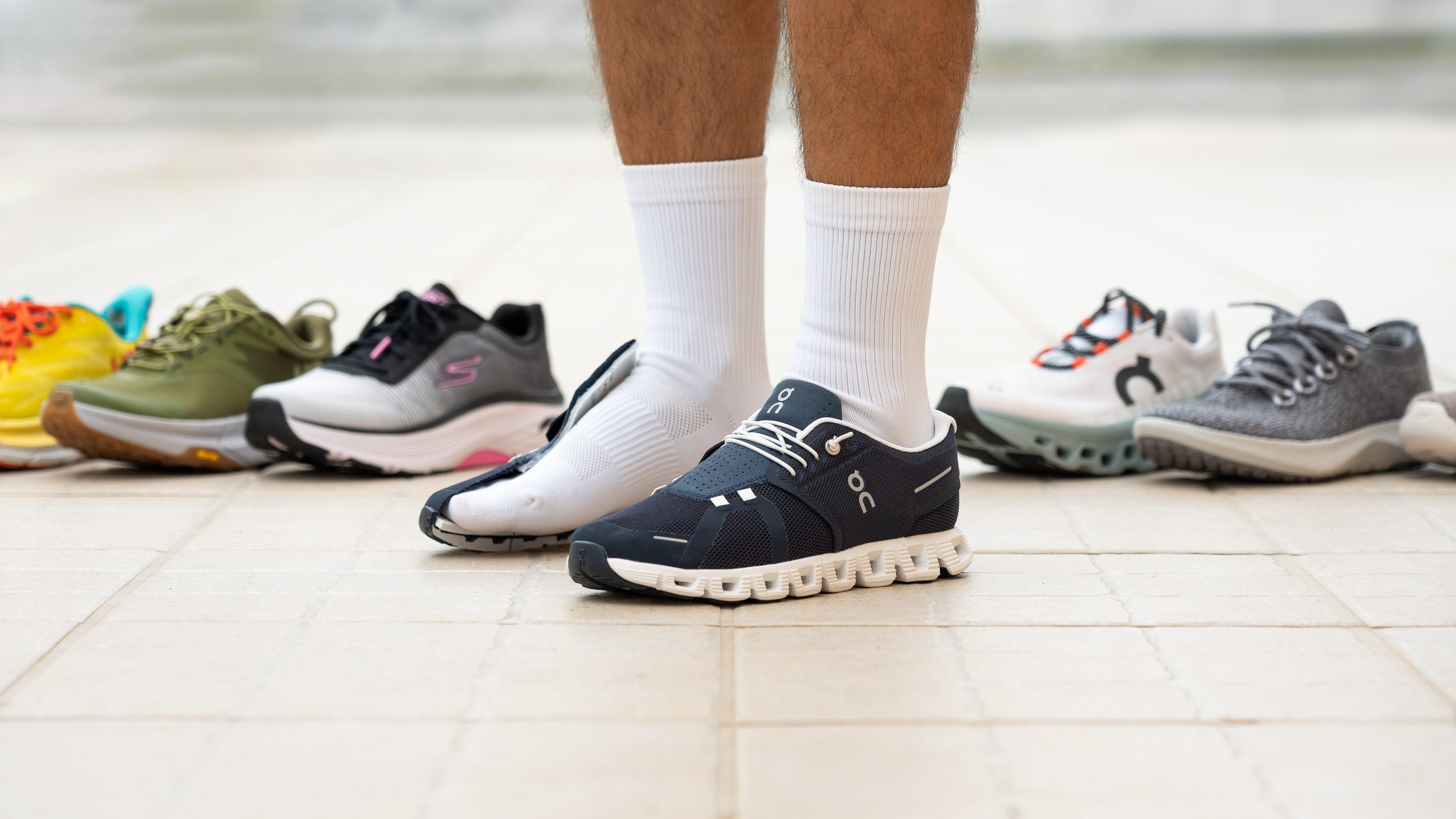
Discover the Best Podiatrist Recommended Walking Shoes for All-Day Comfort and Support
Your feet are the foundation of your movement, carrying you through thousands of steps each day. Yet, the choice of footwear is often an afterthought, leading to discomfort, fatigue, and even long-term injury. The right walking shoe is not a luxury; it is a fundamental piece of equipment for health and vitality. This guide cuts through the marketing noise to focus on the core principles of foot health, drawing from podiatric science and expert recommendations to identify what truly makes a walking shoe worthy of all-day wear. We will move beyond brand names to the essential features that provide genuine comfort and support, ensuring every step you take is a step toward greater well-being.
The Science of Stride: Why Your Feet Demand Expert-Approved Footwear
Walking is a complex biomechanical event. With each step, your foot undergoes a sequence of pronation (rolling inward) and supination (rolling outward) to absorb shock and adapt to the ground. According to biomechanics literature from institutions like the University of Calgary’s Human Performance Lab, improper footwear can disrupt this natural gait cycle, leading to a cascade of issues from plantar fasciitis and shin splints to knee, hip, and back pain. A podiatrist recommended walking shoe is engineered to support this cycle. It provides structured arch support to control overpronation, a cushioned yet responsive midsole to manage impact forces, and a heel counter that stabilizes the rearfoot. Think of it not as a shoe, but as a tool for kinetic alignment. As noted on authoritative health platforms like WebMD and the American Podiatric Medical Association’s public resources, consistent wear of supportive shoes is one of the most effective preventative measures for common foot ailments. The goal is harmony between foot and shoe, allowing your body’s natural mechanics to work efficiently without strain.
:max_bytes(150000):strip_icc()/I-Asked-Podiatrists-for-Their-Fall-Shoe-Recommendations-These-Are-Their-Top-8-Picks-8fbdf9d65f3a4228ae63f6e5253dc08c.jpg)
Decoding the Anatomy of a Superior Walking Shoe
To understand what qualifies as a podiatrist recommended walking shoe, we must dissect its anatomy. The upper, typically made from breathable mesh, should offer a secure, non-constricting fit. The insole or sock liner is your first point of contact; many podiatrists, in interviews on platforms like Healthline, recommend removable insoles to accommodate custom orthotics. The midsole is the heart of the shoe. Materials like EVA (ethylene-vinyl acetate) foam or newer technologies like PEBAX (Polyether block amide) provide a balance of cushioning and energy return. The shank or torsional rigidity bar, often overlooked, is a firm piece embedded in the midsole that prevents excessive twisting of the shoe, a feature frequently highlighted in shoe analyses from Runner’s World and Walking Magazine. The outsole needs durable rubber with a flexible groove pattern to facilitate the foot’s natural roll-off. Finally, the heel-to-toe drop (the height difference between heel and forefoot) is a critical specification. A moderate drop (6-10mm) is often recommended for walkers, as it can reduce strain on the Achilles tendon, a point corroborated by research summaries on sports medicine websites. Each component must work in concert, a principle echoed by Dr. Andrew Shapiro, a spokesperson for the American Podiatric Medical Association, who states, “The best shoe is the one that disappears on your foot, meaning it provides support so seamlessly you’re unaware of its intervention.”
Beyond the Brand: Evidence-Based Features You Cannot Compromise On
Marketing campaigns often tout “revolutionary” comfort, but evidence-based features tell the true story. First, adequate toe box space is non-negotiable. As documented in podiatric textbooks and resources like the Cleveland Clinic’s health library, a cramped toe box can lead to bunions, hammertoes, and neuromas. Your toes should be able to splay naturally with each step. Second, arch support must match your foot type—neutral, low-arched (flat feet), or high-arched. This isn’t guesswork; a simple wet foot test or a professional gait analysis can determine your needs. Third, heel stability is paramount. A firm heel counter should resist compression when you squeeze it; this controls rearfoot motion and is a hallmark of podiatrist recommended walking shoes. Fourth, consider weight. A lighter shoe reduces the energy cost of walking, a concept supported by studies in locomotion economics. Finally, look for recognition. The APMA (American Podiatric Medical Association) Seal of Acceptance is a credible indicator, showing the shoe has been reviewed by a committee of podiatrists and found to promote good foot health. These features form an objective checklist, separating genuine performance footwear from fashion sneakers.
:max_bytes(150000):strip_icc()/favorite-walking-shoes-round-up-november-2024-458c3fc0c6844adca7c0a34ebc5cfb9b.jpg)
From Clinic to Pavement: How Podiatrists Evaluate Footwear for Real-World Use
Podiatrists don’t just look at shoes; they analyze them in the context of individual biomechanics and daily demands. In forums like Quora and professional Q&A sites, practicing podiatrists often emphasize that a shoe perfect for one person may be disastrous for another. Their evaluation starts with a patient’s history: existing conditions, activity level, and even occupation. They then assess wear patterns on old shoes—excessive wear on the inside edge suggests overpronation, while wear on the outer edge indicates supination. When recommending a podiatrist recommended walking shoe, they prioritize correction and accommodation. For instance, a rigid flat foot may need a motion control shoe with a straight last (shape), while a high-arched foot requires a curved last and maximum cushioning. This personalized approach is akin to a prescription. As famously stated by Dr. William Rossi, a renowned podiatrist and footwear scholar, “Shoes are the primary interface between our bodies and the environment.” Podiatrists ensure this interface is therapeutic, not traumatic. Their recommendations, often shared in YouTube interviews and medical podcasts, bridge the gap between clinical knowledge and consumer choice, empowering you to make informed decisions for long-term foot health.
Investing in Your Foundation: The Long-Term Value of Quality Footwear
Viewing quality walking shoes as an expense is a short-sighted perspective; they are an investment in your musculoskeletal capital. Consider the cost-benefit analysis: a high-quality pair of podiatrist recommended walking shoes, while perhaps carrying a higher upfront cost, is engineered with durable materials and superior construction that often outlasts multiple pairs of cheap alternatives. More importantly, the preventative healthcare savings are substantial. The price of physical therapy, custom orthotics, pain management, or even surgery for foot-related issues far exceeds the premium for proper footwear. Literature from Harvard Medical School publications on healthy aging consistently points to maintaining mobility as a cornerstone of independence. Your shoes are integral to that mobility. Furthermore, the right shoe enhances performance and enjoyment, whether you’re walking for fitness, commuting, or exploring. It reduces fatigue, improves posture, and can even boost mood by making activity more pleasurable. This isn’t mere conjecture; it’s the logical conclusion of applied biomechanics. By investing in shoes that respect your anatomy, you are investing in a more active, pain-free, and vibrant life.
The journey to all-day comfort begins with a single, well-supported step. By prioritizing the scientific principles of foot biomechanics and heeding the evidence-based counsel of podiatric professionals, you can transform your daily walking experience. The ideal shoe is out there, not as a one-size-fits-all solution, but as a perfect match for your unique feet and stride. Embrace the knowledge that your footwear is a partner in health, and choose a pair that allows you to move through your world with confidence, support, and enduring comfort.