

Discover the Best Podiatrist Recommended Walking Shoes for All-Day Comfort and Support
Your feet are the foundation of your movement, and the shoes you choose can either be a source of constant support or a catalyst for chronic discomfort. For anyone who spends significant time on their feet—whether navigating city streets, exploring nature trails, or managing the demands of a busy workday—the quest for the perfect walking shoe is paramount. This isn’t merely about fashion or fleeting trends; it’s a fundamental investment in your musculoskeletal health. The right footwear can prevent a cascade of issues, from plantar fasciitis and bunions to knee and back pain. This guide is dedicated to uncovering the science and expertise behind truly supportive footwear, focusing on the gold standard: podiatrist recommended walking shoes. We will move beyond marketing claims to explore the objective, biomechanical principles that define a superior walking shoe, bringing you professional insights and practical advice to make an informed choice for your foot health.
The Science of Stride: Why Podiatrist Endorsement Matters
To understand the value of a podiatrist recommended walking shoe, one must first appreciate the complex biomechanics of walking. Each step is a coordinated sequence of heel strike, foot flat, mid-stance, heel-off, and toe-off. This gait cycle places immense and varied forces on the feet, ankles, and legs. Podiatrists, as doctors of podiatric medicine (DPM), are uniquely trained in the structure, function, and pathologies of the foot and ankle. Their recommendations are not based on style but on clinical evidence of a shoe’s ability to promote proper alignment, cushion impact, and provide stability. For instance, the American Podiatric Medical Association (APMA) grants its Seal of Acceptance to products that contribute positively to foot health, a rigorous evaluation based on scientific data. A shoe bearing this seal or a similar professional endorsement has been vetted for its ability to accommodate natural foot motion while offering corrective support where needed. This is crucial because improper footwear can lead to overpronation (excessive inward rolling) or supination (outward rolling), both of which misalign the kinetic chain. As noted in biomechanics literature from institutions like the University of Calgary’s Human Performance Lab, such misalignments are primary contributors to overuse injuries. Therefore, choosing a shoe validated by foot health experts is a proactive step in injury prevention, transforming your daily walk from a potential stressor into a therapeutic activity.
:max_bytes(150000):strip_icc()/podiatrist-recommended-walking-shoes-e1b90077185d4e6cadbf6327c4d17db7.jpg)
Arch Support: The Non-Negotiable Foundation
Perhaps the most critical feature in any walking shoe is its approach to arch support. The arch of your foot acts as a natural shock absorber, distributing the force of your body weight. However, not all arches are created equal—they are generally categorized as neutral, low (flat feet), or high. A podiatrist recommended walking shoe will offer structured, contoured arch support that matches your specific foot type. For flat feet, this often means a motion control or stability shoe with a firm medial post to prevent overpronation. For high arches, a neutral-cushioned shoe with a well-sculpted arch and ample flexibility is key to compensating for the foot’s inherent rigidity. The importance of this is underscored by countless discussions on platforms like Quora and professional forums, where individuals share their journeys from chronic foot pain to relief, almost universally citing proper arch support as the turning point. Literature from the Harvard Medical School publications on foot care consistently highlights that inadequate arch support is a leading cause of plantar fasciitis, an inflammation of the tissue band connecting heel to toes. A well-designed shoe doesn’t just have a bump in the midsole; it has an engineered footbed that cradles the arch throughout the entire gait cycle, providing a stable platform from which to push off. This is not a luxury feature; it is the bedrock of comfort and long-term foot health.
Cushioning vs. Stability: Striking the Perfect Balance
A common misconception is that the softest shoe is the most comfortable. While cushioning is vital for dissipating impact forces—especially at the heel and forefoot—excessive softness without structure can be detrimental. Imagine walking on a memory foam mattress; it feels plush initially, but your muscles must work overtime to stabilize your foot with each step. This is where the expertise behind podiatrist recommended walking shoes shines. These shoes are engineered with advanced materials like EVA foam, polyurethane, or gel units that offer responsive cushioning: they compress upon impact to absorb shock but quickly rebound to provide energy return and stability. Brands frequently cited by podiatrists, such as Brooks, ASICS, and New Balance, invest heavily in research to perfect this balance. For example, Brooks’ DNA LOFT or ASICS’ GEL technology are not just marketing terms; they are proprietary systems designed to provide soft landings without sacrificing the “ground feel” and stability necessary for a secure stride. As highlighted in reviews from authoritative sources like Runner’s World’s wear-testing labs, the best walking shoes manage to feel both protective and connected to the ground. This balance prevents the foot from sliding within the shoe and reduces the fatigue of the lower leg muscles, allowing you to walk longer distances in greater comfort.
:max_bytes(150000):strip_icc()/shp-best-brooks-walking-shoes-tout-f67df3ab5afa4c08a24a63ae6dca3444.jpg)
Key Features That Define Excellence in Walking Shoes
Moving from general principles to specific construction, several tangible features separate exceptional walking shoes from mediocre ones. First, the heel counter—the rigid cup at the back of the shoe—must be firm and well-padded to lock the heel in place, preventing slippage that can lead to blisters and Achilles tendon strain. Second, a flexible forefoot is essential. The shoe should bend easily at the ball of the foot, where your foot naturally flexes during toe-off, promoting a more efficient and natural gait. Third, consider the toe box. It should be roomy enough to allow your toes to splay naturally without being constricted, a point famously emphasized by minimalist movement advocates and supported by studies on foot morphology. Finally, breathability and weight matter. A mesh upper promotes airflow, keeping feet cool and dry, while a lightweight construction reduces leg fatigue over miles. These are not arbitrary design choices; they are the cumulative result of podiatric feedback and biomechanical research. When you try on a shoe that excels in these areas, you’ll feel an immediate difference—a sense of your foot being guided, supported, and liberated simultaneously.
The Material World: Uppers, Midsoles, and Outsoles
Delving deeper into construction, the choice of materials directly impacts performance and durability. The upper, typically made from engineered mesh, leather, or synthetic blends, dictates fit and breathability. Modern 3D mesh structures provide targeted stretch and support, conforming to the foot’s shape like a second skin. The midsole is the heart of the shoe, where cushioning and stability technologies reside. Dual-density midsoles, where a firmer material is placed on the inner side, are a hallmark of stability shoes designed for overpronation. The outsole, usually made from carbon rubber or blown rubber, provides traction and wear resistance. A good walking shoe outsole will have a bevelled heel to encourage a smooth heel-to-toe transition and flex grooves that align with the foot’s natural bending points. References from technical reviews on sites like Wirecutter or Verywell Fit often dissect these material choices, correlating them with specific foot conditions. For instance, a person with arthritis might benefit from a shoe with a rocker sole—a curved outsole that reduces motion in painful joints, a design frequently recommended by podiatrists for patients with hallux rigidus. Understanding these materials empowers you to look beyond aesthetics and assess a shoe’s true potential to meet your physiological needs.
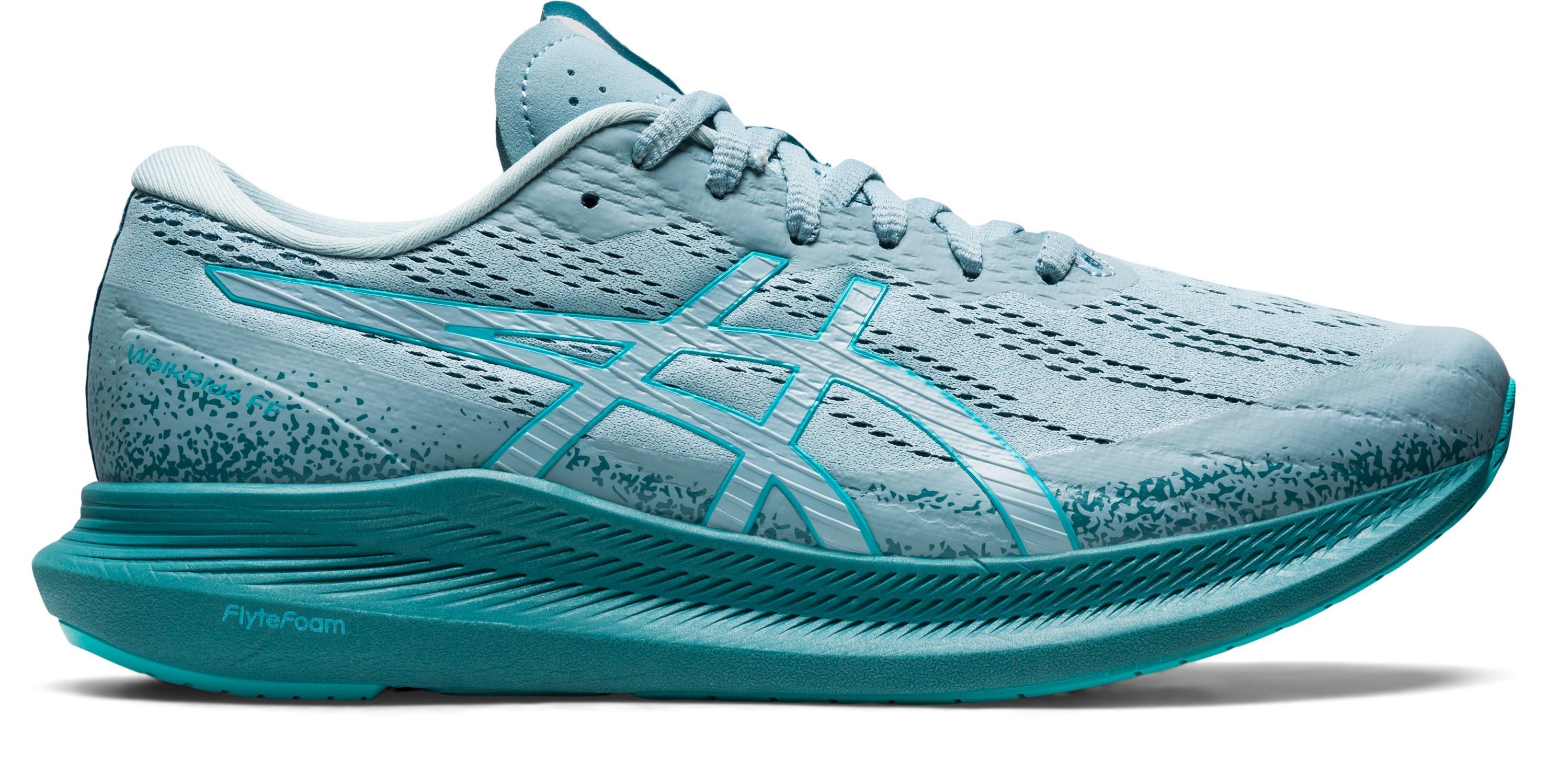
Bringing Professional Knowledge and Value to Your Doorstep
Armed with this knowledge, the task of selecting the right shoe becomes more focused. We believe that professional-grade foot care should be accessible. Therefore, we connect you with expertly vetted options that align with podiatric principles, often at discounted prices. For example, brands like HOKA, known for their maximalist cushioning endorsed by podiatrists for patients needing extreme shock absorption, or Saucony, praised for their versatile stability systems, frequently offer previous-season models or sales events that make these premium technologies more affordable. It’s worth subscribing to newsletters from reputable online retailers or directly from brand websites to catch these opportunities. Remember, investing in a quality pair of podiatrist recommended walking shoes is ultimately cost-saving, potentially averting expensive medical treatments for foot problems down the line. The value lies not just in the price tag, but in the years of comfortable, pain-free mobility they can help secure.
A Final Step: Listening to Your Feet
Ultimately, the most sophisticated technology and the strongest professional recommendation must align with the subjective experience of your own feet. The perfect shoe should feel supportive and comfortable from the first step, with no “break-in” period required—a myth that podiatrists often debunk. When you try on shoes, do so in the afternoon when your feet are naturally slightly swollen. Wear the socks you intend to walk in, and ensure there’s about a thumb’s width of space between your longest toe and the end of the shoe. Walk on a hard surface, not just carpet, and pay attention to any pinching, slipping, or pressure points. Your feet will give you the final, most important review. By combining this personal feedback with the objective criteria of podiatrist recommended walking shoes, you make a choice grounded in both science and self-awareness. This synergy is the true path to discovering footwear that delivers on the promise of all-day comfort and unwavering support, step after step.
:max_bytes(150000):strip_icc()/tal-roundup-podiatrist-loved-shoes-on-sale-tout-bdbf5721fa5642efa38b61f6a5b4ff34.jpg)
