

Discover the Best Podiatrist Recommended Walking Shoes for All-Day Comfort
Your feet are your foundation, and the shoes you choose can either support or sabotage your daily comfort and long-term health. For anyone who spends significant time on their feet—whether navigating city streets, exploring nature trails, or simply managing the demands of daily life—the quest for the perfect walking shoe is paramount. This isn’t merely about fashion or fleeting trends; it’s about biomechanics, injury prevention, and sustainable comfort. The guidance of podiatrists, medical professionals specializing in foot, ankle, and lower extremity health, becomes an invaluable resource. This article delves into the science and selection criteria behind podiatrist recommended walking shoes, moving beyond marketing claims to uncover what truly makes a shoe worthy of all-day support. We will explore the anatomical principles, key features, and specific models that earn professional endorsements, equipping you with the knowledge to make an informed investment in your foot health.
The Foundation of Foot Health: Why Podiatrist Guidance Matters
To understand the value of a podiatrist recommended walking shoe, one must first appreciate the complex engineering of the human foot. Each foot contains 26 bones, 33 joints, and over 100 muscles, tendons, and ligaments, all working in concert to provide balance, propulsion, and shock absorption. According to resources like Wikipedia and academic literature from institutions like the American Podiatric Medical Association (APMA), the foot’s arch structure—medial longitudinal, lateral longitudinal, and transverse—is crucial for distributing body weight. A podiatrist’s training focuses on diagnosing and treating conditions arising from biomechanical faults in this system, such as plantar fasciitis, metatarsalgia, and overpronation. Therefore, when a podiatrist recommends a shoe, they are evaluating it against a rigorous standard: does it complement and correct biomechanical function? This perspective is distinct from general consumer reviews. As noted by Dr. Jacqueline Sutera, a New York City-based podiatrist and spokesperson for the APMA, in various media interviews, “A good walking shoe should act as a stable platform, offering cushioning where you need it and control where you lack it.” This professional insight shifts the focus from superficial comfort to therapeutic design, ensuring the shoe addresses the root causes of discomfort rather than just masking symptoms.
Deconstructing the Ideal Walking Shoe: Key Anatomical Features
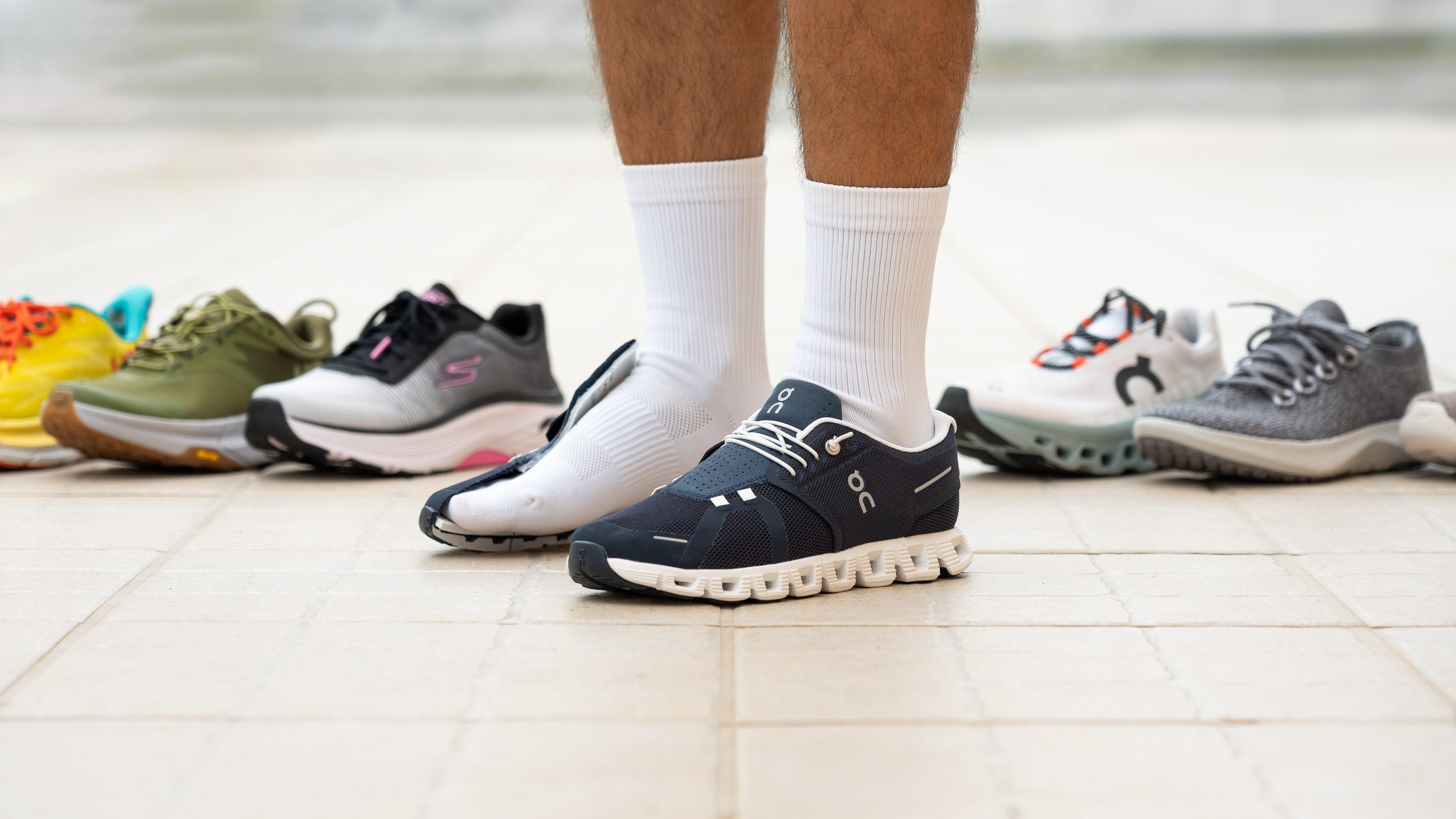
What specific elements transform an ordinary sneaker into a podiatrist recommended walking shoe? The answer lies in a combination of design features that mirror podiatric principles. First, consider arch support. Contrary to popular belief, support isn’t about a rigid, high arch piece for everyone. As explained on platforms like Quora and in educational materials from the Mayo Clinic, support must match the individual’s arch type (neutral, low, or high). For the common issue of overpronation (where the foot rolls inward excessively), shoes with structured medial posting—a firmer material on the inner side of the midsole—are often recommended to guide the foot into a more neutral alignment. Second, heel counter rigidity is non-negotiable. The heel counter is the back part of the shoe that cups your heel. A firm, well-padded heel counter stabilizes the rearfoot, preventing excessive movement that can lead to Achilles tendonitis or heel spurs. Third, adequate toe box space is critical. Literature from authoritative sources like Harvard Medical School emphasizes that a spacious, foot-shaped toe box allows toes to splay naturally upon weight-bearing, reducing pressure on the metatarsal heads and preventing conditions like bunions and neuromas. Finally, the rocking sole or toe-spring design, a feature highlighted in many APMA-accepted shoes, facilitates a smooth heel-to-toe transition, reducing strain on the plantar fascia and calf muscles. These features, when harmoniously integrated, create a shoe that doesn’t just house the foot but actively participates in a healthy gait cycle.
From Clinic to Pavement: Top Podiatrist-Recommended Categories and Models
While individual needs vary, certain shoe brands and models consistently receive praise from foot care professionals for their evidence-based design. It’s important to note that many of these brands seek and earn the APMA’s Seal of Acceptance, a mark granted to products found beneficial to foot health. One perennial category leader is stability and motion control shoes. Brands like Brooks (with the Adrenaline GTS line) and New Balance (particularly the 990 series) are frequently cited by podiatrists on platforms like YouTube and in publications like Travel + Leisure for their exceptional blend of cushioning and guidance. These shoes often incorporate technologies like GuideRails (Brooks) or Rollbar stability (New Balance) to limit excessive joint movement without sacrificing comfort. Another crucial category is cushioned neutral shoes, ideal for high arches or underpronation. HOKA ONE ONE, a brand that has gained a cult following among healthcare professionals, exemplifies this with maximalist cushioning like their proprietary Compression-Molded EVA midsole. As Dr. Brad Schaeffer, a podiatrist featured in EatingWell, notes, “The rocker geometry and meta-rocker technology in HOKA shoes can be particularly helpful for patients with arthritic changes or those recovering from foot surgery.” For everyday walking, brands like ASICS (GT-2000 series) and Saucony (Guide line) also feature prominently in professional recommendations. The common thread is a commitment to biomechanical research, often developed in collaboration with podiatrists and orthotists, making them true podiatrist recommended walking shoes.
:max_bytes(150000):strip_icc()/shp-best-brooks-walking-shoes-tout-f67df3ab5afa4c08a24a63ae6dca3444.jpg)
Beyond the Shoe: The Synergy with Orthotics and Professional Fitting
Even the best podiatrist recommended walking shoe may not reach its full potential without two critical considerations: professional fitting and the potential use of custom orthotics. A shoe is essentially an external tool, and its efficacy is maximized when perfectly matched to your unique foot morphology and gait pattern. This is where the expertise of a skilled fitter, often found in specialty running or walking stores, is invaluable. They can perform a gait analysis, measure your foot both seated and standing (as foot length and width change under load), and assess your arch type. This process ensures the shoe’s functional features align with your anatomical needs. Furthermore, for individuals with significant biomechanical issues, a prescription custom orthotic from a podiatrist may be necessary. As stated by the American Academy of Orthopaedic Surgeons, custom orthotics are medical devices designed to correct specific abnormalities. The ideal walking shoe for orthotic use typically has a removable insole, a deep heel cup, and a firm enough midsole to support the orthotic without collapsing. The shoe and orthotic form a symbiotic system; the shoe provides structure and protection from the ground, while the orthotic offers precise, personalized correction from within. Investing in this holistic approach—professional assessment, the right shoe, and possibly orthotics—is the ultimate strategy for achieving all-day comfort and preventing injury.
:max_bytes(150000):strip_icc()/podiatrist-recommended-walking-shoes-e1b90077185d4e6cadbf6327c4d17db7.jpg)
Investing in Your Stride: Value, Longevity, and Where to Find Deals
Prioritizing foot health through quality footwear is a long-term investment in your mobility and well-being. While premium podiatrist recommended walking shoes often carry a higher initial price tag—typically ranging from $120 to $180—their value is measured in durability, advanced materials, and, most importantly, the potential to avoid costly medical treatments for foot problems. The engineering behind these shoes involves high-grade foams that resist compression (like Brooks’ DNA LOFT or ASICS’ FlyteFoam), durable outsoles with strategic rubber placement, and breathable, supportive uppers. This translates to a longer usable lifespan, often between 300 to 500 miles of walking, before the cushioning and support degrade. To make this investment more accessible, savvy shoppers can look for discounts on previous model years. When a brand releases a new version (e.g., Brooks Adrenaline GTS 22 to GTS 23), the outgoing model is frequently discounted by 20-40% on the brand’s official website, authorized retailers like Zappos or REI, and specialty online stores. Signing up for brand newsletters or following podiatrists and reputable gear reviewers on social media can also alert you to seasonal sales. Remember, the goal is not to find the cheapest shoe, but to secure the right shoe at the best possible price. The comfort and health benefits of a properly fitted, professionally endorsed shoe far outweigh the savings on an ill-fitting, unsupportive pair that could lead to pain and injury down the road.
:max_bytes(150000):strip_icc()/tal-10-podiatrist-approved-open-toed-shoes-tout-00bd6ff1c36a49cdbbff486b0b54fb27.jpg)
Choosing the right footwear is a decisive act of self-care with profound implications for your daily life. By seeking out and understanding the principles behind podiatrist recommended walking shoes, you move from guesswork to informed choice. You learn to value features like structured arch support, a rigid heel counter, and a spacious toe box not as marketing jargon, but as essential components of a healthy stride. This knowledge empowers you to navigate the vast shoe market with discernment, prioritize professional fitting, and view your shoe purchase as a strategic investment in your long-term mobility. The path to all-day comfort begins from the ground up, with every step supported by science, professional insight, and a shoe built to truly carry you forward.
