

Discover the Best Podiatrist Recommended Walking Shoes for All-Day Comfort
Your feet are the foundation of your movement, and the shoes you choose can either support that foundation or undermine it entirely. For anyone who spends significant time on their feet—whether navigating city streets, exploring nature trails, or managing the demands of a busy workday—the quest for true comfort is paramount. This isn’t merely about avoiding blisters; it’s about long-term biomechanical health, injury prevention, and sustainable energy. The most reliable guide in this quest is not a flashy advertisement or fleeting trend, but the professional, clinical advice of a podiatrist. Podiatrist recommended walking shoes represent a category built on medical insight into foot anatomy and gait mechanics, designed to provide all-day comfort by aligning with how your body is meant to move. This article delves into the science behind these recommendations, translating professional podiatric principles into a clear guide for your next—and perhaps most important—footwear purchase.
The Science of Support: Why Podiatric Insight is Non-Negotiable
To understand the value of a podiatrist’s recommendation, one must first appreciate the complex engineering of the human foot. It is a structure comprising 26 bones, 33 joints, and over a hundred muscles, tendons, and ligaments, all working in concert to provide balance, propulsion, and shock absorption. When this system is misaligned, even slightly, the effects cascade upward, potentially causing issues in the ankles, knees, hips, and lower back. Podiatrists, as doctors of podiatric medicine (DPM), specialize in diagnosing and treating conditions of the foot, ankle, and related structures of the leg. Their recommendations are rooted in preventing and correcting these dysfunctions. For instance, the concept of “overpronation”—where the foot rolls inward excessively—is a common concern they address. As noted in resources from authoritative institutions like the American Podiatric Medical Association (APMA), overpronation can lead to plantar fasciitis, shin splints, and other repetitive stress injuries. A podiatrist recommended walking shoe will often feature specific motion control or stability technologies to counteract this, technologies validated by the APMA’s Seal of Acceptance, which recognizes products that allow for normal foot function and promote quality foot health. This scientific grounding transforms a shoe from a simple covering into a therapeutic device, making podiatric insight not just valuable, but essential for anyone serious about foot health.

Arch Understanding: The Keystone of Comfort
Your arch type is the blueprint for the support you need. Podiatrists categorize arches typically as neutral, low (flat feet), or high. A neutral arch generally benefits from a balanced mix of cushioning and moderate support. A low arch, associated with overpronation, requires shoes with firm medial (inner) support to prevent the ankle from collapsing inward. Conversely, a high arch, which often leads to underpronation or supination (where the foot doesn’t roll inward enough, transferring shock poorly), needs highly cushioned, flexible shoes to aid in shock dissipation. The “wet test”—where you wet your foot and step on a paper bag or dark surface to see your imprint—is a simple, well-known method to gauge your arch type, frequently cited on health platforms like WebMD. However, a podiatrist can provide a definitive analysis through a gait study. The right podiatrist recommended walking shoes are engineered with this precise architecture in mind. Brands that consistently earn podiatrist endorsements design their midsoles and footbeds with varying densities of foam or gel to target these specific needs. For example, a shoe for flat feet might incorporate a dual-density midsole: a softer foam for comfort on the outside and a firmer, denser foam on the inside to act as a stabilizing barrier against overpronation. This targeted approach ensures the shoe works in harmony with your unique physiology, rather than forcing your foot to conform to a generic shape.
Material Matters: Breathability, Durability, and Responsiveness
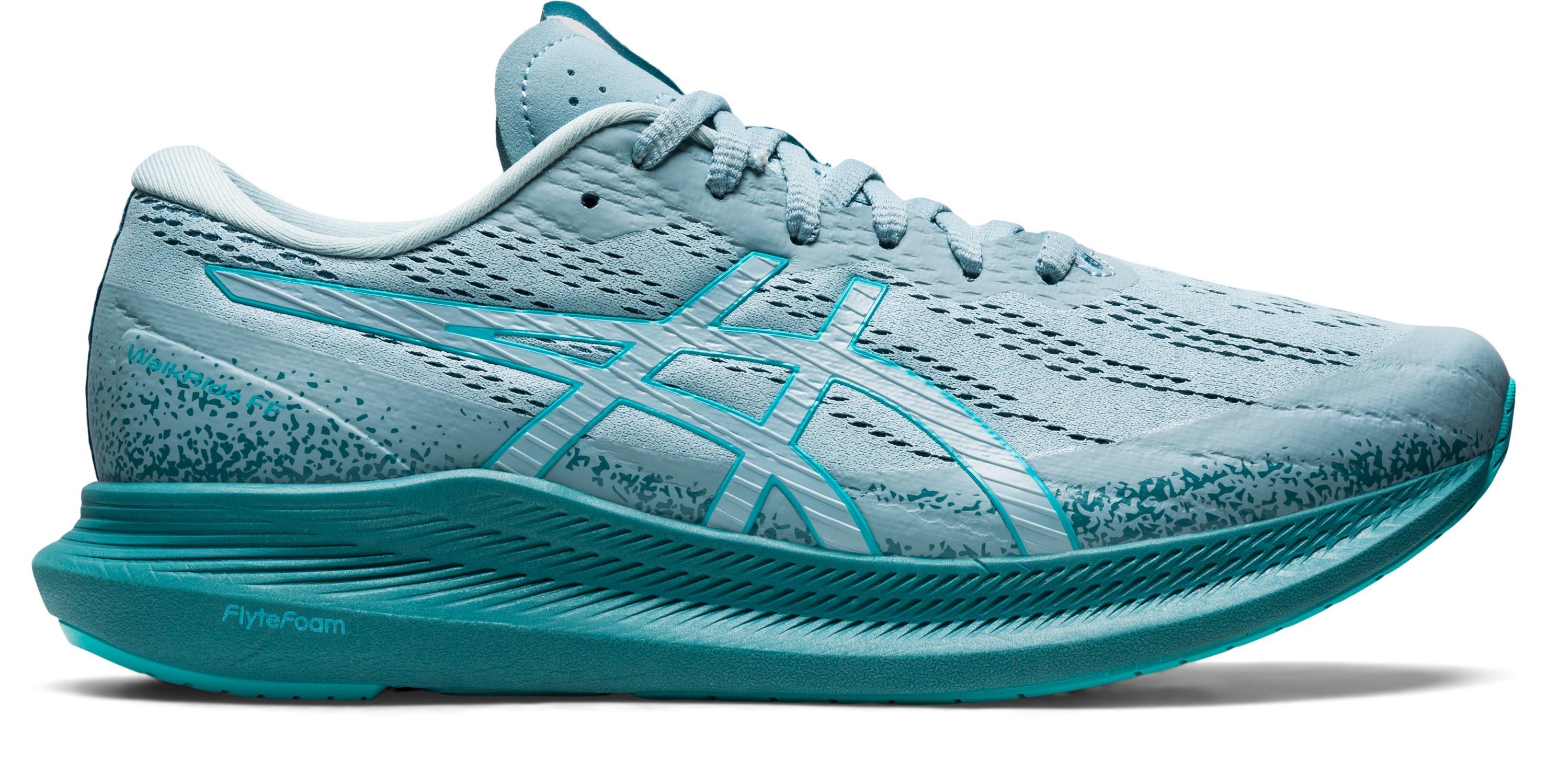
Beyond structure, the materials of a walking shoe play a critical role in achieving all-day comfort. Podiatrists emphasize materials that manage the foot’s micro-environment. The upper part of the shoe should be constructed from breathable, flexible materials like engineered mesh or knit fabrics. This promotes air circulation, reducing moisture buildup that can lead to fungal infections or skin maceration—a point often stressed in patient education materials from podiatric clinics. Durability is equally crucial; materials must maintain their structural integrity to provide consistent support over the shoe’s lifespan, typically 300-500 miles. The midsole, the heart of a walking shoe, is where material science truly shines. Ethylene-vinyl acetate (EVA) foam is common for its lightweight cushioning, but advanced compounds like polyurethane (PU) or proprietary technologies like Brooks’ DNA LOFT or ASICS’ FLYTEFOAM offer greater resilience and energy return. These materials don’t just cushion; they respond to your stride, pushing back with a subtle energy return that reduces fatigue. As noted by sports medicine literature from universities, this responsive cushioning can decrease the metabolic cost of walking, meaning your body expends less energy with each step. When you select a podiatrist recommended walking shoe, you are often selecting a product that has been vetted for these material qualities, ensuring they contribute positively to foot health rather than detracting from it through poor construction or stifling design.
Decoding the Features: A Podiatrist’s Checklist for Your Shoes
What specific elements should you scrutinize when emulating a podiatrist’s evaluation? First, examine the heel counter—the rigid cup at the back of the shoe. It should be firm and snug to stabilize the heel, preventing unwanted side-to-side motion that can strain the Achilles tendon. Second, assess the toe box. There should be ample width and depth for your toes to splay naturally without rubbing against the sides or top. A constrictive toe box can lead to neuromas, bunions, and hammertoes. Third, check for a supportive arch that matches your own, as previously discussed. Fourth, consider the rocker sole design, a feature prevalent in many therapeutic and podiatrist recommended walking shoes. This design, where the sole is slightly curved upward at the toe, facilitates a smoother roll-through from heel-strike to toe-off, reducing strain on the plantar fascia and calf muscles. This concept is supported by studies on gait rehabilitation, which show rocker soles can offload pressure from painful areas of the foot. Finally, ensure the shoe has adequate flexibility at the forefoot—it should bend easily where your foot naturally bends—but not be overly flexible through the arch, which would compromise support. This checklist transforms you from a passive consumer into an informed evaluator, equipped to find shoes that offer genuine, podiatrist-grade support.
The Weight and Fit Paradigm: Lightness Meets Precision
A common misconception is that a supportive shoe must be heavy. Modern podiatrist-endorsed footwear defies this notion. Advances in material science have led to supportive, durable shoes that are remarkably lightweight. Reducing shoe weight decreases the energy required to lift your foot with each step, a principle backed by biomechanics research. This translates directly to less leg fatigue over long distances. However, lightness must never come at the expense of a precise fit. The “thumb’s width of space at the toe” rule is a good starting point, but a podiatrist would advise a more holistic approach. Your foot should feel secure at the heel and midfoot without any slippage, while the forefoot has room to expand slightly during weight-bearing (feet can swell throughout the day). It is advisable to try on shoes in the afternoon when your feet are at their largest, and to wear the same type of socks you plan to use for walking. Remember, a shoe that fits perfectly in the store but causes discomfort after a mile has failed its primary function. The ideal podiatrist recommended walking shoes achieve a symbiotic balance: they feel light and almost effortless on your foot while providing a custom-like, secure fit that actively guides your gait.
:max_bytes(150000):strip_icc()/I-Asked-Podiatrists-for-Their-Fall-Shoe-Recommendations-These-Are-Their-Top-8-Picks-8fbdf9d65f3a4228ae63f6e5253dc08c.jpg)
Investing in Your Foundation: Where Value Meets Health
Viewing quality walking shoes as an expense is a short-sighted perspective; they are an investment in your musculoskeletal health and overall well-being. The potential cost of neglecting proper footwear—doctor’s visits, physical therapy, orthotics, pain management, and lost mobility—far outweighs the price of a well-constructed pair of shoes. This is the core philosophy behind seeking out podiatrist recommended walking shoes. To make this investment more accessible, it’s wise to look for value. Many reputable brands offer previous-season models at significant discounts, often with only minor cosmetic changes from the latest version. Authorized retailers frequently run sales during holiday weekends or seasonal transitions. Furthermore, some health savings accounts (HSAs) or flexible spending accounts (FSAs) may allow for the reimbursement of therapeutic footwear if prescribed by a doctor for a medical condition, a point worth discussing with a podiatrist and your insurance provider. The goal is to bring professional-grade foot health within reach. By prioritizing the engineering and health benefits of your footwear, you are not just buying a product; you are purchasing sustained comfort, enhanced performance, and proactive care for the foundation that carries you through life.
Your journey toward all-day comfort begins with a single, informed step. By prioritizing the principles of podiatric medicine—arch support, material intelligence, precise fit, and biomechanical design—you move beyond fashion and into the realm of functional health. The right pair of podiatrist recommended walking shoes is more than an accessory; it is a daily partner in preserving your mobility and vitality. Let the clinical insight that guides foot specialists guide your choice, and transform every walk into a testament to sustained, engineered comfort.

