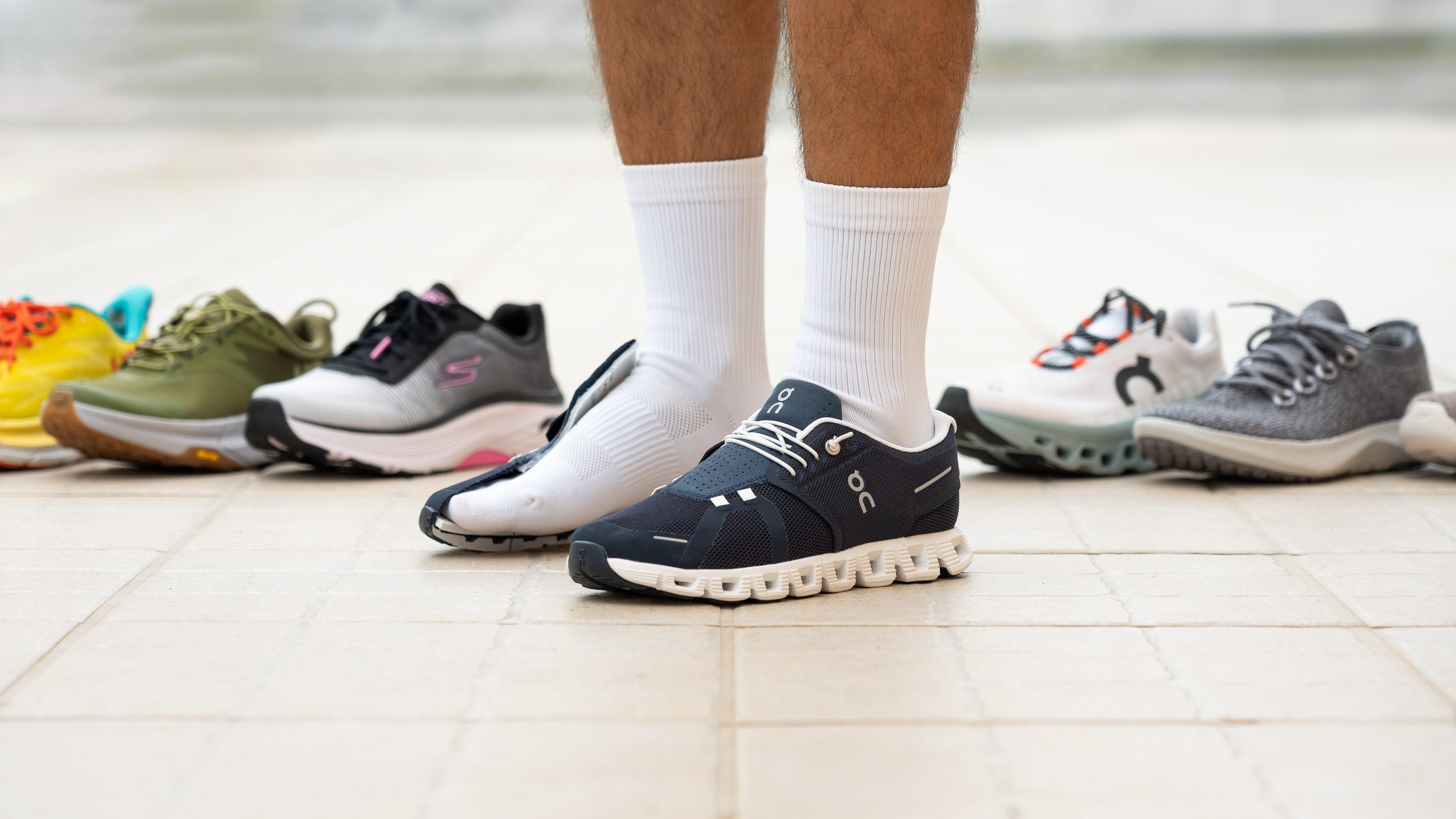
Discover the Best Podiatrist Recommended Walking Shoes for All-Day Comfort
Your feet are the foundation of your movement, and the shoes you choose can either support that foundation or undermine it. The quest for all-day comfort isn’t about fleeting trends; it’s a physiological necessity rooted in biomechanics. When your feet hurt, your entire body compensates, leading to a cascade of discomfort from your ankles to your neck. This is where the expertise of podiatry becomes invaluable. Podiatrist recommended walking shoes are not merely a marketing term but a designation born from clinical observation of foot pathologies, gait analysis, and an understanding of how specific shoe technologies interact with human anatomy. These recommendations bridge the gap between everyday footwear and medical-grade support, offering a proactive solution for anyone who spends significant time on their feet, from healthcare workers and teachers to avid travelers and casual strollers. The right pair can transform walking from a chore into a pleasure, preventing fatigue and fostering long-term musculoskeletal health.
The Science of Support: Why Your Feet Demand Expert-Recommended Footwear
To understand the value of a podiatrist recommended walking shoe, one must first appreciate the complex engineering of the human foot. Comprising 26 bones, 33 joints, and over a hundred muscles, tendons, and ligaments, the foot is a marvel of natural architecture designed for both stability and propulsion. During the gait cycle—the sequence from heel strike to toe-off—forces up to 1.5 times your body weight travel through your feet. Inadequate footwear fails to manage these forces, leading to common issues like plantar fasciitis (inflammation of the band of tissue connecting heel to toes), metatarsalgia (ball-of-foot pain), and excessive pronation (inward rolling of the ankle). Podiatrists, as doctors specializing in foot and ankle medicine, analyze these biomechanical failures. Their recommendations are grounded in peer-reviewed literature from institutions like the American Podiatric Medical Association (APMA), which certifies shoes that promote good foot health. A study cited in the Journal of Foot and Ankle Research consistently highlights that footwear with proper arch support, heel counter stiffness, and appropriate forefoot flexibility significantly reduces pain and injury risk. Therefore, choosing a shoe bearing the APMA Seal of Acceptance or one frequently cited in podiatric circles is an investment in biomechanical efficiency.
:max_bytes(150000):strip_icc()/I-Asked-Podiatrists-for-Their-Fall-Shoe-Recommendations-These-Are-Their-Top-8-Picks-8fbdf9d65f3a4228ae63f6e5253dc08c.jpg)
Decoding the Anatomy of a Perfect Walking Shoe
What specific elements transform an ordinary sneaker into a podiatrist recommended walking shoe? The distinction lies in a synergy of components, each serving a precise function. First, the heel counter: this is the firm cup at the back of the shoe that cradles the heel. A robust, non-collapsible heel counter is paramount for stabilizing the rearfoot, preventing excessive movement that can strain the Achilles tendon and plantar fascia. Second, the midsole: this is the heart of cushioning and support. Materials like ethylene-vinyl acetate (EVA) or polyurethane provide shock absorption, but the critical feature is arch support. Whether through a molded insole or an integrated arch bridge, this support maintains the foot’s natural medial longitudinal arch, combating overpronation. Third, the toe box: ample width and depth in the forefoot area allow toes to splay naturally upon weight-bearing, preventing conditions like bunions and neuromas. As renowned podiatrist Dr. Jacqueline Sutera often states in media interviews, “A shoe should fit the shape of your foot, not force your foot to fit the shape of the shoe.” Finally, the outsole flexibility: it should bend easily at the ball of the foot (where your foot naturally flexes) but remain rigid through the arch. This design promotes a natural gait while providing a stable platform.
Top Contenders: Podiatrist-Approved Brands and Technologies
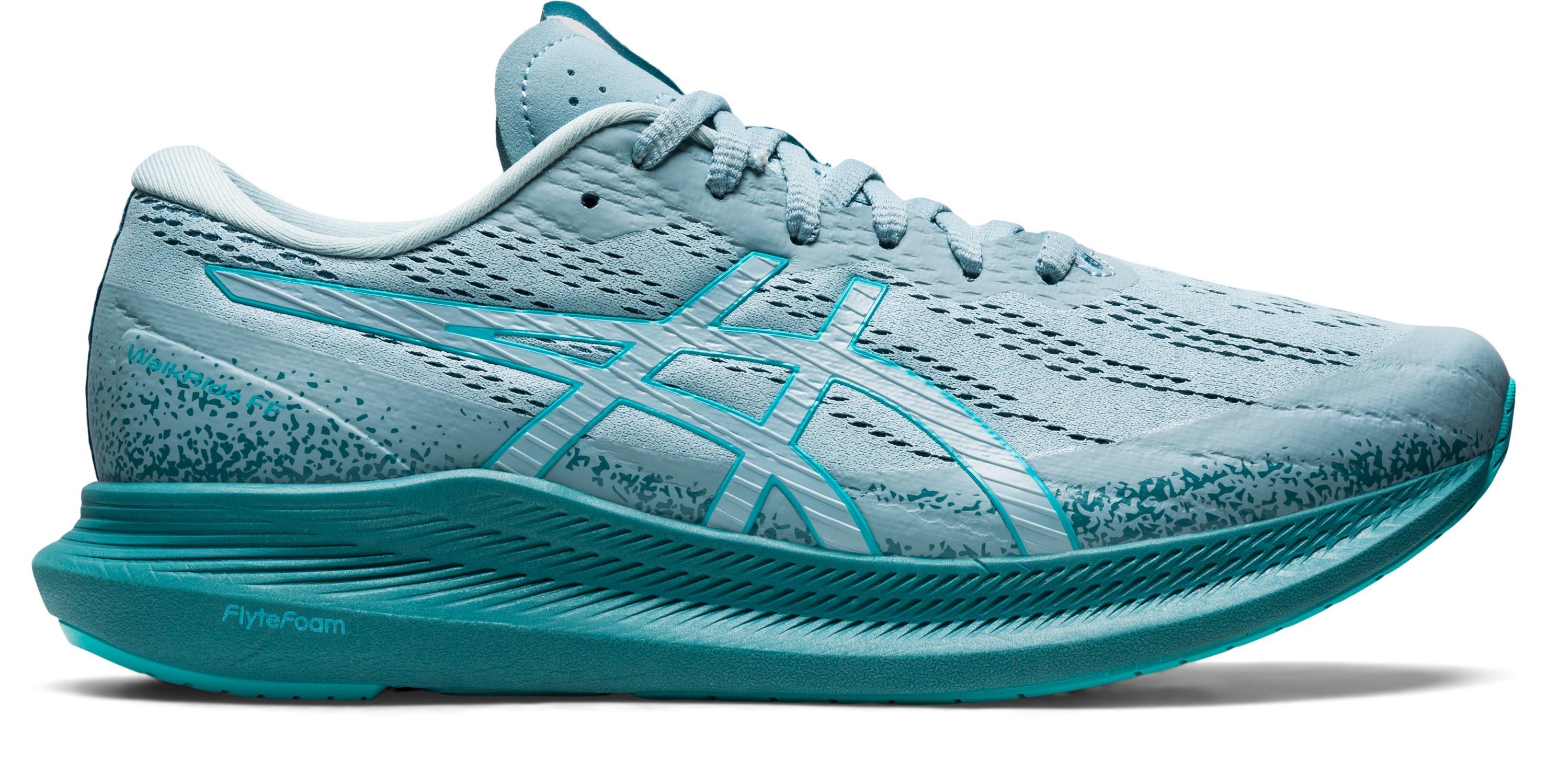
Several brands have consistently earned the trust of foot care professionals by integrating podiatric science into their designs. Brands like ASICS, Brooks, New Balance, HOKA, and Saucony are frequently at the top of recommendation lists. For instance, ASICS employs Gel cushioning systems and Guidance Line technology, which are engineered to improve gait efficiency—a principle supported by biomechanics research from sports science universities. HOKA is celebrated for its maximalist cushioning, featuring meta-rocker geometry that creates a smooth heel-to-toe transition, a feature particularly beneficial for those with joint arthritis or who stand for prolonged periods. Brooks leverages its DNA LOFT and GuideRails technologies, the latter focusing not on controlling the foot but on guiding it into its natural path of motion, thereby reducing excess energy expenditure and stress on knees and hips. The common thread among these podiatrist recommended walking shoes is a commitment to evidence-based design. They don’t just add more foam; they engineer solutions to specific gait pathologies. When you choose from these vetted brands, you’re accessing years of podiatric feedback and biomechanical research condensed into a wearable product.
Beyond the Brand: A Personal Fitting Guide for Ultimate Comfort
Even the most highly recommended shoe will fail if it doesn’t fit your unique foot. The process of finding your perfect pair is a personal journey that should be guided by a few non-negotiable principles. First, always get fitted in the late afternoon or evening, as feet naturally swell throughout the day. Second, wear the socks you intend to walk in. Third, pay attention to length and width: there should be about a thumb’s width (roughly 3/8 to 1/2 inch) of space between your longest toe and the end of the shoe. The width should feel secure without pinching, especially across the metatarsal heads. Don’t be wedded to your usual size; brand sizing can vary dramatically. Fourth, perform a gait analysis. Many specialty running stores offer this service, using pressure plates or video to assess whether you overpronate, underpronate (supinate), or have a neutral gait. This analysis is the cornerstone of a true podiatrist recommended walking shoe selection, as it matches shoe stability features to your biomechanical needs. A neutral gait may thrive in a cushioned shoe, while an overpronator will require structured support or motion control. Remember the words of author and walking enthusiast Mark Fenton: “The best shoe is the one that disappears on your foot, allowing you to focus on the journey, not your feet.”
Investing in Your Foundation: The Long-Term Value of Quality Footwear
It’s tempting to view expensive walking shoes as a luxury, but from a podiatric and economic standpoint, they are a critical investment in preventative health. Consider the alternative: the cost of treating chronic foot pain. A single visit to a podiatrist, custom orthotics, physical therapy sessions, and potential lost work time can far exceed the price of a premium pair of shoes. High-quality podiatrist recommended walking shoes are engineered with durable materials that maintain their structural integrity and cushioning properties over hundreds of miles. They are designed to resist the compression that causes budget shoes to break down quickly, losing support long before the outsole wears out. This durability translates to a lower cost per mile walked. Furthermore, the comfort and support they provide encourage more physical activity, contributing to cardiovascular health, weight management, and mental well-being. In this light, a shoe is not just an accessory but a tool for a healthier, more active lifestyle. The initial investment pays dividends in pain prevention, enhanced mobility, and overall quality of life, making it one of the most impactful purchases for your daily well-being.
:max_bytes(150000):strip_icc()/podiatrist-recommended-walking-shoes-e1b90077185d4e6cadbf6327c4d17db7.jpg)
Your Path to All-Day Comfort Starts Here
The journey to pain-free walking is a deliberate choice to prioritize the foundation of your movement. It moves beyond aesthetic preference and into the realm of informed, physiological decision-making. By seeking out podiatrist recommended walking shoes, you are leveraging medical expertise to filter through the noise of the footwear market. You are choosing shoes that have been scrutinized for their ability to align, cushion, and stabilize the intricate mechanics of your feet. This choice empowers you to walk farther, stand longer, and move through your day with resilience rather than resistance. Your feet carry you through life; honoring them with the proper support is the first and most fundamental step toward sustained vitality and comfort. Let the principles of podiatric science guide your next purchase, and feel the profound difference that comes from walking on a truly supportive foundation.