

Discover the Best Podiatrist Recommended Walking Shoes for All-Day Comfort
Your feet are the foundation of your movement, and the shoes you choose can either support or sabotage your daily life. For anyone who spends significant time on their feet—whether navigating city streets, exploring nature trails, or managing the demands of a busy workday—the quest for true comfort is paramount. This isn’t merely about avoiding blisters; it’s about investing in long-term foot health, proper biomechanics, and sustained energy. The most reliable guide in this quest is the expertise of podiatrists, medical professionals specializing in the diagnosis and treatment of foot, ankle, and related structure disorders. Their recommendations are grounded in anatomy, pathology, and biomechanics, not fleeting fashion trends. This article delves into the science and selection of podiatrist recommended walking shoes, translating professional insights into actionable knowledge to help you find footwear that delivers genuine, all-day comfort and support.
The Science of Support: Why Podiatrist Endorsement Matters
To understand the value of a podiatrist’s recommendation, one must first appreciate the complex engineering of the human foot. Each foot contains 26 bones, 33 joints, and over 100 muscles, tendons, and ligaments, all working in concert to provide balance, propulsion, and shock absorption. According to resources like the American Podiatric Medical Association and academic literature from institutions like the University of Pittsburgh School of Medicine, improper footwear is a leading contributor to a host of problems, including plantar fasciitis, metatarsalgia, bunions, and chronic knee or back pain. A podiatrist evaluates shoes based on specific, objective criteria that protect this intricate system. These criteria include arch support that matches the foot’s natural contour to prevent overpronation or supination, a firm heel counter to stabilize the rearfoot and control motion, adequate toe box room to allow natural splay and prevent digital deformities, and appropriate cushioning and flexibility at the right points to absorb impact without compromising gait efficiency. When a shoe earns the label podiatrist recommended walking shoes, it signifies it has been scrutinized through this clinical lens, offering a prophylactic benefit against common ailments. It’s a seal of approval that prioritizes physiological function, ensuring the shoe acts as a therapeutic tool, not just a covering.
:max_bytes(150000):strip_icc()/tal-roundup-podiatrist-loved-shoes-on-sale-tout-bdbf5721fa5642efa38b61f6a5b4ff34.jpg)
Decoding the Features: Anatomy of an Ideal Walking Shoe
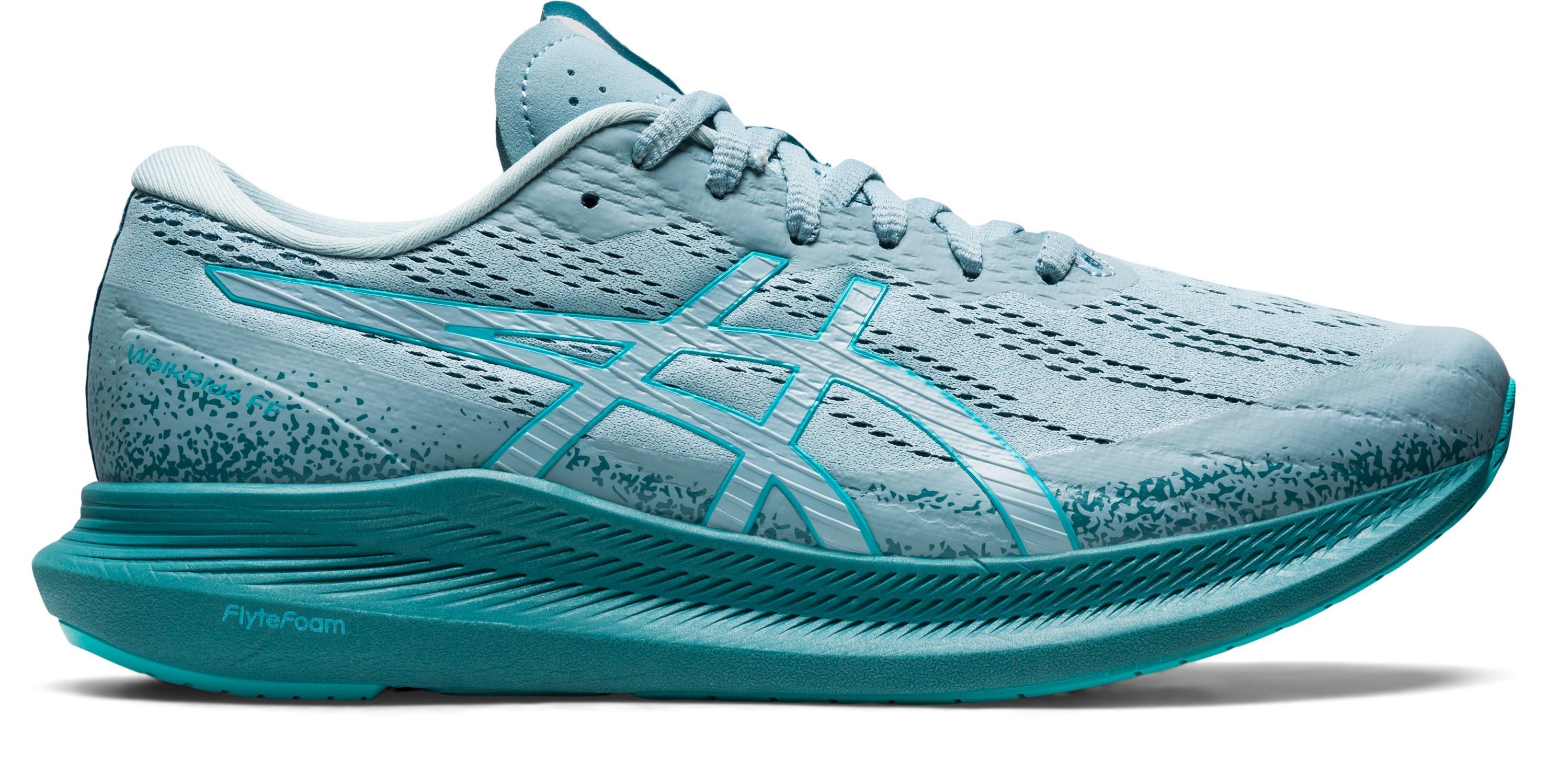
Let’s dissect the components that transform an ordinary sneaker into a podiatry-approved powerhouse. First, consider the midsole, the heart of a shoe’s support system. Materials like EVA (ethylene-vinyl acetate) foam or proprietary compounds like Brooks’ DNA LOFT or ASICS’ GEL provide responsive cushioning that dissipates vertical impact forces with each step. The design of this midsole is crucial; it must offer stability without being rigid. As noted in biomechanics papers, a good walking shoe will often feature a dual-density midsole—a firmer material on the medial (inner) side to prevent the arch from collapsing excessively inward, a motion known as overpronation. Next, examine the outsole. Flexibility is key, but it must be strategic. The shoe should bend easily at the ball of the foot (the metatarsophalangeal joints) to facilitate the “toe-off” phase of your gait, yet remain stable through the midfoot. Durable rubber with multi-directional tread patterns ensures longevity and slip resistance. The upper’s construction is equally vital. Breathable mesh materials prevent moisture buildup and reduce the risk of fungal infections, while seamless interiors minimize friction points that cause blisters. A well-padded tongue and collar protect sensitive tendons and the ankle. Finally, the often-overlooked insole or sock liner. While many podiatrist recommended walking shoes come with high-quality, removable insoles, individuals with specific conditions like flat feet or high arches may be advised by their podiatrist to replace them with custom orthotics. The shoe must, therefore, have sufficient depth and a removable footbed to accommodate such medical devices.
Beyond the Brand: How to Apply Podiatric Principles to Your Search
Armed with this knowledge, your shopping approach should shift from brand-centric to feature-focused. Your personal foot morphology is your starting point. Are your arches low, neutral, or high? A simple “wet test” (stepping on a paper bag with a wet foot) can offer a basic insight. Individuals with low arches (flat feet) generally benefit from motion control or stability shoes with pronounced arch support and a firm heel counter. Those with neutral arches have the widest selection but should still prioritize structured support. High-arched feet often require shoes with ample cushioning and flexibility to compensate for their natural rigidity. The timing of your purchase is also a professional tip shared by many podiatrists: shop for shoes in the late afternoon or evening, as feet naturally swell throughout the day. Ensure there’s about a thumb’s width of space between your longest toe and the end of the shoe. Don’t be seduced by the “break-in” myth; truly supportive shoes should feel comfortable almost immediately. When trying on candidates, wear the socks you intend to walk in and walk on a hard surface, not just carpet. Pay attention to any pinching, slipping at the heel, or pressure on the sides. Remember, the goal is to find podiatrist recommended walking shoes that feel like a natural, supportive extension of your body, not a device you must tolerate.
Voices of Authority: Insights from Professionals and Platforms
The credibility of podiatrist recommendations is echoed across various authoritative platforms. On Quora and specialized health forums, discussions often reference advice from practicing DPMs (Doctors of Podiatric Medicine) who emphasize the non-negotiable nature of proper footwear for patients with diabetes (to prevent neuropathic ulcers) or arthritis. Celebrity fitness trainers on YouTube and Instagram, while not medical doctors, frequently collaborate with podiatrists to curate shoe recommendations for their audiences, highlighting the crossover between performance and health. Furthermore, publications from universities with strong kinesiology and sports medicine departments, such as the University of Virginia or the University of British Columbia, publish studies linking footwear to injury prevention, lending academic weight to the podiatrist’s practical advice. Even in popular culture, the importance of good shoes is a subtle theme. As the renowned author Terry Pratchett wrote in Moving Pictures, “Wisdom comes from experience. Experience is often a result of lack of wisdom.” Applying this to footwear, the painful experience of foot problems often stems from the unwise choice of unsupportive shoes. Seeking out podiatrist recommended walking shoes is an act of applied wisdom, leveraging expert experience to avoid personal pain.
“The shoe is the interface between the human body and the ground. A poorly designed interface will inevitably lead to system failures, whether immediate blisters or long-term joint degeneration. Our recommendations are based on creating harmony in that interface.” – A sentiment commonly expressed by podiatrists in professional interviews and media features.
:max_bytes(150000):strip_icc()/tal-10-podiatrist-approved-open-toed-shoes-tout-00bd6ff1c36a49cdbbff486b0b54fb27.jpg)
Investing in Comfort: Where Value Meets Foot Health
It’s a common misconception that podiatrist recommended walking shoes must carry a prohibitive price tag. While quality materials and advanced engineering often command a premium, viewing these shoes as a healthcare investment reframes the cost. Consider the alternative: the cumulative expense of doctor visits, physical therapy, orthotics, pain relievers, and lost productivity due to foot pain. A well-constructed pair of walking shoes, typically ranging from $100 to $160, can serve as primary prevention. The good news is that value is accessible. Many reputable brands frequently offer discounts on previous models when new versions are released, and the core supportive technologies often remain largely unchanged. End-of-season sales, holiday promotions, and special offers through brand newsletters or certified retailers are excellent opportunities to acquire top-tier footwear at a fraction of the original cost. The key is to prioritize the essential features discussed earlier. Sometimes, a less expensive model from a reputable brand that includes a stable heel counter, good arch support, and a roomy toe box will serve you better than a costly “status” sneaker lacking in structure. Your strategy should be to identify two or three specific shoe models that meet podiatric criteria and then vigilantly search for them on sale, ensuring your investment in health is also a savvy financial decision.
Your Path Forward: Stepping into Sustained Well-being
The journey to all-day comfort begins with a single, well-informed step. By prioritizing the principles endorsed by foot health specialists, you move beyond guesswork and marketing hype into the realm of evidence-based comfort. The right pair of podiatrist recommended walking shoes is more than an accessory; it is a daily partner in preserving your mobility, enhancing your posture, and fueling your adventures without compromise. It empowers you to walk farther, stand longer, and live more actively, free from the nagging distractions of foot fatigue and pain. Let the clinical insights of podiatry illuminate your path. Assess your feet, understand the features that matter, seek out authoritative voices, and make a smart investment in models that align with these truths. Your feet carry you through life’s journey—honor them with the foundation they deserve, and discover the profound difference that truly supportive footwear can make in every step you take.
