

Discover the Best Podiatrist Recommended Walking Shoes for All-Day Comfort
Your feet are the foundation of your movement, carrying you through countless steps each day. Yet, so often, they are an afterthought, crammed into footwear chosen for style over substance, leading to a cascade of discomfort that can ripple up through your entire body. The quest for all-day comfort isn’t about luxury; it’s a physiological necessity. This is where the expertise of podiatry transforms from a clinical concept into a daily relief. We’re not just discussing shoes; we’re exploring engineered solutions for human biomechanics. The right pair of podiatrist recommended walking shoes can be the difference between ending your day with energized, happy feet and suffering from nagging aches in your heels, arches, and joints. This guide delves into the science of walking, the hallmarks of professional recommendations, and how to identify the footwear that truly supports your unique stride, blending objective evidence with actionable insight to help you step into lasting comfort.
The Science of the Stride: Why Your Feet Demand Expert Care
Walking is a complex, repetitive load-bearing activity. With each step, a force equivalent to approximately 1.5 times your body weight travels through your foot, ankle, knee, and hip. According to biomechanics literature from institutions like the University of Calgary’s Human Performance Lab, the foot must perform a precise sequence of events: heel strike, foot flat, mid-stance, heel-off, and toe-off. This gait cycle relies on the intricate interplay of 26 bones, 33 joints, and over 100 muscles, tendons, and ligaments. When footwear disrupts this natural mechanics—through poor cushioning, inadequate arch support, or an improper fit—the body compensates. These compensations are the root of common ailments: plantar fasciitis (inflammation of the band of tissue connecting heel to toes), metatarsalgia (ball-of-foot pain), Achilles tendinitis, and even knee and lower back pain. A podiatrist, a doctor specializing in the medical and surgical care of the foot, ankle, and related structures, evaluates these mechanics. Their recommendations for footwear are therefore not based on fashion trends but on clinical evidence of what structures mitigate injury and promote efficient, pain-free movement. The goal of podiatrist recommended walking shoes is to complement the foot’s natural function, providing stability where there is laxity, cushioning where impact is greatest, and flexibility where the foot needs to bend.
:max_bytes(150000):strip_icc()/shp-best-brooks-walking-shoes-tout-f67df3ab5afa4c08a24a63ae6dca3444.jpg)
Architectural Support: The Non-Negotiable Pillars of a Proper Shoe
Imagine building a house on a shifting, unstable foundation. The walls would crack, the doors would jam, and the structure would fail. Your body is no different. The arch of your foot is that foundational structure, and its support is paramount. Podiatrists categorize arches generally into three types: neutral, low (flat feet), and high. Each type has distinct biomechanical needs. For instance, a person with flat feet (overpronation) requires shoes with firm medial (inner) support to prevent the ankle from rolling inward excessively, a common cause of plantar fasciitis. Conversely, a high-arched foot (supination) often needs enhanced cushioning to absorb shock, as a rigid arch is less effective at dissipating impact. The hallmark of a podiatrist recommended walking shoe is its attention to this architectural detail. This goes beyond a simple removable insole. It involves a strategically designed last (the foot-shaped form around which the shoe is built), a structured heel counter (the firm cup at the back of the shoe that stabilizes the heel), and often integrated technologies like guide rails or posts that control the foot’s motion without overly restricting it. As noted on authoritative health platforms like WebMD and in podiatric journals, consistent use of shoes with appropriate arch support can significantly reduce stress on the plantar fascia and redistribute pressure across the foot, preventing the micro-tears that lead to inflammation and pain.
Materials and Mechanics: From Midsole Magic to Toe-Box Geometry
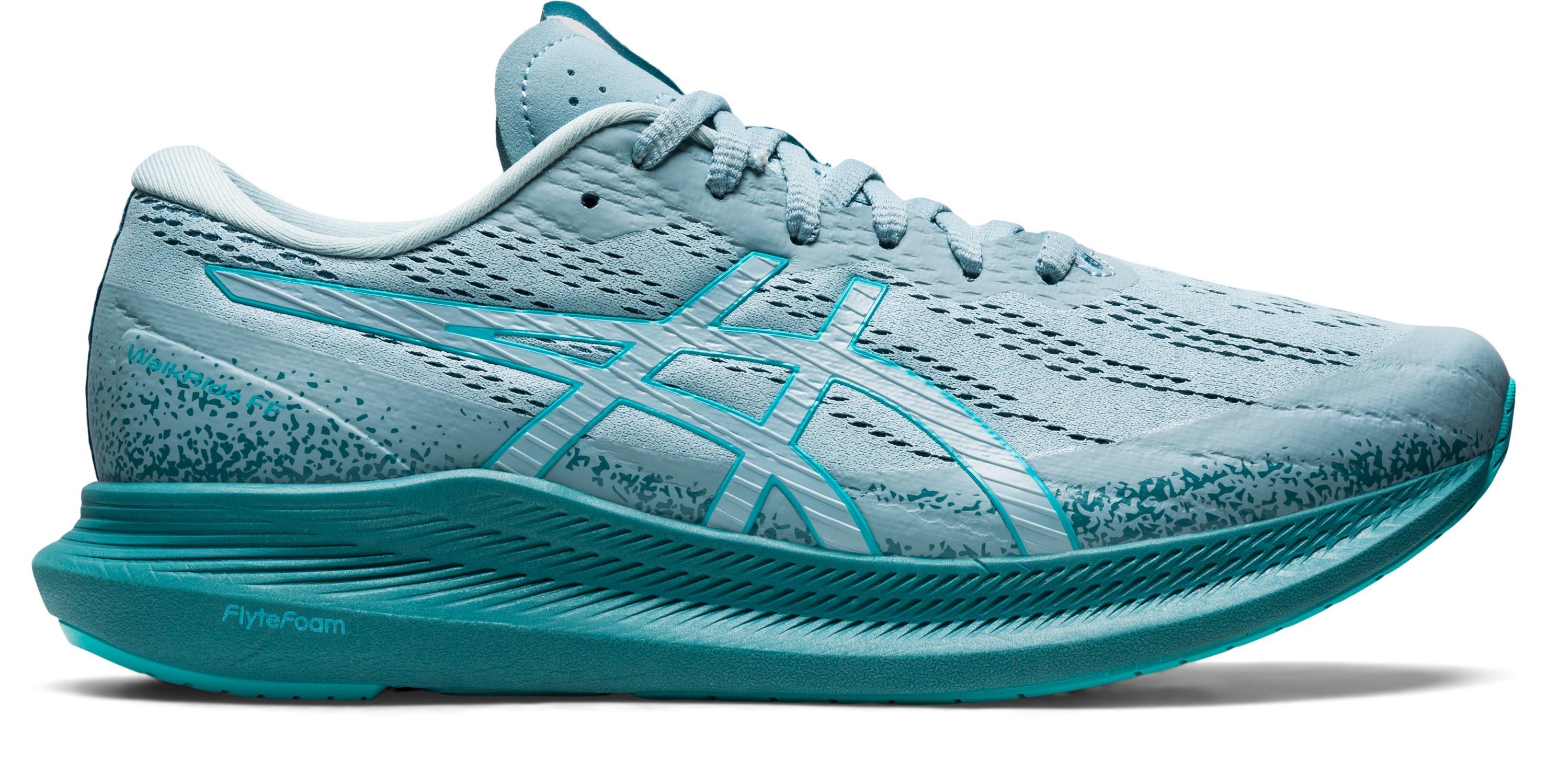
The soul of a walking shoe lies in its midsole—the layer between the outsole and the upper. This is where engineering meets physiology. Historically, ethylene-vinyl acetate (EVA) foam was the standard, but today’s podiatrist recommended walking shoes often feature advanced compounds like polyurethane, TPU (thermoplastic polyurethane), or proprietary blends such as Brooks’ DNA LOFT, ASICS’ FlyteFoam, or HOKA’s Profly+. These materials aim to balance soft cushioning for comfort with resilient responsiveness for energy return, a concept supported by research into running shoe technology that has trickled down to walking-specific designs. The mechanics of the sole also include the rocker profile. A slight rocker sole—gently curved from heel to toe—facilitates the natural roll-through motion of the gait cycle, reducing the work required from the calf muscles and Achilles tendon, which is particularly beneficial for those with conditions like diabetes or arthritis. Furthermore, the geometry of the toe box is critical. A cramped, narrow toe box can lead to deformities like bunions and hammertoes. Podiatrists frequently advocate for a spacious, foot-shaped toe box that allows the toes to splay naturally upon weight-bearing, improving balance and stability. This design philosophy, echoed by experts like Dr. Ray McClanahan, a sports podiatrist, emphasizes that foot health begins with allowing the foot to function as nature intended, with shoes acting as protective guides rather than restrictive cages.
Decoding the Recommendations: Features That Separate the Best from the Rest
With an understanding of the underlying science, we can now translate podiatric principles into a tangible checklist. A superior walking shoe is the sum of its parts, each serving a specific protective function. First, examine the heel-to-toe drop (or offset). This is the difference in height between the heel and forefoot. A moderate drop (typically 8-12mm) is common in many podiatrist recommended walking shoes as it can ease strain on the Achilles tendon. However, some individuals or specific rehabilitative needs may benefit from a lower drop, which encourages a more midfoot strike. Second, assess the weight. Excessively heavy shoes can lead to leg fatigue, while extremely minimalist shoes may lack sufficient protection for daily pavement pounding. A balance is key. Third, scrutinize the upper material. Breathable mesh is essential for temperature and moisture control, preventing the fungal environments that cause athlete’s foot. Seamless or strategically placed seams reduce the risk of friction blisters. Finally, consider the outsole. Durable rubber with a flexible groove pattern ensures longevity and provides necessary traction without compromising the shoe’s natural bend. These features aren’t marketing gimmicks; they are the direct application of podiatric knowledge to product design, creating a symbiotic relationship between foot and footwear.
The Personal Fit: Why Your Foot’s Signature is Unique
Perhaps the most critical, yet most frequently overlooked, aspect of selecting footwear is the fit. A shoe can have all the award-winning technologies, but if it doesn’t fit your unique foot, it’s useless—or worse, harmful. Podiatrists stress that fitting should happen at the end of the day when feet are naturally at their largest due to swelling. There should be about a thumb’s width (roughly 3/8 to 1/2 inch) of space between your longest toe (which isn’t always the big toe) and the end of the shoe. Width is equally crucial; your foot should not spill over the side of the midsole, nor should there be excessive gaping. Remember, your two feet are often slightly different sizes; always fit to the larger foot. The feel should be supportive and secure from the moment you step in, without a “break-in” period that involves pain or blistering. As the renowned running coach and author Dr. Jack Daniels once remarked, “The best shoe is the one that disappears on your foot.” This sentiment perfectly captures the ideal: the shoe should be an extension of your body, providing support so seamlessly that you are unaware of its intervention, allowing you to focus on the journey, not your feet.

Investing in Your Foundation: Where Value Meets Vitality
It’s tempting to view high-quality, professionally endorsed footwear as a significant expense. However, a shift in perspective reveals it as one of the most prudent investments you can make in your long-term mobility and health. Consider the alternative: the cumulative cost of doctor’s visits, physical therapy sessions, orthotic devices, pain medications, and lost productivity due to foot pain can dwarf the price of a premium pair of shoes. Moreover, many reputable brands that produce podiatrist recommended walking shoes offer models from previous seasons at discounted prices online, providing the same core technologies and support at a more accessible point. The key is to prioritize the structural features—arch type, cushioning level, fit—over the latest colorway. Your feet do not care about aesthetics; they care about physiology. By choosing shoes designed with podiatric input, you are not buying a commodity; you are procuring a daily tool for preventative healthcare. This investment pays dividends with every pain-free step, enabling you to engage more fully in work, leisure, and life without the constant background noise of discomfort.
Your journey toward all-day comfort begins with a single, well-supported step. It requires moving beyond aesthetic appeal and embracing the science of support, the precision of fit, and the wisdom of professional insight. The market is filled with options, but the path to relief is illuminated by the principles of podiatry. By seeking out and choosing true podiatrist recommended walking shoes, you are doing more than purchasing footwear—you are honoring the complex, hard-working foundation of your body. You are choosing to walk through life with greater ease, resilience, and joy. Let your next step be an informed one.

