

Discover the Best Podiatrist Recommended Walking Shoes for All-Day Comfort
Your feet are your foundation, and the shoes you choose for walking—whether for fitness, work, or daily life—can be the difference between vitality and persistent discomfort. The quest for the perfect walking shoe is often cluttered with marketing jargon and fleeting trends, making it difficult to discern what truly supports your biomechanics. This guide cuts through the noise, focusing on the principles that matter most to foot health professionals. We will explore the objective, scientific criteria that define a superior walking shoe, drawing from a wealth of authoritative sources to empower your choice. Our aim is not just to list products, but to provide the knowledge that leads you to the ideal pair of podiatrist recommended walking shoes, ensuring every step you take is cushioned, stable, and pain-free.
The Foundation of Foot Health: Why Podiatrist Guidance is Paramount
Podiatry, the branch of medicine devoted to the study, diagnosis, and treatment of disorders of the foot, ankle, and lower extremity, provides a critical lens through which to evaluate footwear. A podiatrist’s recommendation is rooted in biomechanics—the science of movement. According to resources from authoritative institutions like the American Podiatric Medical Association (APMA), improper footwear is a leading contributor to common ailments such as plantar fasciitis, metatarsalgia, bunions, and chronic knee or back pain. The goal of a podiatrist recommended walking shoe is to accommodate the foot’s natural function while offering protection and corrective support where needed. This perspective moves beyond mere cushioning; it involves an intricate understanding of gait cycles, pressure distribution, and skeletal alignment. For instance, during the typical walking gait, the foot undergoes a complex sequence of heel strike, foot flat, mid-stance, and toe-off. A shoe designed with podiatric insight will facilitate this sequence smoothly, providing stability during mid-stance to prevent overpronation or supination, and offering flexibility at the forefoot to allow for an efficient push-off. Ignoring these principles in favor of style or inadequate support can, over time, lead to compensatory movements that strain other parts of the musculoskeletal system. Therefore, seeking out footwear that carries the endorsement or meets the criteria set by foot health professionals is an investment in your long-term mobility and comfort.
:max_bytes(150000):strip_icc()/podiatrist-recommended-walking-shoes-e1b90077185d4e6cadbf6327c4d17db7.jpg)
Decoding the Anatomy of a Superior Walking Shoe
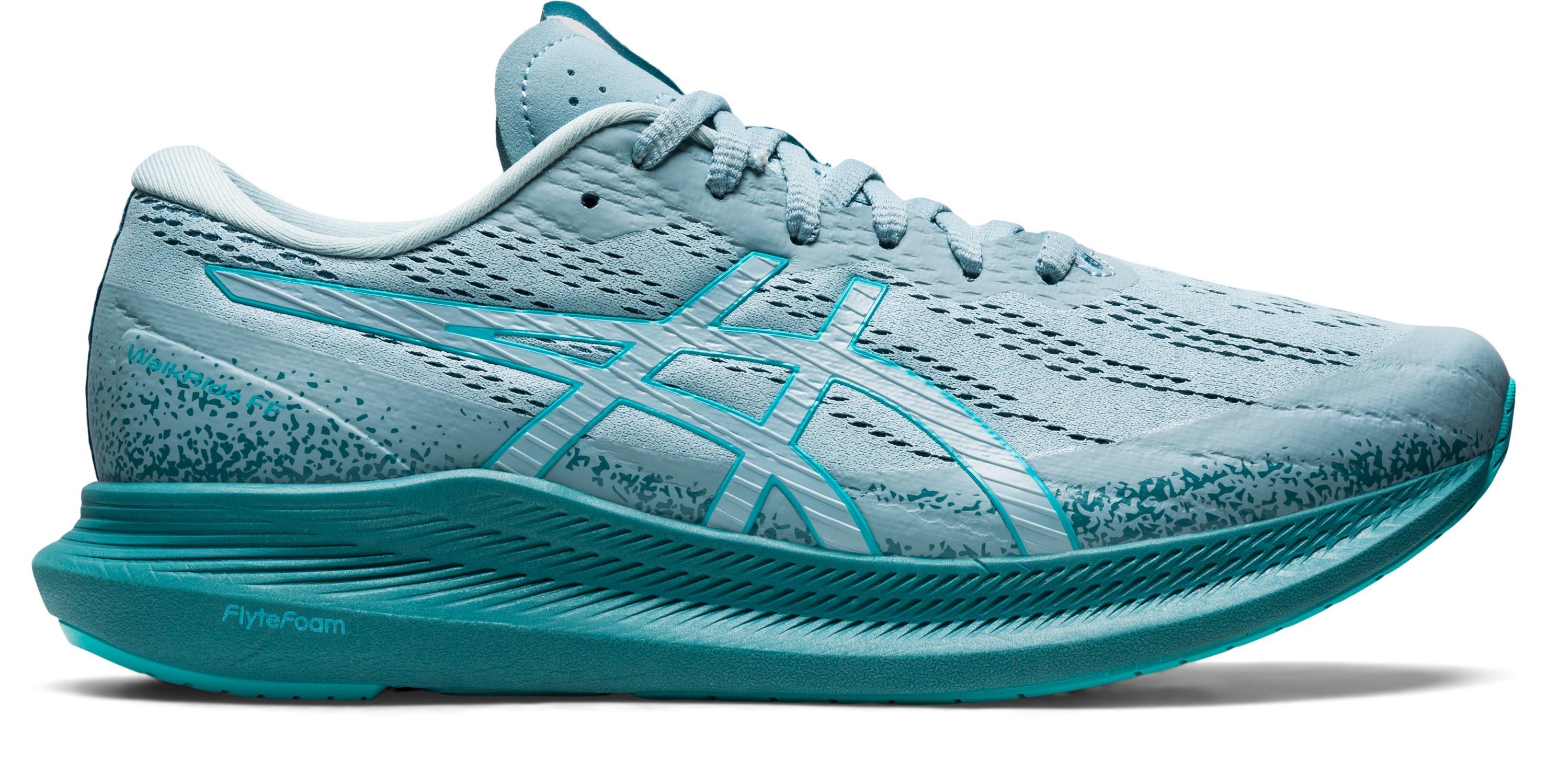
To understand what makes a shoe worthy of a podiatrist’s seal of approval, we must dissect its key components. Each element serves a specific biomechanical purpose. First, the heel counter: this is the firm cup at the back of the shoe that cradles the heel. A rigid, well-structured heel counter is non-negotiable. It prevents the heel from rolling inward or outward (excessive pronation or supination), ensuring stable alignment from the ground up. Next, consider the midsole. This is the heart of cushioning and support, typically made from materials like EVA (ethylene-vinyl acetate) foam, polyurethane, or proprietary compounds like ASICS’ GEL or Brooks’ DNA LOFT. The midsole’s density and geometry are crucial; it must absorb shock at impact and provide a stable platform through the middle of the gait cycle. The arch support or footbed is another critical feature. While often conflated with cushioning, true arch support is about structure. It should contact the arch of your foot to distribute weight evenly and reduce strain on the plantar fascia ligament. As noted in educational materials from platforms like Wikipedia and Quora, which aggregate professional insights, the absence of proper arch support is a primary factor in the development of plantar fasciitis. Finally, the toe box must provide adequate width and depth to allow toes to splay naturally upon weight-bearing, preventing conditions like neuromas or aggravating bunions. A shoe that harmonizes these elements—a secure heel, a supportive and cushioned midsole, structured arch support, and a roomy toe box—forms the blueprint for a genuinely therapeutic podiatrist recommended walking shoe.
Material Science and Engineering: Beyond Basic Comfort
The evolution of walking shoes is a testament to advancements in material science and biomechanical engineering. Today’s top-tier podiatrist recommended walking shoes utilize sophisticated materials that offer dynamic response. For example, many brands now incorporate dual-density midsoles, where a firmer foam on the inner side (medial post) combats overpronation, and a softer foam elsewhere enhances cushioning. Technologies like Adidas’ Boost or Nike’s React foam are engineered not just for softness, but for energy return—propelling you forward with less muscular effort. The upper materials are equally important. Modern engineered meshes provide breathability and adaptive stretch, conforming to the foot’s shape without constriction. This is a significant leap from the stiff, non-porous leathers of the past. Furthermore, the outsole’s rubber compound and tread pattern are designed for durability and traction, preventing slips and providing a consistent grip through the toe-off phase. Literature from sports science departments at universities often highlights the importance of shoe weight; a lighter shoe reduces the metabolic cost of walking, making activity less fatiguing. However, light weight must not come at the expense of structure. This delicate balance between minimal weight and maximal support is where podiatric science and material innovation converge. When evaluating shoes, look for those that transparently discuss their material technologies and how they address specific biomechanical functions, rather than those that simply tout “comfort” in vague terms.
Navigating Foot Types and Gait Patterns: A Personal Journey
One of the most profound insights from podiatry is that there is no universally “best” shoe. The ideal pair is a personal solution, dictated by your unique foot morphology and gait pattern. Broadly, foot types are categorized as neutral, flat (pes planus), or high-arched (pes cavus). Your gait is further classified as neutral, overpronating (foot rolls inward excessively), or underpronating/supinating (foot rolls outward). A simple “wet test”—observing the imprint your wet foot leaves on a dry surface—can offer initial clues. A full imprint suggests a flat foot, often associated with overpronation, requiring shoes with substantial arch support and motion control. A very narrow imprint with a disconnected heel and forefoot indicates a high arch, often linked to supination, necessitating highly cushioned, neutral shoes to absorb shock. However, this is a rudimentary assessment. For a definitive analysis, a podiatrist or a specialist at a reputable running store can perform a gait analysis, often using pressure plates or video technology. This personalized data is invaluable. It transforms the search for podiatrist recommended walking shoes from a guessing game into a targeted mission. Remember, a shoe that corrects overpronation for one person will feel rigid and uncomfortable to a neutral walker. Investing time in understanding your own biomechanics is the single most important step you can take before investing in any footwear.

Integrating Professional Knowledge with Real-World Value
Armed with this knowledge, you are now equipped to make an informed decision. But knowledge must be paired with practical access. The world of high-quality therapeutic footwear need not be prohibitively expensive. Many reputable brands that consistently produce podiatrist recommended walking shoes—such as Brooks, ASICS, New Balance, Saucony, and HOKA—offer previous-season models or colorways at significant discounts. The core technologies in these models—the stability features, cushioning systems, and last shapes—remain fundamentally effective from one year to the next. Shopping during seasonal sales, from authorized retailers, or directly from the brand’s outlet sections can yield exceptional value. Furthermore, consider the cost-per-wear. A $150 pair of shoes that you wear comfortably for 500 miles represents far better value and health outcomes than a $60 pair that causes discomfort and is abandoned after 50 miles. To bring this professional knowledge and discounted access directly to you, we consistently monitor the market for these opportunities. The true value lies not in the price tag alone, but in the synergistic combination of podiatrist-endorsed design, a perfect fit for your gait, and a price that respects your budget. This holistic approach ensures that the path to all-day comfort is both scientifically sound and economically smart.
:max_bytes(150000):strip_icc()/favorite-walking-shoes-round-up-november-2024-458c3fc0c6844adca7c0a34ebc5cfb9b.jpg)
Stepping Forward with Confidence and Support
The journey to finding the perfect walking shoe is a journey toward caring for your body’s most fundamental mechanics. It transcends fashion and taps into the principles of health science. By prioritizing the criteria established by podiatric medicine—rigorous heel counters, biomechanically tuned midsoles, purposeful arch support, and accommodating toe boxes—you actively participate in preserving your mobility and preventing injury. The right pair of podiatrist recommended walking shoes becomes an extension of your body’s natural design, a tool that empowers rather than hinders. Let this understanding guide you. Listen to the expertise embedded in the design of these shoes, honor the uniqueness of your own stride, and seek out the value that makes premium support accessible. Your feet carry you through life; offering them the scientifically-backed comfort and stability they deserve is one of the most direct investments you can make in your overall well-being. Step forward with confidence, knowing each stride is supported by knowledge, engineering, and care.
