

Discover the Best Podiatrist Recommended Walking Shoes for All-Day Comfort
Your feet are your foundation, carrying you through thousands of steps each day. Yet, so often, we encase them in footwear chosen for style over substance, leading to a cascade of discomfort that can ripple up through the entire body. The quest for all-day comfort isn’t merely about avoiding sore feet at the end of a long shift or a day of travel; it’s a fundamental investment in your overall musculoskeletal health and well-being. This is where the expertise of podiatry becomes invaluable. Podiatrist recommended walking shoes are not a marketing gimmick but a category built on clinical understanding of biomechanics, gait analysis, and pathology prevention. These shoes are engineered to provide the specific support, cushioning, and stability that the human foot requires during the repetitive, weight-bearing act of walking. By aligning your footwear choices with podiatric principles, you transition from simply covering your feet to actively supporting your body’s intricate architecture, turning every step into an act of care rather than a potential source of strain.
:max_bytes(150000):strip_icc()/tal-roundup-podiatrist-loved-shoes-on-sale-tout-bdbf5721fa5642efa38b61f6a5b4ff34.jpg)
The Science of the Step: Why Podiatric Biomechanics Matter
To comprehend why a podiatrist recommended walking shoe is superior, one must first understand the biomechanical symphony of a single step. The gait cycle, as defined in kinesiology and orthopedic literature, consists of the stance phase (foot on the ground) and the swing phase (foot in the air). During the stance phase, which is where shoes exert their greatest influence, the foot must perform three critical functions: shock absorption, adaptation to terrain, and providing a rigid lever for propulsion. When any part of this sequence is compromised—often by ill-fitting or unsupportive shoes—the body compensates. This can lead to overpronation (excessive inward rolling) or supination (outward rolling), placing abnormal stress on the plantar fascia, Achilles tendon, ankles, knees, hips, and even the lower back. Dr. Jacqueline Sutera, a renowned New York City podiatrist, often emphasizes in media interviews that “shoes are the foundation of your body.” She argues that improper footwear doesn’t just cause foot pain; it can alter your entire posture and gait pattern. This perspective is echoed in resources from authoritative institutions like the American Podiatric Medical Association (APMA), which grants its Seal of Acceptance to products that promote good foot health. Therefore, a shoe earning podiatric endorsement is designed to facilitate a more natural, efficient, and safe gait cycle, mitigating compensatory movements and distributing impact forces evenly.
Deconstructing the Ideal Walking Shoe: Non-Negotiable Features
Not all athletic-looking shoes are created equal for the specific purpose of sustained walking. A true walking shoe, particularly one that would earn a podiatrist’s nod, is built around several non-negotiable pillars. First is arch support. The arch acts as a natural shock absorber; proper support prevents its collapse, which is a primary contributor to conditions like plantar fasciitis. This support should be firm yet contoured, matching different arch types (neutral, low, or high). Second is heel counter rigidity. The heel cup should be firm to stabilize the rearfoot, preventing excessive movement that leads to blisters and instability. Third is adequate toe box space. As noted by the Cleveland Clinic’s health advisories, a spacious, rounded toe box allows toes to splay naturally upon weight-bearing, reducing the risk of bunions, hammertoes, and neuromas. Fourth is strategic cushioning. While ample cushioning in the heel is crucial for impact attenuation, modern podiatrist recommended walking shoes often feature a slightly firmer forefoot to aid the toe-off phase of gait. Finally, the flex point of the shoe must align with the natural flex point of your foot (the ball), allowing for a smooth roll-through motion. A shoe that bends in the middle of the arch, rather than at the forefoot, actively works against your foot’s mechanics.
Beyond the Basics: Materials, Technologies, and Gait-Specific Design
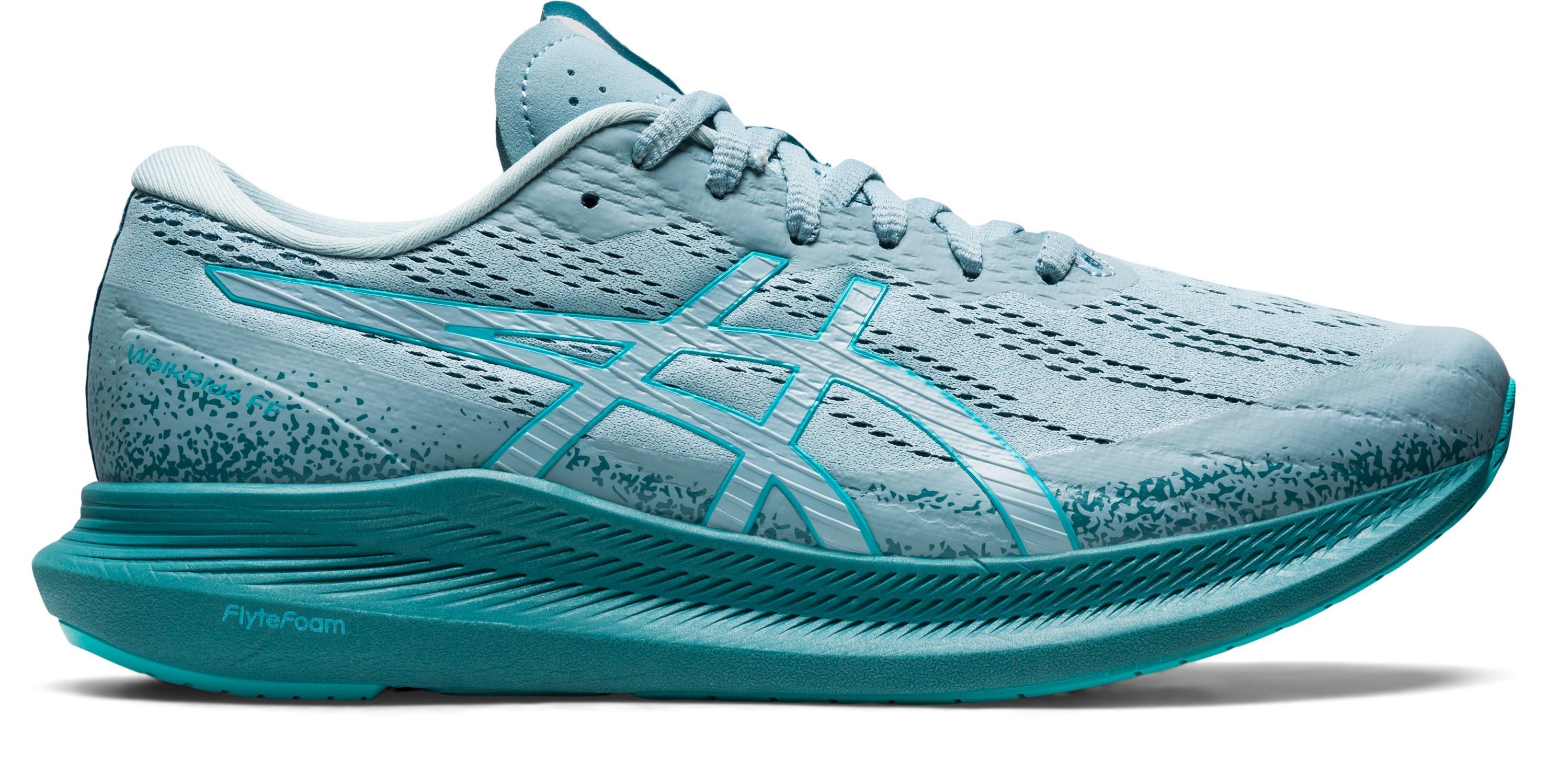
The evolution of podiatrist recommended walking shoes is deeply intertwined with material science and proprietary technologies developed by leading sportswear companies. Memory foam footbeds, once a novelty, are now commonplace for their personalized contouring, but the innovation goes deeper. Brands like ASICS incorporate GUIDANCE LINE® technology, a vertical groove in the sole designed to improve gait efficiency by promoting a more natural stride from heel strike to toe-off. Brooks uses its DNA LOFT and GUIDE RAILS® systems, offering plush cushioning while providing intelligent support that doesn’t over-correct, allowing the body to move within its natural range of motion. HOKA, frequently cited by podiatrists for patients needing maximum cushioning, employs meta-rocker geometry—a distinct sole shape that mimics the rolling motion of a rocking chair to encourage a smoother transition through the gait cycle. These are not mere marketing terms; they are engineered responses to biomechanical research. Furthermore, the choice of upper materials is critical. Breathable, engineered meshes prevent moisture buildup and reduce the risk of fungal infections, while seamless interiors minimize friction points that cause blisters. The integration of these advanced materials and technologies transforms a basic shoe into a sophisticated tool for ambulatory health, directly addressing the concerns podiatrists see daily in their clinics.
Matching Your Gait: The Critical Importance of Foot Type Analysis
A common pitfall is purchasing a highly recommended shoe only to find it uncomfortable, because it was designed for a foot type opposite to yours. The single most important step before buying is understanding your foot’s pronation pattern. This can be done through a professional gait analysis at a specialty running store or, in more complex cases, a podiatrist’s office. Essentially, feet are categorized as neutral, overpronating, or underpronating (supinating). An overpronator’s foot rolls inward excessively; they typically benefit from stability or motion control shoes that feature a denser medial (inner) post to limit that inward roll. A supinator’s foot rolls outward, lacking natural shock absorption; they need neutral-cushioned shoes with maximum flexibility and soft cushioning to absorb impact. A neutral foot is biomechanically efficient and has the widest range of options, often thriving in neutral or mild stability shoes. Ignoring this alignment is akin to putting the wrong grade of fuel in a high-performance engine; it will run, but inefficiently and with eventual damage. Renowned fitness expert and author of multiple books on movement, Katy Bowman, advocates in her work for “footwear that allows for natural foot function,” which inherently means footwear suited to your individual biomechanical blueprint.

Investing in Wellness: The Long-Term Value of Podiatrist-Approved Footwear
Viewing high-quality walking shoes as an expense is a short-sighted perspective; in reality, they are a profound investment in preventative healthcare. Consider the economic and personal cost of common foot ailments: custom orthotics, physical therapy sessions, co-pays for doctor visits, anti-inflammatory medications, and the lost productivity and joy from activities you can no longer enjoy pain-free. A pair of properly fitted, biomechanically sound podiatrist recommended walking shoes serves as your first line of defense. They are the daily orthotic for the average person. The value proposition extends beyond preventing pathology. The right shoes enhance performance—whether your “performance” is a 10,000-step workday, a weekend hike, or exploring a new city on vacation. You have more energy, less fatigue, and a greater willingness to stay active. This creates a virtuous cycle: comfortable shoes encourage more walking, which improves cardiovascular health, strengthens bones, boosts mood, and manages weight. In this light, the shoe is not just a accessory but a catalyst for a healthier lifestyle. As the ancient proverb, often misattributed but wise nonetheless, states: “The journey of a thousand miles begins with a single step.” Ensuring that step is well-supported makes the subsequent nine hundred ninety-nine thousand, nine hundred and ninety-nine steps not only possible but pleasurable.
“We spend a fortune on mattresses for one-third of our lives, yet often neglect the footwear that supports us for the other two-thirds. The right shoe is preventative medicine for the feet and the foundation they support.”
— A sentiment frequently expressed by Dr. Brad Schaeffer, a podiatrist featured in various wellness media.
Finding Value: Navigating Quality and Affordability
Professional-grade support and technology often come with a premium price tag, but savvy shoppers can access these benefits without financial strain. The key is to prioritize the essential biomechanical features—arch support, heel counter, fit—over superficial aesthetics or brand hype alone. Consider previous seasons’ models: when a brand like New Balance, Saucony, or Brooks releases a new version of a popular shoe (e.g., the Brooks Ghost 15 to Ghost 16), the outgoing model retains its core podiatric benefits but is often discounted by 30-50%. Outlet stores, authorized online retailers, and seasonal sales are goldmines for these deals. Furthermore, some brands renowned for comfort and support, like Skechers with its Arch Fit collection or certain styles from Clarks, offer APMA-approved options at a mid-range price point. It is also a sound strategy to invest in one primary pair of dedicated podiatrist recommended walking shoes for your most strenuous activity, while using a slightly less technical (but still supportive) pair for lighter daily wear. Remember, the cost per mile of a $150 shoe worn for 500 miles is 30 cents. A cheap $50 shoe that causes discomfort and lasts only 200 miles costs 25 cents per mile but incurs a much higher cost in potential pain and medical bills. The true discount is found in the long-term health savings and enhanced quality of life.
:max_bytes(150000):strip_icc()/podiatrist-recommended-walking-shoes-e1b90077185d4e6cadbf6327c4d17db7.jpg)
Your search for all-day comfort ends not with a fleeting trend, but with a commitment to the science of support. Podiatrist recommended walking shoes represent the intersection of clinical insight and innovative design, offering a blueprint for how footwear should function. They remind us that our feet are not passive passengers but active, complex structures deserving of respect and proper equipment. By choosing shoes that align with podiatric principles—prioritizing fit, support, and your unique gait—you do more than buy a product. You make a conscious decision to walk through life with greater ease, resilience, and vitality. Let each comfortable step be a testament to that choice, building a foundation for health that literally and figuratively supports everything you do.
