

Discover the Best Podiatrist Recommended Walking Shoes for All-Day Comfort
Your feet are your foundation, and the shoes you choose for walking can mean the difference between a day filled with vibrant energy and one hampered by discomfort. For anyone who spends significant time on their feet—whether you’re a dedicated urban explorer, a healthcare professional, a retail worker, or simply someone who values the profound health benefits of a daily stroll—the quest for the perfect walking shoe is paramount. This isn’t about fleeting fashion trends; it’s about functional biomechanics, long-term foot health, and sustainable comfort. The most reliable guidance in this pursuit comes not from generic style magazines, but from the experts who dedicate their careers to understanding the intricate architecture of the human foot: podiatrists. Selecting podiatrist recommended walking shoes is an investment in your mobility and well-being, a deliberate choice to align your daily gear with medical science. This article delves into the core principles that define these expert-endorsed shoes, translating complex podiatric wisdom into actionable knowledge you can use to find footwear that truly supports you from sunrise to sunset.
The Science of Stride: Why Podiatric Endorsement Matters
To understand the value of a podiatrist recommended walking shoe, one must first appreciate the biomechanical marvel that is walking. Each step is a complex orchestration of bones, muscles, tendons, and ligaments. The gait cycle, comprising the stance phase (foot on the ground) and swing phase (foot in the air), places varying stresses on our anatomy. A podiatrist, or Doctor of Podiatric Medicine (DPM), is a specialist trained to diagnose and treat conditions of the foot, ankle, and related structures of the leg. Their recommendations are rooted in preventing and alleviating issues like plantar fasciitis, metatarsalgia, bunions, and tendonitis. As Dr. Jacqueline Sutera, a prominent New York City podiatrist, often notes in media interviews, “Shoes are the foundation of your body. Wearing the wrong ones is like building a house on a shaky foundation.” This perspective is echoed in literature from authoritative institutions like the American Podiatric Medical Association (APMA), which grants its Seal of Acceptance to products that promote good foot health. Therefore, a shoe bearing such an endorsement isn’t merely comfortable; it’s designed with scientific parameters that promote proper alignment, shock absorption, and stability, directly countering the forces that lead to injury during the thousands of steps taken each day.
:max_bytes(150000):strip_icc()/tal-roundup-podiatrist-loved-shoes-on-sale-tout-bdbf5721fa5642efa38b61f6a5b4ff34.jpg)
Arch Support: The Non-Negotiable Pillar of Comfort
Perhaps the most critical feature scrutinized by podiatrists is arch support. The foot’s arch—whether high, low (flat), or neutral—acts as a natural shock absorber. Inadequate support can cause the arch to collapse excessively (overpronation) or not enough (supination), leading to a chain reaction of misalignment that travels up the kinetic chain to the knees, hips, and lower back. A true podiatrist recommended walking shoe will offer structured, built-in arch support that corresponds to your foot type. This isn’t about a generic bump in the midsole; it’s about engineered contouring. For instance, brands like ASICS and Brooks invest heavily in biomechanical research, developing technologies like DuoMax support systems or GuideRails that don’t just cushion but actively guide the foot through a healthier motion. The viewpoint from platforms like Quora and specialized running forums often highlights personal testimonials where proper arch support was the single factor that resolved chronic foot pain. As the famous author and walker Henry David Thoreau might have implied in his writings on sauntering, proper support allows one to walk with intention and freedom, not distraction. A shoe that masters arch support ensures the foot’s natural lever system functions efficiently, reducing muscular fatigue and allowing for all-day endurance.
Cushioning vs. Stability: Striking the Perfect Balance
A common misconception is that maximum cushioning equates to maximum comfort. While plush, soft materials feel good initially, they can sometimes lack the stability needed for prolonged walking, allowing the foot to roll inward or outward uncontrollably. Podiatrists emphasize a balanced approach. Cushioning must be responsive and strategically placed—often in the heel for impact absorption and under the ball of the foot for toe-off propulsion—while maintaining a stable base. This concept is vividly illustrated in the design philosophy behind HOKA’s popular walking and hiking shoes, which combine a meta-rocker geometry with a wide, stable platform. The late, renowned athletic coach and Nike co-founder Bill Bowerman famously believed in the symbiotic relationship between cushioning and support, a principle that remains foundational in footwear design. Scientific literature from university sports medicine departments often cites the need for “dynamic stability” in footwear, meaning the shoe should adapt to and control motion, not just passively cushion it. Therefore, when evaluating podiatrist recommended walking shoes, look for dual-density midsoles, firm heel counters, and designs that have been validated for motion control, especially if you have a known tendency to overpronate.
:max_bytes(150000):strip_icc()/shp-best-brooks-walking-shoes-tout-f67df3ab5afa4c08a24a63ae6dca3444.jpg)
Material Matters: Breathability, Durability, and Fit
Beyond structure, the materials composing a walking shoe are vital for all-day comfort. Podiatrists frequently highlight the importance of breathable uppers, such as engineered mesh, to manage moisture and temperature, thereby preventing blisters and fungal infections. Durability is another key factor; a shoe that breaks down prematurely loses its supportive properties, even if the exterior looks intact. The outsole’s rubber compound and tread pattern must offer reliable grip and long-lasting wear. Most crucially, the fit must be precise. The common wisdom, echoed by experts from the APMA to celebrity trainers on YouTube, is to shop for shoes in the afternoon when feet are naturally slightly swollen, and to ensure about a thumbnail’s width of space between your longest toe and the end of the shoe. A proper fit accommodates foot swelling during long walks without allowing slippage that causes friction. As the ancient Greek physician Hippocrates, who wrote extensively on foot ailments, might have advised, the shoe must be a protective extension of the body, not a constraint. This holistic view of materials and fit ensures that the sophisticated support systems within a podiatrist recommended walking shoe function as intended, making the technology accessible and effective for the wearer.
Real-World Application: From Clinic to Sidewalk
The translation of podiatric principles into commercial products is where theory meets pavement. Many leading footwear brands collaborate directly with podiatrists and biomechanists in their design labs. For example, the innovative technologies in brands like New Balance’s Fresh Foam or Saucony’s PWRRUN cushioning are the result of extensive gait analysis and pressure mapping. These collaborations ensure that features like a roomy toe box (to prevent crowding and bunions), a secure heel collar (to prevent Achilles irritation), and a flexible forefoot (to allow for a natural push-off) are not afterthoughts but core design mandates. On platforms like Twitter and in interviews, certified podiatrists often demystify these features, explaining how a specific shoe’s rocker sole can offload pressure from a painful joint or how its specific lacing system can accommodate a high instep. This direct line from clinical insight to consumer product is what separates a generic sneaker from a true podiatrist recommended walking shoe. It embodies a commitment to foot health that is both preventative and therapeutic, allowing individuals to walk further and more comfortably, thereby reaping the cardiovascular, mental, and musculoskeletal benefits of this most fundamental form of exercise.
:max_bytes(150000):strip_icc()/favorite-walking-shoes-round-up-november-2024-458c3fc0c6844adca7c0a34ebc5cfb9b.jpg)
Investing in Your Foundation: Value Beyond Price
While premium podiatrist recommended walking shoes often come with a higher initial price tag, their value must be measured in terms of health economics and long-term performance. A quality pair, typically ranging from $120 to $160, is an investment in preventing costly podiatric interventions, orthotics, or physical therapy down the line. The good news is that value is accessible. Many reputable retailers offer significant discounts on previous models when new versions are released, often reducing prices by 30-50% without compromising core supportive technologies. Brands frequently have seasonal sales, and signing up for newsletters can provide early access to these deals. Furthermore, the durability of these well-constructed shoes means they often outlast multiple pairs of cheaper, less supportive alternatives, offering a better cost-per-mile ratio. Consider the words of the philosopher and walker Søren Kierkegaard: “Above all, do not lose your desire to walk… I have walked myself into my best thoughts.” The right shoes remove the barrier of pain, enabling that desire. By prioritizing podiatric science and seeking out informed discounts, you are not just buying footwear; you are purchasing sustained mobility, comfort, and the freedom to walk your way to better health.
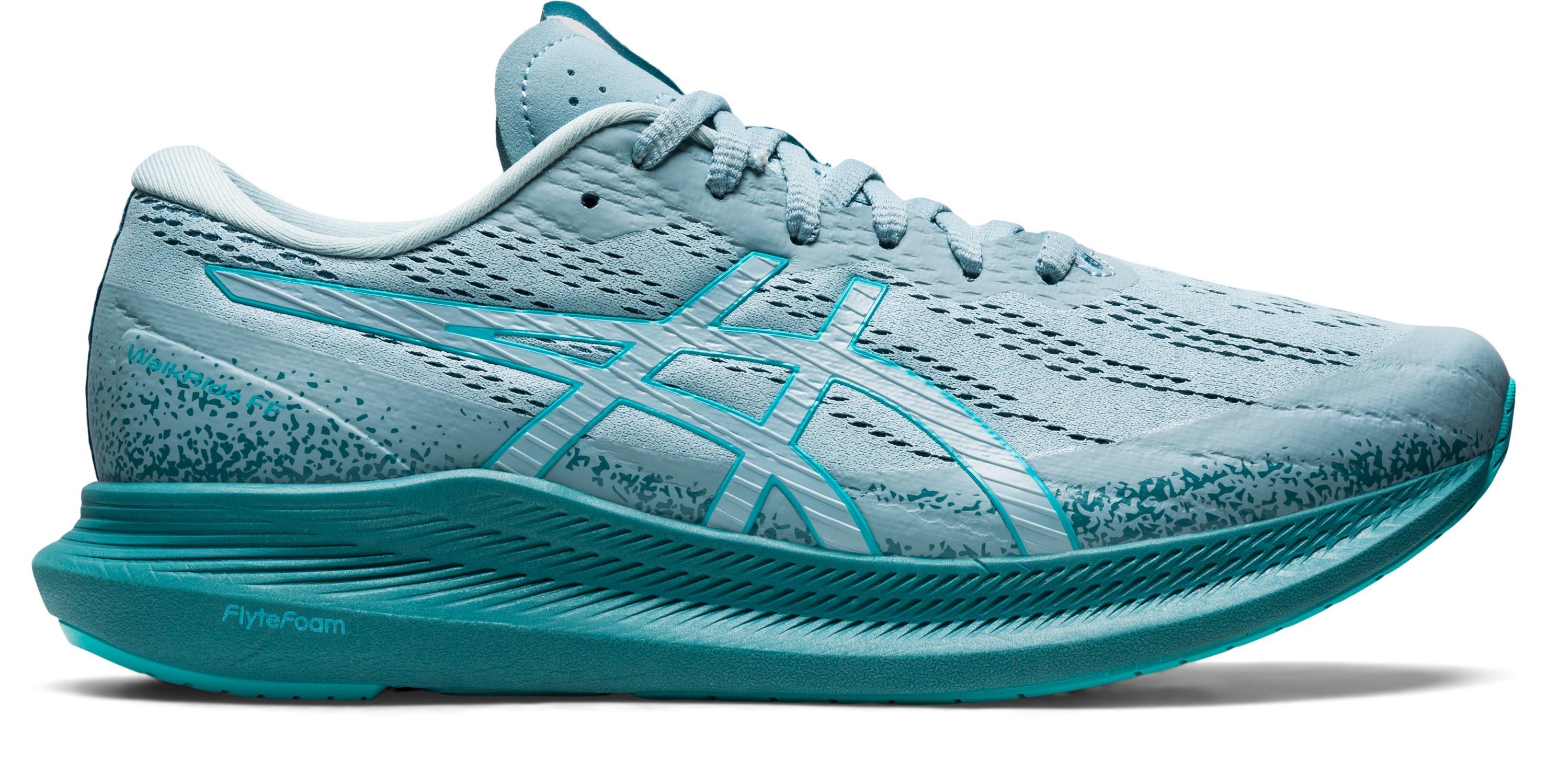
Choosing the right walking shoe is a profound act of self-care. It moves beyond aesthetics into the realm of biomechanical harmony. By seeking out and understanding the principles behind podiatrist recommended walking shoes, you empower yourself to make an informed decision that supports your body’s natural engineering. The goal is clear: to find footwear that disappears from your consciousness because it works in perfect unison with your stride, allowing you to focus on the journey, the scenery, or the rhythm of your thoughts, not on your feet. Let the convergence of expert podiatric insight, innovative design, and smart shopping guide you to that perfect pair. Your feet—and every step they take—deserve nothing less.
