

Discover the Best Podiatrist Recommended Walking Shoes for All-Day Comfort
Your feet are the foundation of your movement, carrying you through countless steps each day. Yet, many of us overlook the critical importance of the shoes we choose for this relentless task. The wrong pair can lead to a cascade of discomfort, from simple fatigue to chronic pain in the feet, knees, hips, and even the lower back. This isn’t merely about aesthetics or brand loyalty; it’s about biomechanical support and long-term health. The quest for the perfect walking shoe, therefore, should begin not on a fashion runway, but in the realm of medical science and professional foot care. This guide is dedicated to uncovering the principles behind podiatrist recommended walking shoes, translating complex podiatric wisdom into actionable knowledge you can use to transform your daily stride into an experience of sustained, all-day comfort.
The Foundation of Foot Health: Why Podiatric Expertise Matters
To understand the value of a podiatrist recommended walking shoe, one must first appreciate the intricate engineering of the human foot. Comprising 26 bones, 33 joints, and over 100 muscles, tendons, and ligaments, the foot is a marvel of natural architecture. With each step, it performs a complex sequence of events: heel strike, foot flat, mid-stance, heel-off, and toe-off. This gait cycle, when supported improperly, can lead to imbalances. Podiatrists, doctors specializing in the diagnosis, treatment, and prevention of foot and ankle disorders, view shoes as essential orthotic devices. Their recommendations are grounded in a deep understanding of pathologies like plantar fasciitis, metatarsalgia, bunions, and overpronation. As Dr. Jacqueline Sutera, a renowned New York City podiatrist, often states in media interviews, “Shoes are the environment in which your feet live. You wouldn’t want to live in a house that’s collapsing or misaligned.” This perspective shifts the shoe from a fashion accessory to a fundamental tool for health. Scientific literature from institutions like the American Podiatric Medical Association (APMA) consistently emphasizes that proper footwear can prevent injury, redistribute pressure, and enhance alignment from the ground up. Therefore, a shoe bearing the implicit or explicit endorsement of podiatric principles is designed not just to fit your foot, but to actively collaborate with its biomechanics.
:max_bytes(150000):strip_icc()/podiatrist-recommended-walking-shoes-e1b90077185d4e6cadbf6327c4d17db7.jpg)
Decoding the Anatomy of a Superior Walking Shoe
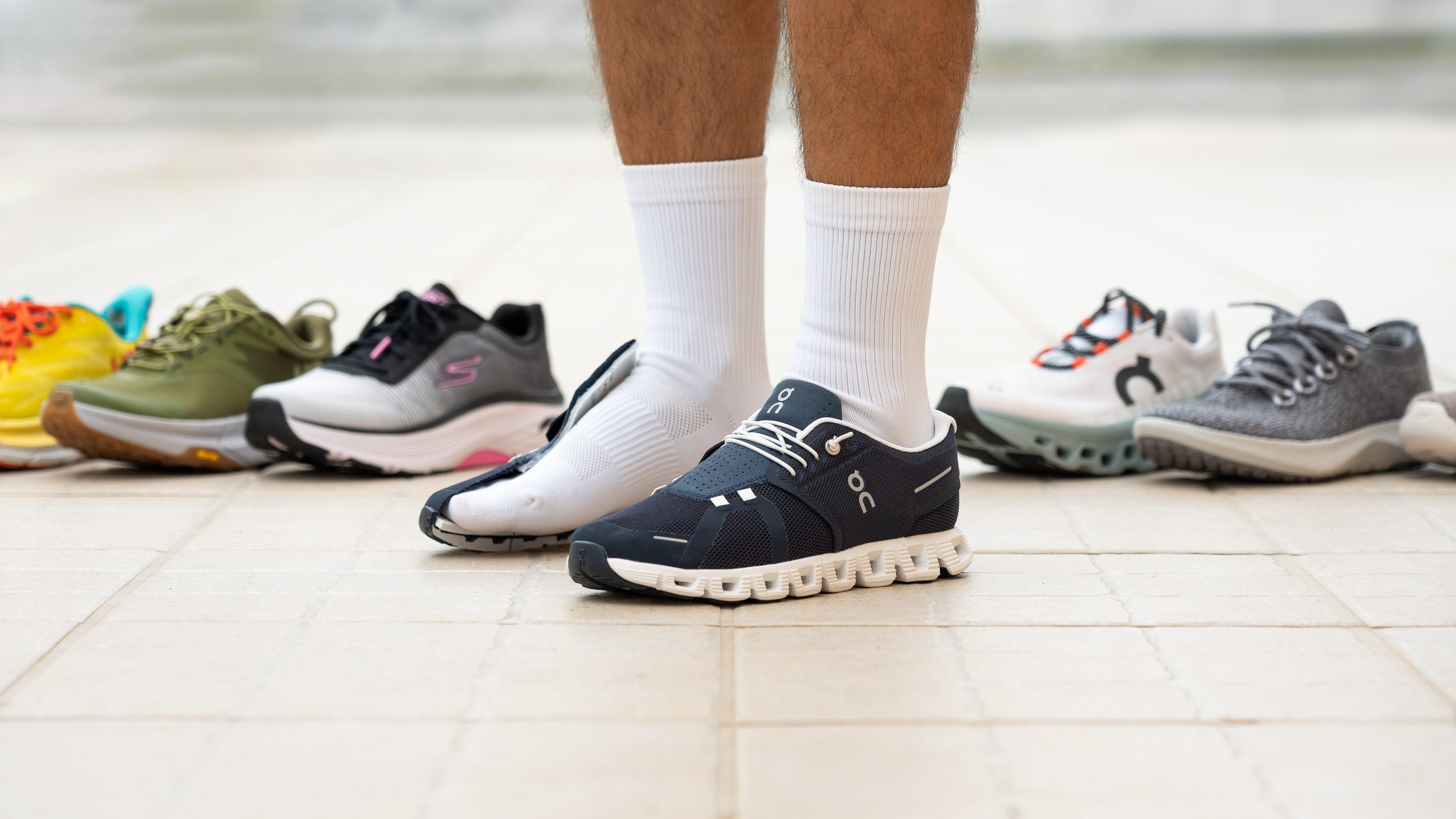
What specific elements transform an ordinary sneaker into a podiatrist recommended walking shoe? The distinction lies in a constellation of features that work in harmony. First, consider the heel counter. This is the firm cup at the back of the shoe that cradles the heel. A sturdy, well-padded heel counter is non-negotiable; it stabilizes the rearfoot, preventing excessive side-to-side motion that can strain the Achilles tendon and plantar fascia. Next, examine the midsole. This is the heart of cushioning and support, typically made from materials like EVA (ethylene-vinyl acetate) or polyurethane. However, the key is not just softness, but strategic responsiveness. The midsole must provide shock absorption at heel strike yet be firm enough to support the arch during mid-stance. This is where technologies like contoured footbeds, medial posts for overpronators, and varying densities of foam come into play. The toe box, or forefoot area, must be wide and deep enough to allow your toes to splay naturally upon stepping down. Constriction here can lead to neuromas, hammertoes, and aggravated bunions. Finally, the outsole’s flexibility is crucial. It should bend easily at the ball of the foot—where your foot naturally flexes—but remain rigid through the arch. This promotes an efficient gait. Brands that consistently earn podiatrists’ nods, such as Brooks, New Balance, ASICS, and HOKA, invest heavily in research and development to refine these very components, often collaborating with biomechanics labs to validate their designs.
Matching Your Gait: The Critical Role of Pronation Control
A central tenet in podiatry is that one shoe does not fit all gaits. Pronation—the natural inward roll of the foot as it distributes impact—exists on a spectrum. Neutral pronation is ideal, where the foot rolls inward about 15%, efficiently absorbing shock. Overpronation, an excessive inward roll, and supination (or underpronation), an outward roll, are common deviations that can lead to injury if unaddressed. Identifying your pattern is the first step toward selecting the correct podiatrist recommended walking shoes. You can perform a simple “wet test”: wet your foot and step onto a paper bag or dark cardboard. Examine the imprint. A very wide imprint with little to no curve on the inside suggests overpronation and a need for stability or motion control shoes with firm medial support. A narrow imprint with a high arch curve suggests supination, requiring highly cushioned, neutral shoes with maximum flexibility. Many specialty running stores offer gait analysis on treadmills, providing even more precise data. This knowledge is power. As highlighted in resources from authoritative sources like the University of Washington’s Department of Orthopaedics and Sports Medicine, wearing shoes that counteract your specific biomechanical tendencies can significantly reduce stress on connective tissues. For the overpronator, a stability shoe acts like a guiding hand, preventing the ankle and knee from collapsing inward. For the supinator, ample cushioning compensates for the foot’s natural rigidity in shock absorption.
Beyond the Basics: Features for All-Day Endurance
While structural support is paramount, all-day comfort demands attention to secondary features that make a profound difference over hours of wear. Consider breathability. A shoe with a well-ventilated upper, often using engineered mesh, prevents heat and moisture buildup, reducing the risk of fungal infections and blisters. Seamless interiors or plush, smooth linings eliminate friction points that can cause painful hot spots. The weight of the shoe is another factor often emphasized by long-distance walkers and experts on platforms like Quora and dedicated walking forums. A lighter shoe reduces the energy cost of each step, a principle known as the “cost of transport” in biomechanics. However, this must not come at the expense of support. Advanced synthetic materials and strategic design allow modern podiatrist recommended walking shoes to be both lightweight and durable. Furthermore, consider the lacing system. A traditional lacing system allows for customizable tension, but some brands offer alternative systems that provide a more uniform, pressure-free fit across the instep. Finally, remember that “all-day” often means transitioning from indoor to outdoor environments. A versatile outsole with sufficient traction for varied surfaces, without being overly aggressive like a hiking boot lug, adds to the shoe’s practicality for real-world use.

Investing in Your Stride: The Intersection of Quality and Value
It’s a common misconception that superior, health-focused footwear must carry an exorbitant price tag. While it’s true that the advanced research, high-quality materials, and rigorous testing behind podiatrist recommended walking shoes command a certain investment, value is measured over the lifespan of the shoe and, more importantly, the health of your feet. A $150 pair of shoes that lasts 500 miles and prevents a single visit to a physical therapist for plantar fasciitis treatment (which can cost hundreds) is a wise financial and health decision. The key is to be a savvy shopper. Look for previous-season models, which often see significant discounts as new colorways are released. The core technology and fit typically remain unchanged. Sign up for newsletters from reputable brands and retailers to receive alerts on sales. Consider factory outlet stores or certified online retailers. Remember, the most expensive shoe is not necessarily the best for you; the correct shoe for your foot type and gait is priceless. This investment is an investment in your mobility, your freedom from pain, and your ability to engage fully in daily life. As the famous quote attributed to various wise minds goes, “Take care of your feet, for they carry you through life.” This sentiment is echoed by countless fitness influencers and medical professionals on platforms like YouTube, who emphasize that skimping on footwear is a false economy.
:max_bytes(150000):strip_icc()/tal-10-podiatrist-approved-open-toed-shoes-tout-00bd6ff1c36a49cdbbff486b0b54fb27.jpg)
Taking the First Step: Your Path to Informed Selection
Armed with this knowledge, your journey to find the ideal walking companion begins. Start by assessing your own feet and gait, perhaps using the methods described. Then, prioritize fit above all else. Shop for shoes in the afternoon, as feet naturally swell throughout the day. Wear the socks you intend to walk in. There should be a thumb’s width of space between your longest toe and the end of the shoe. The shoe should feel secure at the heel and midfoot without any pinching or pressure points in the forefoot. Walk around the store, on hard surfaces if possible. Trust the feeling of “rightness”—a sense of immediate, supported comfort—over breaking in a shoe that feels off. Don’t be swayed by size alone; sizes vary dramatically between brands and even models. The ultimate goal is to find a shoe that disappears on your foot, becoming a seamless extension of your body that empowers your movement rather than hindering it. This is the true hallmark of a podiatrist recommended walking shoe: it doesn’t just house your foot; it elevates your entire walking experience, step after comfortable step, from morning until night.
