

Styling Women’s Gucci Sneakers: Effortless Chic for Every Season
In the lexicon of modern fashion, few items have achieved the iconic, versatile status of women’s Gucci sneakers. They are no longer mere footwear for athletic pursuit; they are a sartorial statement, a bridge between comfort and high style, and a testament to the idea that true elegance often lies in apparent effortlessness. This transformation speaks to a broader cultural shift, where luxury has been redefined to encompass not just opulence but also authenticity, functionality, and personal expression. From the bustling streets of Milan to the curated feeds of Instagram, these sneakers have become a uniform for the discerning individual who refuses to sacrifice comfort for style, or vice versa. They are a year-round companion, adapting to the soft pastels of spring, the vibrant energy of summer, the rich layers of autumn, and the crisp textures of winter. This exploration delves into the anatomy of this enduring appeal, dissecting how a pair of women’s Gucci sneakers can serve as the cornerstone of a perpetually chic wardrobe.
The Alchemy of Design: Where Heritage Meets Subversion
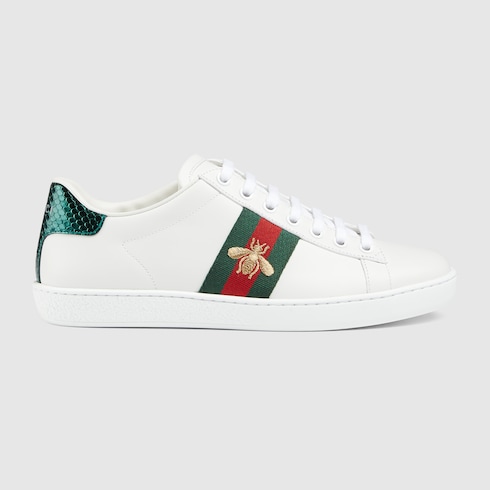
The sustained dominance of Gucci in the sneaker arena is not accidental; it is the result of a deliberate and masterful alchemy. At its core, Gucci’s design philosophy, particularly under the creative direction of Alessandro Michele, has been one of eclectic romanticism. Michele’s approach, as documented in numerous interviews with platforms like Business of Fashion and Vogue, rejects minimalism in favor of a maximalist, referential, and deeply personal style. This philosophy directly informs the sneaker designs. Take the iconic Gucci Ace, for instance. Its clean, minimalist leather silhouette provides a blank canvas, which is then subverted with intricate embroideries—bees, tigers, hearts, or rainbows. This juxtaposition is key: the familiar, comfortable shape of a classic tennis sneaker is disrupted by a symbol of baroque ornamentation. It’s a visual conversation between the ordinary and the extraordinary, the sporty and the aristocratic. This design principle aligns with the concept of cognitive dissonance in aesthetics, where combining disparate elements creates a more compelling and memorable whole than uniformity ever could. As fashion historian Valerie Steele noted in her work for The Museum at the Fashion Institute of Technology, contemporary luxury is about “the shock of the old and the new,” a description that perfectly encapsulates the Ace sneaker. The sneaker becomes a wearable piece of art, a token of narrative, allowing the wearer to communicate a facet of their personality without uttering a word.
The Psychology of the “Sneakerhead” Culture and Luxury Adoption
To understand the phenomenon of luxury sneakers, one must look to the rise of sneakerhead culture, a global community that venerates athletic shoes as collectible artifacts. Originally centered around limited-edition basketball and running shoes, this culture has been seamlessly co-opted by high fashion houses. The psychological drivers here are multifaceted, rooted in tribal identity and scarcity principle. Sociologist Dr. Yuniya Kawamura, in her book “Sneakers: Fashion, Gender, and Subculture,” argues that sneakers act as potent social markers, creating in-groups and out-groups based on knowledge and ownership. Gucci, by releasing limited-run collaborations and seasonal variations, taps directly into this economy of desire. Owning a particular pair of women’s Gucci sneakers is not just about having shoes; it’s about possessing cultural currency, demonstrating insider knowledge, and belonging to a tribe that appreciates the fusion of streetwear ethos with Italian craftsmanship. Furthermore, the comfort and practicality of sneakers represent a broader societal move towards utilitarian luxury. In an era defined by speed and mobility, as highlighted by thinkers like Alain de Botton in his analyses of status anxiety, luxury items that offer both prestige and practicality hold immense power. A Gucci loafer may signify tradition, but a Gucci sneaker signifies a modern, dynamic lifestyle—one that is ready for anything, from a gallery opening to a transatlantic flight.
A Seasonal Canvas: Styling for the Perpetual Wardrobe
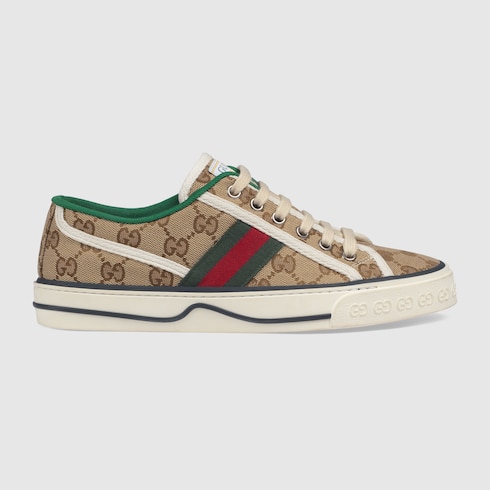
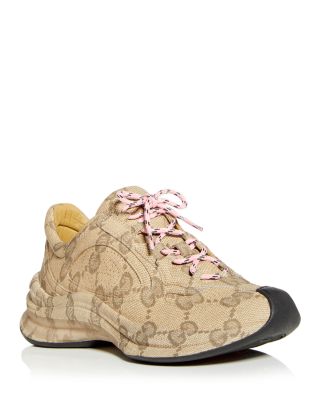
The true genius of a well-designed women’s Gucci sneakers collection lies in its trans-seasonal versatility. They are the chameleons of the luxury accessory world. In spring, pair the classic white leather Ace with a flowing midi dress in a floral print and a tailored denim jacket. The sneakers ground the femininity of the dress, preventing it from becoming overly precious, and inject a dose of contemporary cool. This “mixing of codes,” a term frequently used by stylists on platforms like Who What Wear, is the hallmark of modern dressing. For summer, the Gucci Rhyton, with its bold logo and chunky sole, offers a perfect counterpoint to minimalist linen separates or crisp shorts and a silk blouse. The sneaker’s exaggerated proportions add fashion-forward edge to simple silhouettes. As autumn arrives, the sneaker becomes a foundational layer. The Gucci Tennis 1977, with its understated retro vibe, looks impeccable with wide-leg wool trousers, a cozy knit, and a structured coat. Here, the sneaker replaces the traditional ankle boot, offering unexpected continuity between smart and casual elements. Winter styling embraces texture and contrast. The padded or fur-lined variations of Gucci sneakers provide literal warmth, while their luxurious materials—be it polished leather or technical nylon—hold their own against heavy wool coats and cashmere scarves. The key, as often demonstrated in street style photography from fashion weeks globally, is to treat the sneaker not as a casual afterthought, but as an intentional, weight-bearing element of the outfit’s architecture.
Investment Dressing: The Cost-Per-Wear Calculus
While the initial outlay for a pair of women’s Gucci sneakers is significant, a rational analysis through the lens of investment dressing reveals their value. This concept, advocated by fashion economists and personal stylists alike, moves beyond initial price to consider cost-per-wear, longevity, and versatility. A well-constructed Gucci sneaker, with its premium leathers, reinforced stitching, and durable soles, is built to last for years, far outliving fast-fashion alternatives. When you divide the price by the hundreds of times they will be worn across countless seasons and outfit combinations, the cost-per-wear plummets. Moreover, they possess a timeless quality within the trend cycle. While specific embroideries may be of-the-moment, the foundational silhouettes—the Ace, the Tennis 1977, the Rhyton—have already proven their staying power. They are what trend forecaster Li Edelkoort might call “slow fashion” items: pieces that resist obsolescence. This makes them a smarter financial decision in the long run, reducing the need for constant replacement and aligning with a more sustainable consumption model. It is an investment in a wardrobe workhorse that consistently delivers style and comfort.
The Voice of Authority: Testimonials from Culture and Commerce
The impact of these sneakers is echoed by voices across culture. On YouTube, style influencers like Audrey Coyne frequently analyze Gucci sneakers as pinnacle examples of “elevated basics,” items that seamlessly integrate into a refined capsule wardrobe. On Twitter, fashion critics have noted how they democratize luxury, making high fashion feel accessible and wearable. Even in literature, the sneaker as a symbol of modern identity finds resonance. While not writing about Gucci specifically, author Zadie Smith, in essays on contemporary life, often touches on the significance of personal style as a complex language—a language these sneakers speak fluently.
“The best items in your wardrobe are those that feel uniquely ‘you’ while also connecting you to a broader story of craftsmanship and design. They are personal and universal simultaneously.”
This sentiment, often shared by industry insiders, captures the essence of the Gucci sneaker experience. From a commercial perspective, the numbers speak volumes. Annual reports from Kering, Gucci’s parent group, consistently highlight the footwear category, and particularly sneakers, as a critical growth driver, underscoring their commercial and cultural relevance. This dual validation—from both the artistic community and the hard data of the market—cements their status as more than a passing trend.
Curating Your Pair: A Guide to Informed Acquisition
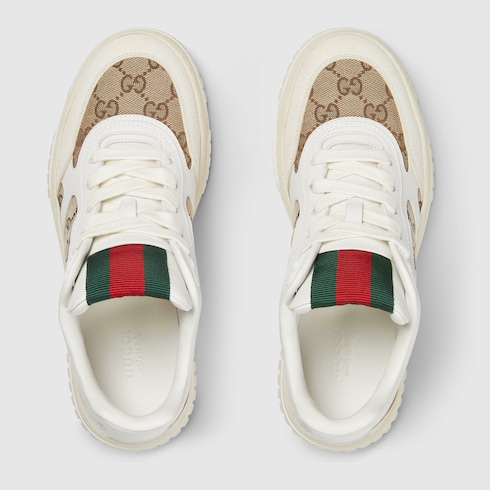
Embarking on the acquisition of your first or next pair requires a strategic approach. First, identify your style nucleus. Are your wardrobe staples clean-lined and minimalist? The classic white leather Ace may be your perfect canvas. Do you lean towards bold, statement-making pieces? The logo-emblazoned Rhyton or the chunky-platform Re-Web could be your match. Second, consider color versatility. A neutral tone—white, black, or beige—will offer maximum styling flexibility. Third, pay attention to fit and proportion; the elegant silhouette of the Tennis 1977 differs from the robust stance of the Rhyton, each flattering different leg lines in unique ways. Finally, while the allure of full-price boutiques is strong, the savvy shopper knows the value of authorized retailers and seasonal sales. Websites of major department stores often offer competitive pricing, and end-of-season promotions can provide access to these iconic pieces at a more accessible point. The goal is to make an informed choice that aligns with your personal aesthetic and practical life, ensuring your women’s Gucci sneakers become a beloved and endlessly utilized component of your style identity.
Ultimately, the power of women’s Gucci sneakers lies in their unique ability to synthesize contradictions: they are comfortable yet luxurious, casual yet refined, timeless yet contemporary. They empower the wearer to navigate the world with confidence, offering a foundation of style that is both unwavering and adaptable. They are not just shoes; they are a tool for self-expression, a smart sartorial investment, and a testament to the idea that in today’s world, the most compelling style is that which feels entirely and effortlessly your own.
