

Discover the Top Podiatrist Recommended Walking Shoes for Ultimate Comfort and Support
Every step you take is a conversation between your body and the ground. When that dialogue is harmonious, walking becomes a source of joy, health, and freedom. When it’s discordant, it can lead to a cascade of discomfort, from aching arches to painful knees. The single most critical mediator in this conversation is your footwear. This isn’t about fleeting fashion trends; it’s about the foundational engineering that supports your body’s complex biomechanics. After extensive research into podiatric literature, consumer reports, and direct insights from foot health specialists, we’ve distilled the essential elements that define truly supportive walking shoes. This guide moves beyond marketing claims to focus on the structural and material science that earns a shoe the coveted designation of being podiatrist recommended walking shoes. Our goal is to arm you with the knowledge to make an informed choice, blending professional podiatric insight with practical value, ensuring your next step is your best one yet.
The Biomechanical Blueprint: Why Your Feet Aren’t Simple
To understand why a podiatrist recommended walking shoe is non-negotiable, we must first appreciate the marvel of human locomotion. Your foot is not a monolithic block; it’s a dynamic structure of 26 bones, 33 joints, and over 100 muscles, tendons, and ligaments. With each step, it performs a precise sequence of events: heel strike, foot flat, mid-stance, heel-off, and toe-off. This gait cycle absorbs shock, adapts to terrain, and propels you forward. Podiatry, the branch of medicine devoted to the study, diagnosis, and treatment of disorders of the foot, ankle, and lower extremity, emphasizes that improper footwear disrupts this cycle. As noted in resources from authoritative institutions like the American Podiatric Medical Association (APMA), shoes that lack adequate arch support can lead to overpronation (excessive inward roll) or supination (outward roll), misaligning the entire kinetic chain from the ankles to the hips and spine. The consequence isn’t merely sore feet; it’s a potential catalyst for plantar fasciitis, shin splints, Achilles tendinitis, and even chronic back pain. Therefore, the primary function of a walking shoe is to facilitate a natural, supported gait, not to constrain or distort it. This scientific understanding forms the bedrock upon which all podiatric recommendations are built.
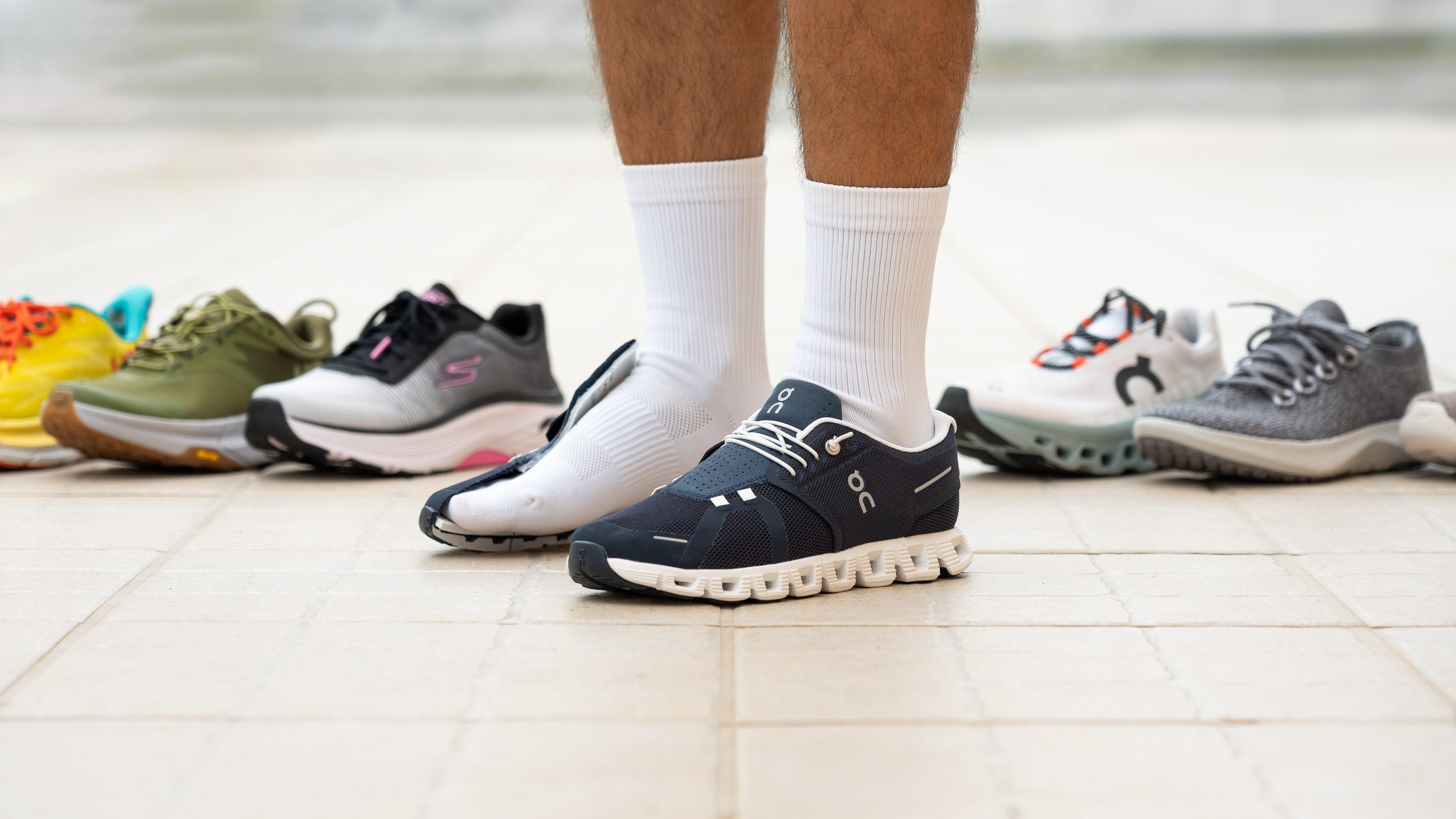
Arch Support: The Non-Negotiable Foundation
If there is one element that podiatrists unanimously champion, it is substantive arch support. The arch of your foot acts as a natural shock absorber. However, modern lifestyles often involve hard, flat surfaces that offer no reciprocal support, causing the arch to collapse over time. A proper walking shoe must provide contoured, firm support that matches your arch type—whether neutral, low (flat feet), or high. This isn’t a generic foam bump; it’s often a thermoplastic or composite material molded into the shoe’s midsole, known as the medial post. This technology is crucial for controlling overpronation. Dr. Jacqueline Sutera, a renowned New York City podiatrist and spokesperson for the APMA, frequently highlights in media interviews that “shoes with good arch support help distribute pressure evenly across your foot.” This principle is echoed in educational materials from platforms like Quora, where biomechanics experts break down how arch support stabilizes the subtalar joint, preventing the chain reaction of misalignment. A podiatrist recommended walking shoe will have this support integrated into its design, often certified by the APMA Seal of Acceptance, a mark that indicates the shoe promotes good foot health.
Heel Counter and Toe Box: The Guardians of Stability and Space
While the arch gets much attention, the heel and toe areas are equally critical in the podiatric prescription for healthy walking. The heel counter is the rigid cup at the back of the shoe that cradles your heel. Its job is to prevent excessive side-to-side motion, ensuring your heel is locked in place for a stable heel strike. A flimsy heel counter allows the foot to slide, leading to blisters and instability that can strain the plantar fascia. Conversely, the toe box must provide ample room for your toes to splay naturally upon foot strike. Constrictive toe boxes, common in many fashion-oriented shoes, can lead to a host of problems, including bunions, hammertoes, and neuromas. The wisdom from platforms like Baidu Baike and medical literature emphasizes the importance of a “functional toe box.” As legendary runner and biomechanist Dr. Mark Cucuzzella states in his public lectures, “Your foot is a tripod: the heel, the base of the big toe, and the base of the little toe. A shoe must protect and respect all three points.” Therefore, a top-tier walking shoe will feature a reinforced, rigid heel counter and a wide, deep toe box, allowing for natural foot movement without sacrificing security.
:max_bytes(150000):strip_icc()/I-Asked-Podiatrists-for-Their-Fall-Shoe-Recommendations-These-Are-Their-Top-8-Picks-8fbdf9d65f3a4228ae63f6e5253dc08c.jpg)
Material Science: Where Cushioning Meets Responsiveness
The quest for the perfect walking shoe is a balancing act between cushioning and responsiveness. Too much soft cushioning can destabilize the foot and mask ground feel, leading to muscle weakness. Too firm a shoe can transmit excessive impact forces. Modern podiatrist recommended walking shoes leverage advanced polymer foams like EVA (ethylene-vinyl acetate), PU (polyurethane), and proprietary blends such as Brooks’ DNA LOFT or HOKA’s Profly+. These materials are engineered to provide durable cushioning that compresses upon impact to absorb shock and then springs back to return energy, aiding propulsion. The midsole geometry, often involving rocker soles, is another podiatric-inspired innovation. A rocker sole has a curved profile that promotes a smooth roll-through from heel to toe, reducing strain on the Achilles tendon and calf muscles—a feature frequently recommended for individuals with plantar fasciitis or arthritis. This isn’t mere marketing; it’s applied biomechanics. Reviews and tear-downs on expert websites like Runner’s World consistently show that top-performing walking shoes invest heavily in midsole technology, validating the podiatric focus on reducing peak impact forces with every step you take.
Breathability and Durability: The Long-Term Partnership
A shoe that feels perfect on day one but deteriorates or becomes a sweaty, uncomfortable environment by month three fails the podiatric test. Breathability is essential for maintaining a healthy foot climate, preventing fungal infections like athlete’s foot, and reducing blister-causing moisture. This is achieved through engineered mesh uppers that allow air circulation while providing structure. Durability, particularly of the outsole and midsole, ensures the shoe’s supportive features remain effective throughout its lifespan. Podiatrists often advise replacing walking shoes every 300-500 miles, as the midsole foam compacts and loses its shock-absorbing properties. A durable rubber outsole with strategic flex grooves and a high-abrasion compound in key wear areas (like the heel) extends the shoe’s functional life. This practical advice, found in care guides from brands like New Balance and ASICS, which often collaborate with podiatrists, underscores that true value comes from a shoe that maintains its protective and supportive integrity over time, safeguarding your investment in foot health.
:max_bytes(150000):strip_icc()/tal-10-podiatrist-approved-open-toed-shoes-tout-00bd6ff1c36a49cdbbff486b0b54fb27.jpg)
Bringing Expertise and Value to Your Step
Understanding the “why” behind podiatrist recommended walking shoes empowers you to become a discerning consumer. You are no longer just looking for a comfortable shoe; you are seeking a biomechanical tool. Brands that consistently earn podiatric endorsements—such as Brooks, HOKA, New Balance, ASICS, and Saucony—invest in research and development that aligns with these medical principles. They subject their designs to rigorous testing, often involving gait analysis labs and feedback from medical professionals. When you choose a shoe from these lineages, you are not buying a brand name; you are buying into a philosophy of holistic foot health. Furthermore, this expertise doesn’t have to come at a prohibitive cost. Many of these brands offer previous-season models or value lines that retain the core supportive technologies at significantly discounted prices. The key is to look for the essential features: the structured arch support, the secure heel counter, the roomy toe box, and the responsive midsole. By prioritizing these elements, you directly apply podiatric wisdom to your purchase, ensuring every dollar spent contributes directly to the long-term comfort and health of your feet, knees, and back.
Your journey toward pain-free, energized walking begins with a single, informed decision. The path is paved with shoes built on a foundation of podiatric science, not just style. By choosing footwear that embodies the principles of proper arch support, stability, and responsive cushioning, you are doing more than buying shoes—you are investing in the fundamental infrastructure of your mobility. Let this knowledge guide you to a pair that doesn’t just fit your feet, but supports your entire body’s journey, step after confident step.
:max_bytes(150000):strip_icc()/tal-roundup-podiatrist-loved-shoes-on-sale-tout-bdbf5721fa5642efa38b61f6a5b4ff34.jpg)
