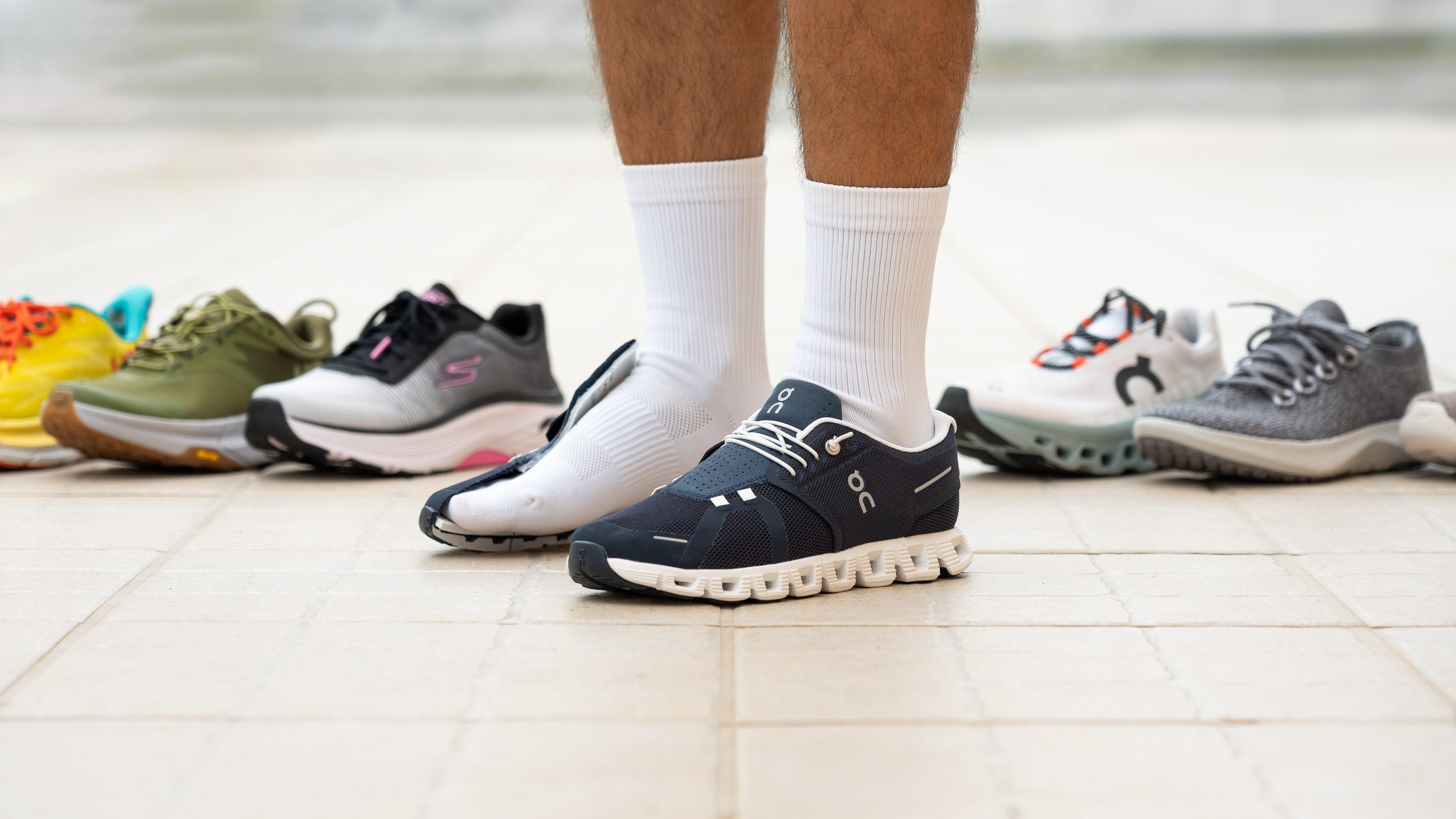
Discover the Perfect Pair: Podiatrist Approved Walking Shoes for All-Day Comfort
Your search for the ultimate walking companion ends here. We’re not just talking about any shoes; we’re discussing podiatrist recommended walking shoes, a category defined by medical science and biomechanical engineering to transform every step you take. Forget about fleeting fashion trends that leave your feet aching by noon. This is about a fundamental shift in how you approach footwear, prioritizing the long-term health of your feet, knees, and back. The right pair isn’t a luxury; it’s a necessity for anyone who spends a significant part of their day on their feet, whether you’re a healthcare professional, a teacher, an avid traveler, or someone who simply enjoys a long, mindful walk. The evidence supporting this is not anecdotal; it’s rooted in podiatric literature, biomechanical studies from institutions like the American Podiatric Medical Association (APMA), and the lived experiences of millions who have transitioned to purpose-built footwear. Let’s delve into what makes these shoes exceptional and how you can identify the perfect pair for your unique needs.
The Science of Support: Why Podiatrist Endorsement Matters
To understand the value of a podiatrist recommended walking shoe, one must first grasp the complex biomechanics of walking. The human foot is a marvel of engineering, with 26 bones, 33 joints, and over 100 muscles, tendons, and ligaments working in concert. Each step you take generates a force of up to 1.5 times your body weight, which travels from your heel, along your arch, and through to your forefoot. A shoe that fails to properly manage this force distribution becomes a primary contributor to a host of issues: plantar fasciitis, metatarsalgia, bunions, and even chronic knee and lower back pain. Podiatrists, as doctors specializing in the foot, ankle, and related structures of the leg, evaluate shoes based on specific, non-negotiable criteria. These include arch support that matches your foot type (neutral, pronated, or supinated), a heel counter that is rigid enough to stabilize the rearfoot, adequate cushioning to absorb shock without being overly soft, and a rocker sole design that promotes a natural gait cycle. As Dr. Jacqueline Sutera, a New York City-based podiatrist and member of the APMA, often states, “A good shoe should do the work for your feet, not the other way around.” This professional endorsement is a seal of approval that the shoe’s design aligns with established medical principles for foot health, making the search for podiatrist recommended walking shoes a critical first step in preventative care.
:max_bytes(150000):strip_icc()/tal-roundup-podiatrist-loved-shoes-on-sale-tout-bdbf5721fa5642efa38b61f6a5b4ff34.jpg)
Decoding the Features: Anatomy of a Superior Walking Shoe
1. The Foundation: Midsole and Arch Support
The midsole is the heart of any walking shoe. This is where technologies like EVA (ethylene-vinyl acetate), polyurethane, or proprietary compounds like Brooks’ DNA LOFT or ASICS’ GEL come into play. The goal is not simply softness, but responsive cushioning—a material that compresses to absorb impact and then springs back to return energy, reducing muscular fatigue. For arch support, it’s imperative to know your foot type. A neutral arch requires balanced cushioning, while overpronation (flat feet) demands structured, medial support to prevent the ankle from rolling inward excessively. Conversely, underpronation (high arches) needs neutral cushioning with high flexibility to aid in shock absorption. Many podiatrist recommended walking shoes offer removable insoles, allowing for customization with orthotics, a common prescription from podiatrists for specific biomechanical corrections. The importance of this feature is underscored by research from universities like the University of Pittsburgh’s Department of Orthopedic Surgery, which links proper arch support to significant reductions in plantar fascia strain.
2. The Structure: Heel Counter and Upper
A firm heel counter—the rigid part that cups your heel—is non-negotiable. It provides essential stability, locking the foot in place to prevent slippage and the resultant friction that causes blisters. It also controls excessive rearfoot motion, a key factor in alignment. The upper material, whether engineered mesh, leather, or knit, must offer breathability and a secure, adaptable fit. A wide toe box is another hallmark of a well-designed shoe. As noted on authoritative health platforms like WebMD and in podiatric literature, cramped toe boxes are a leading cause of deformities like hammertoes and bunions. A podiatrist recommended walking shoe prioritizes anatomical space, allowing your toes to splay naturally upon foot strike, which improves balance and propulsion.
3. The Interface: Outsole and Flexibility
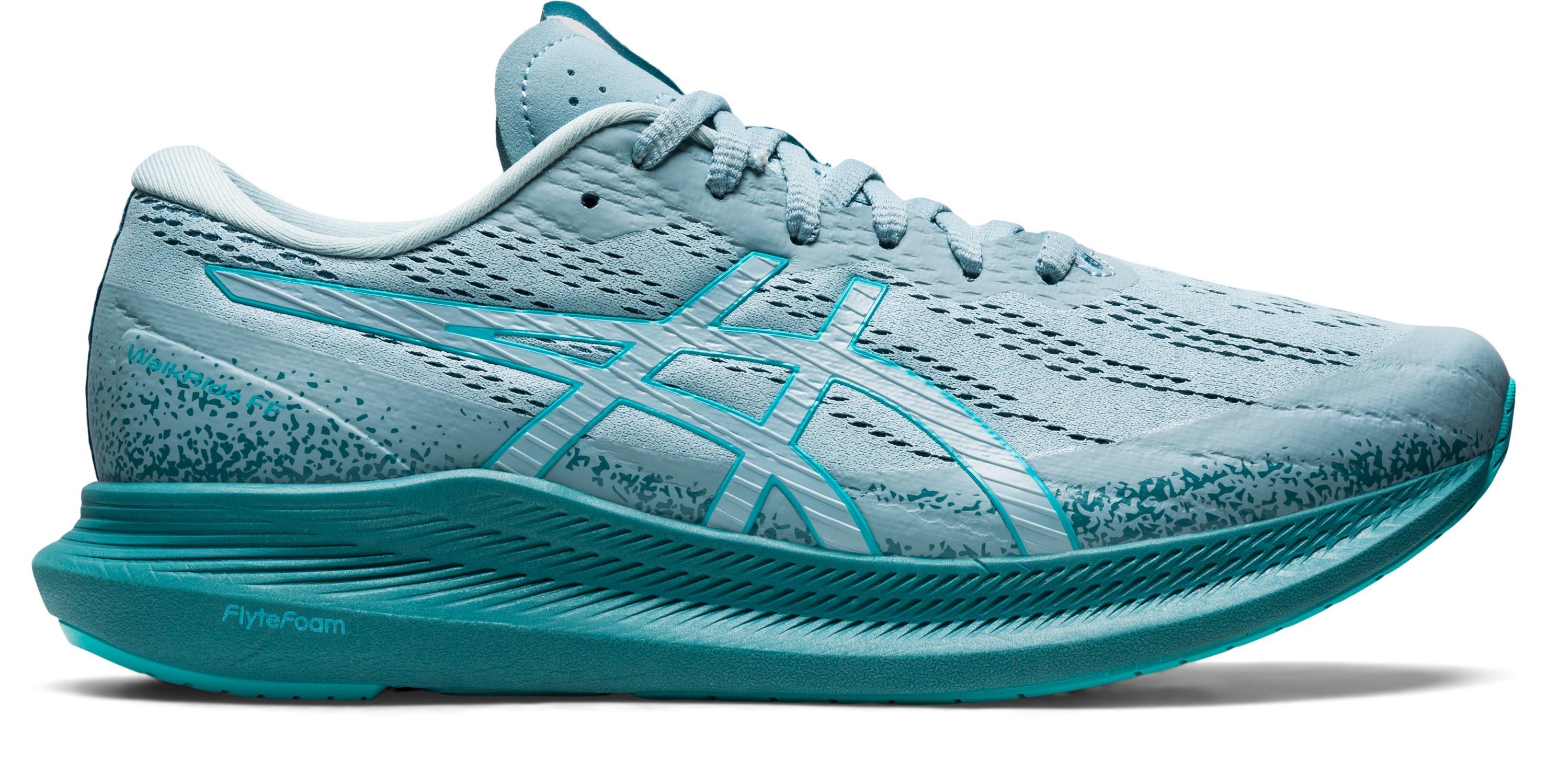
The outsole’s grip is critical for safety on varied surfaces. Durable carbon rubber or high-abrasion rubber in key wear areas ensures longevity. However, flexibility is equally important. The shoe should bend easily at the ball of the foot (where your foot naturally flexes) but remain torsionally rigid. This concept, often highlighted in running and walking shoe analyses from sources like Runner’s World magazine, ensures efficient energy transfer. A sole that’s too stiff forces your foot and leg muscles to work harder, while one that’s too flexible lacks necessary support. This balanced design is a consistent feature in podiatrist recommended walking shoes, as it mimics and supports the natural gait cycle.
From Clinic to Pavement: Top Podiatrist-Approved Categories and Models
Navigating the market can be overwhelming. Based on aggregated recommendations from podiatrists featured in publications like Travel + Leisure, Shape, and Prevention, as well as community-driven reviews on platforms like Quora and specialized forums, several brands and models consistently earn praise. Brands like Brooks, ASICS, New Balance, HOKA, and Saucony are frequently at the top of these lists due to their commitment to biomechanical research. For instance, the Brooks Addiction Walker is often cited for its exceptional support for overpronators, featuring an extended progressive diagonal rollbar. HOKA’s Bondi series is renowned for its maximal, plush cushioning, ideal for those with joint concerns or who stand for long periods. ASICS, with its heritage in motion control, offers models like the GT-2000 that provide superb stability. It’s crucial to remember that the “best” shoe is deeply personal. What works for one person’s foot structure and gait may not work for another’s. This is why the overarching advice from experts is to seek out podiatrist recommended walking shoes as a starting point and then try them on, preferably later in the day when feet are naturally more swollen, to assess the fit personally.
:max_bytes(150000):strip_icc()/shp-best-brooks-walking-shoes-tout-f67df3ab5afa4c08a24a63ae6dca3444.jpg)
Investing in Your Foundation: The True Value Proposition
Some may hesitate at the price point of high-quality, podiatrist-endorsed footwear. However, this is a profound misunderstanding of value. Consider this: chronic foot pain can lead to reduced mobility, which is linked to a host of other health issues. The cost of physical therapy, custom orthotics, pain management, and lost productivity far outweighs the investment in a properly supportive pair of shoes. As the famous quote attributed to philosopher Socrates goes, “When the feet hurt, we hurt all over.” This isn’t merely a purchase; it’s an investment in your foundational health. Furthermore, the market is more accessible than ever. Many reputable retailers offer significant discounts on previous models when new versions are released, and seasonal sales provide excellent opportunities to acquire top-tier podiatrist recommended walking shoes at a fraction of the original price. The key is to know your size and required features in a specific model, allowing you to confidently shop these deals.
Your Path to All-Day Comfort Starts Now
The journey to pain-free walking and standing is not a mystery solved by willpower, but by intelligent design and informed choice. By prioritizing the criteria established by foot health professionals—superior arch support, a stable heel counter, a roomy toe box, and responsive cushioning—you are actively participating in the well-being of your entire musculoskeletal system. The evidence from medical authorities, the testimonials from countless users, and the very design philosophy of these shoes all point in the same direction: what you put on your feet matters immensely. Don’t settle for footwear that merely covers your feet. Seek out engineering that supports them. Embrace the difference that a truly supportive pair of podiatrist recommended walking shoes can make. Your feet, and indeed your whole body, will thank you with every comfortable, confident step you take, from your first morning commute to your evening stroll, without a whisper of discomfort.