

Discover the Best Podiatrist Recommended Walking Shoes for All-Day Comfort
Your feet are the foundation of your movement, and the shoes you choose can either support or sabotage your daily comfort and long-term health. For anyone who spends significant time on their feet—whether walking for fitness, navigating a busy workday, or exploring new places—the quest for the perfect shoe is paramount. This isn’t about fleeting fashion trends; it’s about biomechanical science, preventive care, and enduring comfort. We’ve delved into the criteria set by foot health experts to guide you toward the ultimate choice in podiatrist recommended walking shoes. This exploration synthesizes objective principles from podiatric medicine, insights from leading footwear reviewers, and the lived experiences of countless individuals to present a clear, actionable guide. Forget vague suggestions; we’re here to provide a detailed roadmap to all-day comfort, backed by science and expert validation.
The Science of Support: Why Podiatrist Endorsement Matters
To understand the value of a podiatrist recommended walking shoe, one must first appreciate the complex engineering of the human foot. Each foot contains 26 bones, 33 joints, and over 100 muscles, tendons, and ligaments, all working in concert to provide balance, propulsion, and shock absorption. Podiatrists, as doctors of podiatric medicine (DPM), specialize in diagnosing and treating conditions of the foot, ankle, and related structures of the leg. Their recommendations are rooted in a deep understanding of biomechanics and pathology. A common reference point in podiatric literature, including resources from authoritative institutions like the American Podiatric Medical Association (APMA), emphasizes that improper footwear is a leading contributor to conditions such as plantar fasciitis, metatarsalgia, bunions, and chronic knee or back pain. Therefore, a shoe earning a podiatrist’s seal of approval isn’t merely comfortable; it’s designed to align with the foot’s natural structure and gait cycle. It typically features specific elements: a firm heel counter to control rearfoot motion, adequate arch support tailored to different foot types (neutral, pronated, supinated), a roomy toe box to allow natural splay and prevent digital deformities, and strategic cushioning that absorbs impact without destabilizing the foot. As noted by Dr. Jacqueline Sutera, a prominent New York City podiatrist, in various media interviews, “A good walking shoe should feel supportive and stable from the moment you put it on, without a ‘break-in’ period that signals improper fit.” This scientific foundation transforms a shoe from a simple accessory into a vital tool for musculoskeletal health.
:max_bytes(150000):strip_icc()/podiatrist-recommended-walking-shoes-e1b90077185d4e6cadbf6327c4d17db7.jpg)
Decoding the Anatomy of an Ideal Walking Shoe
Let’s dissect the non-negotiable components that define top-tier podiatrist recommended walking shoes. First, the upper: it should be constructed from breathable, flexible, yet supportive materials like engineered mesh or premium leather. This ensures ventilation to reduce moisture and friction, a key factor in preventing blisters and fungal infections. The closure system, whether laces, straps, or a hybrid, must allow for precise adjustability to accommodate the foot’s volume throughout the day, as feet naturally swell. Second, the midsole is the heart of the shoe’s performance. This is where technologies like EVA foam, polyurethane, or proprietary compounds like Brooks’ DNA LOFT or ASICS’ GEL come into play. The goal isn’t maximum softness, which can lead to instability, but a balance of responsive cushioning and energy return. The midsole must also incorporate arch support. For instance, brands like Vionic build biomechanically correct orthotic support directly into their footwear, a feature often highlighted in podiatric reviews. Third, the outsole requires a durable, flexible rubber with a multi-directional tread pattern for reliable traction on various surfaces, preventing slips and falls. The rocker sole design, featured in brands like HOKA and certain New Balance models, is a podiatrist-favored feature that promotes a smooth heel-to-toe transition, reducing strain on the plantar fascia and Achilles tendon. Finally, the heel-to-toe drop (or offset) is a critical but often overlooked metric. A moderate drop (typically 6-10mm) is generally recommended for walkers, as it places less stress on the calves and Achilles while facilitating a natural gait. Each of these elements must work in harmony, a principle consistently echoed in footwear analyses on expert sites like Runner’s World and Verywell Fit.
Beyond the Brand: Matching Foot Type to Shoe Technology
A common mistake is selecting shoes based solely on brand popularity or aesthetics. True comfort arises from a precise match between your unique foot morphology and the shoe’s built-in support systems. Podiatrists categorize feet primarily into three types: neutral, overpronated (feet roll inward excessively), and underpronated or supinated (feet roll outward). Identifying your type can be done via a “wet test” (observing your footprint on a dry surface) or, more accurately, through a gait analysis at a specialty running store or a podiatrist’s office. For the overpronator, stability or motion control shoes are essential. These feature medial (inner-side) posts made of denser foam and structured guidance systems to correct the inward roll. Brands like Brooks (Adrenaline GTS series), ASICS (GT-2000 series), and Saucony (Guide series) excel here. For the supinator or high-arched foot, neutral-cushioned shoes with ample shock absorption and flexibility are key to distributing impact. Think of models like the HOKA Bondi or Clifton, or the New Balance Fresh Foam 1080. For the neutral foot, the world is your oyster, but a well-cushioned neutral shoe like the Brooks Ghost or ASICS Nimbus is ideal. It’s worth noting that many podiatrists, including Dr. Megan Leahy quoted in Prevention magazine, caution against overly minimalist or “barefoot” shoes for daily walking without proper conditioning, as they often lack the necessary support for the modern, often sedentary-to-active lifestyle. The right podiatrist recommended walking shoes act as a personalized interface between your body and the ground.
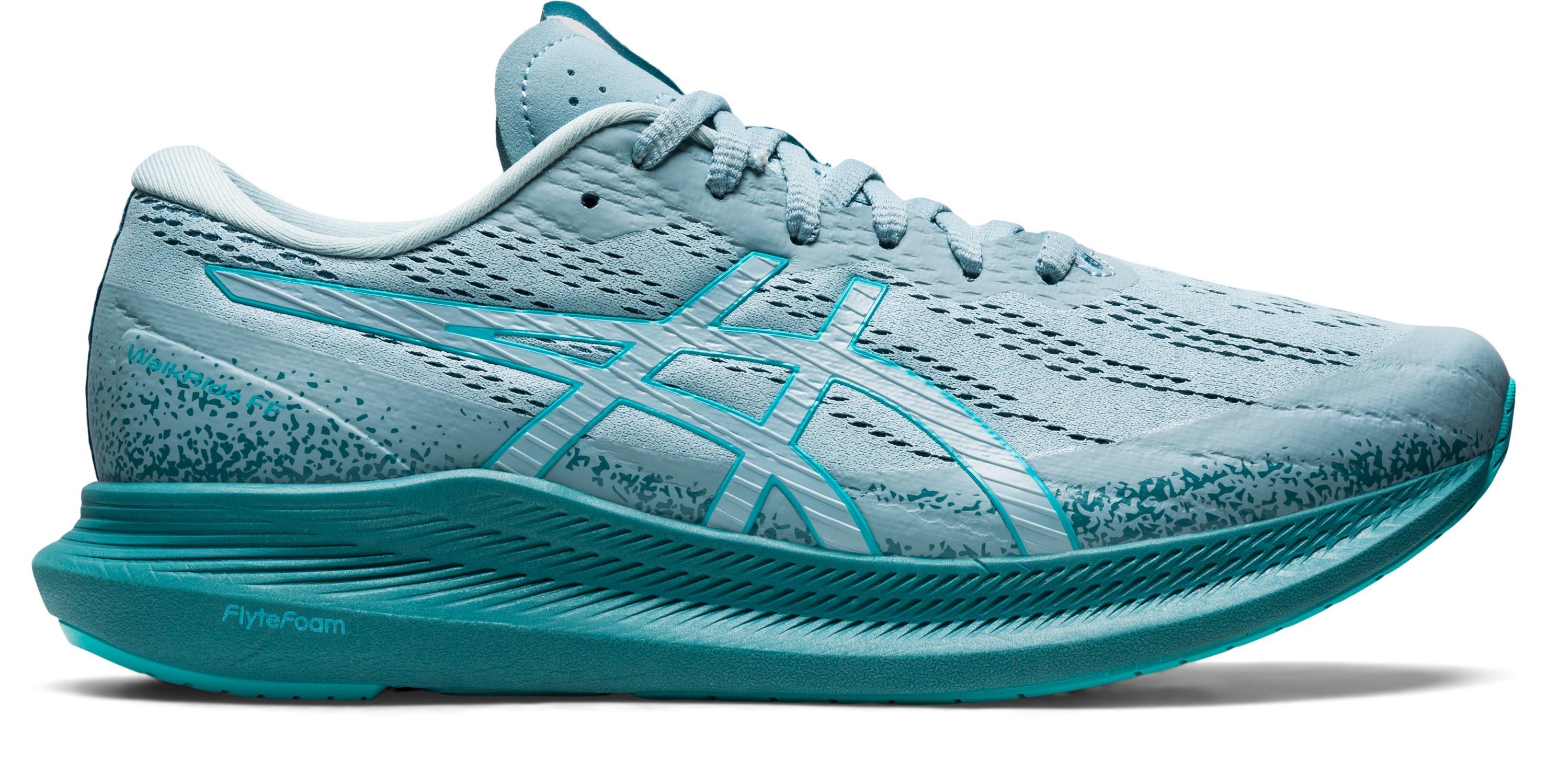
The Longevity Equation: When to Retire Your Walking Shoes
Even the best-engineered shoes have a finite lifespan. The cushioning and support materials in the midsole compress and break down over time, long before the outsole shows significant wear. Continuing to use worn-out shoes is akin to driving a car with bald tires and failed shock absorbers—it invites injury. The consensus among podiatrists and sports medicine professionals, supported by literature from institutions like the University of Pittsburgh Medical Center, is that walking shoes should be replaced every 300 to 500 miles. For the average walker covering 3-5 miles per day, this translates to roughly every 3 to 6 months. Key indicators of retirement include loss of bounce or responsiveness, visible creasing or compression in the midsole (especially in the heel and forefoot areas), uneven wear patterns on the outsole, or the onset of new aches and pains in your feet, knees, or hips that weren’t present before. Rotating between two pairs of podiatrist recommended walking shoes can extend the life of each by allowing the midsoles to fully decompress between uses. This practice isn’t a luxury but a strategic investment in consistent comfort and injury prevention. As the famous running coach and author Jack Daniels once remarked, “Your shoes are the only equipment you have, so don’t skimp on them.” This wisdom applies unequivocally to walkers.
Curated Comfort: A Look at Top Podiatrist-Approved Models
While individual fit is supreme, several models consistently earn praise from podiatrists and discerning wearers alike. It’s important to view this not as a definitive ranking, but as a curated shortlist for your consideration. First, the Brooks Addiction Walker series is often hailed as a gold standard for those needing maximum stability and motion control. Its extended progressive diagonal rollbar is a podiatric favorite for managing overpronation. Second, the New Balance 928 is a classic leather walking shoe with exceptional arch support and a sturdy construction, frequently recommended for those with arthritis or who require extra depth. Third, the HOKA Bondi series, with its maximalist cushioning and meta-rocker geometry, is a top pick for absorbing impact, ideal for walkers on hard surfaces or those dealing with heel pain. Fourth, the ASICS Gel-Kayano series, though often marketed to runners, offers superb stability and cushioning for power walkers, featuring their renowned GEL technology in both heel and forefoot. Finally, the Vionic Walker Classic embodies the integration of podiatric science, featuring an embedded orthotic with a deep heel cup and superior arch support to align the foot. These models represent the pinnacle of where footwear technology meets clinical insight to create genuine podiatrist recommended walking shoes.
:max_bytes(150000):strip_icc()/I-Asked-Podiatrists-for-Their-Fall-Shoe-Recommendations-These-Are-Their-Top-8-Picks-8fbdf9d65f3a4228ae63f6e5253dc08c.jpg)
Investing in Your Foundation: Value Beyond the Price Tag
Procuring the right footwear is an investment in your health, but it need not break the bank. Here is where professional knowledge meets smart consumerism. First, always prioritize fit over price. A $50 shoe that fits perfectly is a better value than a $150 shoe that causes blisters. Second, shop in the afternoon or evening when your feet are at their largest. Third, consider previous model years. Shoe manufacturers update models annually, often with only cosmetic changes. Last year’s top-rated podiatrist recommended walking shoes can frequently be found at discounts of 30-50% on retailer websites like Zappos, Amazon, or the brand’s own outlet pages. This is an excellent way to access premium technology at a fraction of the cost. Fourth, look for retailers with generous return policies that allow you to walk indoors and truly test the shoes. Some brands, like Brooks, offer a 90-day trial period. Finally, remember that quality socks are part of the system. Moisture-wicking, seamless socks made from merino wool or synthetic blends reduce friction and keep feet dry, enhancing the performance and comfort of your shoes. By combining this knowledge with savvy shopping, you equip yourself with the tools for enduring comfort without overspending.
Your journey toward all-day comfort begins with a single, informed step. The pursuit of the perfect walking shoe is not a matter of subjective preference but an application of biomechanical principles to your daily life. By focusing on the hallmarks of podiatrist-endorsed design—targeted support, appropriate cushioning, durable construction, and a precise fit—you actively choose to support your body’s foundation. This choice reverberates upward, influencing the health of your ankles, knees, hips, and spine. Let this guide serve as your compass, steering you away from marketing hype and toward the clinically-informed features that promise real, lasting comfort. Your feet carry you through life; it’s time to return the favor with the thoughtful, evidence-based support they deserve.
