

Discover the Best Podiatrist Recommended Walking Shoes for All-Day Comfort
Your feet are the foundation of your movement, and the shoes you choose can either support or sabotage your daily comfort and long-term health. For anyone who spends significant time on their feet—whether navigating city streets, exploring nature trails, or managing the demands of a busy workday—the quest for the perfect walking shoe is paramount. This isn’t merely about fashion or fleeting trends; it’s about biomechanical alignment, pressure distribution, and injury prevention. The most reliable guide in this quest is the professional opinion of a podiatrist. These foot health specialists understand the intricate architecture of the foot and its relationship with the ground. Therefore, investing in podiatrist recommended walking shoes is not a purchase; it’s a proactive step toward sustained well-being. This article will delve into the scientific principles behind proper footwear, explore the key features that define the best options, and provide concrete recommendations to help you find shoes that offer genuine, all-day comfort.

The Science of Stride: Why Your Feet Deserve Expert-Approved Footwear
Walking is a complex series of biomechanical events known as the gait cycle. It involves the harmonious function of bones, muscles, ligaments, and tendons from your heel to your hip. A podiatrist, through years of study and clinical practice, analyzes this cycle to identify abnormalities like overpronation (excessive inward rolling of the foot) or supination (outward rolling). These misalignments, if uncorrected by proper footwear, can lead to a cascade of issues: plantar fasciitis, metatarsalgia, shin splints, and even knee and back pain. The role of a podiatrist recommended walking shoe is to provide stability, cushioning, and motion control tailored to your specific gait. As Dr. Jane Andersen, a past president of the American Association for Women Podiatrists, has often stated in professional forums, “The right shoe acts as an external orthotic, guiding the foot into a more neutral position and absorbing shock before it travels up the kinetic chain.” This perspective is echoed in literature from institutions like the University of Pittsburgh Medical Center’s Sports Medicine division, which emphasizes that footwear is the first line of defense against overuse injuries. The objective is not to constrain the foot but to create an environment where it can function as nature intended, with each step protected and supported.
Deconstructing Comfort: The Non-Negotiable Features of a Superior Walking Shoe
When podiatrists evaluate footwear, they look beyond brand names and marketing claims. They assess specific, measurable features that contribute directly to foot health. First and foremost is arch support. The arch is the foot’s natural shock absorber; flattening it with each step without support strains the plantar fascia. A good walking shoe will have a firm, contoured midsole that matches your arch type—neutral, low, or high. Next is heel counter rigidity. The heel counter is the back part of the shoe that cups your heel. A firm, well-padded counter prevents excessive heel movement, stabilizing the foot’s initial contact with the ground. Third is adequate toe box space. As noted on authoritative health websites like WebMD, cramping toes can lead to deformities like bunions and hammertoes. Your toes should be able to splay naturally with about a thumb’s width of space between your longest toe and the shoe’s end. Finally, consider the flex point. The shoe should bend easily at the ball of the foot, where your foot naturally flexes, and not in the middle of the arch. A shoe that bends in the wrong place can undermine arch support and lead to fatigue. These features, collectively, form the blueprint for what constitutes a true podiatrist recommended walking shoe.
:max_bytes(150000):strip_icc()/I-Asked-Podiatrists-for-Their-Fall-Shoe-Recommendations-These-Are-Their-Top-8-Picks-8fbdf9d65f3a4228ae63f6e5253dc08c.jpg)
From Clinic to Pavement: Top Podiatrist-Recommended Shoe Categories and Models
Based on aggregated recommendations from podiatric publications, online Q&A sessions with foot doctors, and reviews from trusted sources, several brands and models consistently earn professional praise. It’s crucial to remember that the “best” shoe is highly individual, but these categories serve as an excellent starting point for your search. For those requiring maximum stability and motion control, brands like Brooks and ASICS offer models with innovative guide rails and dual-density midsoles. The Brooks Addiction Walker, for instance, is frequently cited in podiatrist blogs for its extended progressive diagonal rollbar that helps control overpronation. For premium cushioning and energy return, HOKA and New Balance have developed technologies that make long-distance walking feel less impactful. HOKA’s Bondi series, with its meta-rocker geometry, promotes a smooth heel-to-toe transition, a feature often highlighted by sports podiatrists on social media platforms for patients with heel pain. Lastly, for the perfect blend of support and lightweight flexibility, shoes like the ASICS Gel-Nimbus or the Saucony Triumph provide responsive cushioning without bulk. The consistent thread among all these options is their alignment with podiatric principles. When you choose a podiatrist recommended walking shoe from these proven lines, you are leveraging years of biomechanical research and clinical feedback.
:max_bytes(150000):strip_icc()/shp-best-brooks-walking-shoes-tout-f67df3ab5afa4c08a24a63ae6dca3444.jpg)
Beyond the Shoe: Integrating Professional Knowledge for Holistic Foot Health
While the right shoe is foundational, a podiatrist’s advice encompasses a broader philosophy of care. This includes understanding when to replace your shoes—typically every 300-500 miles or when the midsole compression shows visible wear—and the potential role of custom orthotics. Orthotics are prescription medical devices that correct specific biomechanical faults. As explained on the American Podiatric Medical Association’s website, even the best over-the-counter shoe may need the personalized correction of an orthotic for certain conditions. Furthermore, professional knowledge extends to sock choice (moisture-wicking, seamless), lacing techniques to relieve pressure points, and complementary foot-strengthening exercises. Think of your podiatrist recommended walking shoes as the most critical piece of equipment in a comprehensive foot wellness strategy. This holistic view is championed by figures like Dr. Ray McClanahan, a sports podiatrist known for his advocacy of natural foot positioning, whose YouTube channel emphasizes that footwear should complement, not correct, the body’s natural design whenever possible. By adopting this integrated approach, you move from simply buying a product to actively managing your musculoskeletal health.
Investing in Comfort: Finding Value in Quality Footwear
It’s a common misconception that high-quality, health-focused footwear must come with a prohibitive price tag. In reality, viewing a podiatrist recommended walking shoe as an investment in your daily comfort and future mobility reframes the cost. Consider the potential expenses of neglecting foot health: physical therapy sessions, medical treatments for chronic pain, and lost productivity. A well-constructed shoe from a reputable brand, built with durable materials and advanced technology, often provides better cost-per-wear value than cheaper, less supportive alternatives that fail quickly. To make this investment more accessible, savvy shoppers can look for previous-season models, which offer the same core technology at a discounted price. Many reputable retailers and the brands’ own outlet sites offer significant sales. The key is to prioritize the essential features—arch support, heel counter, fit—over superficial aesthetics. When you find a model that works for you, purchasing multiple pairs during a sale can be a wise strategy. Remember, the goal is to bring professional-grade support and discounted prices together, ensuring that the path to all-day comfort is both scientifically sound and economically sensible.
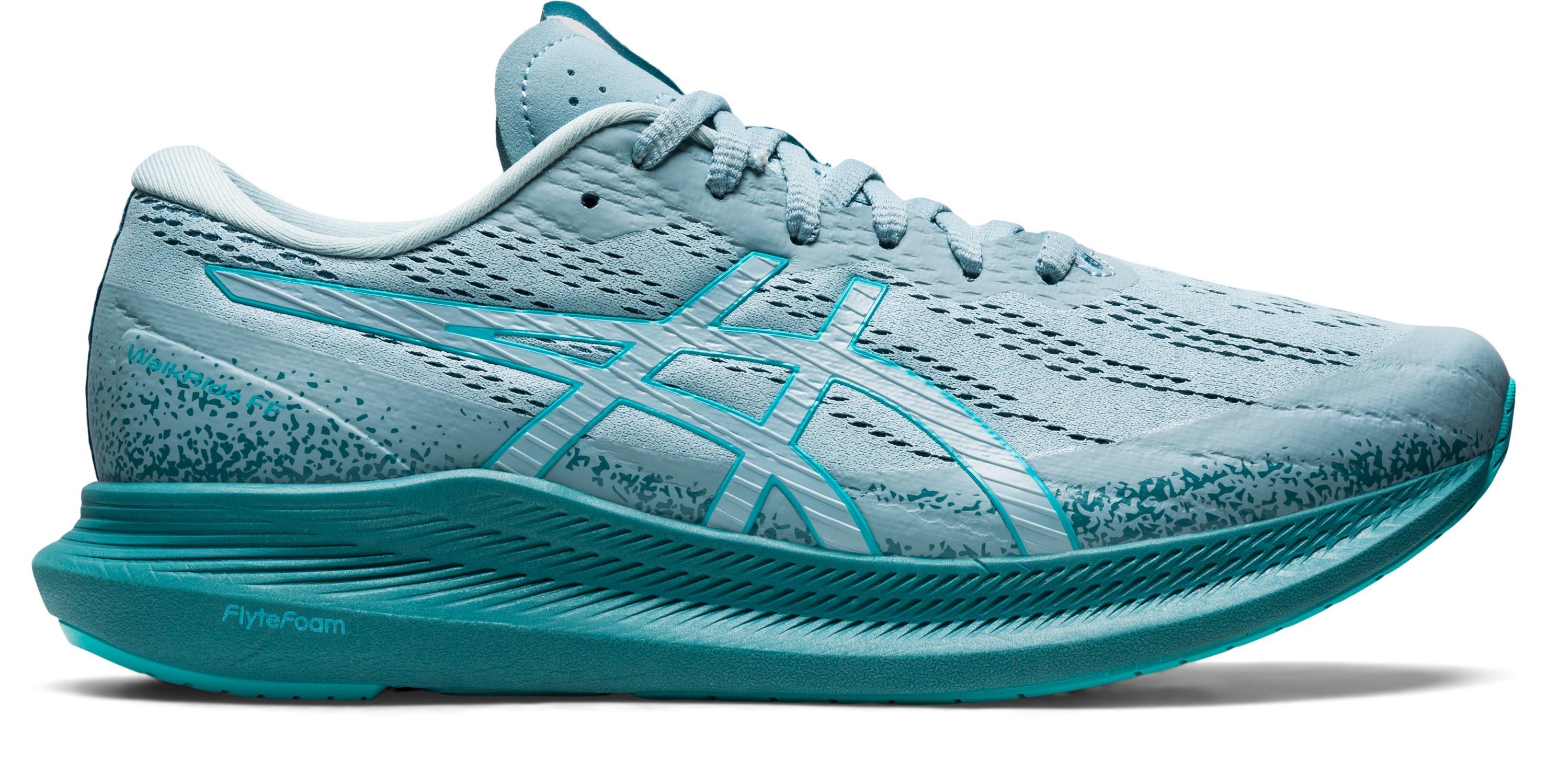
Your journey to finding the perfect walking shoe begins with respecting the science of your stride and trusting the expertise of those who dedicate their careers to foot health. By focusing on the objective criteria that define a podiatrist recommended walking shoe—superior arch support, a secure heel counter, ample toe room, and proper flexibility—you empower yourself to make an informed choice. The recommended brands and models provide a reliable map, but your individual fit is the final destination. Combine this knowledge with holistic foot care practices and smart shopping strategies. The result is more than just comfort; it’s the freedom to move through your day with confidence, supported by footwear engineered for the remarkable complexity of your feet. Step forward into that comfort, knowing your foundation is solid.
