

Discover the Best Podiatrist Recommended Walking Shoes for All-Day Comfort
Your feet are the foundation of your movement, bearing the weight of your entire body with every step. When that foundation lacks proper support, the repercussions echo upwards, potentially affecting your ankles, knees, hips, and even your lower back. This isn’t mere speculation; it’s a biomechanical reality recognized by medical professionals worldwide. The quest for all-day comfort, therefore, transcends simple cushioning. It demands a strategic alliance with footwear engineered to promote healthy, natural movement. This is where the guidance of a podiatrist—a doctor specializing in foot, ankle, and related structures of the leg—becomes invaluable. Podiatrist recommended walking shoes are not a marketing gimmick; they are a category of footwear vetted for specific structural and functional attributes that align with podiatric principles for foot health. This article delves into the science of walking, decodes the critical features these experts prioritize, and guides you toward selections that marry professional insight with tangible comfort, ensuring your daily journeys are supported from the ground up.
The Podiatric Perspective: Why Your Everyday Shoes Matter
To understand the significance of podiatrist-endorsed footwear, one must first appreciate the complex engineering of the human foot. Comprising 26 bones, 33 joints, and over a hundred muscles, tendons, and ligaments, the foot is a marvel of natural architecture. Its primary functions—shock absorption, propulsion, and adaptation to uneven terrain—are often compromised by modern lifestyles and improper footwear. Podiatrists, drawing from a vast body of orthopedic and biomechanical literature, consistently identify common pitfalls in typical shoes: inadequate arch support leading to overpronation or supination, cramped toe boxes causing deformities like bunions, and excessive heel height altering gait mechanics. As Dr. Jacqueline Sutera, a prominent New York City podiatrist, often emphasizes in media interviews, “Shoes should complement the foot’s natural function, not fight against it.” The consequences of ignoring this advice are well-documented, ranging from acute conditions like plantar fasciitis and Achilles tendonitis to chronic joint wear and tear. Therefore, the pursuit of podiatrist recommended walking shoes is essentially a preventive health measure. It’s an investment in preserving the intricate mechanics of your feet, thereby safeguarding the alignment and health of your entire kinetic chain. This perspective shifts the shoe from a fashion accessory to a vital piece of functional equipment for daily life.
:max_bytes(150000):strip_icc()/I-Asked-Podiatrists-for-Their-Fall-Shoe-Recommendations-These-Are-Their-Top-8-Picks-8fbdf9d65f3a4228ae63f6e5253dc08c.jpg)
Deconstructing Comfort: The Five Pillars of a Superior Walking Shoe
What specific elements transform an ordinary sneaker into a podiatrist-approved powerhouse for all-day wear? The consensus among foot care experts coalesces around five non-negotiable pillars. First, Arch Support and Contour: The arch acts as a natural shock absorber. Shoes must provide congruent support to maintain this structure, preventing its collapse (overpronation) or insufficient rolling (supination). This support is often achieved through a well-designed footbed or insole that mirrors the foot’s topography. Second, Heel Counter and Stability: A firm, cupped heel counter is crucial. It grips the heel bone (calcaneus) securely, minimizing excessive movement that can lead to instability, blisters, and conditions like posterior tibial tendon dysfunction. Third, Toe Box Geometry: The front of the shoe must allow toes to splay naturally upon foot strike. A cramped, pointed, or shallow toe box can lead to neuromas, hammertoes, and ingrown toenails. The gold standard is a “foot-shaped” toe box. Fourth, Midsole Cushioning and Responsiveness: While cushioning is vital for dissipating impact forces, it must be balanced with responsiveness—the shoe’s ability to return energy to aid propulsion. Materials like EVA, polyurethane, and newer proprietary foams (e.g., Brooks’ DNA LOFT, ASICS’ FF BLAST) are engineered for this dual purpose. Fifth, Flexibility at the Right Joint: A shoe should bend easily at the metatarsophalangeal joints (where your toes meet your foot), facilitating the natural “toe-off” phase of the gait cycle. However, it should remain torsionally rigid to prevent twisting that undermines stability. A podiatrist recommended walking shoe will excel across these pillars, creating a synergistic environment for foot health.
Beyond the Brand: Scientific Features That Make a Difference
While brand loyalty exists, podiatrists focus on tangible technologies and design philosophies. Motion control systems, for instance, are engineered for overpronators, featuring dense medial posts to limit inward roll. Rocker soles, a technology highlighted in rehabilitation literature from institutions like the Mayo Clinic, are designed to reduce pressure on the forefoot and heel, aiding individuals with arthritis or plantar fasciitis by promoting a smoother gait roll-through. The importance of proper fit cannot be overstated; a hallmark of a podiatrist recommended walking shoe is its availability in multiple widths. The American Podiatric Medical Association (APMA) grants its Seal of Acceptance to products found to promote good foot health, a credible indicator for consumers. Furthermore, materials matter. Breathable uppers (mesh, knit) manage moisture and temperature, reducing the risk of fungal infections. Durable, high-traction outsoles made from carbon rubber compounds enhance safety on varied surfaces. It’s this intersection of biomechanics, material science, and ergonomic design that defines the category. As noted on platforms like Quora and in discussions among orthopedic specialists, the “best” shoe is inherently personal—dictated by one’s unique foot structure, gait pattern, and any pre-existing conditions—but it will always be rooted in these evidence-based features.

Curated for Your Journey: Shoe Archetypes for Different Needs
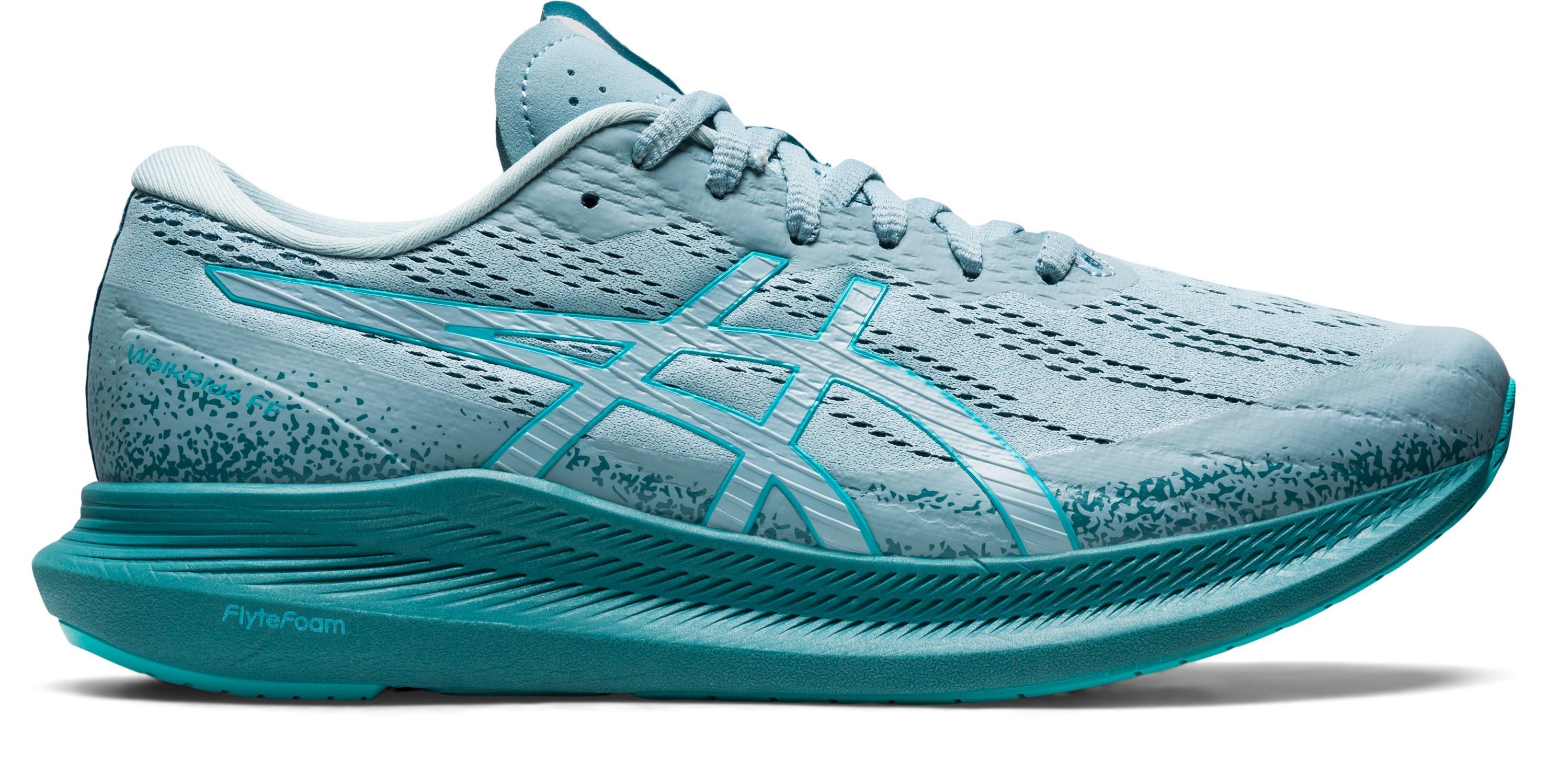
Recognizing that a universal “perfect shoe” does not exist, here is a breakdown of shoe archetypes, each embodying the principles of podiatrist recommended walking shoes for specific user profiles. For the High-Mileage Urban Walker, prioritize maximum cushioning and durability. Look for shoes with thick, resilient midsoles and robust outsoles. Brands like HOKA, with their meta-rocker geometry and profuse cushioning, or the ASICS GEL-Nimbus line, renowned for its shock-absorbing GEL technology, are frequently cited by podiatrists for long-distance comfort. For the individual with Flat Feet or Overpronation, stability and motion control are paramount. Shoes like the Brooks Adrenaline GTS or the New Balance 860 series offer structured guidance without sacrificing comfort, featuring supportive posts and engineered stability webs. For those with Neutral Arches and a Seeking a Natural Feel, “balanced” shoes that offer moderate cushioning and flexibility are ideal. The Saucony Ride or the Altra Escalante, known for its FootShape™ toe box, provide a platform that supports without overly interfering. Finally, for individuals managing Plantar Fasciitis or Heel Pain, shoes with exceptional arch support, a firm heel counter, and often a built-in or compatible orthotic-friendly design are critical. The Vionic Walker Classic or certain models from Dansko are explicitly designed with such therapeutic considerations in mind.
Integrating Expertise into Your Purchase: A Practical Guide
Knowledge is power, but application is key. Begin by assessing your own feet—wet foot tests on paper can reveal your arch type. Observe the wear patterns on your old shoes; heavy inner sole wear suggests overpronation. Most importantly, if possible, seek a professional gait analysis. Many specialty running stores offer this service, providing data-driven recommendations. When trying on shoes, do so in the afternoon when feet are naturally slightly swollen. Wear the socks you intend to walk in. There should be a thumb’s width of space between your longest toe and the end of the shoe. The shoe should feel secure at the heel and midfoot, with room for your toes to wiggle freely. Walk around the store, on hard surfaces if possible. Listen to the advice of certified pedorthists or staff trained in footwear fitting. Remember, a true podiatrist recommended walking shoe feels supportive and comfortable almost immediately; it should not require a lengthy “break-in” period, which is often a sign of poor fit. This meticulous selection process is your first and most crucial step toward all-day comfort.
Investing in Your Foundation: Where Value Meets Vitality
It is a common misconception that superior, health-conscious footwear must command exorbitant prices. While the research, technology, and quality materials in top-tier podiatrist recommended walking shoes do justify their value, savvy shopping can yield significant savings. Consider previous season’s models, which often retain the core technological features at a fraction of the cost. Subscribe to newsletters from reputable retailers and manufacturers for alerts on sales and clearance events. Outlet stores and certified online vendors frequently offer authentic products at discounted prices. Furthermore, view this purchase through the lens of cost-per-wear and, more importantly, preventive healthcare. A $150 pair of shoes that prevents a single visit to a physical therapist or podiatrist for a foot ailment has already paid for itself. The investment is not merely in a product but in your mobility, your posture, and your long-term well-being. As the ancient proverb, often misattributed but wise nonetheless, suggests: “The journey of a thousand miles begins with a single step.” Ensure that step is taken in a shoe worthy of the journey.

Your search for enduring comfort ends not with a fleeting trend, but with an informed choice grounded in podiatric science. The distinction of a podiatrist recommended walking shoe lies in its deliberate design—a design that respects the foot’s anatomy, facilitates its biomechanical function, and protects its long-term health. From the rigidity of the heel counter to the generosity of the toe box, each element serves a purpose far beyond aesthetics. By prioritizing these features, you actively participate in preserving your foundational health. Let your footwear be a testament to the understanding that true comfort is not the absence of feeling, but the presence of unwavering, intelligent support that carries you confidently through every moment of your day.
