

Discover the Best Podiatrist Recommended Walking Shoes for All-Day Comfort
Your feet are your foundation, and the shoes you choose for walking can mean the difference between a day filled with vibrant energy and one hampered by discomfort. For anyone who spends significant time on their feet—whether navigating city streets, exploring nature trails, or managing the demands of a busy workday—the quest for the perfect walking shoe is paramount. This isn’t merely about fashion or fleeting trends; it’s a critical investment in your long-term musculoskeletal health. The guidance of foot care specialists, podiatrists, is invaluable here. They don’t just treat foot problems; they understand the biomechanics of prevention. A podiatrist recommended walking shoe is engineered not as an afterthought but as a primary tool for alignment, cushioning, and support, directly addressing the common pitfalls of off-the-shelf footwear that can lead to plantar fasciitis, bunions, knee pain, and back issues. This article delves into the science of what makes these shoes exceptional, drawing from biomechanical research, professional endorsements, and user experiences to guide you toward all-day comfort.
The Science of Stride: Why Biomechanics Dictate Your Shoe Choice
Walking is a complex series of movements, a gait cycle that involves heel strike, foot flat, mid-stance, heel-off, and toe-off. Each phase places unique stresses on the bones, muscles, and ligaments of your feet and legs. According to biomechanics literature from institutions like the University of Delaware’s Gait Analysis Laboratory, improper footwear can disrupt this cycle, leading to compensatory movements that strain joints upstream—ankles, knees, hips, and even the lower back. A podiatrist recommended walking shoe is designed with these phases in mind. It features specific elements like a heel counter to stabilize the rearfoot during strike, a well-contoured arch to support the foot during mid-stance, and a flexible forefoot to facilitate a smooth toe-off. This isn’t marketing jargon; it’s applied physics. The American Podiatric Medical Association (APMA) grants its Seal of Acceptance to products that promote good foot health, a certification many top walking shoe brands seek. This scientific foundation is what separates a truly supportive shoe from one that merely looks the part. When you slip on a shoe built on these principles, you’re not just wearing footwear; you’re enabling a harmonious, efficient, and protected gait cycle from the first step to the ten-thousandth.
Arch Support: The Non-Negotiable Pillar of Comfort
Perhaps the most critical feature in any walking shoe is arch support. The arch of your foot acts as a natural shock absorber, distributing the impact forces of walking. However, not all arches are created equal—they can be high, neutral, or flat (overpronated). A shoe with inadequate or incorrect arch support fails this fundamental duty. For individuals with flat feet, overpronation (where the ankle rolls inward excessively) is a common issue, which can lead to plantar fasciitis and shin splints. Conversely, high arches (supination) can result in too much pressure on the heel and ball of the foot. A podiatrist recommended walking shoe addresses this through structured, often removable, orthotic-friendly insoles or built-in support systems that cater to different arch types. As noted on platforms like Quora and in patient education materials from clinics like the Mayo Clinic, using shoes with proper arch support is a first-line defense against chronic pain. It maintains the foot’s natural alignment, preventing the ligament strain that comes from the arch collapsing or being unsupported. This isn’t a luxury feature; it’s as essential as the foundation of a house. Investing in shoes that correctly support your unique arch type is a direct investment in preventing costly and painful podiatric interventions down the line.
Cushioning vs. Stability: Striking the Perfect Balance
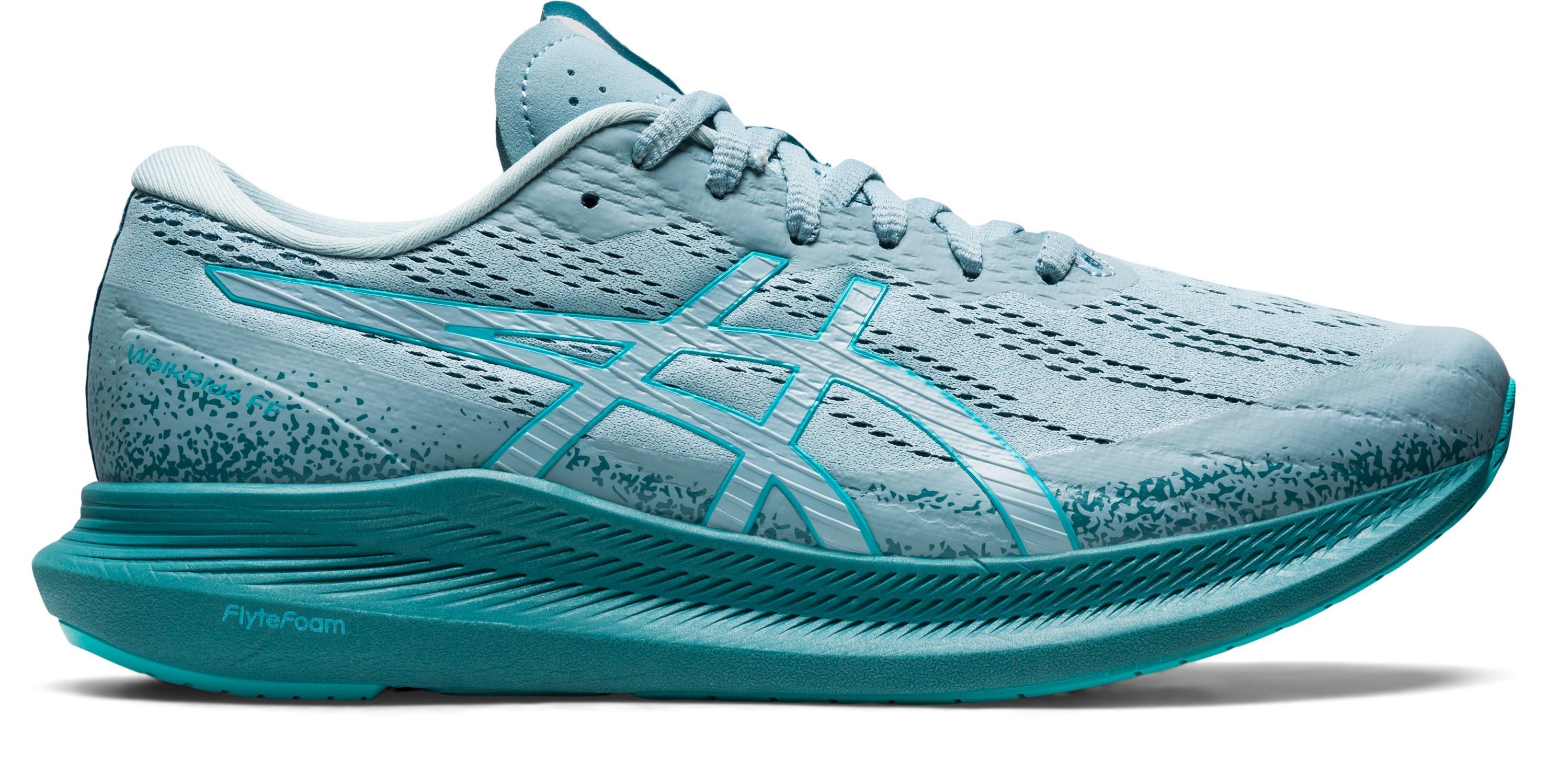
A common misconception is that maximum cushioning equals maximum comfort. While plush, soft materials feel great in the store, they can sometimes lack the stability needed for sustained walking. The key, as often highlighted in reviews on authoritative sites like Runner’s World and in discussions with sports medicine professionals, is balance. Effective cushioning absorbs impact, protecting joints. But without a stable base—a firm heel counter and a midsole that controls excessive motion—your foot can still slide into unhealthy positions. The best podiatrist recommended walking shoes master this equilibrium. They utilize advanced midsole materials like ASICS’ FlyteFoam, Brooks’ DNA LOFT, or HOKA’s Profly+ that provide responsive cushioning which doesn’t bottom out over miles. Simultaneously, they incorporate guidance technologies, such as medial posts or broader bases, to ensure your foot moves in a healthy, aligned path. Think of it as driving a high-performance car: you want a smooth ride (cushioning) but also precise handling and control (stability). A shoe that offers both allows you to walk longer distances with less fatigue and a significantly reduced risk of injury, making it a cornerstone for all-day comfort.

Key Features to Demand in Your Next Pair
Navigating the technical specifications of footwear can be daunting. To translate podiatric advice into a shopping list, focus on these non-negotiable features that define a superior walking shoe. First, a rigid heel counter. Squeeze the back of the shoe; it should not collapse easily. This cup-like structure locks your heel in place, preventing slippage and controlling rearfoot motion, a point frequently emphasized by podiatrists on health platforms. Second, ample toe box space. Your toes should not feel cramped. As noted in resources from Harvard Health Publishing, a spacious, foot-shaped toe box allows toes to splay naturally upon weight-bearing, improving balance and reducing the risk of developing deformities like hammertoes or aggravating bunions. Third, appropriate flexibility. The shoe should bend easily at the ball of the foot (where your toes join the metatarsals) but resist twisting in the midfoot. This promotes a natural walking motion while maintaining structural integrity. Finally, look for breathable, durable uppers made from engineered mesh or leather. This ensures a comfortable environment, reducing moisture and friction that can lead to blisters. A shoe that checks all these boxes is engineered to be a true partner for your feet.
Materials Matter: From Midsole Magic to Upper Engineering
The evolution of walking shoes is a story of material science. Gone are the days of simple rubber and leather. Today’s top-tier shoes feature sophisticated compounds designed for specific functions. The midsole, the heart of the shoe, is where most innovation happens. EVA (ethylene-vinyl acetate) foam was the standard, but newer materials like polyurethane blends, TPU (thermoplastic polyurethane) energy-return pods, and nitrogen-infused foams (like Nike’s React or New Balance’s Fresh Foam) offer greater durability, lighter weight, and more responsive cushioning. These materials are chosen because they resist compression set—meaning they won’t go flat after a few months of use, a critical factor for all-day comfort. The outsole, too, has advanced. Carbon rubber in high-wear areas provides exceptional durability, while blown rubber offers lighter weight and better grip. The upper’s engineered mesh is precisely woven in zones to provide stretch where needed and lockdown in others. This technical symphony, often developed in collaboration with biomechanists and podiatrists, is what you’re investing in. It’s the difference between a shoe that simply covers your foot and one that actively works with your body’s mechanics.

Bringing Expertise and Value to Your Doorstep
Understanding the “why” behind podiatrist recommended walking shoes is only half the journey; the other is accessing them without breaking the bank. Professional-grade footwear can represent a significant investment, but it’s one that pays dividends in health and productivity. Fortunately, value doesn’t always mean waiting for a sale on last season’s model (though that can be a smart strategy). Many reputable retailers and brand websites offer robust seasonal discounts, bundle deals (like buying insoles with shoes), and loyalty programs. Furthermore, several direct-to-consumer brands have emerged, cutting out middlemen to offer high-quality, biomechanically sound shoes at more accessible price points. The key is to prioritize the features that matter most to your foot type and walking style. Sometimes, a slightly older model of a top-tier shoe will have 95% of the technology of the newest release at a fraction of the cost. By combining the professional knowledge of what to look for with savvy shopping habits, you can secure footwear that offers both unparalleled comfort and excellent long-term value, making the path to healthier walking both clear and affordable.
A Step in the Right Direction: Making Your Informed Choice
Armed with this knowledge, your approach to buying walking shoes transforms. You move from a passive consumer to an informed advocate for your own foot health. Start by assessing your own gait and arch type—many specialty running stores offer free, basic gait analysis. Then, use the criteria outlined here as a checklist. Remember, the most expensive shoe is not necessarily the best for you; the correct shoe is the one that addresses your specific biomechanical needs. Don’t be swayed by hype alone. Look for the APMA Seal, read reviews from trusted sources that cite technical details, and pay attention to testimonials from users with similar profiles to yours. The ultimate goal is to find a shoe that you don’t notice—because it’s not causing hot spots, pinching, or aches. It simply works in harmony with your body. That seamless integration is the hallmark of a truly great podiatrist recommended walking shoe. It’s the tool that empowers you to walk further, stand longer, and move through your day with confidence and ease, free from the distraction of foot pain.
:max_bytes(150000):strip_icc()/favorite-walking-shoes-round-up-november-2024-458c3fc0c6844adca7c0a34ebc5cfb9b.jpg)
Your journey toward all-day comfort begins from the ground up. The right pair of shoes is more than an accessory; it’s a foundational piece of your daily well-being. By choosing footwear grounded in podiatric science and biomechanical principles, you actively participate in preserving the health and vitality of your feet for years to come. Let every step be a comfortable, supported, and joyful one.
