

Discover the Best Podiatrist Recommended Walking Shoes for All-Day Comfort
Your feet are your foundation, carrying you through thousands of steps each day. Yet, so often, they are an afterthought, crammed into footwear chosen for style over substance, leading to a cascade of discomfort that can ripple up through your entire body. The quest for all-day comfort isn’t merely about avoiding sore feet at the end of a shift or a long walk; it’s a fundamental investment in your mobility, posture, and long-term musculoskeletal health. This is where the specialized insight of podiatry becomes invaluable. Moving beyond marketing buzzwords and fleeting fashion trends, podiatrist recommended walking shoes are engineered based on a deep understanding of biomechanics, gait cycles, and common foot pathologies. This article delves into the science of what makes these shoes exceptional, guiding you toward informed choices that marry professional endorsement with tangible, day-long comfort. We will explore the non-negotiable features, decode technical specifications, and highlight specific models that consistently earn professional praise, all while connecting you with the knowledge to make your next pair your best pair.
The Foundation of Foot Health: Why Podiatrist Endorsement Matters
To understand the value of a podiatrist recommended walking shoe, one must first appreciate the complex interplay of bones, muscles, ligaments, and tendons that constitutes the human foot. It is a marvel of engineering, designed to absorb shock, adapt to terrain, and propel us forward. Podiatrists, as doctors specializing in the foot, ankle, and related structures of the leg, diagnose and treat conditions ranging from plantar fasciitis and bunions to diabetic neuropathy and arthritis. Their recommendations are not based on brand loyalty but on clinical evidence of how shoe design influences these conditions. For instance, the American Podiatric Medical Association (APMA) grants its Seal of Acceptance to products that promote good foot health, a rigorous evaluation based on scientific data. A shoe bearing this seal or a similar professional endorsement has been vetted for its stability, cushioning, and fit. The principle is rooted in preventative care. As noted by Dr. Jacqueline Sutera, a prominent New York City podiatrist, many common foot ailments are “shoe-related.” She often states in interviews that a properly fitted, supportive shoe can prevent a significant percentage of the problems she sees in her practice. Therefore, choosing a podiatrist recommended walking shoe is a proactive step, akin to seeing a nutritionist for dietary advice—it applies expert, scientific knowledge to an everyday essential to optimize function and prevent injury.
:max_bytes(150000):strip_icc()/podiatrist-recommended-walking-shoes-e1b90077185d4e6cadbf6327c4d17db7.jpg)
Arch Support and Motion Control: The Pillars of Stability
Perhaps the most critical feature scrutinized by podiatrists is the shoe’s approach to arch support and motion control. The arch of your foot acts as a natural shock absorber. However, when it collapses excessively inward (overpronation) or doesn’t roll enough (supination), it can lead to alignment issues affecting the ankles, knees, hips, and even the lower back. A podiatrist recommended walking shoe will offer structured support tailored to different arch types. This is often achieved through a combination of a firm heel counter (the back part of the shoe that cups your heel), a medial post (a denser material on the inner side of the midsole to prevent overpronation), and a well-contoured footbed. Brands like ASICS and Brooks invest heavily in biomechanical research, developing technologies like ASICS’s Dynamic DuoMax Support System or Brooks’s GuideRails holistic support system, which are frequently cited by foot care professionals for their efficacy. The goal is not to immobilize the foot but to guide its natural motion into a healthier, more efficient path. Think of it as the difference between a car with a precise alignment versus one that is out of alignment; the latter wears down tires (or joints) unevenly and requires more energy (causing fatigue) to stay on course. A study from the University of Virginia’s Department of Physical Medicine and Rehabilitation emphasized that appropriate footwear can significantly reduce pain and improve function in individuals with flexible flat feet, underscoring the therapeutic potential of proper arch support.
Cushioning vs. Responsiveness: Striking the Perfect Balance
The quest for cushioning in walking shoes often leads to a misconception: that softer is always better. While ample cushioning is vital for dissipating the repetitive impact forces of walking—which can be 1.5 times your body weight with each step—excessive softness without stability can be detrimental. A shoe that is too plush can cause the foot to sink and wobble, destabilizing the joints. Podiatrists look for a balanced midsole: one that provides soft, shock-absorbing comfort at heel strike but also offers a degree of responsiveness or “spring” to aid in the toe-off phase of the gait cycle. Materials like EVA (ethylene-vinyl acetate) foam are common, but advanced formulations like Brooks’s DNA LOFT, Saucony’s PWRRUN+, or HOKA’s Profly+ offer differentiated zones of cushioning and rebound. The renowned runner and biomechanist Dr. Benno Nigg, whose research at the University of Calgary has influenced footwear design globally, posits that the ideal shoe allows for natural foot movement while providing “preferred” cushioning—a subjective comfort that reduces muscle pre-activation and perceived effort. Therefore, the best podiatrist recommended walking shoes don’t just feel like pillows; they feel like dynamic, supportive platforms that reduce fatigue by efficiently managing energy return throughout your stride.
:max_bytes(150000):strip_icc()/shp-best-brooks-walking-shoes-tout-f67df3ab5afa4c08a24a63ae6dca3444.jpg)
Anatomy of an All-Day Comfort Shoe: Key Features Decoded
Beyond broad categories of support and cushioning, several specific design elements coalesce to create a shoe worthy of a podiatrist’s recommendation. Let’s dissect these components. First, the toe box: it must be wide and deep enough to allow your toes to splay naturally without rubbing. Constriction here can lead to neuromas, hammertoes, and blisters. Second, the heel-to-toe drop: this is the height difference between the heel and forefoot. A moderate drop (typically 8-12mm) is common in walking shoes as it can ease strain on the Achilles tendon and calf muscles, though some zero-drop styles promote a more natural foot position. Third, breathable uppers: materials like engineered mesh keep feet cool and dry, reducing the risk of fungal infections. Fourth, flexibility at the forefoot: the shoe should bend easily where your foot bends, at the ball, but remain stable through the midfoot. Finally, traction: a durable, grippy outsole is essential for safety on varied surfaces. When you find a shoe that harmonizes these elements, you’ve likely found a candidate for true all-day wear. Brands like New Balance, with their extensive width sizing, and Altra, with their FootShape toe boxes, have built reputations by focusing on these anatomical truths, earning them frequent spots on lists of podiatrist recommended walking shoes.
Real-World Endorsements: Where Professional Opinion Meets User Experience
Theoretical design is one thing; proven performance in the clinic and on the pavement is another. Many podiatrists publicly share their go-to recommendations, often based on patient feedback and clinical outcomes. For example, the Brooks Addiction Walker is a perennial favorite, frequently highlighted for its extended progressive diagonal rollbar that offers maximum motion control—a boon for overpronators. Similarly, the HOKA Bondi series, with its meta-rocker geometry and exceptional cushioning, is often suggested for those with arthritis or heel pain, as it encourages a smooth gait with reduced joint loading. On platforms like YouTube, certified pedorthists (footwear specialists) like “The Foot Doctor” (Dr. Brad Schaeffer) provide detailed reviews, tearing shoes apart to explain their biomechanical merits. He has praised the ASICS Gel-Kayano for walking due to its dual-density midsole and superb heel clutching. These endorsements carry weight because they are grounded in outcomes. As a statement from the Spaulding National Running Center at Harvard Medical School suggests, footwear should be considered a “tool” in managing load and mechanics. Therefore, selecting a model consistently praised by these experts is a strategic move to leverage collective professional experience for your personal comfort.

Investing in Your Stride: The Long-Term Value of Quality Footwear
It’s tempting to view high-quality walking shoes as a significant expense. However, when framed as an investment in health and preventative care, the perspective shifts. Consider the cost of treating chronic foot pain: orthotics, physical therapy, co-pays for doctor visits, and even lost productivity. A pair of well-chosen podiatrist recommended walking shoes acts as your first line of defense. They are designed to last, with durable outsoles and midsoles that resist premature compaction, meaning their supportive properties endure over the shoe’s lifespan—typically 300-500 miles of walking. To bring this professional knowledge to you at a more accessible point, it’s worth noting that many reputable retailers offer previous-season models at discounted prices, and brands often have sales cycles. The key is to know your needed features (arch type, width, cushioning level) and then shop strategically. The value isn’t just in the price tag but in the return on investment: miles of comfortable, pain-free movement, enhanced daily energy, and the preservation of your body’s natural alignment. As the ancient proverb wisely states, “The journey of a thousand miles begins with a single step.” Ensuring that step is taken in the right shoe makes all the difference for the remaining nine hundred ninety-nine.
Your Path Forward: Making an Informed Choice
Armed with this knowledge, your approach to buying walking shoes should transform. Start by understanding your own feet. If possible, seek a professional gait analysis at a specialty running or walking store. Pay attention to the wear patterns on your old shoes—excessive wear on the inside edge suggests overpronation. When trying on shoes, do so in the afternoon when feet are naturally slightly swollen. Wear the socks you intend to walk in. There should be a thumb’s width of space between your longest toe and the end of the shoe. Walk around the store, on hard surfaces if possible, and trust the feeling of stable, balanced support over initial softness. Remember, the ultimate podiatrist recommended walking shoe is the one that addresses your unique biomechanical needs. It is the intersection of scientific design, professional validation, and personal fit. By prioritizing these factors, you move beyond mere footwear into the realm of functional equipment, empowering every step you take with confidence and comfort from morning until night.
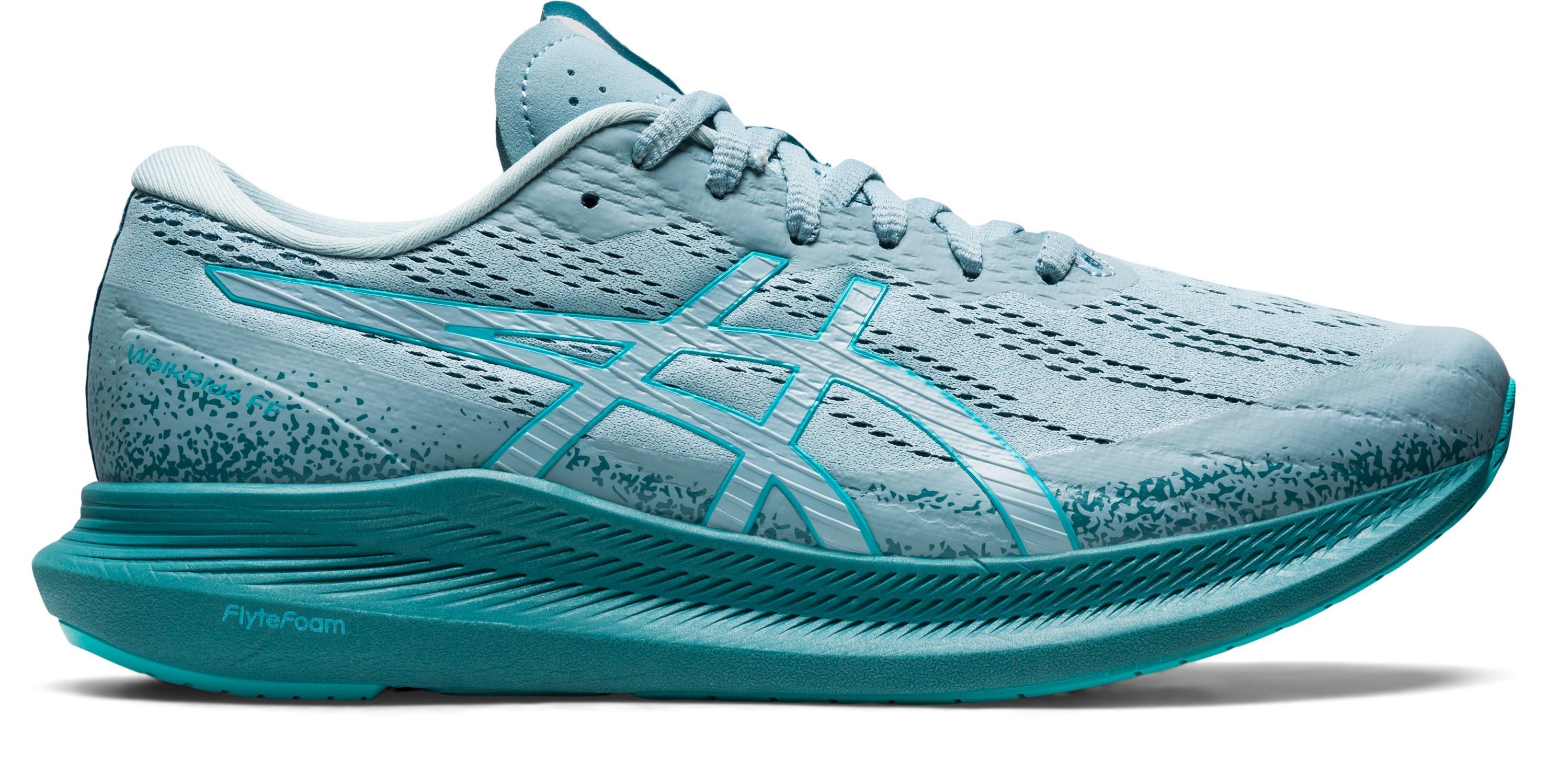
Choosing the right walking shoe is a decisive act of self-care. It is an acknowledgment that your daily comfort and long-term mobility are built from the ground up. The market is filled with options, but by focusing on the principles endorsed by podiatric science—superior arch support, balanced cushioning, anatomical fit, and proven performance—you filter out the noise and find footwear that truly serves you. Let this understanding guide you to a pair that doesn’t just carry you through your day but actively enhances it, step after comfortable step.
